
Contents
When it comes to mold cleanup, understanding the process is essential for safety and effectiveness. You need to assess the situation carefully, gather the right gear, and take steps to contain the mold. Each action plays a significant role in preventing further issues. But there’s more to think about beyond just removal. What preventative measures can you implement to ensure mold doesn’t return? Let’s explore these fundamental steps in detail.
Key Takeaways
- Identify and assess mold presence using visual inspections and odor detection in high-humidity areas like basements and bathrooms.
- Implement safety measures by wearing protective gear and sealing off affected areas to prevent cross-contamination.
- Control indoor humidity by using dehumidifiers and ensuring proper ventilation to maintain levels between 30-60%.
- Safely remove contaminated materials, sealing them in plastic bags before disposal, and following local guidelines.
- Consult professionals for complex mold issues and maintain ongoing monitoring to prevent future growth.
Assess the Mold Situation
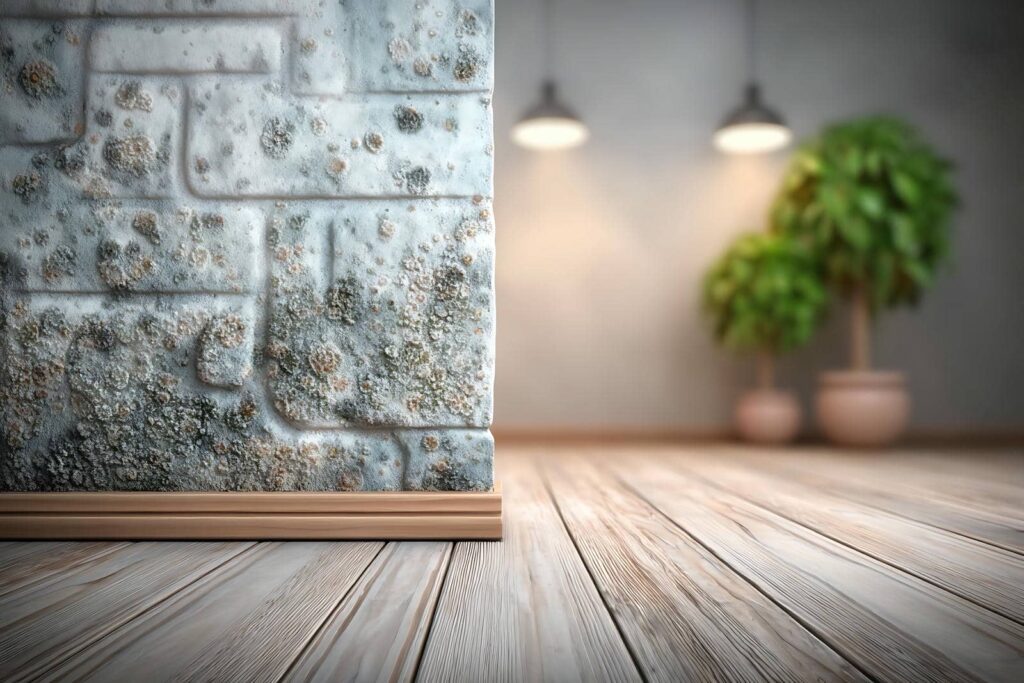
How do you determine the extent of a mold problem in your home? Start by identifying visible mold types, such as black mold or allergenic molds, often found in damp areas.
Check for discoloration on walls, ceilings, or around windows. Use your sense of smell; musty odors can indicate hidden mold.
Next, assess the areas with high humidity, like basements or bathrooms, as these are prime spots for mold growth.
Be aware of potential health effects, including respiratory issues or allergic reactions, that can arise from prolonged exposure to mold.
If you suspect a problem, consider conducting a thorough inspection, possibly hiring a professional for hidden mold.
Understanding the severity of the situation is essential for effective remediation.
Gather Necessary Safety Gear
Before starting on mold cleanup, it’s crucial to gather the necessary safety gear to protect yourself from exposure. First, invest in quality safety equipment, including a mask rated N95 or higher to filter out mold spores effectively. This will help minimize respiratory risks while you work.
Next, put on protective clothing, such as coveralls or long-sleeved shirts and pants, to shield your skin from direct contact with mold. It’s wise to wear gloves made of nitrile or rubber to prevent irritation and contamination.
Don’t forget eye protection—wear goggles to keep your eyes safe from airborne spores and cleaning agents.
Finally, consider using boot covers to protect your footwear and keep mold from spreading to other areas of your home. By assembling this gear beforehand, you’ll create a safer environment for yourself as you tackle the mold cleanup process.
Contain the Affected Area
To effectively address mold cleanup, it’s essential to contain the affected area to prevent spores from spreading throughout your home. Implementing mold containment strategies helps minimize the risk of cross-contamination. Start by sealing off the area with containment barriers, such as plastic sheeting, to isolate the mold.
Here’s a quick reference table for effective containment:
| Strategy | Purpose | Materials Needed |
|---|---|---|
| Seal Off Area | Prevents spore spread | Plastic sheeting, tape |
| Use Negative Air Pressure | Reduces airborne spores | Air scrubber, fans |
| Create a Decontamination Zone | Keeps cleaning separate | Cleaning supplies, boot covers |
Control Humidity Levels
To effectively control humidity levels and prevent mold growth, you need to monitor indoor humidity regularly.
Use dehumidifiers to maintain ideal moisture levels and ensure they’re placed in areas prone to dampness.
Additionally, sealing leaks and gaps in your home can further reduce excess moisture and enhance overall air quality.
Monitor Indoor Humidity Levels
Since high humidity levels create an ideal environment for mold growth, monitoring and controlling indoor humidity is essential for maintaining a healthy home. You can achieve effective humidity control through regular checks and adjustments. Use a hygrometer to measure humidity levels, aiming for a range between 30% and 60%.
| Humidity Level | Action Needed |
|---|---|
| Below 30% | Consider adding moisture (e.g., indoor plants) |
| 30-50% | Ideal for health |
| 50-60% | Monitor closely |
| Above 60% | Implement dehumidifying strategies |
| Above 70% | Immediate action needed to prevent mold |
Use Dehumidifiers Effectively
Using dehumidifiers effectively can greatly reduce indoor humidity levels, which is essential for preventing mold growth.
To optimize moisture control, set your dehumidifier to maintain humidity levels between 30% and 60%. This range is ideal for discouraging mold while keeping your environment comfortable.
Regularly check and adjust the dehumidifier settings based on seasonal changes or specific conditions in your home, like damp basements or bathrooms.
Remember to empty the water reservoir frequently or opt for a continuous drainage option to ensure consistent performance.
Also, keep the dehumidifier clean and well-maintained for maximum efficiency.
Seal Leaks and Gaps
Maintaining low humidity levels in your home goes beyond just using dehumidifiers; sealing leaks and gaps is a fundamental step in controlling moisture.
By addressing these issues, you enhance your home’s insulation and implement effective mold prevention techniques.
Here are three key areas to focus on:
Windows and Doors: Check for drafts and use weatherstripping or caulk to seal any gaps.
Pipes and Ducts: Inspect for leaks and insulate them to prevent condensation.
Attics and Basements: Ensure proper ventilation and seal any cracks to keep humidity at bay.
Remove Contaminated Materials
Removing contaminated materials is an important step in effective mold cleanup. After identifying mold-affected areas using mold identification techniques, you need to act quickly.
Start by evaluating which materials—like drywall, carpeting, or insulation—are beyond salvage. Follow materials disposal guidelines strictly to ensure safe removal and prevent further contamination.
Always wear protective gear, including gloves and masks, to shield yourself from harmful spores.
Carefully remove the materials, sealing them in plastic bags to contain the mold. It’s vital to dispose of these bags in accordance with local regulations to avoid spreading mold spores.
Clean Surfaces With Mold-Killing Solutions
After you’ve safely removed contaminated materials, it’s time to focus on cleaning the remaining surfaces to eliminate any lingering mold spores.
Using effective cleaning solutions is vital for achieving a thorough cleanup. Here are three essential mold removal techniques you should consider:
Bleach Solution: Mix one cup of bleach with a gallon of water to disinfect hard surfaces. Always ensure proper ventilation when using bleach.
Vinegar: Use undiluted white vinegar for a natural option that kills most mold species. Spray it on affected areas and let it sit for at least an hour.
Baking Soda: Combine baking soda with water to create a paste. Apply it to surfaces, scrub, and rinse. It’s a gentle yet effective solution that helps deodorize as well.
Dry the Area Thoroughly
Thoroughly drying the area is essential in preventing mold regrowth after cleanup. You can achieve this by employing effective drying techniques.
Start by using fans and dehumidifiers to circulate air and remove moisture from the affected space. Open windows and doors to promote effective ventilation, allowing fresh air to flow in and damp air to escape.
If possible, direct fans towards surfaces that tend to retain moisture, such as walls and carpets. Check for hidden moisture in places like under sinks or behind appliances, as these areas can be breeding grounds for mold if overlooked.
For ideal results, aim for a relative humidity level below 60%. This discourages mold growth and fosters a healthier living environment.
Monitor for Recurrence
To effectively prevent mold from returning, you need a robust monitoring strategy.
Establish a regular inspection schedule to identify potential problem areas, implement humidity control measures to keep levels in check, and create quick response protocols for any signs of mold growth.
These steps will help you maintain a mold-free environment.
Regular Inspections Schedule
Establishing a regular inspection schedule is crucial for effectively monitoring mold recurrence in your home or business.
By maintaining a consistent inspection frequency, you can catch mold issues early.
Here are three key steps to include in your schedule:
Monthly Checks: Inspect areas prone to moisture for mold indicators, such as water stains or musty odors.
Post-Repair Evaluations: After any water damage repairs, conduct thorough inspections to prevent mold growth from hidden sources.
Seasonal Reviews: Each season, assess your property’s ventilation and drainage systems to verify they’re functioning properly.
Humidity Control Measures
Since humidity plays a critical role in mold growth, implementing effective humidity control measures is essential for preventing recurrence.
To achieve this, monitor indoor humidity levels with a hygrometer, aiming to keep them below 60%. Utilize humidity control techniques such as dehumidifiers in damp areas and ensure your home’s ventilation is effective.
Proper airflow can considerably reduce moisture buildup, so consider installing exhaust fans in bathrooms and kitchens. Seal any leaks promptly and maintain gutters to prevent water from seeping into your home.
Regularly check windows and doors for proper sealing, as gaps can allow humid air inside. By staying proactive about humidity control, you’ll foster a healthier environment, reducing the likelihood of mold returning.
Quick Response Protocols
When mold cleanup is completed, promptly implementing quick response protocols is essential for monitoring any signs of recurrence.
By staying vigilant, you can protect your home and loved ones. Consider these three key steps:
Routine Inspections: Regularly check areas prone to moisture using effective mold identification techniques to spot any potential issues early.
Emergency Response Planning: Develop a plan for immediate action if mold reappears, including contacting professionals who can assist with remediation.
Documentation: Keep a record of your inspections and any findings to track patterns and improve your response strategies over time.
Implement Preventative Measures
To effectively prevent mold growth, you must take proactive steps in your environment. Start by utilizing mold-resistant materials in areas prone to moisture, such as bathrooms and kitchens. Additionally, make certain your ventilation systems are functioning at their best to reduce humidity levels.
Here’s a quick reference table to guide your preventative measures:
| Measure | Action Item | Purpose |
|---|---|---|
| Use Mold-Resistant Materials | Install in high-moisture areas | Deter mold growth |
| Enhance Ventilation Systems | Regularly clean and inspect | Maintain air circulation |
| Control Humidity Levels | Use dehumidifiers when needed | Prevent moisture buildup |
Consult With Professionals if Necessary
If you’re facing a significant mold issue that exceeds your ability to manage, consulting with professionals is essential. Mold remediation experts can help you tackle the problem effectively and safely, ensuring you protect your home and your health.
Here are three key reasons to evaluate professional help:
Expertise: They understand the complexities of mold growth and can identify hidden mold that’s not visible to the eye.
Health Risks: Mold can pose serious health risks, especially for those with allergies or respiratory issues. Professionals can assess your situation and mitigate these risks.
Comprehensive Solutions: They provide thorough remediation strategies, from removal to prevention, ensuring your space is mold-free long-term.
Don’t hesitate to reach out. By consulting with mold remediation experts, you’re taking an important step toward safeguarding your home and creating a healthier environment for you and your loved ones.
Frequently Asked Questions
How Long Does Mold Take to Grow After Water Damage?
Mold growth timeline can begin as quickly as 24 to 48 hours after water damage. The effects of water damage create an ideal environment for mold, making prompt action essential to prevent extensive issues.
Can I Use Bleach to Kill Mold?
You can use bleach to kill some mold types, but its effectiveness varies. It works on non-porous surfaces, while porous materials may require different methods. Always consider safety and proper ventilation during application.
What Health Risks Are Associated With Mold Exposure?
Mold exposure can lead to mold allergies and respiratory issues, affecting your overall health. It’s essential to recognize symptoms early to prevent prolonged exposure, ensuring a healthier living environment for you and those around you.
How Can I Tell if Mold Is Hidden in My Home?
Mysterious mold may masquerade in your home. Use mold detection methods like sniffing for musty smells, checking for hidden mold signs such as water stains, and inspecting damp areas to uncover potential problems before they worsen.
Are There Natural Remedies for Mold Removal?
Yes, there are natural solutions for mold removal. Effective sprays using vinegar or hydrogen peroxide can tackle mold effectively. These ingredients are safe, eco-friendly options that help you maintain a clean, healthy home environment.
Final Thoughts
In tackling mold cleanup, think of your space as a fragile ecosystem, where every step you take can nurture or disrupt its balance. By following these steps, you’re not just eradicating a problem; you’re fostering a healthier environment. Just as a gardener tends to their plants, regular maintenance and vigilance will ensure your home flourishes, free from the shadows of mold. Embrace these practices as protective measures, cultivating a safe haven for you and your loved ones.
Recent Posts
5 Steps to File Flood Damage Insurance Claims
Many homeowners underestimate the complexity of filing flood damage insurance claims, which can greatly impact
Why File Insurance Claims for Flood Damage?
Filing insurance claims for flood damage is a vital step in recovering from a disaster.
5 Tips for Filing Flood Damage Insurance Claims
When a heavy storm flooded your home last summer, you might have felt overwhelmed by