
Contents
Most Flooded Basement Water Extraction damage starts after the visible water is gone, when trapped moisture keeps spreading. You need to shut off power, confirm the source, and remove standing water fast with the right pump or wet vac. Then you can dry hidden spaces, protect salvaged items, and inspect framing for damage before mold takes hold. The next steps matter more than most people realize.
Key Takeaways
- Shut off basement power at the main breaker before entering to reduce electrical shock risk.
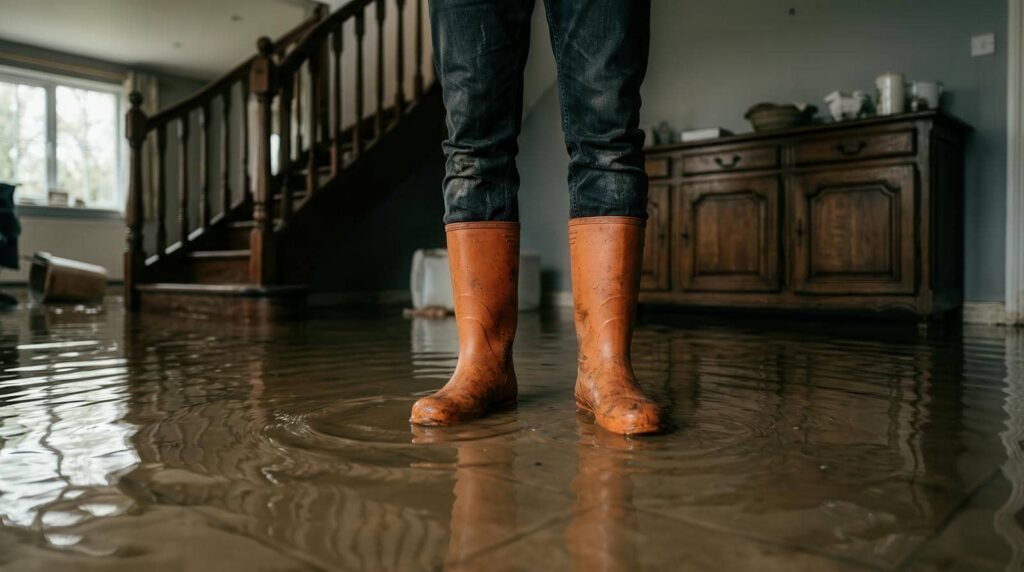
- Wear rubber boots, gloves, and eye protection, and inspect the area for gas, structural, or contamination hazards.
- Remove standing water with a submersible pump or wet/dry vacuum, discharging water away from the foundation.
- Dry the basement with fans and dehumidifiers after removing wet materials like baseboards and insulation.
- Check floors, walls, and joists for damage, and call a professional for deep flooding or recurring water issues.
Start Flooded Basement Water Extraction Safely
Before you begin flooded basement water extraction, turn off electricity to the affected area at the main breaker if it’s safe to do so, and keep out of standing water until you confirm the power is disconnected.
You’ll protect yourself by wearing rubber boots, gloves, and eye protection before entering the space.
Inspect the room from the doorway, note hazards, and document damage for your records.
Place your emergency kit near the entrance so you can work without unnecessary trips.
Move lightweight items to dry ground, but avoid lifting anything that feels unstable or saturated.
Follow all safety precautions, and ventilate the basement if conditions allow.
If you smell gas, see structural damage, or feel unsure, step back and wait for qualified help.
You’re not alone in this process.
Shut Off Power and Stop the Leak
First, you should kill basement power at the main breaker to reduce electrical shock risk around standing water.
Next, locate the leak source by inspecting pipes, foundation penetrations, and appliances so you can identify the failure point.
Then stop further water entry by shutting off the supply valve, applying a temporary seal, or isolating the affected line.
Kill Basement Power
If water is reaching basement outlets, appliances, or your electrical panel, shut off power to the basement at the main breaker immediately and, if needed, call a licensed electrician to verify the system is safe.
You’re protecting yourself and everyone in your home by following essential safety precautions before you touch standing water. Treat every wet cord, outlet, and device as an active electrical hazard, even if the room seems quiet.
Keep others out of the area, avoid metal tools, and don’t stand in water while operating switches. If you can’t reach the panel safely, wait for professional help.
After power is off, confirm that no circuits remain energized before any extraction begins. Your crew’s safety depends on disciplined, immediate action, not guesswork or shortcuts.
Locate Leak Source
Once the basement is de-energized, trace the water entry point and stop the source as quickly as you can.
Start a methodical leak inspection at walls, floor joints, window wells, and utility penetrations. Use water detection tools, such as moisture meters or thermal imaging, to confirm active seepage and separate fresh intrusion from standing water.
If you spot a failed pipe, valve, or appliance connection, shut off its local supply immediately. For seepage through foundation cracks, document the location and note flow rate, stain pattern, and temperature differences.
You’re not alone here; careful diagnostics help you protect the space and guide the next recovery steps. Keep your focus narrow, verify each suspect area, and avoid unnecessary disturbance so you can pinpoint the source with confidence.
Prevent Further Water Entry
Before you touch any standing water, shut off power to the basement at the main breaker if it’s safe to do so, and keep everyone out of the area until the circuit is confirmed de-energized.
You then need to stop incoming water at the source. Close the supply valve if a burst pipe is feeding the flood, and contact a licensed plumber for active leaks.
If groundwater is entering, place sandbags or other water barriers at entry points, and route runoff away from the foundation.
Check gutters, downspouts, and sump systems; clear blockages so drainage solutions can work effectively.
If water is rising quickly, move essentials to higher ground and document conditions for your insurance claim.
Acting fast protects your space and helps your household stay safe and coordinated.
Pump Out Standing Water
Start pumping out standing water as soon as you can safely access the basement, using a submersible pump, utility pump, or wet/dry vacuum suited to the water depth.
Position the discharge hose outdoors and away from the foundation, then begin water removal in stages so you don’t stress the structure.
If you already have a sump pump, verify that it’s working before you rely on it.
Watch the water level and your equipment’s capacity, and keep cords and plugs dry.
If the pump loses prime or clogs, shut it off and clear the intake.
Work steadily with your crew, because coordinated pumping helps you reclaim the space faster and reduces the chance of additional damage.
Use a Wet Vac for Remaining Water
When the water level drops to a shallow layer, use a wet/dry vacuum to remove the remaining water from floors, corners, and low spots.
You’ll work faster if you move methodically in overlapping passes and empty the tank before it reaches capacity. Keep the nozzle flat for stronger pickup and check crevices where water hides.
These wet vac tips help you finish the cleanup without spreading moisture back across the basement. Use the correct filter, verify that the unit is rated for liquid, and extend the hose to reach tight areas safely.
This step supports reliable water extraction techniques and helps you regain control of the space with your crew, reducing residual dampness and preparing the area for drying equipment.
Save Furniture and Valuables Fast
You should move valuables out of the flooded area first, starting with electronics, documents, and other moisture-sensitive items.
Next, raise furniture on blocks, plastic sheeting, or sturdy supports to keep it above any remaining water.
Act quickly, because every minute of exposure increases the risk of staining, swelling, and structural damage.
Move Valuables First
Before you pump out standing water, move anything that can be damaged quickly, beginning with furniture, electronics, documents, and stored valuables. A quick assessment lets you prioritize valuables protection and reduce irreversible loss.
Work fast, but stay organized so you and your team can keep control of the space.
- Gather passports, contracts, photos, and cash first.
- Remove small electronics and battery-powered devices next.
- Place fragile items in a dry, secure staging area.
You’ll protect more by acting in a clear sequence than by rushing randomly. Keep pathways open, track what you’ve removed, and check each item for contamination before storing it elsewhere.
This approach helps your cleanup crew work efficiently and keeps your household or business moving forward together.
Elevate Furniture Quickly
Once valuables are out of the way, raise furniture on blocks, plastic crates, or pallet jacks to keep legs, upholstery, and finishes out of the water.
You should do a quick assessment before lifting: check weight, stability, and any electrical connections nearby. Work with a partner so you can move fast without twisting frames or straining yourself.
If you can’t lift an item safely, slide nonabsorbent supports under each corner and maintain even weight distribution.
Prioritize furniture protection by separating wood from standing water and by placing foil or plastic barriers between damp surfaces and supports.
Keep pathways clear so your team can stay coordinated and confident.
After elevation, mark which pieces need drying, cleaning, or professional restoration.
Check for Sewage and Contamination
If the floodwater smells foul, appears dark or cloudy, or came from a drain, toilet, or sewer line, treat it as contaminated and avoid direct contact. You should perform a quick sewage assessment before you resume any cleanup, because contamination prevention starts with identifying the source.
Wear gloves, boots, and eye protection, then isolate the area so no one else enters.
- Look for visible waste, grease, or paper residue.
- Note any backups from floor drains or fixtures.
- Discard absorbent items that touched the water.
Use sealed containers for debris and wash exposed skin immediately after exit. If you’re unsure, contact a licensed restoration professional or local health authority.
When you verify the hazard early, you protect your team and keep the recovery process on track.
Dry Walls, Floors, and Hidden Spaces
After water extraction, you need to dry walls, floors, and hidden spaces quickly to limit mold growth and structural damage.
Start with a moisture assessment using a meter to verify saturation in drywall, trim, subfloors, and cavities around baseplates and framing. Remove wet baseboards, insulation, and any finish materials that trap water.
Open access points so air can reach enclosed spaces, and check corners, under stairs, and utility chases. Clean exposed surfaces to reduce residue, then apply wall treatment to any salvageable materials according to product instructions.
Keep pathways clear so you can inspect progress daily. If you find swelling, softness, or persistent dampness, document it and continue drying until readings stabilize.
You’re protecting your home and helping your crew stay on track.
Set Up Fans and Dehumidifiers
Place fans to move air across wet surfaces and position dehumidifiers in the most humid areas to pull moisture from the room. You’ll speed evaporation when you optimize fan placement and keep airflow unobstructed.
Use dehumidifier settings that match the basement’s temperature and moisture load, and empty or drain the unit as needed.
- Aim fans toward damp zones, not directly into corners.
- Close exterior openings so the system works efficiently.
- Run equipment continuously until humidity drops.
You’re part of a team that restores the space methodically, so monitor noise, power cords, and water collection.
Rotate equipment if needed to maintain even coverage. Proper circulation lowers lingering dampness, reduces odors, and prepares you for the next cleanup step without wasting time or effort.
Check Floors, Walls, and Joists
Inspect the basement’s floors, walls, and joists for visible damage before you move on. You should note cracks, warping, staining, peeling paint, or soft spots that suggest water intrusion.
Run your hand along surfaces to confirm what you see, and use a flashlight to inspect joints and edges. If the floor feels spongy or the wall surface bulges, document it and keep those areas open to airflow.
Check wooden joists for discoloration, splitting, or sagging, since these signs can indicate weakened structure.
Careful inspection supports moisture control and mold prevention by helping you track where dampness remains. When you stay methodical, you protect your space and help your household recover with confidence, clarity, and shared purpose.
When to Call a Flooded Basement Water Extraction Pro
If the flooding is deep, the water keeps returning, or you suspect sewage, electrical, or structural damage, you should call a flooded basement water extraction pro right away. You’ll protect your home and stay aligned with best practices.
Standing water above a few inches can hide hazards and worsen flood damage.
A professional assessment can identify contamination, compromised wiring, and hidden moisture.
Rapid extraction reduces mold growth and helps document losses for insurance.
When you need reliable support, a pro brings industrial pumps, moisture meters, and sanitation controls that you can’t match with DIY tools.
You’ll also get clear guidance on drying timelines, repair priorities, and safe reentry. That expertise helps you act fast, avoid costly mistakes, and restore your basement with confidence.
Frequently Asked Questions
How Soon Should Insurance Be Notified After Basement Flooding?
You should notify your insurer immediately, ideally within 24 hours, so you can protect insurance coverage and start the claim process fast. You’ll fit the requirements better, document damage, and avoid delays.
What Items Should Never Be Stored in a Flooded Basement?
You shouldn’t store electronics, paper records, chemicals, food, or textiles in a flooded basement; safety and disaster can’t coexist. For flood safety and basement remediation, you’ll need to remove these items immediately, then inspect carefully.
Can Floodwater Damage a Home’s Foundation Permanently?
Yes, floodwater can permanently damage your home’s foundation, causing settling, cracking, and soil movement. You’ll need prompt foundation repair to limit long term effects and protect structural stability, especially if water pressure stays high.
How Do I Document Basement Flood Damage for Claims?
Take photos, videos, and timestamps immediately; inventory damaged items and note water levels. You’ll strengthen claims by following flood documentation tips and insurance claim procedures. A stitch in time saves nine, and you’ll fit right in.
What Permits Are Needed After Major Basement Water Extraction?
You’ll need permit types that your local building department, health office, and utility provider require; check extraction regulations first. You may need plumbing, electrical, demolition, or mold-remediation permits before you restart systems or dispose of wastewater.
Summary
In flooded basement water extraction, you need to act like a surgeon: shut off power, stop the leak, remove standing water, and dry every hidden space. Use pumps, wet vacs, fans, and dehumidifiers in sequence, and keep checking walls, floors, and joists for damage. Move valuables quickly, but never rush safety. If water is deep, contaminated, or structural damage appears, call a professional immediately to prevent mold, electrical hazards, and long-term loss.
Recent Posts
How to Prevent Mold After Drying
You might not realize that mold can start growing in hidden cavities before visible surfaces
Why Prevent Mold After Structural Drying?
After structural drying, you still need to prevent mold because hidden moisture can remain in
3 Best Mold Prevention Drying Tips
When moisture lingers, mold can start growing in less than 48 hours, so your drying