
Contents
After a flood, you need to act fast, or moisture can continue spreading behind walls and under floors. Structural drying after flooding should begin by checking for electrical and structural hazards before entering the area. Then, stop the water source, extract standing water, and use air movers and dehumidifiers to remove moisture from the structure. But visible water isn’t the whole problem, so identifying hidden moisture is critical to preventing further damage and getting the drying process right.
Key Takeaways
- Shut off power and inspect for unsafe framing, sagging ceilings, or standing water before starting any drying work.
- Stop the water source immediately, then remove standing water with pumps or wet vacuums.
- Use air movers and dehumidifiers to create strong airflow and pull moisture out of the structure.
- Check walls, floors, and hidden spaces with moisture meters or infrared cameras to find trapped water.
- Monitor moisture levels daily and adjust equipment to keep drying moving and prevent mold growth.
Check for Electrical and Structural Hazards
Before you start structural drying, check the area for electrical and structural hazards. You need to protect yourself and everyone on site before you enter, because wet materials can hide live circuits, weakened framing, and unstable surfaces.
Turn off power to affected rooms if you can do so safely, and never touch energized equipment with wet hands or standing water nearby. Inspect ceilings, walls, floors, and load-bearing members for sagging, cracking, or shifting that could signal reduced structural integrity.
Use proper PPE, test questionable outlets only with approved tools, and keep your team clear of damaged areas until you’ve confirmed electrical safety.
When you take these checks seriously, you help your crew work with confidence and stay ready for the drying tasks ahead.
Stop the Water Source and Begin Extraction
Once you’ve confirmed the area is safe, shut off the source of water right away and start extraction without delay.
You need to stop further intrusion before you lose more materials and create bigger losses. If you can isolate the supply at the main valve, do it; if not, call the responsible utility or building contact now.
Then move into water removal with the right extraction methods for the load you’re facing: pumps for standing water, wet vacuums for smaller pools, and weighted tools for carpet or pad recovery.
Work methodically from the most saturated zones to the edges so your team stays coordinated. Keep equipment moving, track what’s been removed, and document progress.
Fast extraction helps your crew stay aligned and keeps the job site under control.
Start Drying the Structure After Extraction
After extraction is complete, you need to start drying the structure immediately to prevent secondary damage and mold growth.
You should place air movers to create strong air circulation across wet surfaces, especially along baseboards, trim, and open cavities.
Set up dehumidifiers in the driest, central path so they can pull moisture from the air efficiently; smart dehumidifier placement speeds the whole drying cycle.
Keep doors open between affected rooms when possible, and use fans to move humid air toward the dehumidifiers.
You’re part of a crew that works fast, so check temperature and humidity often and adjust equipment as conditions change.
Remove standing moisture from surfaces, then keep the environment steady until moisture levels drop to target range.
Inspect Walls and Floors for Hidden Moisture
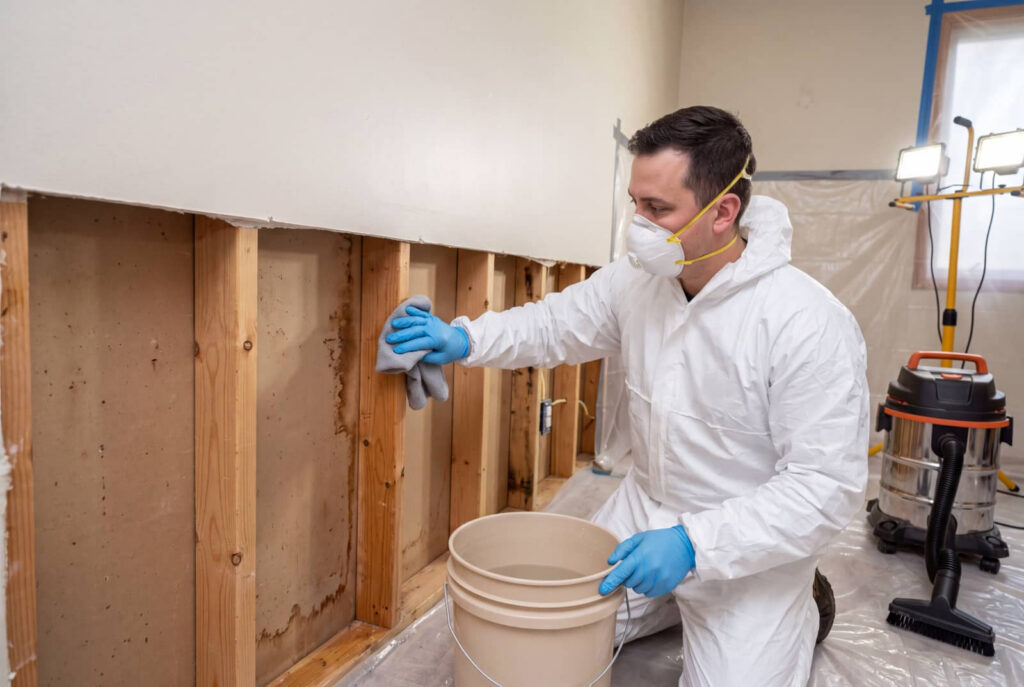
Check walls and floors for trapped moisture with a moisture meter, infrared camera, or other approved detection tool. You’ll verify hidden water in baseboards, drywall, subfloors, and framing before damage spreads.
Map readings across each room, then compare wet spots to adjacent dry areas. When moisture detection shows elevated levels, open small inspection points so you can confirm the extent without unnecessary demolition.
Pay close attention to wall materials that absorb water differently, such as gypsum board, plaster, and wood trim. Use consistent spacing and record results so your team stays aligned.
You’re not just checking surfaces; you’re protecting the structure and the people who’ll return to it. Keep your findings organized, and move methodically through every affected section.
Monitor Drying Progress to Prevent Mold
As drying begins, track moisture readings at the same locations every day so you can see whether materials are actually improving. Log wall, floor, and framing values, then compare them with the dry standard for each material.
Keep dehumidifiers, air movers, and ventilation adjusted to hold humidity levels in the target range, because stable conditions speed evaporation and support mold prevention. If readings stall for 24 hours, check for trapped moisture, wet insulation, or poor airflow.
You’ll know you’re making progress when readings drop steadily and surfaces feel cool, not damp. Stay consistent, share the log with your team, and don’t remove equipment too soon.
Careful monitoring helps your crew finish strong and keeps the structure safe for everyone.
Frequently Asked Questions
How Soon Should Insurance Claims Be Filed After Flood Damage?
You should file your flood claim immediately, ideally within 24 to 48 hours, because flood claim timelines vary by insurer and policy. Check your insurance policy specifics fast, so you stay protected and connected.
Which Belongings Can Usually Be Salvaged After Structural Flooding?
You can usually salvage hard, nonporous items: metal furniture, sealed wood, glass, and some electronics after electronics salvage; furniture restoration may work if you dry them fast. Discard porous textiles, insulation, and soaked mattresses.
Do I Need Professional Help for Basement Flood Cleanup?
Yes, you may need professionals if water’s deep, contaminated, or mold appears. You can use cleanup techniques, but experts bring drying equipment and flood prevention advice, helping you protect your home and your community.
What Should I Document Before Cleanup Begins?
Like a forensic map, you should document damage assessment, photo evidence, waterlines, affected materials, odors, and utility shutoffs before cleanup begins. You’ll strengthen claims, guide repairs, and protect your team’s next steps.
How Can I Reduce Future Flood Damage to My Home?
You can reduce future flood damage by improving flood prevention: grade soil away from your foundation, install drainage solutions, seal cracks, elevate utilities, and maintain gutters and pumps so you’re prepared and protected.
Review
Flooding can lead to mold growth in as little as 24 to 48 hours, so you need to act fast. By checking for hazards, stopping the water source, extracting standing water, drying the structure, and verifying hidden moisture, you reduce damage and speed recovery. Keep monitoring humidity and adjust your equipment until materials stay cool and dry. If you stay consistent and thorough, you’ll give your building the best chance to dry safely.
Recent Posts
Structural Drying for Flooded Property Restoration
When water invades a structure, both speed and strategy matter. Flooded property restoration starts by
What Is Structural Drying After Flooding
The majority of flood damage problems can worsen when moisture remains trapped in building materials,
5 Best Structural Drying Services for Flood Recovery
When floodwater hits, your building can feel like a sponge left in a storm. You