
Contents
When your Commercial Flooded Basement floods, you need to act fast to limit mold and structural damage. First, stop the water source and secure the area, then pump out standing water without delay. Next, inspect for hidden damage, dry every surface aggressively, and contain contaminated zones before spores spread. If you handle cleanup, disinfection, and prevention in the right order, you’ll avoid costly setbacks—and there’s one step that most teams miss.
Key Takeaways
- Shut off water, inspect for hazards, and restrict basement access before cleanup begins.
- Pump out standing water quickly, documenting depth, extraction time, and equipment performance.
- Remove damp debris, clean hard surfaces, and use HEPA containment to prevent mold spread.
- Wear proper PPE, including gloves, eye protection, and respiratory protection when needed.
- Dry, dehumidify, and ventilate continuously while keeping humidity below 60% to limit mold growth.
Stop Water and Secure the Basement
Before you do anything else, stop the water source and make the basement safe to enter. Shut off the main valve, isolate failed appliances, and lock out electrical circuits if water has reached outlets or equipment.
You and your team should inspect for structural instability, gas odors, and contamination before anyone steps in. Place warning tape, post access limits, and use water barriers to redirect any incoming seepage.
If your building has sump pumps, confirm they’re powered and not jammed, but don’t rely on them alone until the area is secured. Move documents, stock, and tools to higher ground.
Keep everyone aligned on the plan, because a controlled response protects your crew, reduces losses, and creates the conditions for effective mold remediation.
Pump Out Standing Water Quickly
You should pump out standing water as soon as it’s safe, using a submersible pump or wet vac sized for the flood volume.
Rapid water extraction limits structural damage to walls, flooring, and insulation, and it cuts the time moisture has to spread into hidden materials.
The faster you remove the water, the less likely mold can take hold and begin growing.
Rapid Water Extraction
Act quickly to pump out standing water as soon as it’s safe, because prolonged moisture accelerates mold growth and increases damage to framing, drywall, and finishes.
You should deploy reliable water removal techniques, including submersible pumps, wet vacs, and truck-mounted extractors, to restore control fast.
Coordinate your emergency response strategies so your team can isolate the affected zone, verify power shutdown, and start extraction in a logical sequence.
Keep hoses routed to approved discharge points and monitor flow continuously for clogs or recirculation.
When you act with your crew in a disciplined way, you protect the space and support a faster, cleaner remediation outcome.
Document water depth, extraction time, and equipment performance so you can verify progress and stay aligned with your remediation team.
Prevent Secondary Damage
Once the initial hazards are controlled, pump out standing water immediately to reduce secondary damage to framing, insulation, drywall, and flooring. You should move fast with submersible pumps, wet vacs, or truck-mounted extraction, and route discharge away from the building.
Protect your team by shutting off affected circuits and using PPE. As water level drops, inspect trapped cavities, base plates, and low wall sections so you can address hidden saturation before it spreads.
Pair extraction with ventilation strategies that exchange damp indoor air, and keep humidity control measures active to limit moisture migration into materials.
In a commercial basement, every minute counts, and your crew’s speed helps preserve structural integrity, shorten downtime, and keep the space ready for coordinated remediation.
Reduce Mold Growth
Standing water creates the ideal conditions for mold, so fast extraction is one of the most effective ways to limit growth after a basement flood. You should pump out water immediately with a submersible pump or wet vac, starting in the deepest area and working outward to avoid stressing walls.
Once the bulk water’s gone, remove damp debris, sanitize hard surfaces, and document affected zones for your team. Pair this with mold prevention strategies such as rapid drying, dehumidification, and moisture monitoring.
Don’t forget ventilation improvements: open access points, run exhaust fans, and keep air moving to lower humidity. When you act quickly and consistently, you protect the building, reduce remediation costs, and keep your crew aligned on the same recovery plan.
Check for Damage and Mold Risk
Inspect the basement for structural damage, including warped framing, cracked concrete, loosened panels, and compromised insulation.
You should also identify any materials that stayed wet long enough to support mold growth, especially drywall, carpet, wood, and stored contents.
If you find damage or persistent moisture, mark the affected areas so you can prioritize removal, drying, and remediation.
Assess Structural Damage
Before you start cleanup, check the basement structure for damage that can trap moisture and feed mold growth. You need to inspect walls, slab joints, beams, and columns for cracking, bowing, spalling, or shifting.
Verify foundation integrity by looking for new gaps, uneven floors, and stuck doors above the flood zone. If you see movement, call a qualified structural professional before you proceed.
Document every defect with photos and notes so your team can coordinate repairs and keep everyone on the same page.
Remove standing water only after you’ve confirmed the structure can support safe access. Then prioritize moisture control by opening access points, improving drainage paths, and isolating damaged materials.
This approach protects the building, your crew, and the rest of the property.
Identify Mold Growth Risk
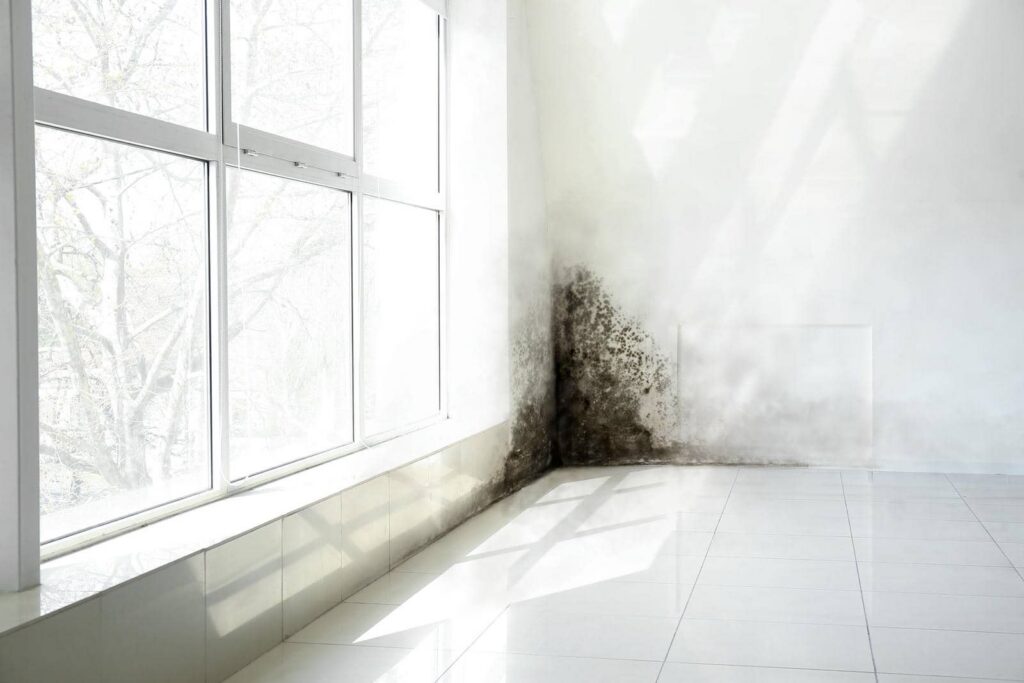
With the structure confirmed, you can focus on where mold is most likely to take hold. Inspect wall cavities, insulation, carpet backing, baseboards, and stored contents for visible growth, staining, and musty odor.
Prioritize areas near moisture sources such as cracked slabs, failed drains, sump pits, plumbing leaks, and condensation on cold surfaces. Different mold types can develop fast after flooding, and porous materials often hide colonies before you see them.
Document affected zones with photos and notes so your team can track patterns and plan removal. If you find widespread discoloration, soft drywall, or persistent dampness, treat the area as high risk and isolate it.
Quick, disciplined checking helps your crew stay safe and move together toward a clean, dry workspace.
Dry Basement Walls, Floors, and Air
Once the water is out, you need to dry the basement fast to stop mold from taking hold. You should remove standing moisture from walls and floors with squeegees, wet vacs, and absorbent towels, then run dehumidifiers continuously.
Keep humidity control below 60%, so surfaces can’t stay damp. Open access points and use ventilation systems to move dry air across concrete, masonry, and framing, but don’t rely on outdoor air if it’s humid.
Lift wet materials off the floor so air can reach both sides. Check hidden pockets around baseplates, joints, and corners with a moisture meter.
Keep equipment running until readings stabilize and the space feels dry. When you work methodically, you protect your building team and create a safer recovery environment.
Contain Basement Mold Before It Spreads
As the basement dries, you need to stop any mold that’s already present from spreading to clean areas. Seal off the affected zone with plastic sheeting and tape, and keep doors shut to isolate airflow.
Run negative air pressure or a HEPA-filtered air scrubber if you have one, because these mold containment strategies help protect adjacent rooms and support better air quality.
You should also limit traffic through the space, wear disposable gloves and a respirator, and remove shoes or coveralls before crossing into cleaner areas.
Bag debris at the exit point and keep supplies outside the containment boundary.
If you’re working with a team, assign one entry path and one exit path so everyone stays aligned and the cleanup stays controlled.
Clean and Disinfect Flooded Materials
Scrub hard surfaces with detergent and water first, then disinfect them after you remove all visible mud, silt, and debris.
You should work in small sections so you can keep control of the cleanup and protect your team’s space. Use clean cloths, mops, and brushes, and rinse often to avoid spreading mold spores to unaffected areas.
For nonporous materials, apply disinfecting agents exactly as the label directs and keep the surface wet for the required contact time. If an item stays damp, porous, or smells strongly of decay, remove it from service and document it for disposal.
Wear gloves, eye protection, and respiratory protection when needed.
When you clean methodically, you help your crew stay aligned, efficient, and safe.
Prevent Future Basement Flooding and Mold
To prevent another flood and stop mold from returning, inspect the basement for the water source and correct it before you rebuild.
You should grade soil away from the foundation, clear gutters, and extend downspouts so runoff leaves the building.
Add drainage solutions such as interior French drains, sump pumps with battery backup, and backflow preventers to control seepage during storms.
Seal foundation cracks, apply waterproofing techniques to walls and slab joints, and install a vapor barrier where moisture migration persists.
Keep humidity below 60% with dehumidifiers and continuous ventilation.
Check plumbing, window wells, and floor drains on a schedule.
When your team follows these steps together, you protect the space, strengthen trust, and create a safer basement that stays dry longer.
Frequently Asked Questions
How Long Does Commercial Mold Remediation Usually Take After Flooding?
You’ll usually need 3-10 days, but the mold growth timeline and remediation factors can stretch work to 2-3 weeks. You’ll belong with a fast, documented team that dries, removes, cleans, and verifies thoroughly.
When Should a Professional Mold Inspector Be Hired?
You should hire a professional mold inspector as soon as you notice signs mold growth, or after any water intrusion. Mold inspection importance is highest when you need documented findings, targeted testing, and trusted next steps.
Can Employees Stay in the Building During Remediation?
Usually, you shouldn’t keep employees inside during remediation unless you’ve isolated the area and verified air quality. Prioritize employee safety, follow remediation procedures, and communicate clearly so your team feels protected and included.
Are Mold Remediation Costs Covered by Commercial Insurance?
Usually, yes—you can get mold insurance coverage, but only if your remediation policy details include sudden water damage and exclude maintenance neglect. You should review limits, deductibles, and documentation requirements with your insurer quickly.
What Certifications Should a Commercial Mold Contractor Have?
You should choose a contractor with IICRC, OSHA, and state mold licenses; these mold contractor qualifications show they follow mold remediation standards, protect your team, and help you feel confident you’re hiring the right professionals.
Review
You’ve got to move fast when a commercial basement floods, or mold will spread like a silent wildfire. Shut off water, extract standing water, dry every surface, and contain the area with plastic sheeting and negative air pressure. Remove damaged materials, disinfect what’s left, and wear proper PPE throughout. Then inspect drainage systems and document everything. If you act with discipline now, you’ll stop mold before it takes root and keeps coming back.
Recent Posts
Structural Drying for Flooded Property Restoration
When water invades a structure, both speed and strategy matter. Flooded property restoration starts by
What Is Structural Drying After Flooding
The majority of flood damage problems can worsen when moisture remains trapped in building materials,
5 Tips for Structural Drying After Flooding
After a flood, you need to act fast, or moisture can continue spreading behind walls