
Contents
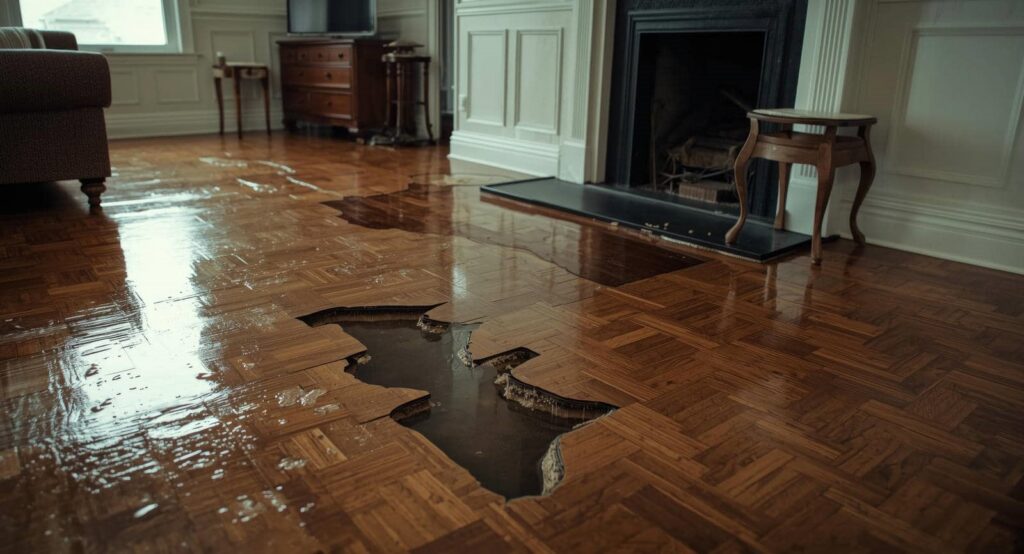
Most people underestimate how quickly mold can start growing after water damage, often within 24 to 48 hours. It’s vital to act promptly to mitigate long-term issues. There are several post-water damage effective strategies you can implement to prevent the aftermath of water damage from escalating. By understanding these essential tips, you can safeguard your property and health. Let’s explore what you need to know to stay ahead of potential problems.
Key Takeaways
- Act quickly to remove standing water using appropriate tools to minimize damage and prevent mold growth.
- Ensure proper ventilation by promoting airflow and keeping vents clear in affected areas.
- Regularly inspect plumbing for leaks and address any issues immediately to prevent further damage.
- Clean and disinfect all surfaces thoroughly to eliminate moisture and contaminants.
- Consider hiring professionals for a comprehensive assessment and long-term prevention strategies against potential issues.
Act Quickly to Remove Standing Water
When water damage strikes, time is of the essence—acting quickly to remove standing water can greatly reduce the risk of further complications. You need to prioritize efficient water removal to mitigate damage and prevent mold growth.
Begin by evaluating the severity of the situation; if the standing water is minimal, use a wet/dry vacuum or towels to soak it up. For larger amounts, consider renting a pump or contacting professionals for assistance.
Ensure you’re wearing protective gear to safeguard against contaminants. Once you’ve removed the water, focus on drying the area thoroughly—this includes carpets, furniture, and walls.
Utilize fans and dehumidifiers to expedite the drying process. Remember, the longer standing water remains, the more challenges you’ll face, including structural damage and health risks.
Ensure Proper Ventilation in Affected Areas
To effectively combat the lingering effects of water damage, ensuring proper ventilation in affected areas is essential.
Start by evaluating your space and identifying areas with stagnant air. Implement airflow techniques, like opening windows and doors, to promote circulation. If the weather permits, natural ventilation can greatly reduce humidity levels.
Consider utilizing ventilation systems, such as exhaust fans, to enhance air exchange. These systems help expel moist air while drawing in drier air, creating an ideal environment for drying.
Keep vents clear and unobstructed to maximize airflow efficiency.
Regularly monitor the affected areas for signs of lingering moisture or mold growth. If you notice persistent dampness, you may need to re-evaluate your ventilation strategy.
Use Dehumidifiers to Reduce Moisture Levels
Using dehumidifiers can greatly reduce moisture levels in areas affected by water damage, especially when ventilation alone isn’t enough.
Proper dehumidifier placement is essential; position it in the most moisture-prone areas to maximize its effectiveness. This targeted approach enhances moisture absorption, ensuring that the dehumidifier works efficiently.
It’s important to monitor humidity levels during the drying process. Aim for a relative humidity of 30-50%.
Depending on the severity of the water damage, you may need to run the dehumidifier continuously for several days. Additionally, empty the water reservoir regularly or consider a model with a continuous drainage option to prevent overflow.
Inspect and Repair Plumbing Issues Promptly
To prevent further water damage, you need to identify leaks immediately.
Regularly checking water pressure and inspecting pipes for damage can help you catch issues early.
Prompt action on any plumbing concerns is essential for maintaining a safe and dry environment.
Identify Leaks Immediately
How can you guarantee your home remains safe from water damage? Start by prioritizing leak detection.
Regularly inspect plumbing fixtures, pipes, and appliances for signs of leaks, as even minor issues can escalate quickly. Use moisture sensors in areas prone to dampness, like basements or near water heaters. These devices alert you to any unusual moisture levels, allowing prompt action before damage occurs.
If you notice water stains, mold, or a sudden increase in your water bill, investigate immediately. Don’t wait—addressing leaks as soon as you identify them can save you significant repair costs and prevent structural damage.
Check Water Pressure Regularly
Regularly checking your water pressure is essential, as it can reveal underlying plumbing issues before they escalate into costly repairs.
Here are some key steps to help you maintain ideal water pressure through regular checks:
Use a Pressure Gauge: Attach a water pressure gauge to a faucet to measure the pressure accurately.
Check for Fluctuations: Monitor if the pressure varies considerably; consistent changes may indicate problems.
Inspect Fixtures: Look out for leaks or drips in faucets and pipes that could affect pressure.
Consult a Professional: If you notice persistent issues, don’t hesitate to call a plumber to assess the situation.
Inspect Pipes for Damage
After ensuring your water pressure is stable, the next step involves inspecting your pipes for any signs of damage.
Regular pipe inspection is essential to identify leaks, corrosion, or blockages that could lead to larger issues. Start by visually evaluating exposed pipes; look for rust, discoloration, or water accumulation.
If you suspect hidden leaks, consider using moisture meters or thermal imaging tools for a thorough damage evaluation.
Don’t hesitate to consult a professional plumber if you notice any concerning signs. Promptly addressing plumbing issues can save you from costly repairs down the line.
Clean and Disinfect All Surfaces Thoroughly
After addressing plumbing issues, it’s essential to clean and disinfect all surfaces effectively.
Use appropriate cleaning agents to eliminate moisture and prevent mold growth, especially in high-risk areas like kitchens and bathrooms.
Focus on these spots to guarantee a thorough and safe recovery from water damage.
Use Appropriate Cleaning Agents
When dealing with water damage, using appropriate cleaning agents is essential to confirm all surfaces are thoroughly cleaned and disinfected.
Selecting the right agents guarantees effective removal of contaminants. Here are four cleaning methods to evaluate:
Bleach Solution: Use a mixture of one cup of bleach with a gallon of water for non-porous surfaces.
Vinegar: This natural disinfectant can effectively kill mold and mildew on various surfaces.
Hydrogen Peroxide: Ideal for porous materials, it helps eliminate bacteria and viruses.
Commercial Cleaners: Opt for EPA-approved products designed specifically for water damage situations.
Focus on High-Risk Areas
High-risk areas in your home, such as kitchens, bathrooms, and basements, require immediate attention following water damage.
These zones are often prone to lingering moisture, which can lead to mold and mildew growth if not addressed quickly.
Start by thoroughly cleaning and disinfecting all surfaces. Use appropriate cleaning agents that tackle bacteria and fungi effectively.
Pay special attention to corners and hidden spots where moisture may accumulate.
Implement moisture management strategies, like ensuring proper ventilation and using dehumidifiers, to prevent future issues.
Regularly check these high-risk areas for any signs of water damage or excess moisture, ensuring a safe and healthy living environment for you and your loved ones.
Don’t let post-water damage problems linger; act decisively.
Monitor Humidity Levels Regularly
To prevent further complications from water damage, monitoring humidity levels regularly is crucial.
Proper humidity control not only safeguards your space but also promotes a healthier environment.
Here are key steps for effective moisture monitoring:
Use a Hygrometer: Invest in a reliable hygrometer to measure indoor humidity levels accurately.
Set Ideal Levels: Aim to maintain humidity between 30-50% to prevent mold growth and structural damage.
Check Frequently: Regularly check humidity levels, especially after heavy rain or flooding, to catch potential issues early.
Ventilate: Guarantee proper ventilation in high-moisture areas like bathrooms and kitchens, which helps maintain balanced humidity.
Consider Professional Water Damage Restoration Services
If you’ve experienced significant water damage, considering professional restoration services can be essential to effectively address the issue.
These experts specialize in water restoration, ensuring that your property is thoroughly assessed and treated. They’ll conduct a professional assessment to identify hidden damage, moisture levels, and potential mold growth, which can be detrimental to your health and property value.
Attempting to manage the aftermath on your own may lead to further complications.
Professionals have the right tools and techniques to extract water, dry out affected areas, and sanitize spaces to prevent future problems. Additionally, their experience allows them to recognize issues that might escape an untrained eye.
Frequently Asked Questions
How Can I Prevent Mold Growth After Water Damage?
To prevent mold growth after water damage, implement mold prevention strategies like maintaining humidity control below 50%. Use dehumidifiers, guarantee proper ventilation, and promptly address any leaks or damp areas to create a healthier environment.
What Items Should I Discard After Water Exposure?
After water exposure, discard damaged furniture and assess electronic devices for moisture. If they’ve been submerged or show signs of corrosion, it’s safer to replace them to prevent hazards and guarantee a healthy environment.
How Long Does It Take for Water Damage to Become Serious?
Water damage can escalate within 24 to 48 hours. Look for severity indicators like mold growth, musty odors, or structural issues. Tracking the water damage timeline is vital for effective mitigation and restoration efforts.
Are There Health Risks Associated With Water Damage?
Yes, there are health risks associated with water damage. You might encounter waterborne pathogens and respiratory issues, which can arise from mold growth and contaminated water, impacting your well-being and the health of those around you.
Can I Handle Water Damage Repairs Myself?
You can tackle DIY repairs like a captain steering a ship, but know your limits. If water damage is extensive, seeking professional assistance guarantees safety and quality, preventing future issues that could sink your efforts.
Review
By acting swiftly and following these essential tips, you can greatly reduce the risk of post-water damage issues. Did you know that mold can start growing within 24 to 48 hours if conditions are right? That’s why it’s vital to remove standing water, maintain proper ventilation, and use dehumidifiers. Regular inspections and prompt repairs are just as important. If problems persist, don’t hesitate to seek professional help to guarantee your home stays safe and dry long-term.
Recent Posts
Why Prevent Mold After Structural Drying?
After structural drying, you still need to prevent mold because hidden moisture can remain in
3 Best Mold Prevention Drying Tips
When moisture lingers, mold can start growing in less than 48 hours, so your drying
Structural Drying for Flooded Property Restoration
When water invades a structure, both speed and strategy matter. Flooded property restoration starts by