
Contents
When faced with mold, do you trust your own skills or the experts? Understanding the effectiveness of different remediation techniques can be essential for maintaining a healthy home. DIY methods might seem appealing for minor problems, but do they really address the root causes? On the other hand, professional services promise thoroughness and safety. The choice you make can markedly impact your living environment, so let’s explore both options to find the best approach.
Key Takeaways
- DIY methods like vinegar, baking soda, and hydrogen peroxide are effective for small mold issues and are cost-efficient for homeowners.
- Professional mold remediation services ensure thorough removal, using specialized equipment and expertise to handle significant infestations safely.
- Monitoring humidity levels and conducting regular inspections help prevent mold recurrence and identify moisture sources early.
- Utilizing moisture meters and air quality tests aids in assessing mold presence and evaluating the success of remediation efforts.
- Feedback from residents post-remediation provides insights into the effectiveness of techniques and areas needing improvement for future strategies.
Understanding Mold Growth and Its Hazards
Mold growth can develop quickly in environments with excess moisture, so understanding its hazards is vital for maintaining a healthy space.
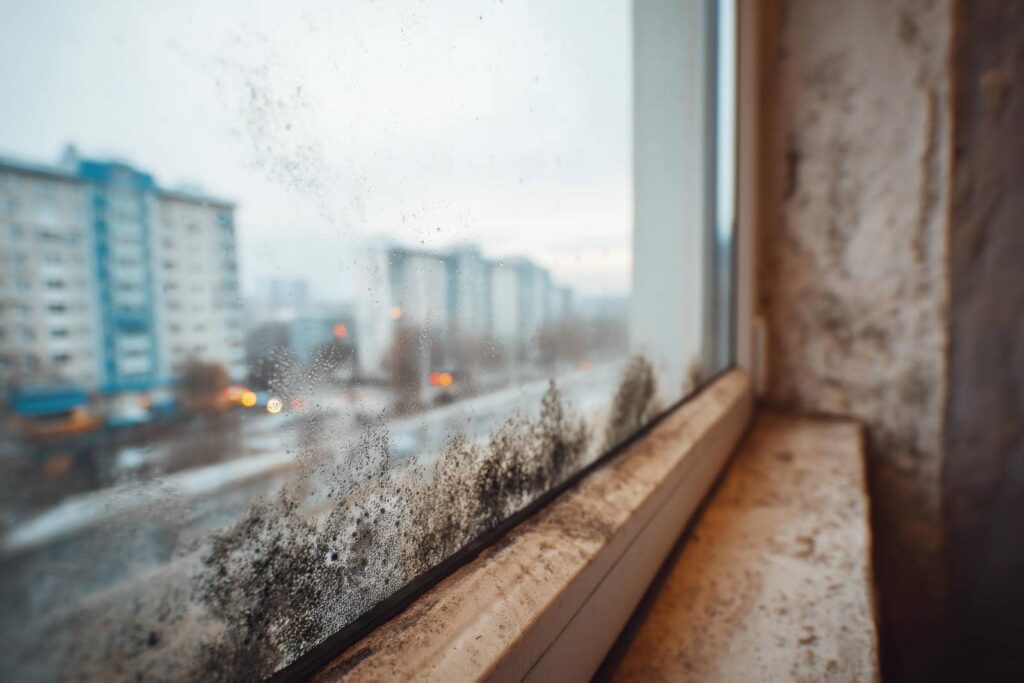
Mold releases spores that can trigger allergic reactions, respiratory issues, and other health complications. You mightn’t notice it at first, but the presence of mold can greatly impact your indoor air quality.
Prolonged exposure increases the risk of asthma and other respiratory diseases, especially in vulnerable populations like children and the elderly.
Additionally, mold can damage structures and possessions, leading to costly repairs. It thrives in damp, warm areas, making it important to monitor humidity levels in your home.
Regular inspections can help catch mold early, minimizing health risks and property damage. By being proactive, you create a safer environment for yourself and your loved ones, fostering a sense of belonging in your space.
Understanding mold’s hazards empowers you to take effective action against it.
Identifying the Source of Moisture
To effectively tackle mold remediation, you need to identify the source of moisture in your home.
Common sources include leaks, humidity, and poor ventilation, which require thorough inspection of key areas like basements and bathrooms.
Taking preventative measures now can greatly reduce the risk of mold growth in the future.
Common Moisture Sources
Identifying the source of moisture is essential in preventing mold growth and ensuring a healthy indoor environment.
Common moisture sources can lead to persistent issues if not addressed promptly. Here are some primary culprits you should be aware of:
Leaky pipes: Regularly inspect plumbing for signs of leaks.
Roof leaks: Check your roof and gutters for damage or blockages.
Humidity: High indoor humidity levels can stem from cooking or bathing without ventilation.
Flooding: Water intrusion from heavy rains or broken appliances can create an ideal breeding ground for mold.
Condensation: Poor insulation can result in moisture buildup on walls and windows.
Inspecting Home Areas
When you inspect various areas of your home for moisture, you can uncover hidden problems that contribute to mold growth. Start by checking common moisture hotspots like basements, bathrooms, and kitchens. Pay attention to leaks, condensation, and dampness. Here’s a simple guide to help you identify potential issues:
| Area | Signs of Moisture |
|---|---|
| Basement | Musty odors, water stains |
| Bathroom | Mold spots, peeling paint |
| Kitchen | Leaky pipes, wet cabinets |
| Attic | Damp insulation, wood rot |
Preventative Measures Needed
Understanding the source of moisture is crucial for effective mold prevention in your home. Identifying where excess moisture originates can help you take proactive steps.
Here are some common sources to investigate:
Leaky roofs: Regularly check for damaged shingles or flashings.
Plumbing issues: Inspect pipes for leaks, especially in hidden areas.
High humidity levels: Use dehumidifiers in damp rooms like basements.
Poor ventilation: Ensure proper airflow in kitchens and bathrooms by using exhaust fans.
Condensation: Monitor windows for moisture build-up, especially in colder months.
Safety Precautions for Homeowners
When tackling mold remediation, you must prioritize your safety by using appropriate personal protective equipment (PPE) like masks and gloves.
Proper ventilation is also essential to minimize exposure to mold spores during the process.
Personal Protective Equipment
Mold remediation can pose significant health risks, so using the right personal protective equipment (PPE) is essential for homeowners tackling this issue.
Proper PPE minimizes your exposure to mold spores and other harmful particles. Here’s what you should consider wearing:
- N95 respirator: Filters out 95% of airborne particles.
- Protective eyewear: Shields your eyes from irritants.
- Disposable gloves: Prevent skin contact with mold and cleaning agents.
- Long-sleeved clothing: Reduces skin exposure to contaminants.
- Boots or shoe covers: Keep your footwear clean and limit the spread of mold spores.
Ventilation Considerations
Proper ventilation plays an essential role in mold remediation, as it helps to control moisture levels and reduce the concentration of airborne spores. Ensuring proper airflow protects your home and enhances your family’s health. Here are key ventilation strategies you should consider:
| Ventilation Type | Benefits |
|---|---|
| Natural Ventilation | Cost-effective; uses outdoor air |
| Mechanical Ventilation | Consistent air exchange; controlled humidity |
| Exhaust Fans | Targeted moisture removal; reduces dampness |
| Dehumidifiers | Lowers humidity; prevents mold growth |
| Air Purifiers | Filters airborne spores; improves indoor air quality |
DIY Mold Removal Techniques
Tackling mold in your home can feel challenging, but with the right DIY techniques, you can effectively manage small infestations.
Here are some practical methods to take into account:
Vinegar Solution: Mix equal parts of water and white vinegar, spray on affected areas, and let it sit for at least an hour before wiping.
Baking Soda: Combine baking soda with water to create a paste, apply it to moldy spots, and scrub gently to remove the mold.
Hydrogen Peroxide: Use a 3% hydrogen peroxide solution, spray it on the mold, and allow it to sit for 10 minutes before scrubbing.
Essential Oils: Tea tree oil mixed with water can act as a natural fungicide; spray it on the mold and let it dry without rinsing.
Regular Cleaning: Keep surfaces dry and clean to prevent mold recurrence, especially in high-humidity areas.
Professional Mold Remediation Services
When dealing with significant mold infestations, enlisting professional mold remediation services can be essential for ensuring a thorough and safe removal process.
Professionals possess the expertise, specialized equipment, and industry knowledge to assess the extent of the contamination accurately. They follow established protocols, ensuring that mold is superficially cleaned and completely eradicated, minimizing the risk of recurrence.
Additionally, these services often include air quality testing to identify hidden spores and assess the effectiveness of the remediation.
This data-driven approach addresses your immediate concerns and enhances your home’s overall safety and comfort.
Preventative Measures to Avoid Future Mold
After addressing existing mold issues with professional remediation services, it’s essential to implement preventative measures to avoid future infestations.
By taking proactive steps, you can create an environment that discourages mold growth. Here are five key measures to keep in mind:
Control Humidity Levels: Keep indoor humidity below 60% using dehumidifiers and air conditioners.
Ensure Proper Ventilation: Use exhaust fans in kitchens and bathrooms to expel moisture-laden air.
Inspect and Repair Leaks: Regularly check for leaks in roofs, pipes, and walls, addressing them promptly.
Use Mold-Resistant Products: When renovating, opt for mold-resistant drywall and paint to reduce risk.
Regular Cleaning: Clean and dry any damp areas within 24-48 hours to prevent mold spores from settling.
Evaluating the Effectiveness of Remediation Methods
How can you truly assess the effectiveness of mold remediation methods? Start by measuring mold levels before and after treatment. Use reliable tools, like moisture meters and air quality tests, to gather data. Comparing these readings helps you understand if the remediation was successful.
Next, consider the longevity of the results. Effective methods should eliminate visible mold and prevent future growth. Look for signs of recurrence, such as dampness or discoloration, within a few months after remediation.
In addition, check for compliance with industry standards. Adhering to guidelines from reputable organizations ensures that the methods used are effective and safe.
Lastly, gather feedback from occupants. Their experiences can provide insight into the overall effectiveness of the remediation process.
Summary
Whether you tackle mold with DIY methods or call in the pros, addressing the issue is essential for a healthy home. DIY solutions are great for minor infestations, but for significant problems, professional services can be a game-changer, restoring your space to pristine condition. Remember, prevention is key; implementing safeguards can keep your home mold-free. Ultimately, when it comes to mold remediation, you want to be as thorough as a detective solving a mystery!
Recent Posts
What Are Best Practices for Commercial Mold Inspection?
When it comes to commercial mold inspection, understanding the implications of mold growth is vital
What Are Effective Mold Remediation Techniques?
When it comes to mold remediation, understanding the root causes and effective techniques is vital.
Top 3 Mold Remediation Techniques After Water Damage
After experiencing water damage, addressing mold growth promptly is vital. You’ll need to start by