
Contents
After a flood, you may find yourself facing an unwelcome guest: mold. It’s vital to tackle this issue swiftly and methodically. Start by evaluating the extent of mold growth in your home. You’ll need to check every nook and cranny for signs of its presence. But how do you ensure you’re effectively managing this challenge without risking your health or safety? Understanding the essential steps is key to successful mold removal.
Key Takeaways
- Assess the extent of mold growth by inspecting visible areas and using a moisture meter for readings above 20%.
- Wear protective gear, including an N95 mask, goggles, gloves, and boots before handling contaminated materials.
- Seal off affected areas with airtight barriers and extract standing water promptly using pumps or wet vacuums.
- Remove and discard contaminated materials like drywall, carpets, and insulation that retain moisture.
- Use EPA-registered mold removers and maintain indoor humidity below 60% to prevent future growth.
Assessing the Extent of Mold Growth
When you assess the extent of mold growth after a flood, it’s vital to act quickly, as mold can spread rapidly in damp environments.
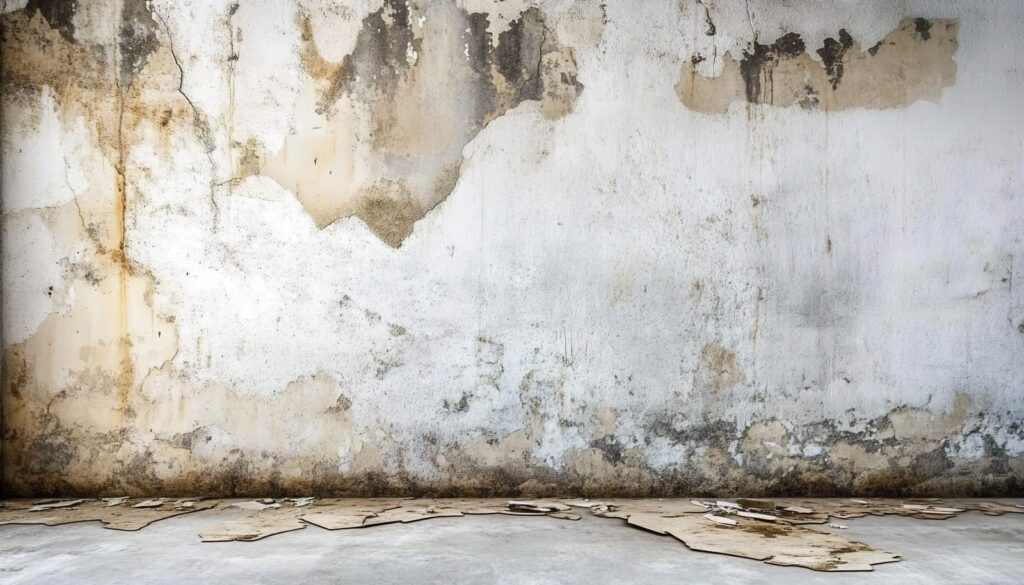
Start by inspecting all affected areas, focusing on walls, ceilings, and floors. Look for visible signs of mold, such as discoloration or fuzzy patches.
Don’t forget to check hidden spaces like behind appliances and inside cabinets, where moisture might linger.
Use a moisture meter to gauge dampness levels; readings above 20% often indicate mold risk. Pay attention to musty odors, which can signal hidden mold growth.
Document your findings with photos and notes, as this information will be important if you need professional help.
After your assessment, prioritize areas with significant growth for immediate action.
Ensuring Personal Safety and Protective Gear
Before you begin mold removal, it’s crucial to prioritize your safety by wearing the appropriate protective gear.
Start with a high-quality face mask or respirator to filter out harmful mold spores. Verify it’s rated N95 or higher for maximum protection.
Next, wear protective goggles to shield your eyes from irritants and debris. Long gloves, ideally rubber or nitrile, will keep your skin safe from mold and any cleaning agents.
Consider donning a full-body suit, especially if you’re dealing with extensive mold growth. This protects your clothing and minimizes skin exposure.
Finally, make certain to wear sturdy, closed-toe boots to avoid slipping or injury in damp areas.
Containing the Affected Areas
To effectively contain mold growth, you need to seal off affected areas immediately.
Use plastic barriers to isolate these zones and prevent spores from spreading to unaffected spaces.
Limiting airflow movement is essential for maintaining control over the situation and minimizing contamination.
Seal Off Affected Zones
As you begin the mold removal process after a flood, sealing off affected zones is essential to prevent the spread of spores.
Start by identifying all areas impacted by moisture and visible mold growth. Use airtight doors or heavy-duty tarps to block entrances, ensuring no air circulation can carry spores to unaffected areas. It’s critical to maintain a controlled environment for effective remediation.
Additionally, close windows and vents to minimize airflow. If possible, create a dedicated exit for waste disposal, preventing cross-contamination.
Use Plastic Barriers
Using plastic barriers is an important step in containing affected areas during mold removal after a flood. By setting up these barriers, you create a controlled environment that limits the spread of mold spores.
First, make certain you have heavy-duty plastic sheeting and duct tape. Seal off doors, windows, and vents leading to unaffected areas to prevent contamination. Make sure the plastic extends to the floor and is securely fastened to avoid any gaps.
This method protects other parts of your home and allows you to focus on the affected areas without distractions. It’s a vital measure that promotes safety and efficiency in your mold removal process, fostering a healthier living space for you and your loved ones.
Limit Airflow Movement
While it may be tempting to open windows or use fans for ventilation, limiting airflow movement is essential when containing areas affected by mold after a flood.
Increased airflow can spread mold spores to unaffected areas, complicating cleanup efforts. Here are some effective ways to limit airflow:
- Seal off doors and windows with plastic sheeting.
- Use damp cloths to cover vents and registers.
- Turn off HVAC systems to prevent circulation.
- Create a negative air pressure environment by using air scrubbers.
Removing Water and Moisture
To effectively combat mold growth after a flood, promptly removing water and moisture is essential.
Begin by evaluating the affected areas and using pumps or wet vacuums to extract standing water. Pay attention to hidden pockets of moisture, as mold thrives in damp environments. Dehumidifiers can greatly help; place them strategically throughout the space to reduce humidity levels.
Make sure you’re ventilating the area as much as possible, opening windows and using fans to encourage airflow.
If you’re dealing with porous materials, like carpets or drywall, they may need to be discarded, as they can retain moisture.
Remember to wear protective gear, including gloves and masks, while you work. The quicker you act, the better your chances are of preventing mold from taking hold.
This proactive approach safeguards your environment and fosters a sense of community as you take steps toward restoration together.
Identifying and Removing Contaminated Materials
After successfully removing water and moisture, the next step is identifying and removing contaminated materials that could harbor mold. This process is essential for ensuring a safe and healthy environment.
Begin by inspecting areas affected by flooding and look for materials that have absorbed water.
Consider these common contaminated materials:
- Drywall: Often soaks up water and can become a breeding ground for mold.
- Carpet and Padding: If saturated, they should be removed as they’re difficult to dry thoroughly.
- Insulation: Fiberglass insulation may need to be replaced if it gets wet.
- Wood and Furniture: Check for signs of warping or discoloration, indicating moisture retention.
Once you identify these materials, remove them promptly. This proactive approach helps prevent mold growth and protects your home and health.
Cleaning and Disinfecting Surfaces
To effectively clean and disinfect surfaces after a flood, you need the right supplies and techniques.
Start by gathering essential cleaning materials like detergents, disinfectants, and protective gear.
Then, implement effective disinfection methods to ensure all surfaces are free from mold and contaminants.
Essential Cleaning Supplies
As you tackle mold removal post-flood, having the right cleaning supplies is essential for effectively disinfecting surfaces.
The right tools help you eliminate mold and ensure a safe environment for you and your loved ones.
Here’s what you need to gather:
- Protective gear: gloves, masks, and goggles to keep you safe.
- Mold cleaner: a solution specifically designed to target and kill mold spores.
- Scrub brushes: varying sizes for both large and small surfaces.
- Disinfectant: a powerful product to sanitize surfaces after mold removal.
Effective Disinfection Techniques
While mold removal is essential, effective disinfection techniques ensure that surfaces are clean and safe from future infestations.
Start by using a mixture of water and a suitable disinfectant, like bleach or hydrogen peroxide, ensuring you follow the manufacturer’s guidelines for dilution. Apply this solution on all affected surfaces, including walls, floors, and furniture. Scrub vigorously to eliminate any remaining spores.
Afterward, rinse surfaces with clean water to remove residues. Don’t forget high-touch areas, like doorknobs and light switches.
After disinfection, allow surfaces to dry completely; moisture can lead to mold regrowth. By adhering to these techniques, you foster a healthier environment, reassuring everyone that your space is safe and welcoming.
Using Mold Removal Products Effectively
When tackling mold removal after a flood, it’s crucial to choose the right products and apply them properly to ensure effectiveness.
Start by selecting mold removal solutions that are appropriate for your specific situation; this helps ascertain you’re targeting the right type of mold.
Here are some effective products to take into account:
- EPA-registered mold removers: These are specifically designed to kill mold spores.
- Vinegar or hydrogen peroxide: Natural alternatives that can effectively inhibit mold growth.
- Baking soda: Acts as a gentle abrasive and deodorizer while combating mold.
- Protective gear: Always use gloves, masks, and goggles to safeguard your health.
Once you’ve chosen your products, follow the manufacturer’s instructions closely.
Confirm thorough coverage on affected areas and allow adequate time for the solutions to work.
Drying and Dehumidifying the Space
After selecting the right mold removal products, the next step is drying and dehumidifying the space to prevent further mold growth.
Start by removing any standing water using pumps or wet vacuums. Open windows and doors to facilitate airflow, and consider using fans to enhance ventilation. This initial step is essential, as stagnant moisture creates an ideal environment for mold spores to thrive.
Next, deploy a dehumidifier to reduce humidity levels. Aim for indoor humidity to stay below 60%. Monitor the moisture levels regularly with a hygrometer to ensure effectiveness. If possible, heat the affected areas, as warmer air holds more moisture, aiding evaporation.
Finally, check hidden spaces, such as behind walls and under flooring, for dampness. Address any lingering moisture promptly.
Preventing Future Mold Growth
To effectively prevent future mold growth, it’s essential to address both the underlying causes of moisture and implement proactive measures.
By taking these steps, you create a healthier living environment for yourself and your loved ones. Here’s how you can do it:
Inspect and repair leaks: Regularly check plumbing and roofs for leaks, and fix them promptly.
Improve ventilation: Use exhaust fans in kitchens and bathrooms to reduce humidity levels.
Control indoor humidity: Keep humidity levels below 60% using dehumidifiers, especially in basements.
Use mold-resistant products: When renovating or painting, opt for mold-resistant paints and materials
Consulting With Mold Remediation Professionals
Sometimes, tackling mold issues on your own can be overwhelming and ineffective. You may underestimate the extent of the problem, leading to health risks and costly damage. Consulting with mold remediation professionals can provide you with the expertise needed to address the issue safely and thoroughly.
These specialists assess your space, identify mold types, and determine the source of moisture, ensuring a thorough approach. They utilize industry-standard techniques and equipment, making the removal process efficient and effective.
Moreover, professionals can offer guidance on preventing future growth, helping you create a safer living environment. They’ll also adhere to local regulations, ensuring the removal meets safety standards.
Review
If you prefer a safe, healthy environment, roll up your sleeves and take action. Remember, mold won’t just pack its bags and leave on its own—it thrives on neglect! By following these essential steps and maybe consulting a professional, you’ll keep your living space mold-free and ensure it’s not auditioning for the next horror film.
Recent Posts
Structural Drying for Flooded Property Restoration
When water invades a structure, both speed and strategy matter. Flooded property restoration starts by
What Is Structural Drying After Flooding
The majority of flood damage problems can worsen when moisture remains trapped in building materials,
5 Tips for Structural Drying After Flooding
After a flood, you need to act fast, or moisture can continue spreading behind walls