
Contents
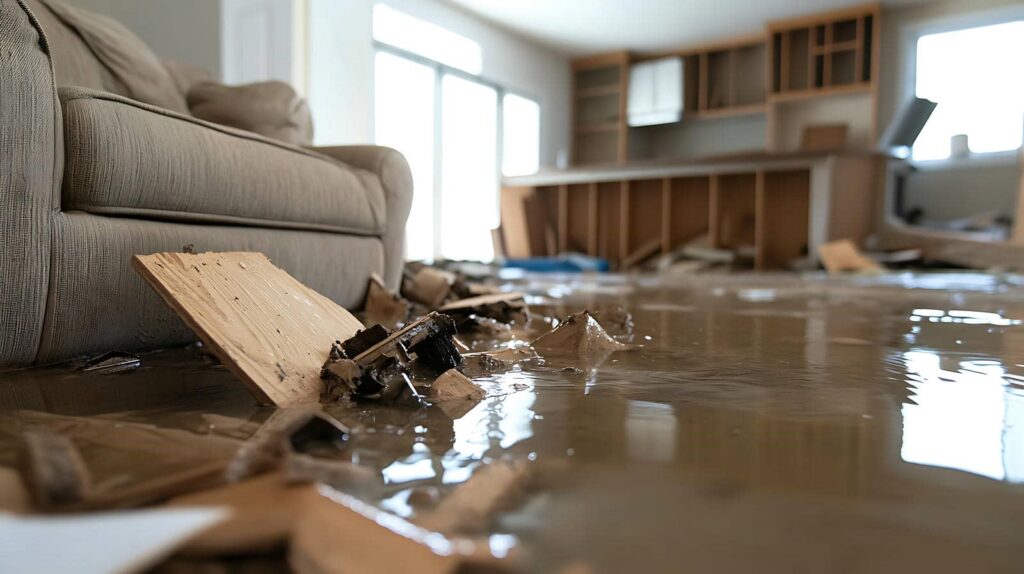
Imagine a family returning home after a flood, only to discover mold creeping along their walls. It’s a scenario that highlights the urgent need for effective mold remediation. Addressing mold growth quickly is vital to prevent health risks and further property damage. Understanding the right steps to take can make all the difference in restoring a safe environment. So, what are the essential tips for effective mold remediation after such an event?
Key Takeaways
- Conduct a thorough inspection to identify mold growth and moisture levels in affected areas like basements and attics.
- Use appropriate PPE, seal off contaminated areas, and ensure ventilation to protect health during remediation.
- Extract standing water promptly and utilize dehumidifiers to encourage drying and prevent mold proliferation.
- Clean and disinfect surfaces with EPA-approved products, and properly dispose of any contaminated materials.
- Implement preventive measures, such as mold-resistant materials and regular inspections, to reduce future mold growth risks.
Assessing the Extent of Mold Growth
When you’re dealing with the aftermath of flooding, evaluating the extent of mold growth is crucial for effective remediation.
Start by employing mold identification techniques, such as visual inspections and moisture measurements, to pinpoint areas at risk. Look for discoloration on walls, ceilings, and hidden corners where humidity lingers. Remember, mold thrives in damp environments, so check spaces like basements and attics closely.
Conducting an environmental impact analysis can also help you understand the broader consequences of mold presence. Assess how mold might affect your indoor air quality and overall health.
By identifying the type of mold and its extent, you’ll be better equipped to choose appropriate remediation methods. Don’t overlook the importance of community resources and support, as working together can enhance your efforts and ensure a safer living space for everyone involved.
Taking these steps will guide you toward effective and lasting mold remediation.
Ensuring Proper Safety Measures
Ensuring proper safety measures during mold remediation is essential to protect both your health and property. Start by equipping yourself with appropriate personal protective equipment (PPE), such as gloves, masks, and goggles. This gear helps shield you from harmful spores and allergens that may be released during the cleanup process.
Next, establish clear safety protocols to minimize risks. This includes sealing off the affected area to prevent spores from spreading to other parts of your home. Use plastic sheeting and tape to create barriers, ensuring that anyone not involved in the remediation stays safe.
Additionally, ventilate the area well to reduce moisture and airborne contaminants. If you have any respiratory conditions or are pregnant, consider having a professional handle the mold removal.
Removing Water and Moisture
After flooding, your first priority should be the initial water extraction to prevent further damage.
Employ effective drying techniques and monitor humidity levels to ensure thorough moisture removal.
Initial Water Extraction
Effective initial water extraction is essential in minimizing mold growth after flooding. By promptly addressing water damage, you can greatly reduce the risk of mold infestations. Various extraction methods can be employed, including pumps, wet vacuums, and mops. Choosing the right method depends on the extent of the flooding and the size of the affected area.
| Extraction Method | Best For | Pros |
|---|---|---|
| Pumps | Large areas | Fast water removal |
| Wet Vacuums | Small areas | Portable and efficient |
| Mops | Hard surfaces | Easy to use |
Implementing these methods will help you effectively manage water damage, setting the stage for successful mold remediation. Don’t underestimate the importance of acting quickly!
Drying Techniques
Promptly drying out affected areas is crucial in preventing mold growth after flooding. Start by maximizing air circulation; open windows and doors to create a cross-breeze. Use fans to enhance airflow, targeting damp spots effectively.
Coupling air movement with temperature control is important. Set your thermostat to a warm temperature, as warmer air holds more moisture, aiding evaporation. Dehumidifiers can also support this process by extracting moisture from the air.
Confirm that you monitor the drying progression, focusing on areas like carpets, walls, and furniture. Remember, the quicker you act, the lower your risk for mold infestation.
Humidity Control Measures
While drying out your home is essential, controlling humidity levels is equally important in preventing mold growth after flooding.
To effectively manage moisture control, start by using dehumidifiers to reduce dampness in the air. Aim for humidity levels below 60% to inhibit mold spores from thriving.
Open windows and doors when possible to promote airflow, and use fans to circulate air throughout the affected areas.
Regularly check and repair any leaks in pipes or roofs to prevent additional moisture accumulation.
Finally, consider moisture-absorbing materials like silica gel or activated charcoal for extra support.
Cleaning and Disinfecting Affected Areas
After addressing water removal, you need to focus on cleaning and disinfecting the affected areas to prevent mold growth.
Gather essential cleaning supplies, such as detergents and EPA-approved disinfectants, to effectively tackle contamination.
Understanding proper disinfection techniques will ensure that you eliminate mold spores and protect your living space.
Essential Cleaning Supplies
When dealing with mold remediation after flooding, having the right cleaning supplies at your disposal is essential.
These essential cleaning tools help in removing mold and play a significant role in implementing effective mold prevention strategies.
Make sure you’re equipped with the following:
- Mold-resistant cleaner: This specialized solution helps break down mold and prevent its return.
- Protective gear: Gloves, masks, and goggles protect you from inhaling spores and direct contact with mold.
- Wet/dry vacuum: This tool efficiently removes water and debris, making it easier to tackle mold growth.
With these supplies in hand, you’ll create a safer environment and reduce the likelihood of further mold issues.
Disinfection Techniques Explained
Having gathered the necessary cleaning supplies, you can now focus on effective disinfection techniques to combat mold after flooding. Proper surface sanitization is essential, as it helps eliminate mold spores and prevents further growth. Utilize a combination of disinfection methods, such as vinegar, hydrogen peroxide, and commercial mold removers, depending on the severity of the contamination.
Here’s a simple guide to help you choose the right method:
| Disinfection Method | Effectiveness |
|---|---|
| Vinegar | Moderate for light mold |
| Hydrogen Peroxide | High for porous surfaces |
| Commercial Cleaners | Very high for severe cases |
Properly Removing Contaminated Materials
To effectively tackle mold remediation, you must focus on properly removing contaminated materials. This step is essential in preventing mold from spreading and ensuring a safe environment for you and your loved ones.
Begin by identifying materials that have absorbed water, which can harbor mold spores. Use appropriate disposal methods to handle these items safely and effectively.
- Always wear protective gear, including gloves and masks.
- Seal contaminated materials in plastic bags before disposal to contain mold spores.
- Follow local regulations for disposing of hazardous waste, if applicable.
Utilizing Effective Mold Removal Products
While proper removal of contaminated materials is vital, utilizing effective mold removal products is equally important in the remediation process.
You’ll want to choose products specifically designed for mold elimination to ensure they’re potent against the spores that thrive in damp conditions. Look for options that contain EPA-approved ingredients, as these are proven to be effective while also being safer for your environment.
When applying these products, follow the manufacturer’s guidelines for effective application. This includes proper dilution, application methods, and contact time, which are essential for achieving maximum efficacy.
Additionally, consider using protective gear during the process to safeguard yourself from exposure.
Implementing Dehumidification Techniques
When dealing with mold remediation after flooding, implementing dehumidification techniques is essential for preventing further growth.
You’ll want to focus on selecting the right dehumidifier to effectively reduce moisture levels in your space. Consider these key factors for dehumidifier selection:
- Capacity: Choose a unit that can handle the square footage of your affected area.
- Portability: A portable dehumidifier allows for flexibility in addressing different spots with high moisture.
- Energy Efficiency: Look for models with energy-saving features to keep costs down while effectively managing humidity.
Additionally, consistent moisture monitoring is vital.
Use hygrometers to check humidity levels regularly, ensuring they stay below 60%. This proactive approach helps maintain a mold-free environment and fosters a sense of safety and comfort in your space.
Taking these steps aids in remediation and cultivates a healthier home for you and your family.
Monitoring Indoor Air Quality
Monitoring indoor air quality is essential, especially after flooding, as it directly impacts your health and comfort.
After a flood, you’re likely to encounter various indoor pollutants, including mold spores and volatile organic compounds (VOCs). These can lead to respiratory issues and other health concerns, making air quality monitoring vital for your well-being.
You should consider using air quality monitors to track levels of particulates and humidity in your home. Regularly checking these readings helps you identify potential problems early, allowing for prompt action.
If you notice elevated levels of indoor pollutants, it’s important to implement remediation strategies, such as improving ventilation or using air purifiers.
Engaging in air quality monitoring fosters a sense of community, as you can share findings with neighbors or family members, creating a safer living environment for everyone.
Prioritizing air quality will protect your health and enhance your overall comfort at home.
Preventing Future Mold Growth
To effectively prevent future mold growth after a flooding event, you need to address the conditions that promote mold development.
Start by using mold-resistant materials in areas prone to moisture, such as bathrooms and basements. This proactive choice can greatly reduce mold risks.
In addition, implementing regular inspections of your property will help you catch potential moisture issues before they escalate.
Consider the following steps:
- Verify proper ventilation in all rooms to minimize humidity.
- Repair leaks in plumbing or roofing promptly to prevent water accumulation.
- Keep gutters and drainage systems clear to direct water away from your foundation.
Frequently Asked Questions
How Long Does Mold Take to Become Visible After Flooding?
Mold growth timeline varies, but under ideal conditions, you might see visible mold within 24 to 48 hours after flooding. Factors like humidity, temperature, and material type considerably influence how quickly mold appears.
Can I Use Bleach for Mold Removal?
You can use bleach for mold removal, but its effectiveness is limited to non-porous surfaces. Consider alternative solutions like vinegar or specialized mold removers for better results, especially on porous materials where bleach can’t penetrate effectively.
What Are the Health Risks Associated With Mold Exposure?
Mold exposure can lead to various health risks. You might experience mold symptoms like respiratory issues, allergies, or asthma attacks. Prolonged exposure can worsen these conditions, so it’s essential to address any mold problems promptly.
Should I Hire Professionals for Mold Remediation?
You should consider hiring professionals for mold remediation. Their expertise can prevent health risks, and while remediation costs may seem high, the long-term benefits of a safe environment outweigh the initial investment.
How Can I Tell if Mold Is Completely Removed?
To determine if mold is completely removed, conduct thorough visual inspections and consider professional mold testing. These steps help ensure that no hidden spores remain, providing peace of mind and a healthier living environment for you.
Wrap-Up
In the aftermath of flooding, swift action can mean the difference between a safe home and a mold-infested nightmare. By combining thorough inspection with effective removal techniques, you eliminate immediate hazards and lay the groundwork for a healthier environment. While ignoring moisture may seem easier, it leads to costly repairs and health risks. Prioritizing mold remediation now ensures your home remains a sanctuary rather than a breeding ground for mold in the future.
Recent Posts
Essential Steps for Mold Remediation After Flooding
After flooding, addressing mold remediation is vital to prevent health risks and further damage. You’ll
Top Mold Remediation Strategies Post-Flooding
Is it true that effective mold remediation can greatly reduce health risks after flooding? Understanding
5 Best Homeowner Tips for Flood Prevention
Imagine your home as a boat adrift in a storm, with every rainstorm posing a