
Contents
Mold growth can begin within 24 to 48 hours after water damage, making prompt mold inspection vital. You’ll want to employ a systematic approach to identify hidden issues effectively. Key techniques include visual assessments, moisture measurements, and air quality tests. Each method offers unique insights into the mold situation, but understanding how they work together is essential for a thorough evaluation. Explore how these techniques can help you pinpoint and address potential mold problems.
Key Takeaways
- Conduct a visual assessment of walls, ceilings, and floors for discoloration, stains, or warping indicative of mold growth.
- Measure humidity levels using a hygrometer to evaluate the potential for mold proliferation in affected areas.
- Perform air quality testing by collecting samples to identify contaminants and assess health risks associated with mold.
- Utilize surface sampling techniques, such as swab and tape lift methods, to determine the extent of mold contamination.
- Employ thermal imaging cameras to detect hidden mold by identifying temperature variations indicating trapped moisture behind surfaces.
Visual Assessment of Affected Areas
When you begin the visual assessment of affected areas after water damage, it’s essential to approach the task systematically. Start by using an inspection checklist tailored for mold growth. This list helps you stay organized and ensures you don’t overlook critical details.
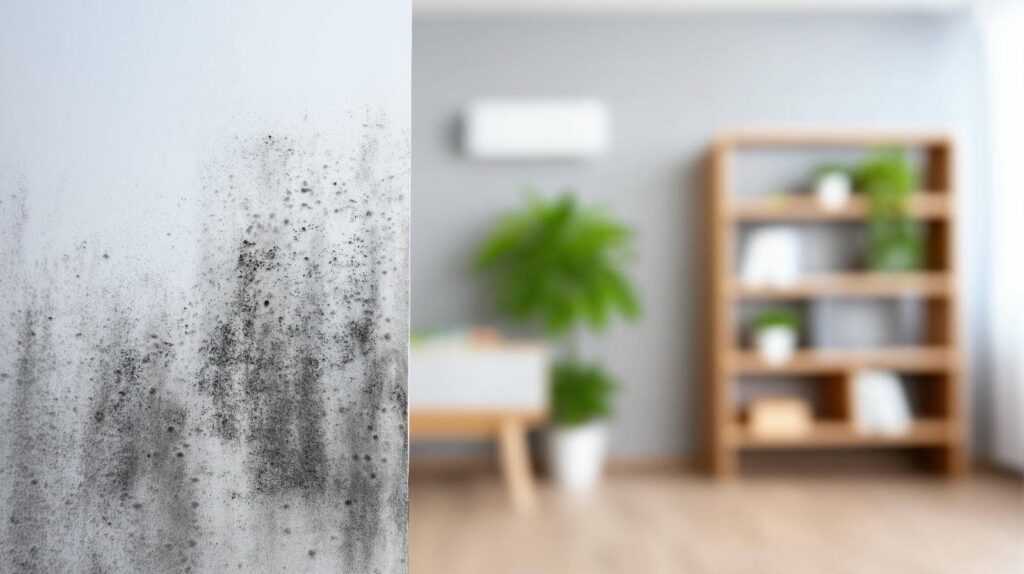
Inspect all surfaces, including walls, ceilings, and floors, looking for discoloration, stains, or warping that could indicate hidden moisture and potential mold. Pay close attention to areas near plumbing fixtures, windows, and any other moisture-prone spots.
Don’t forget to check behind furniture and appliances, as mold can thrive in hidden spaces. Document your findings meticulously, noting any signs of mold growth or moisture accumulation.
This thorough approach aids in identifying the extent of the damage and fosters a sense of community among those affected, as sharing your insights can help others navigate similar challenges. Your detailed assessment is the first step toward restoring a safe environment.
Moisture Level Measurement
Accurate moisture level measurement is essential for evaluating the potential for mold growth after water damage. To effectively assess the situation, you’ll want to begin with a thorough humidity assessment.
Using a hygrometer, you can gauge the relative humidity in the affected areas, helping you understand the environment’s favorability for mold proliferation.
Next, implement moisture mapping by scanning surfaces and materials with a moisture meter. This technique allows you to identify specific spots where moisture is trapped, revealing hidden issues that may not be visible to the naked eye.
Pay close attention to structural elements like walls and flooring, as they can retain moisture for extended periods.
Air Quality Testing
Air quality testing is a critical step in evaluating the aftermath of water damage and its potential link to mold growth. By evaluating the presence of airborne contaminants, you can determine the level of risk to your health and the environment.
Start by collecting air samples in various locations throughout the affected area. This method allows you to pinpoint specific problem zones.
Next, verify that your testing adheres to established testing standards, which provide guidelines for accurate and reliable results.
You’ll want to compare your findings against these standards to determine whether the contaminant levels exceed safe thresholds.
Surface Sampling Techniques
Surface sampling techniques are essential for identifying mold contamination on various materials after water damage. By utilizing these methods, you can effectively assess the extent of mold growth and take appropriate action.
Here are three key techniques to evaluate:
Swab Sampling: This involves using a sterile swab to collect samples from surfaces. It’s particularly useful for porous materials where mold may thrive.
Tape Lift: In this technique, you apply a piece of clear adhesive tape to a surface, then lift it off to capture mold spores. This method is effective for analyzing hard, non-porous surfaces.
Bulk Sampling: For larger materials, you might weigh the option of collecting a sample of the material itself, allowing for a more thorough analysis in a laboratory setting.
Using these techniques, you can gain valuable insights into mold presence, helping you to create a safer environment for everyone.
Use of Thermal Imaging Cameras
Thermal imaging cameras serve as a powerful tool for detecting hidden mold issues after water damage. By identifying thermal anomalies, you can pinpoint areas that may harbor moisture, creating an environment conducive to mold growth.
These cameras measure temperature differences across surfaces, allowing you to see beyond what the naked eye can detect. When you scan an affected area, the thermal imaging camera reveals cooler spots that may indicate trapped moisture behind walls or under floors.
This precise detection helps you target your inspection efforts effectively, ensuring you don’t overlook potential problem areas. Using this technology streamlines your mold inspection process and fosters a sense of belonging by empowering you with advanced tools to protect your environment.
Frequently Asked Questions
How Long After Water Damage Should Mold Inspections Be Performed?
You should schedule mold inspections within 24 to 48 hours after water damage. Mold growth timelines can accelerate quickly, so regular inspection frequency is vital to prevent extensive damage and ensure a safe environment.
What Types of Mold Are Most Commonly Found After Water Damage?
After water damage, you’ll often encounter black mold and other toxic molds lurking in hidden corners. Identifying these dangers is essential for your health and home, so stay vigilant and proactive in your inspections.
Can Mold Grow in Hidden Areas Not Visible During Inspection?
Yes, mold can thrive in hidden areas with concealed moisture. You should employ mold detection techniques to identify these problem spots, ensuring you address potential sources of growth before they become a significant issue for your environment.
What Are the Health Risks Associated With Mold Exposure?
Mold exposure can trigger various health effects, including respiratory issues, allergies, and skin irritations. You might experience mold symptoms like coughing, sneezing, or headaches, making it essential to address mold problems promptly for your well-being.
How Can Homeowners Prevent Mold Growth After Water Damage?
After a pipe burst in your kitchen, you can prevent mold growth by promptly drying affected areas, using mold prevention strategies like dehumidifiers, and ensuring thorough water damage remediation to safeguard your home and health.
Recap
Effectively inspecting for mold after water damage is vital to ensure a safe environment. By employing techniques like visual assessments, moisture level measurements, air quality testing, and thermal imaging, you can accurately identify and address potential mold issues. Taking these steps protects your health and preserves the integrity of your property.
Recent Posts
Immediate Water Damage Restoration: Your Essential Guide
Water Damage Restoration requires a fast and structured response to protect your property and prevent
Why Implement Strategies for Water Damage Protection?
Implementing strategies for water damage protection is essential for safeguarding your property and ensuring safety.
Top Strategies for Commercial Water Damage Prevention
Preventing commercial water damage requires vigilance, proactive measures, and strategic planning. Regular inspections and maintenance,