
Contents
Many people underestimate the lingering effects of water damage on indoor air quality. After such incidents, it’s essential to understand the steps that can effectively restore a healthy environment. From immediate drying techniques to the importance of mold remediation, each action plays an important role in safeguarding your health. What follows is an extensive approach that not only addresses the immediate aftermath but also promotes long-term air quality improvement.
Key Takeaways
- Act quickly to address water damage, preventing mold growth and maintaining air quality through immediate moisture source identification and extraction.
- Utilize dehumidifiers to keep humidity levels below 50%, promoting a dry environment that discourages mold proliferation.
- Implement air purifiers with HEPA and activated carbon filters to capture particles and odors, enhancing overall indoor air quality.
- Ensure proper ventilation by opening windows, using exhaust fans, and creating cross-ventilation to circulate fresh air throughout affected areas.
- Conduct thorough mold inspections and remediation to eliminate hidden mold, ensuring a safe and healthy indoor environment.
Assessing the Extent of Water Damage
When evaluating the extent of water damage, it’s crucial to act quickly since delayed responses can worsen indoor air quality and lead to more severe mold growth.
Start your water damage assessment by identifying the source of moisture. Use moisture detection tools, like hygrometers and infrared cameras, to pinpoint affected areas. This equipment helps you gauge the severity of the issue, making sure no hidden pockets of water are overlooked.
Next, inspect walls, ceilings, and floors for discoloration, warping, or dampness. Pay special attention to areas near plumbing and appliances.
Record your findings to create a thorough overview of the damage. This information not only aids in remediation efforts but also fosters a sense of belonging as you make certain your living space remains safe and healthy.
Immediate Steps for Drying and Dehumidifying
To effectively restore indoor air quality after water damage, prompt drying and dehumidifying are essential.
Start with water extraction to remove standing water; this step greatly reduces moisture levels, which can foster unhealthy air conditions. Utilize a combination of wet/dry vacuums and pumps to guarantee thorough removal.
Once the majority of water is extracted, focus on humidity control. Set up dehumidifiers to lower humidity levels quickly, as high humidity can lead to mold growth and poor air quality. Aim for a relative humidity level below 50%.
Additionally, enhance air circulation by using fans and opening windows when weather permits. This promotes evaporation and aids in drying out damp materials, such as carpets and drywall.
Importance of Mold Inspection and Remediation
Although you may have taken initial steps to dry your space, neglecting mold inspection and remediation can lead to serious health risks and persistent air quality issues.
Mold thrives in damp environments and can quickly multiply, creating a breeding ground for allergens and toxins. These mold spores can trigger respiratory problems, skin irritations, and other health complications.
By prioritizing mold prevention through thorough inspections, you not only safeguard your health but also enhance your indoor air quality.
Professional remediation services can identify hidden mold and eliminate it effectively, ensuring your home remains a safe haven.
Remember, early detection is key; the longer you wait, the more extensive and costly the damage can become.
Taking action now not only protects you and your loved ones but also fosters a sense of belonging in a healthy, clean environment.
Don’t underestimate the importance of addressing mold issues promptly.
Utilizing Air Purifiers and Filtration Systems
After experiencing water damage, it’s essential to evaluate the types of air purifiers and filtration systems that can effectively enhance your indoor air quality.
High-efficiency particulate air (HEPA) filters can capture mold spores and other pollutants, while activated carbon filters help eliminate odors.
Types of Air Purifiers
When restoring indoor air quality after water damage, understanding the various types of air purifiers is vital for effective remediation.
HEPA filters are important; they capture 99.97% of particles down to 0.3 microns, ensuring allergens, dust, and mold spores are removed from the air. This makes them an excellent choice for those concerned about health after water damage.
On the other hand, UV purifiers use ultraviolet light to kill bacteria and viruses, providing an additional layer of protection.
Importance of Filtration Systems
Effective indoor air quality management hinges on robust filtration systems, especially in the aftermath of water damage.
Utilizing air purifiers equipped with HEPA filters and activated charcoal can greatly enhance air quality.
Here’s why you should consider these systems:
HEPA Filters: They capture 99.97% of particles, including mold spores and dust, ensuring cleaner air.
Activated Charcoal: This material absorbs odors and harmful gases, neutralizing volatile organic compounds (VOCs).
Continuous Operation: Running these systems 24/7 helps maintain consistent air quality.
Health Benefits: Improved air quality can lead to reduced allergy symptoms and respiratory issues.
Investing in quality filtration systems not only protects your health but also fosters a sense of well-being in your home environment.
Ensuring Proper Ventilation in Affected Areas
To improve indoor air quality after water damage, you should prioritize proper ventilation in affected areas.
Opening windows and doors allows fresh air to circulate, helping to dilute pollutants and moisture.
Additionally, using exhaust fans can effectively remove stale air and reduce humidity levels, further promoting a healthier environment.
Open Windows and Doors
Opening windows and doors is essential for guaranteeing proper ventilation in areas affected by water damage. This action promotes airflow optimization, which is vital for reducing humidity and preventing mold growth.
To maximize effectiveness, consider the following:
Window Placement: Open windows that are positioned across from each other to create cross-ventilation.
Timing: Ventilate during the warmest part of the day when outdoor humidity is lower.
Airflow Direction: Identify prevailing winds and align your openings accordingly to enhance airflow.
Safety First: Confirm that the area is secure and free from hazards before you open windows and doors.
Use Exhaust Fans
Using exhaust fans can greatly improve ventilation in areas affected by water damage, as they actively expel moist air and draw in drier air from the surroundings.
This process enhances exhaust fan efficiency, essential for effective moisture control. By creating a continuous airflow, you’ll reduce humidity levels, which helps prevent mold growth and further deterioration of your indoor environment.
Position the fans strategically in affected spaces to maximize air exchange. It’s important to run them consistently until moisture levels stabilize.
Selecting the Right Cleaning Products
Choosing the right cleaning products after water damage is essential for restoring indoor air quality.
You’ll want to focus on options that guarantee both efficacy and safety. Consider these key factors when selecting your products:
Eco-Friendly Cleaners: Opt for biodegradable options that minimize environmental impact and reduce harmful emissions.
Chemical Safety: Check for safety certifications to avoid products with volatile organic compounds (VOCs) that can worsen air quality.
Mold Prevention: Choose cleaners specifically designed to inhibit mold growth, as moisture can foster spores.
Surface Compatibility: Verify the cleaner is suitable for the surfaces you’re treating to avoid damage and maintain effectiveness.
Monitoring Indoor Air Quality Post-Restoration
Once you’ve completed restoration efforts, monitoring indoor air quality becomes essential to guarantee a safe and healthy environment.
Post-restoration, you’ll want to verify that indoor allergens, such as mold spores and dust mites, are kept at bay. Regular air quality monitoring is critical for identifying potential issues before they escalate.
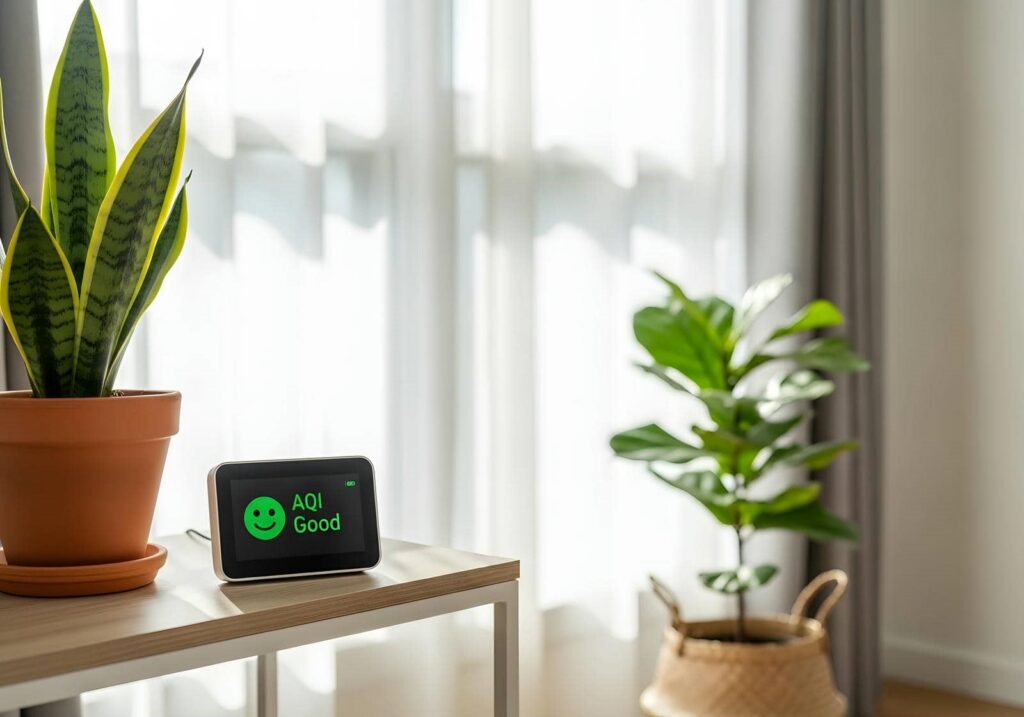
Using tools like air quality monitors can help you track levels of particulate matter, volatile organic compounds, and humidity, all of which can impact your health.
If you notice elevated levels of indoor allergens, it’s important to address the source, whether it’s lingering moisture or inadequate ventilation.
Incorporating regular checks into your routine not only fosters a healthier living space but also gives you peace of mind.
Frequently Asked Questions
How Long Does It Take for Air Quality to Improve After Water Damage?
Air quality improvement after water damage typically takes days to weeks, depending on the air quality timeline and effective moisture removal. Prompt action and proper ventilation can greatly speed up this process, ensuring a healthier environment.
Can Plants Help Enhance Indoor Air Quality Post-Water Damage?
Absolutely, air purifying plants can greatly improve indoor air quality post-water damage. They absorb toxins and regulate humidity, creating a fresher atmosphere. Incorporating them into your space can bring life and comfort back home.
What Are the Symptoms of Poor Indoor Air Quality?
You might experience symptoms like coughing, sneezing, headaches, and fatigue due to poor indoor air quality. Mold growth and ventilation issues often contribute to these problems, affecting your overall well-being and comfort at home.
Should I Replace Carpets After Water Damage?
Yes, you should consider carpet replacement after water damage. Carpets often retain moisture, leading to mold growth and poor air quality. Replacing them guarantees a healthier environment and reduces the risk of lingering allergens and odors.
Are There Specific Indoor Air Quality Monitors to Use?
You can use specific indoor air quality monitors like air quality sensors, which track pollutants, and humidity levels. Pairing these with air purifiers creates a safe haven, ensuring your space remains healthy and welcoming.
Recap
In the aftermath of water damage, swift action can mean the difference between a healthy home and a mold-infested nightmare. By effectively drying, dehumidifying, and ventilating your space, you create a sanctuary instead of a breeding ground for allergens. Regularly monitoring your indoor air quality guarantees that the air you breathe is fresh and safe. Remember, a proactive approach not only restores your home but also protects your well-being, turning potential disaster into a triumph of resilience.
Recent Posts
Why Commercial Basements Need Mold Remediation
Commercial Basements Need Mold Remediation because damp concrete, stale air, and hidden corners create a
10 Tips for Flooded Basement Water Extraction
Most Flooded Basement Water Extraction damage starts after the visible water is gone, when trapped
5 Flooded Basement Water Extraction Steps
When a Flooded Basement turns into a sump of trouble, you need to act fast