
Contents
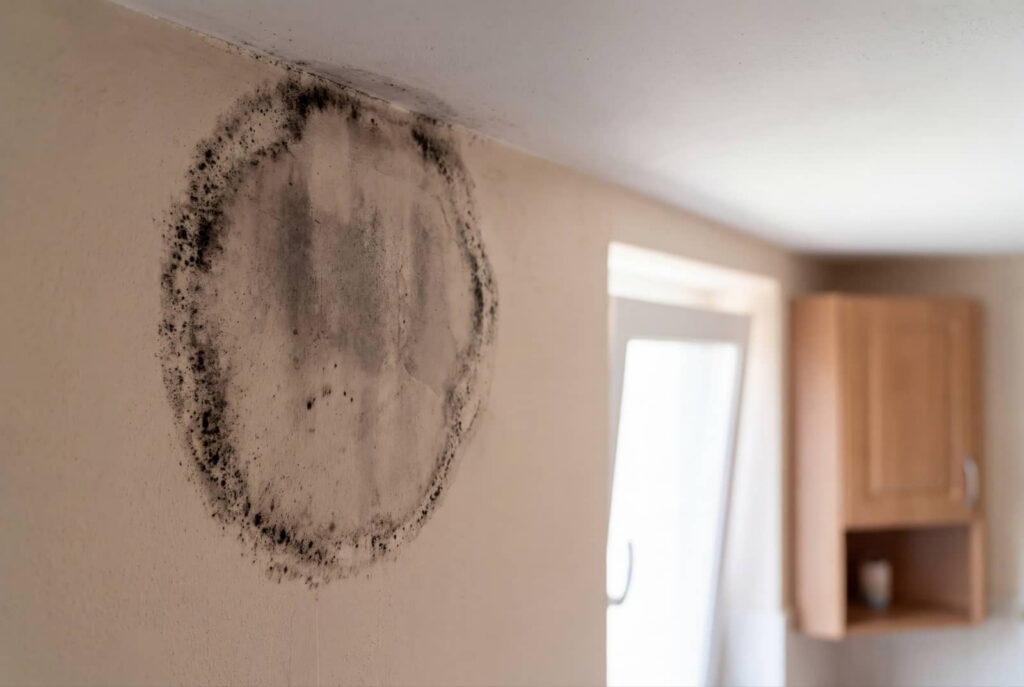
When moisture lingers, mold can start growing in less than 48 hours, so your drying method matters. Mold prevention drying should begin by addressing leaks, spills, or floods quickly, then using fans and dehumidifiers to pull moisture from the air and affected materials. Don’t stop at visible surfaces, because hidden dampness inside walls, flooring, and other cavities can continue feeding mold growth long after the floor looks dry. Proper drying now can help prevent a much larger problem later.
Key Takeaways
- Remove standing water immediately and wipe hard surfaces to start drying fast.
- Increase airflow with open windows, open doors, and fans aimed across wet areas.
- Use dehumidifiers in damp rooms with doors and windows closed until humidity drops.
- Check hidden moisture behind baseboards, under cabinets, and inside walls with moisture meters.
- Replace materials that stay wet over 24–48 hours to prevent mold growth.
Dry the Area Quickly to Prevent Mold
The faster you dry a wet area, the less chance mold has to grow. You should act right away after a leak, spill, or flood, and trace moisture sources so you can stop ongoing wetting.
Remove standing water, open wet materials, and wipe hard surfaces until they feel dry. Improve airflow with smart ventilation strategies: open windows if outdoor air is dry, and keep interior doors open so air moves through the space.
Check hidden spots behind baseboards, under cabinets, and inside closets, because trapped dampness can keep mold active. Drying quickly helps your home stay safe and comfortable, and it shows you’re taking care of your shared space.
If materials stay wet for more than 24 to 48 hours, replace them to reduce mold risk.
Use Fans and Dehumidifiers
Fans and dehumidifiers can speed up drying by moving air and pulling excess moisture out of the space. Set fans to create steady cross-ventilation, and aim them across wet surfaces, not directly into one spot.
Smart fan placement helps you dry faster and keeps your cleanup team on the same page. Run a dehumidifier in the dampest room, close doors and windows, and check dehumidifier settings so the unit targets low humidity without overworking.
Empty the reservoir often, or connect a drain hose if you can. Keep both devices running until surfaces feel dry and indoor humidity drops.
When you use this setup, you’re taking a practical step that protects your space and helps everyone feel confident about the recovery.
Check for Hidden Moisture in Walls
Even after surfaces look dry, moisture can stay trapped inside wall cavities, insulation, and baseboards. You need to check these areas before mold gets a foothold.
Use moisture detection tools, like a pin-type meter or infrared camera, to spot cold, damp sections that your eyes can’t see. Listen for hidden leaks around plumbing, windows, and rooflines, then inspect for staining, swelling, or peeling paint.
Press baseboards and drywall; soft spots often signal trapped water. If readings stay high, open the wall only where needed and dry the cavity fast.
You’re part of a smart prevention crew when you act early, verify conditions, and stop moisture before it spreads.
Frequently Asked Questions
How Often Should Carpets Be Professionally Dried After Flooding?
You should professionally dry carpets after every flood, ideally within 24 hours. During flood restoration, you’ll need carpet drying again if moisture returns, odors persist, or humidity stays high. Quick action helps protect your space.
Can Air Conditioning Help Reduce Mold Growth Indoors?
Yes—your air conditioning can help reduce mold growth by lowering indoor humidity, but only if you maintain it. You’ll belong to a drier space when you keep filters clean, drains clear, and humidity below 60%.
What Materials Are Most Resistant to Mold After Moisture Exposure?
You’ll get the best resistance from mold resistant materials like closed-cell foam, fiberglass, stainless steel, and PVC. Pair them with moisture barriers, and you’ll protect your space while keeping your crew’s environment cleaner and safer.
How Do I Know if Mold Has Already Started Growing?
You’ll notice mold’s quiet arrivals: musty odors, discoloration, and damp spots. Use mold detection methods like visual inspection and moisture meters. Watch early warning signs closely, and you’ll catch growth before it spreads.
When Should Wet Drywall Be Removed Instead of Dried?
Remove wet drywall when your moisture assessment shows saturation beyond the face paper, swelling, crumbling, or sagging, or when drywall integrity is compromised. You’ll protect your space better by replacing damaged sections promptly.
Recap
When water slips into your space, act like a steady flame against the dark: dry the area fast, and mold loses its foothold. Open windows, set fans to push air across wet surfaces, and let dehumidifiers pull the last drops from the room. Then check behind walls, under floors, and in hidden corners, where moisture can lurk like a thief. If you stay alert, you’ll keep your space dry, safe, and mold-resistant.
Recent Posts
5 Mold Remediation Steps After a Backup
Many homes that experience a sewage backup develop mold within days when moisture and contamination
Why Remediate Mold After Sewage Backup?
You need to clean, dry, and disinfect after a sewage backup, and you need to
Commercial Water Extraction for Backup Cleanup
When a sewer line overflows, you need to act fast to limit contamination and disruption.