
Contents
When floodwater hits, your building can feel like a sponge left in a storm. You need structural drying services that move fast, pull moisture from hidden spaces, and cut mold risk before it spreads. The real difference often shows up in the first 24 hours, and that’s where the choice starts to matter.
Key Takeaways
- Choose certified structural drying teams with proven water extraction and mold prevention expertise.
- Prioritize services that quickly remove standing water to reduce damage and shorten drying time.
- Look for providers using industrial air movers, dehumidifiers, and moisture meters for targeted drying.
- Select teams experienced in basement flooding and moisture control to protect framing and finishes.
- Ensure the company provides clear documentation, progress updates, and insurance claim support.
What Structural Drying Services Do After a Flood
After a flood, structural drying services extract standing water, remove trapped moisture from building materials, and stabilize the structure to prevent further damage. You get a focused response that limits water damage and restores safe conditions fast.
Technicians perform a moisture assessment to identify wet walls, floors, insulation, and framing, then they set the right drying plan for your space. They use air movers, dehumidifiers, and targeted heat to pull moisture out of materials without over drying or causing extra stress.
You stay informed through progress checks, so you know the drying is working. This process helps you protect your property, reduce repair scope, and move forward with a team that understands what you’re facing and works with you every step.
How Structural Drying Helps Basement Flooding
Basement flooding creates a unique drying challenge because water can soak concrete, drywall, framing, insulation, and hidden voids below grade, where moisture lingers longer and humidity stays high.
You need structural drying to control basement moisture before it spreads into finishes and framing. Technicians use targeted drying techniques, like air movement, dehumidification, and temperature management, to pull moisture from porous materials and stabilize the space.
This process helps you protect structural components, reduce lingering odors, and limit the risk of secondary damage in attached rooms.
When you act quickly, you join the group of homeowners who treat the basement as a critical system, not just a storage area. That approach gives your home a better chance at full recovery and long-term stability.
How Water Extraction Speeds Up Drying
Removing standing water first can dramatically shorten the drying timeline because it lowers the amount of moisture materials have to release. When you act fast, your water removal team reduces saturation in floors, walls, and contents before drying techniques take over.
That gives you a cleaner starting point and helps equipment work more efficiently.
- Extract pooled water from open areas.
- Pull moisture from carpet and padding.
- Lower surface wetness in drywall and framing.
- Set up airflow and dehumidification sooner.
You stay ahead of lingering dampness when extraction happens early. Your crew can target deeper layers with less resistance, so each pass of the process removes more moisture.
If you want your space back with less disruption, prioritize extraction first and let the drying system do its job.
Why Fast Drying Helps Prevent Mold
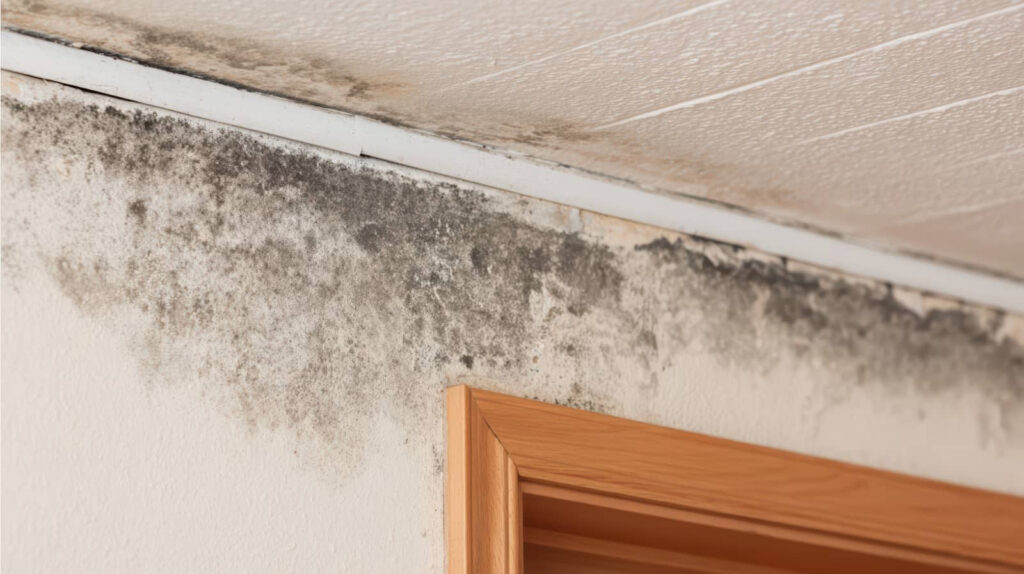
Fast drying limits the time moisture stays available for mold growth, which is critical because mold can begin developing on damp materials within 24 to 48 hours.
You protect your space by reducing surface humidity, pulling trapped water from walls and flooring, and stabilizing indoor conditions quickly. Effective drying techniques support mold prevention by keeping materials below the moisture levels mold needs to colonize.
You’ll also limit odor, staining, and secondary damage when you act fast. For your team, that means using targeted airflow, dehumidification, and moisture monitoring to verify progress.
When you respond quickly, you give your home or business the best chance to stay clean, safe, and structurally sound after flooding.
What to Look for in Flood Recovery Teams
What should you look for in a flood recovery team? You need crews that assess damage fast, communicate clearly, and work like they’re part of your recovery circle. Check these essentials:
Verified service certifications for water extraction, structural drying, and mold prevention.
Strong experience levels with homes, basements, and commercial spaces.
Industrial dehumidifiers, air movers, and moisture meters for precise drying control.
Clear documentation, direct updates, and a plan that fits your timeline and insurance claim.
Choose a team that explains each step, measures moisture daily, and keeps you informed.
When you hire professionals who combine technical skill with steady support, you protect your property and feel less alone in the process.
Frequently Asked Questions
How Long Does Structural Drying Usually Take After Flooding?
You’ll usually need 3–7 days, though factors influencing drying time include water depth, materials, humidity, and airflow. You can speed recovery with professional extraction, dehumidifiers, and monitoring, so your space feels safe again.
Can Structural Drying Save Damaged Hardwood Floors?
Yes, you can often save damaged hardwood floors with fast moisture removal and hardwood restoration. You’ll need controlled drying, monitoring, and refinishing. If boards cup, swell, or delaminate badly, replacement may still be necessary.
Do I Need to Move Out During the Drying Process?
Not always. You can often stay if drying equipment won’t block living areas, but weigh moving considerations and health concerns like mold, dust, and noise. If contamination exists, you should relocate temporarily for safety.
Is Structural Drying Covered by Homeowners Insurance?
Usually, your homeowners insurance covers structural drying if the damage comes from a covered peril, but you’ll need to check your insurance policies and coverage limits. You should document losses and call your adjuster quickly.
What Equipment Is Used in Structural Drying Services?
You’ll use air movers, dehumidifiers, and moisture meters; most drying time comes from moving air, not heat. You can also deploy hygrometers and injectidry systems to track moisture and dry materials fast.
Summary
When floodwater hits, you need structural drying services that move like a rescue crew on overdrive. You’ll protect your basement, your walls, and your sanity by choosing certified pros with fast response and clear communication. Act quickly, and you’ll turn a soaked disaster into a controlled recovery.
Recent Posts
3 Best Mold Prevention Drying Tips
When moisture lingers, mold can start growing in less than 48 hours, so your drying
Structural Drying for Flooded Property Restoration
When water invades a structure, both speed and strategy matter. Flooded property restoration starts by
What Is Structural Drying After Flooding
The majority of flood damage problems can worsen when moisture remains trapped in building materials,