
Contents
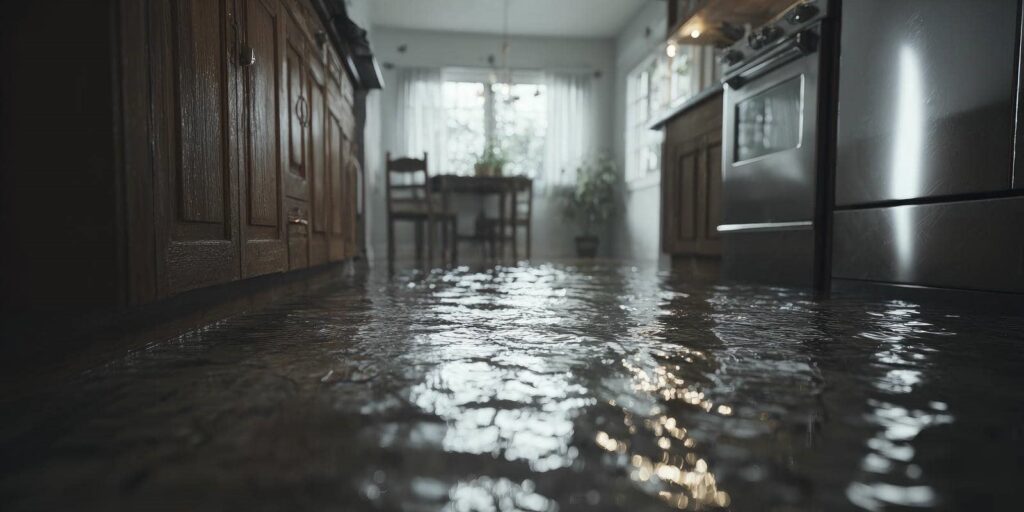
Post-Water Damage Inspections are essential for identifying hidden problems that may remain after visible water has been removed. A thorough inspection helps uncover trapped moisture, structural concerns, mold risks, and other issues that can develop beneath walls, flooring, and other materials. The process typically includes moisture detection, evaluating affected areas, checking for signs of contamination, and determining whether additional drying or repairs are needed. Taking action quickly after water damage helps protect your home, maintain a healthy environment, and prevent small issues from becoming costly restoration challenges.
Key Takeaways
- Timely inspections after water damage identify hidden issues like mold and structural weaknesses, preventing further deterioration.
- Use tools like moisture meters and thermal imaging cameras for a comprehensive assessment of affected areas.
- Document all damage meticulously with photographs and notes to facilitate insurance claims.
- Implement dehumidification strategies and improve ventilation to prevent mold growth and maintain a healthy environment.
- Regularly monitor and maintain airflow systems to ensure optimal performance and moisture control.
Understanding Water Damage and Its Effects
When water infiltrates your property, it can lead to significant damage that isn’t always immediately visible. Understanding the effects of water damage is vital for maintaining a safe environment.
High moisture levels can create a breeding ground for mold and mildew, which compromise structural integrity and pose health risks to you and your family.
You might notice warped walls, stained ceilings, or an unpleasant odor, all indicators of underlying moisture issues. It’s important to assess hidden areas like basements and crawl spaces, where water often accumulates unnoticed.
Regular monitoring of moisture levels can help you catch potential problems early, preventing costly repairs down the line.
Importance of Timely Inspections
Timely inspections after water damage are essential for preventing further deterioration of your property.
By acting quickly, you can identify hidden issues like mold growth or structural weaknesses that may compromise safety.
Ensuring compliance with safety standards also protects you from potential liabilities down the line.
Preventing Further Damage
Though water damage might seem contained, neglecting timely inspections can lead to escalating issues that compromise structural integrity and health.
After water extraction, it’s essential to assess the environment for potential hidden moisture that can weaken building materials.
Implementing moisture barriers effectively minimizes the chance of mold growth, which poses serious health risks.
Without regular inspections, trapped moisture can deteriorate walls, ceilings, and flooring, leading to costly repairs.
Schedule inspections promptly to identify and address potential problems before they worsen.
By ensuring your property is inspected, you create a safer, healthier living space for you and your loved ones.
Don’t wait—proactive measures can save you from extensive damage and provide peace of mind.
Identifying Hidden Issues
How can you be certain your property is free of hidden water damage? To identify hidden issues effectively, you need to conduct timely inspections utilizing advanced moisture detection techniques.
Hidden leaks can lurk behind walls, under floors, or beneath appliances, leading to mold growth and structural damage if left unchecked. Employing tools like infrared cameras or moisture meters allows you to pinpoint problem areas that may not be visible to the naked eye.
Additionally, inspecting your property immediately after any water incident is essential. This proactive approach helps in catching hidden leaks early and ensures you maintain a safe and healthy living environment.
Ensuring Safety Compliance
Making certain your property complies with safety standards requires regular inspections, especially after water damage incidents. You should develop a thorough compliance checklist that aligns with local safety regulations.
This checklist should cover essential areas such as structural integrity, electrical systems, and mold assessments. By conducting timely inspections, you safeguard your investment and protect the health and well-being of occupants.
Remember, water damage can lead to hidden hazards like compromised wiring or mold growth, which may violate safety codes. Engaging certified professionals can help make certain detailed evaluations and adherence to safety regulations.
Prioritize these inspections to maintain a safe environment and foster a sense of community belonging among residents. Your proactive measures can make all the difference.
Signs of Mold Growth Post-Water Damage
As you assess your property after water damage, it’s essential to be vigilant for signs of mold growth, which can develop within 24 to 48 hours in damp conditions.
Ignoring these signs can lead to serious health risks associated with various mold types, including respiratory issues and allergic reactions.
Look for these indicators of mold development:
- Visible Mold: Dark spots or fuzzy patches on walls, ceilings, or floors.
- Musty Odor: A persistent, damp smell often accompanies mold presence.
- Discoloration: Stains on surfaces may indicate underlying moisture and mold.
- Peeling Paint or Wallpaper: This can signal moisture retention conducive to mold growth.
- Increased Humidity: Elevated humidity levels can promote mold development, especially in confined spaces.
Being proactive about these signs can help protect your health and ensure a safe living environment.
Steps for Conducting a Comprehensive Inspection
After identifying signs of mold growth, the next step is to conduct a thorough inspection of your property.
Start by gathering essential inspection tools, such as moisture meters, thermal imaging cameras, and a flashlight. These tools will help you assess moisture levels and identify hidden mold sources.
Begin your inspection in water-damaged areas, checking walls, ceilings, and floors for discoloration or softness.
Don’t overlook less visible places like attics and basements, as mold often thrives in dark, damp conditions.
Document any findings meticulously for a detailed damage assessment.
Take photographs and note measurements to support your case if further action is needed.
Lastly, verify you check HVAC systems, as they can circulate mold spores throughout your home.
Professional Mold Testing Methods
When addressing mold concerns in your property, utilizing professional mold testing methods can provide a clear and accurate assessment of the situation.
Expert technicians employ various mold sampling techniques to identify and quantify mold spores, ensuring a thorough air quality assessment. By choosing professionals, you’re ensuring that the testing is thorough and reliable.
- Air Sampling: Measures airborne mold spores to evaluate air quality.
- Surface Sampling: Involves swabbing or tape lifts from surfaces to identify mold growth.
- Bulk Sampling: Collects materials suspected of harboring mold for lab analysis.
- Thermal Imaging: Detects moisture issues that may lead to mold growth.
- Spore Traps: Capture airborne spores to determine the types and concentrations present.
These methods identify existing mold and help you understand potential health risks, allowing you to take informed steps toward remediation and maintain a safe environment.
Preventative Measures to Avoid Future Mold Issues
To prevent future mold issues, it’s essential to monitor humidity levels regularly, ensuring they stay below 60%.
When water damage occurs, address repairs promptly to minimize moisture retention.
Additionally, implement proper ventilation practices in areas prone to dampness, such as bathrooms and basements, to promote air circulation and reduce mold growth risks.
Regular Humidity Monitoring
Regular humidity monitoring is essential for preventing future mold issues, especially in areas prone to water damage. By maintaining effective humidity control, you can greatly reduce the risk of mold growth.
Utilize moisture meters to keep track of humidity levels, ensuring they remain within a safe range. Here are some key practices to adopt:
- Check humidity levels regularly, ideally daily.
- Maintain indoor humidity between 30-60%.
- Use dehumidifiers in damp areas.
- Inspect areas with potential water exposure, like basements and attics.
- Educate yourself and others about moisture management techniques.
Prompt Water Damage Repairs
Addressing water damage immediately is essential for restoring your property and for preventing future mold proliferation.
You’ll want to implement effective water repair techniques right away. Start by evaluating the extent of the damage and removing any standing water. Utilize dehumidifiers and fans to dry affected areas thoroughly.
Document the damage for your insurance claims, ensuring you capture detailed photographs and notes. This step is critical for a smooth claims process.
Always consult a professional if the damage seems extensive, as they can apply specialized techniques to mitigate mold risks.
Proper Ventilation Practices
While you may not think about it often, proper ventilation plays an essential role in preventing mold growth in your home. Effective airflow management is vital for moisture control, especially after water damage.
To ensure a mold-free environment, focus on the following practices:
- Keep windows open when weather permits to enhance natural airflow.
- Use exhaust fans in bathrooms and kitchens to expel humid air.
- Install dehumidifiers in damp areas like basements to reduce moisture levels.
- Make sure that vents and ducts are unobstructed for maximum air circulation.
- Regularly check and clean filters to maintain airflow efficiency.
Implementing these steps will foster a healthier living space, helping you avoid future mold issues and create a comfortable home for you and your loved ones.
Frequently Asked Questions
How Long Does It Take for Mold to Develop After Water Damage?
Mold can develop within 24 to 48 hours after water damage. To prevent it, implement mold prevention strategies like drying affected areas quickly and maintaining low humidity. Understanding the mold growth timeline is essential for effective management.
Can I Inspect for Mold Myself, or Should I Hire a Professional?
You can inspect for mold yourself using DIY inspection tools and mold identification techniques, but hiring a professional ensures thoroughness. Like a skilled navigator, they’ll guide you through hidden dangers that might escape your notice.
What Are the Health Risks Associated With Mold Exposure?
Mold exposure can cause various health risks, including mold symptoms like coughing, sneezing, and respiratory issues. You should monitor your environment closely and seek help if you notice persistent symptoms or worsening conditions.
How Much Does Professional Mold Inspection Typically Cost?
Professional mold inspection typically costs between $300 and $1,000. Factors influencing costs include your property’s size, the inspection’s complexity, and the inspector’s experience. Ensuring thorough evaluation helps protect your health and property value.
Is Homeowners Insurance Likely to Cover Water Damage Inspections?
Homeowners insurance often covers water damage inspections, but it depends on your policy specifics. Check your coverage details to confirm what’s included, ensuring you’re prepared for any potential issues that may arise after water damage.
Conclusion
In summary, prioritizing post-water damage inspections is essential for your home’s health and safety. You might think you can spot mold later, but hidden growth can lead to severe health risks and costly repairs. By acting promptly and following the inspection steps outlined, you can safeguard your environment and ensure compliance with safety standards. Don’t underestimate the power of regular assessments; they’re your first line of defense against mold and deterioration. Protect your home today!
Recent Posts
Structural Drying for Flooded Property Restoration
When water invades a structure, both speed and strategy matter. Flooded property restoration starts by
What Is Structural Drying After Flooding
The majority of flood damage problems can worsen when moisture remains trapped in building materials,
5 Tips for Structural Drying After Flooding
After a flood, you need to act fast, or moisture can continue spreading behind walls