
Contents
Imagine a once-thriving garden suddenly choked by weeds after a storm. That’s how mold can take over spaces affected by water damage. It’s essential to understand the dangers mold poses to both health and property. You need to assess the damage carefully and take immediate remediation action to prevent further growth. But where do you start, and what techniques work best? The answers lie in a systematic approach to mold remediation.
Key Takeaways
- Identify the source of water damage and assess the extent of moisture to prevent further mold growth.
- Use protective gear, including gloves and masks, to ensure safety during mold removal.
- Clean affected areas thoroughly with soap and water or vinegar solutions to eliminate visible mold.
- Document the remediation process and maintain ventilation to reduce inhalation risks.
- Implement preventive measures, such as using mold-resistant materials and improving ventilation, to avoid future infestations.
Understanding the Dangers of Mold Growth
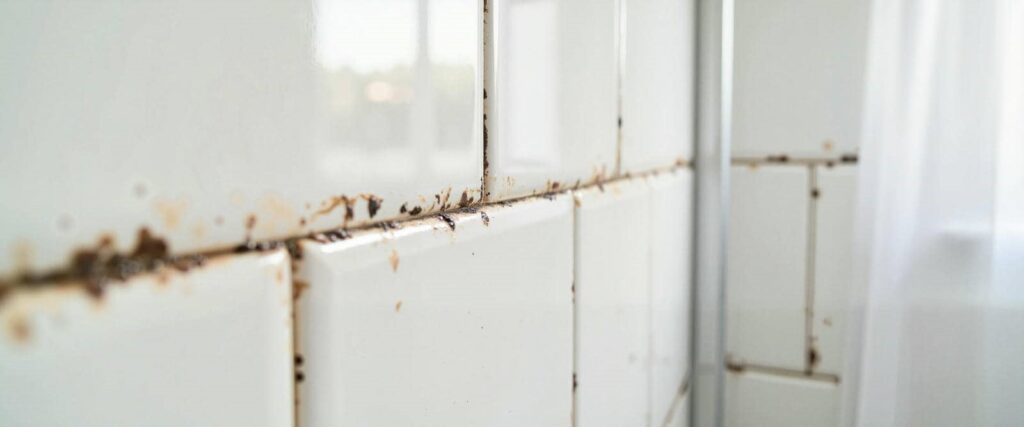
Although mold can seem like a minor inconvenience, it poses significant health risks and structural dangers if left unchecked. Mold toxicity can lead to respiratory issues, allergic reactions, and even chronic illnesses, affecting not just you but everyone in your home.
Poor indoor air quality is often a direct result of mold growth, which can circulate harmful spores that trigger health problems.
You mightn’t realize that mold can thrive in damp, dark environments, making it essential to address any water damage immediately. Ignoring the problem can lead to escalating mold infestations, compromising the structural integrity of your home.
Assessing the Extent of Water Damage
Before you can effectively remediate mold, you need to accurately assess the extent of water damage in your home. Start by identifying the water source—whether it’s a burst pipe, roof leak, or flooding. Understanding this will help you determine how much water has infiltrated your space.
Next, create a damage timeline; this is essential for evaluating how long the water’s been present and the potential for mold growth.
Inspect all affected areas, including walls, floors, and ceilings, looking for discoloration, warping, or musty odors. Don’t overlook hidden spaces, like behind appliances or inside cabinets, where moisture can linger unseen.
Document your findings with photos and notes to track the severity of the damage, which will aid in planning the remediation process. This thorough assessment lays the foundation for effective mold remediation and ensures you address the problem comprehensively.
Safety Precautions for Mold Remediation
When you begin the mold remediation process, prioritizing safety is essential to protect yourself and others in the environment.
Start by gathering the right protective gear, including gloves, masks, and goggles. These items will shield you from mold spores and harmful substances often released during remediation.
Next, familiarize yourself with safety guidelines specific to mold removal. Ascertain that your workspace is well-ventilated to minimize inhalation risks. If the area is extensive, consider using an N95 respirator or a more advanced mask to provide adequate protection.
It’s also wise to keep vulnerable individuals, like children or those with respiratory issues, away from the affected area.
Effective Mold Removal Techniques
With safety measures in place, you can now focus on effective mold removal techniques to tackle the problem head-on.
Implementing the right cleaning techniques is vital for successfully eliminating mold and preventing its return. Here are three essential methods:
- Soap and Water: Start with a simple mixture of soap and water. Use a scrub brush to effectively clean hard surfaces, ensuring you remove all visible mold.
- Vinegar Solution: For a more natural approach, use a vinegar solution (1 part vinegar to 1 part water). It cleans and helps inhibit mold growth due to its acidity.
- Commercial Mold Removers: If the mold persists, consider specialized mold removal products. These are formulated for tougher jobs and can penetrate surfaces to eliminate mold spores effectively.
Drying and Dehumidifying Affected Areas
To effectively combat mold growth after water damage, drying and dehumidifying the affected areas must be your top priority. Start by using fans and heaters to promote airflow, ensuring that moisture evaporates quickly.
Pay attention to dehumidifier placement; position your dehumidifier in the most humid areas, ideally near the source of the water damage. This strategic placement enhances moisture control and speeds up the drying process.
Monitor humidity levels regularly with a hygrometer, aiming for a relative humidity below 60%. If you’re dealing with extensive damage, consider using multiple dehumidifiers to cover larger spaces.
Remember, even small pockets of moisture can lead to mold growth, so be thorough. Once everything is dry, check for any hidden moisture, such as in walls or under floors, to prevent future problems.
Your diligence in drying and dehumidifying will greatly contribute to a mold-free environment.
Preventing Future Mold Growth
Although drying and dehumidifying are essential steps, you must also implement preventive measures to keep mold from returning. Taking proactive steps helps protect your space and fosters a sense of community well-being.
- Use mold-resistant materials: When renovating or repairing, opt for mold-resistant drywall, paint, and insulation. These materials can considerably reduce mold growth in moisture-prone areas.
- Improve ventilation: Ensure proper airflow in your home. Install exhaust fans in bathrooms and kitchens, and consider using dehumidifiers in damp areas to maintain low humidity levels.
- Regularly inspect and maintain: Routinely check for leaks and water damage. Address any issues immediately and keep an eye on areas prone to moisture, such as basements and crawlspaces.
When to Seek Professional Help
If you notice extensive mold growth in your home, it’s essential to take into account professional help.
Mold can pose serious health risks, especially for individuals with respiratory issues or weakened immune systems.
Seeking expert assistance ensures thorough remediation and minimizes health concerns.
Extensive Mold Growth
Mold proliferation can escalate quickly after water damage, making it essential to recognize when professional intervention is necessary.
If you notice extensive mold growth, consider seeking help if:
- You encounter multiple mold types, indicating varying growth conditions that complicate removal.
- The affected area exceeds 10 square feet, as larger infestations require specialized equipment and expertise.
- You see mold in HVAC systems or insulation, where contamination can spread silently and rapidly.
Addressing mold issues promptly helps protect your home and well-being.
Professional remediators have the training and tools to handle extensive infestations safely and effectively.
Health Concerns Present
When health concerns arise due to mold exposure, it’s vital to seek professional help immediately.
Mold allergies can manifest as sneezing, itchy eyes, or skin rashes, indicating your body’s reaction to mold spores. If you or your family members experience these symptoms, don’t ignore them.
Furthermore, mold can trigger severe respiratory issues, especially in individuals with asthma or compromised immune systems. If you notice persistent coughing, wheezing, or difficulty breathing, it’s important to act swiftly.
Professionals identify hidden mold and implement thorough remediation strategies to ensure your home is safe.
Your health is paramount, and addressing mold concerns promptly can help prevent long-term complications for you and your loved ones.
Don’t hesitate to reach out for help.
Frequently Asked Questions
Can Mold Spores Become Airborne During the Remediation Process?
Yes, mold spores can become airborne during remediation, swirling like dust in sunlight. This can greatly affect air quality, so you must use proper containment and protective gear to minimize exposure and ensure safety.
How Long Does It Typically Take for Mold to Grow After Water Damage?
Mold growth typically starts within 24 to 48 hours after water damage, depending on various water damage factors like moisture levels and temperature. Understanding this mold growth timeline is essential for timely remediation efforts.
What Personal Protective Equipment Is Necessary for DIY Mold Remediation?
You’ll need protective gear like gloves, goggles, and a mask to ensure safety during DIY mold remediation. Following these safety guidelines helps minimize health risks and keeps you and others safe from mold exposure.
Will Bleach Effectively Kill All Types of Mold?
Bleach doesn’t banish all mold species; it often fails against stubborn strains. Instead, consider bleach alternatives like vinegar or hydrogen peroxide to effectively eliminate various molds while ensuring safety and sustainability in your environment.
Are There Specific Types of Mold That Are More Harmful Than Others?
Yes, certain mold types, like black mold (Stachybotrys), are more harmful due to their potential to release toxic spores. It’s essential that you identify and address these specific molds promptly to ensure a safe environment.
Final Thoughts
In the aftermath of water damage, facing mold can feel overwhelming, yet your proactive steps can turn despair into hope. By understanding the dangers, prioritizing safety, and employing effective removal techniques, you reclaim your space from the grip of mold. It’s a delicate balance between urgency and caution—addressing the immediate threat while laying the groundwork for a healthier environment. Remember, taking these actions protects your home and your well-being, ensuring peace of mind for the future.
Recent Posts
Steps for Urgent Commercial Water Damage Recovery
Imagine arriving at your commercial property to find several inches of water covering the floor
Guide to Structural Drying After Water Damage
When faced with water damage, it’s essential to act swiftly and methodically. You’ll need to
Effective Structural Drying Techniques After Water Damage
When water damage strikes, can you afford to wait? Effective structural drying is vital to