
Contents
After flooding, mold removal is essential to safeguard your health and property. You need to assess the extent of mold growth quickly, as delays can lead to more severe damage. Safety precautions are critical during this process to protect yourself from harmful spores. Understanding effective cleaning techniques and proper drying methods will be key in managing the situation. Let’s explore how to tackle these challenges systematically to ensure a thorough recovery.
Key Takeaways
- Conduct a thorough inspection of all affected areas, including hidden spaces, to assess mold growth extent after flooding.
- Remove standing water immediately using pumps or wet vacuums to prevent mold proliferation.
- Dry out affected areas by enhancing airflow with fans and dehumidifiers to lower humidity levels.
- Wear appropriate PPE and use effective cleaning techniques, including scrubbing surfaces with a bleach solution for non-porous areas.
- Regularly monitor and maintain indoor humidity below 60% to prevent future mold growth.
Assessing the Extent of Mold Growth
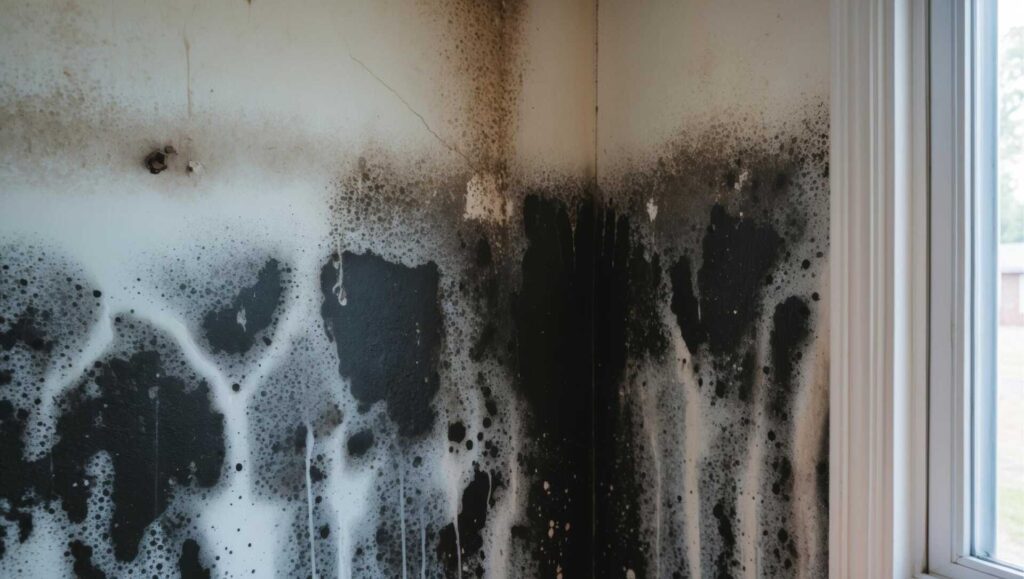
When you assess the extent of mold growth after flooding, it’s crucial to begin with a thorough inspection of affected areas. Start by checking hidden spaces, like behind walls and under carpets, as mold can thrive in damp, dark environments.
Use a flashlight to illuminate these areas, looking for discoloration, a musty smell, or visible mold patches. Don’t forget to inspect HVAC systems, as moisture can circulate mold spores throughout your home. Document your findings with photographs and notes, detailing the size and location of mold growth.
Next, gauge the moisture levels using a hygrometer, as high humidity encourages mold proliferation. Identify the source of moisture—whether it’s residual water or humidity—and address it promptly.
This understanding will guide your next steps in mold removal. By being diligent in your assessment, you’re laying the groundwork for effective remediation and ensuring your space remains safe and healthy for everyone.
Safety Precautions During Mold Removal
Before you begin mold removal, it’s essential to prioritize safety to protect yourself from potential health hazards. Equip yourself with proper personal protective equipment (PPE), including gloves, goggles, and an N95 respirator mask. These items shield you from inhaling spores and direct contact with mold, which can cause respiratory issues and skin irritation.
Ensure the area is well-ventilated by opening windows and using fans to circulate air. If possible, isolate the contaminated space by closing doors or using plastic sheeting to prevent mold spores from spreading to other areas.
It’s also wise to avoid using bleach, as it may not effectively eliminate mold and can create harmful fumes when mixed with other cleaners.
Lastly, if the mold covers a large area or if you have health concerns, consider consulting a professional. Prioritizing these safety measures will help you navigate the mold removal process more effectively.
Effective Cleaning Techniques for Mold
Once you’ve confirmed your safety, it’s time to focus on effective cleaning techniques for mold removal. Start by gathering essential supplies: a mixture of water and detergent, a scrub brush, and protective gear.
For non-porous surfaces, use a solution of one cup of bleach mixed with a gallon of water to kill mold spores effectively. Scrub the affected area thoroughly, making sure you don’t overlook corners or hidden spots.
When dealing with porous materials like drywall or carpet, it’s often best to remove and replace them, as mold can embed itself deeply. Remember to seal any debris in plastic bags to prevent spores from spreading.
After cleaning, ventilate the area by opening windows and using fans to help air out the space. Always confirm that you dispose of cleaning materials properly to keep your environment safe.
These techniques remove mold and foster a healthier, more welcoming living space.
Drying and Dehumidifying Affected Areas
To effectively dry and dehumidify areas affected by flooding, aim to reduce moisture levels as quickly as possible.
Begin by removing any standing water using pumps or wet vacuums. Afterward, open windows and doors to promote airflow. Use fans to circulate air, which helps speed up the drying process.
Next, employ dehumidifiers to extract moisture from the air. Set them to a high setting, and regularly empty the water reservoir. You’ll want to monitor humidity levels using a hygrometer; ideally, keep it below 60%.
Inspect hidden areas like behind walls and under floors, as moisture can linger there, fostering mold growth.
If necessary, consider professional assistance to ensure thorough drying. By taking these steps, you protect your space and foster a sense of community by sharing knowledge and resources with others facing similar challenges.
Preventing Future Mold Growth
While drying and dehumidifying your space are critical steps in mold remediation, taking proactive measures to prevent future mold growth is essential for long-term health and safety.
Start by ensuring proper ventilation throughout your home. Use exhaust fans in kitchens and bathrooms, and open windows whenever possible to reduce humidity. Regularly inspect areas prone to moisture, like basements and attics, and address leaks immediately.
Consider using mold-resistant products when renovating or repairing. Paints and drywall designed to inhibit mold growth can provide an added layer of protection.
Additionally, keep indoor humidity levels below 60% using dehumidifiers, especially in damp areas.
Finally, maintain a regular cleaning schedule, focusing on areas that can accumulate moisture, such as shower curtains and window sills.
Summary
Tackling mold after flooding is essential, much like extinguishing a fire before it spreads. By evaluating the extent of growth, prioritizing safety, employing effective cleaning techniques, and ensuring thorough drying, you can regain control of your environment. Remember, preventing future mold growth is just as important as removal. Stay vigilant and proactive to keep your space healthy and mold-free, ensuring your home remains a safe haven for you and your loved ones.
Recent Posts
Top 5 Commercial Mold Inspection Best Practices
When it comes to commercial mold inspection, you can’t overlook the significance of best practices.
Why Prioritize Best Practices in Mold Inspection?
You might find it coincidental that mold can thrive in the very spaces you consider
What Are Best Practices for Commercial Mold Inspection?
When it comes to commercial mold inspection, understanding the implications of mold growth is vital