
Contents
When floodwater rises like a clock in reverse, you need to act fast. Property Restoration starts by securing the site, assessing visible and hidden damage, and documenting every affected area for insurance and recovery planning. Then you’ll extract water, dry the structure, and control mold before it spreads. Structural repairs, content protection, and contractor selection all follow, but the order matters more than you might think.
Key Takeaways
- Shut off electricity, document damage, and remove wet items safely to limit further flood damage.
- Extract standing water quickly and dry walls, floors, and contents with fans and dehumidifiers.
- Prevent mold by removing wet porous materials, cleaning affected areas, and keeping humidity below 60%.
- Assess hidden structural damage and moisture migration before closing walls or starting repairs.
- Choose a licensed restoration company with flood, drying, and mold remediation experience.
What to Do First After Flood Damage?
Before you enter a flooded property, make sure the area is safe by shutting off electricity, avoiding standing water, and checking for structural hazards.
Then document the damage with clear photos and notes before you move anything. Contact your flood insurance provider right away so you can start the claim process and confirm required evidence.
Remove wet rugs, furniture, and valuables only if it’s safe, and ventilate the space to slow mold growth. If you can, set up dehumidifiers and fans after the main water source is controlled.
Keep receipts for emergency expenses and temporary repairs.
These homeowner tips help you protect your home, support your claim, and stay organized while your restoration team works with you to recover quickly and safely.
What a Commercial Damage Assessment Covers
Once you’ve secured the site and documented the initial loss, a commercial damage assessment identifies the full scope of impact so restoration can be planned correctly.
You’ll get a structured damage evaluation that helps you protect operations, coordinate with your team, and support insurance claims.
- Structural condition checks
- Moisture and contamination mapping
- Material loss documentation
- Risk prioritization for affected areas
Your assessor reviews visible and hidden damage, records affected surfaces, and notes code, safety, and occupancy concerns.
This report gives you clear, shared language with adjusters, contractors, and facility leaders. You’re not guessing; you’re working from evidence.
With accurate measurements, photos, and findings, you can make informed decisions, reduce delays, and stay aligned with the people helping you recover.
Commercial Water Extraction for Businesses
Commercial water extraction removes standing water quickly to limit saturation and prevent secondary damage.
You’ll protect equipment, inventory, and interior materials by using controlled extraction methods and targeted moisture removal.
This rapid response also helps minimize operational downtime so you can resume business sooner.
Rapid Water Removal
Floodwater can spread quickly through a business, so rapid water removal must start immediately to limit structural damage, corrosion, and mold growth.
In your flood response, you should shut off affected systems, verify water safety, and deploy high-capacity extraction to lower saturation fast. Your team can remove standing water with truck-mounted vacuums, submersibles, and weighted tools, then track moisture in floors and walls to confirm drying progress.
When you act together, you protect operations and reduce downtime.
- Extract water from carpets, slabs, and cavities
- Measure moisture with calibrated meters
- Ventilate spaces to accelerate evaporation
- Document conditions for a precise flood response
Protecting Business Assets
To protect business assets during water intrusion, you need to remove moisture fast and in the right order so equipment, inventory, documents, and finishes suffer less damage.
You should start with a risk assessment that identifies priority zones, then use commercial extraction to target pooled water around servers, shelving, and workstations.
Your asset management plan should guide handling for sensitive electronics, paper files, and packaged goods, because each material needs a different drying approach.
You’ll also want to isolate salvageable items, label affected contents, and document losses for accurate restoration records.
By acting methodically, you reduce corrosion, swelling, staining, and microbial growth.
When you work with a restoration team that understands your business goals, you protect what you’ve built and keep your facility’s value intact.
Minimizing Operational Downtime
When water enters your facility, fast commercial extraction helps you cut downtime by removing standing water before it spreads into production areas, electrical systems, and storage zones.
You keep your team aligned, protect critical equipment, and preserve business continuity with targeted pumps, vacuums, and moisture mapping. Rapid response also supports risk management by limiting slip hazards, corrosion, and microbial growth.
- Isolate affected zones quickly
- Extract water from flooring and substrates
- Verify hidden moisture with meters
- Restore operations with fewer delays
You can coordinate cleanup with your staff, maintain clear communication, and return to service faster.
That shared approach strengthens your response and helps your organization stay resilient when disruptions hit.
How to Dry Walls, Floors, and Contents
Start drying immediately to limit structural damage and mold growth. You should remove standing water, then open wall cavities where needed so air reaches framing and insulation.
Use wall drying techniques such as low-grain dehumidifiers, directed airflow, and controlled heat to lower moisture evenly. Check readings with moisture measurement tools at drywall, trim, subfloors, and contents, and compare them until levels stabilize.
Lift carpets, prop furniture, and separate books, textiles, and electronics so each item dries from all sides. You can wipe hard surfaces, rotate items often, and replace saturated porous materials that won’t dry within a practical timeframe.
Keep the area ventilated, document progress, and coordinate with your restoration team so you’re restoring your space safely and efficiently.
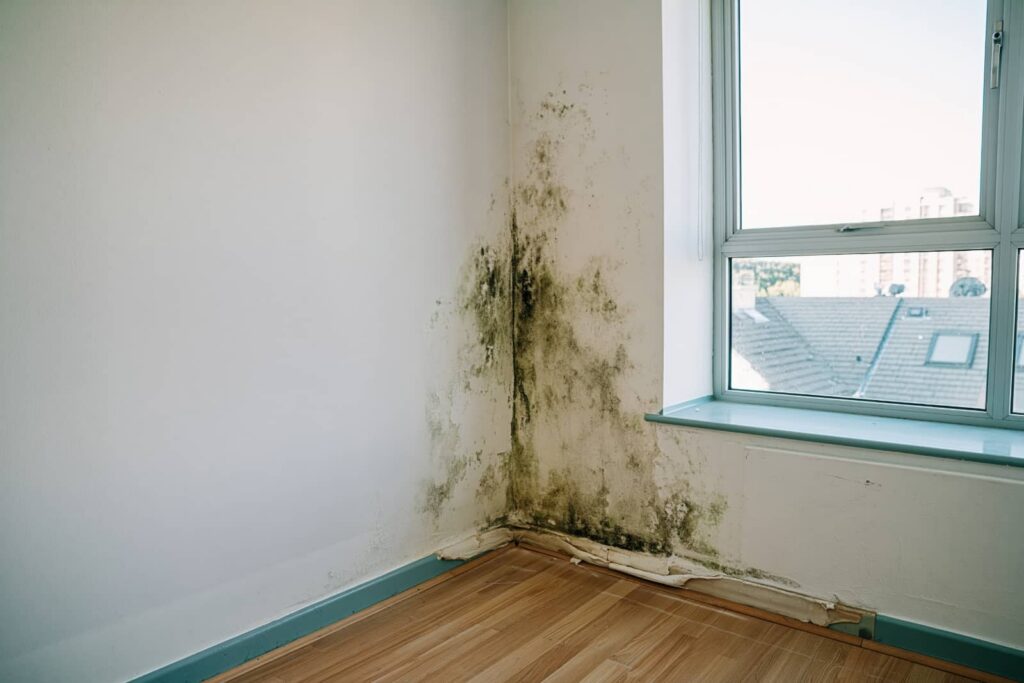
Why Mold Remediation Matters After Flooding?
Mold can take hold fast after flooding, and remediation matters because even brief moisture exposure can trigger growth behind walls, under flooring, and inside contents you may not see.
When you act quickly, you protect your space and support mold health for everyone who lives or works there. You also reduce structural decay and limit allergen buildup.
Use proven remediation techniques to isolate affected areas, remove porous materials that stayed wet, and verify hidden moisture with professional testing.
- Stops colony spread
- Reduces airborne spores
- Protects shared spaces
- Supports faster recovery
You don’t have to manage this alone; coordinated remediation helps your property return to a safe, familiar condition with less disruption and more confidence.
How to Clean and Sanitize Flooded Areas
After floodwater recedes, you should clean and sanitize affected areas in a controlled sequence to remove residue, reduce contamination, and prepare surfaces for drying and repair.
Wear protective gear, shut off utilities if needed, and ventilate rooms before you begin.
Remove mud, silt, and visible debris with disposable tools, then wash hard surfaces with detergent and clean water. Rinse thoroughly, then apply an EPA-registered disinfectant according to label directions and required contact time.
Follow flood safety guidance and keep children and pets away.
Replace cleaning cloths often, and use separate buckets for dirty and clean water. Work from cleaner zones toward heavily contaminated ones.
Document your sanitation protocols so your team stays coordinated and your home feels safer, cleaner, and ready for the next stage of recovery.
How to Repair Structural Damage After Flooding
Once the site is clean and dry enough for inspection, you can assess the structure for damage and begin repairs in a controlled sequence.
Start with a structural assessment to identify warped framing, cracked masonry, and compromised load paths. Then prioritize foundation reinforcement where settling, rotation, or erosion has reduced support.
- Verify joists, beams, and posts for deflection
- Replace any rotted sill plates and anchors
- Refasten sheathing to restore lateral stability
- Document repairs so your team stays aligned
You should use compatible materials and follow local codes so each repair restores capacity without introducing new weaknesses.
If you uncover movement beyond superficial damage, bring in a licensed engineer before you close walls or apply finishes. That way, your crew works with confidence and your building regains safe, reliable performance.
How to Protect Inventory and Equipment
With the structure stabilized, shift attention to anything stored inside the building and the equipment needed to get operations running again.
You should document each item, separate salvageable assets from damaged ones, and move vulnerable materials to dry, secure inventory storage.
Use shelving, pallets, and sealed containers to keep contents off wet floors and away from impact.
For equipment protection, disconnect power, label components, and cover machinery with breathable tarps rather than plastic that traps moisture.
Clean mud and debris from tools with approved methods, then inspect cords, motors, and controls before reuse.
If you work methodically, your team can recover faster and keep everyone aligned on what’s ready, what needs repair, and what must stay out of service until it’s safe.
How to Prevent Mold Growth After Restoration
To prevent mold growth after restoration, you need to eliminate moisture quickly and verify that affected materials are fully dry before rebuilding or reopening the space.
You protect your facility by using mold prevention techniques that target hidden dampness, airflow stagnation, and residue on porous surfaces. Maintain humidity control with dehumidifiers, ventilation, and regular monitoring so indoor levels stay below 60%.
- Inspect wall cavities, flooring, and insulation.
- Dry contents with directed airflow.
- Remove contaminated porous materials when needed.
- Document moisture readings until they stabilize.
You also reduce risk by sealing leaks, cleaning dust, and watching for musty odors or spotting.
When you stay consistent, you help your team return to a safer, healthier environment with confidence and shared trust.
How to Choose a Commercial Restoration Company
When you choose a commercial restoration company, verify that its team holds the proper licensing and industry certifications for flood and mold remediation.
You should also confirm its emergency response time, since rapid mobilization limits secondary damage and contamination spread.
Finally, review the full scope of restoration services so you know whether the contractor can handle extraction, drying, cleanup, decontamination, and reconstruction.
Licensing And Certifications
A qualified commercial restoration company should hold the proper state and local licenses, along with industry-recognized certifications that verify its technicians can handle flood and mold remediation safely and correctly.
You should confirm licensing requirements before you sign, because compliance shows the firm can work within code, insurance, and environmental rules.
Certification importance matters too: credentials from IICRC, OSHA, or similar programs indicate trained crews, documented methods, and consistent quality control.
Choose partners who can explain their credentials clearly, so you feel confident you’re joining a capable team.
- Verify active licenses
- Check mold and water certifications
- Ask for training records
- Confirm liability coverage
Emergency Response Time
Beyond credentials and compliance, response speed often determines how much damage a commercial property sustains after a flood or mold event. You need a restoration partner that answers quickly, mobilizes crews, and confirms arrival windows without delay.
Ask how they measure emergency preparedness, including after-hours dispatch, local coverage, and communication protocols. Strong response strategies should reduce water migration, limit microbial growth, and preserve structural materials before conditions worsen.
You’ll also benefit from clear escalation paths, so your team knows who to contact and what to expect. A company that tracks service times and maintains standby resources usually handles urgent losses with greater consistency.
When you choose a responsive provider, you protect operations, reduce downtime, and join a network of clients who value decisive action.
Scope Of Restoration Services
Scope of restoration services should match the full range of damage your facility faces, not just the most visible symptoms. You need a provider that evaluates structural, microbial, and contents loss, then applies targeted restoration techniques.
Strong teams begin with damage assessment, documenting moisture migration, hidden mold, and material failure so you can make informed decisions fast.
- Demolition and debris removal
- Water extraction and structural drying
- Mold containment, cleaning, and remediation
- Repairs, sanitation, and odor control
When you compare companies, confirm they can scale from emergency mitigation to full rebuild support.
You’ll protect operations better when one contractor coordinates trades, verifies safety, and keeps communication clear. That’s how your team stays aligned, confident, and ready to recover.
Frequently Asked Questions
How Long Does Insurance Reimbursement Usually Take After Flood Restoration?
You’ll usually see insurance reimbursement in 2 to 6 weeks, but the insurance claim process and reimbursement timelines can stretch longer if inspections, documentation, or approvals lag. Stay proactive, and you’ll fit right in.
Can Business Operations Continue During Property Restoration Work?
Yes, you can often keep operations running—if you act fast. Your business continuity depends on restoration strategies that isolate affected zones, reroute workflows, and protect staff. The catch? Delays can quickly force a shutdown.
What Permits Are Needed for Commercial Flood Damage Repairs?
You’ll need commercial repair permits, and often flood restoration regulations require building, electrical, plumbing, and environmental approvals. You should verify local codes, secure inspection signoffs, and coordinate with your contractor so you stay compliant together.
How Often Should Restored Buildings Be Inspected for Hidden Moisture?
You should inspect restored buildings every 3–6 months, then annually after two years. Like a silent tide, hidden moisture can linger. Your inspection frequency should include moisture detection tools, wall cavities, and HVAC systems.
Are Contents Like Documents and Electronics Always Salvageable After Flooding?
No, you can’t always salvage them after flooding. You should prioritize document preservation and electronic restoration quickly, since water, contamination, and drying delays can permanently damage pages, circuits, and data before you recover them.
Recap
When floodwater hits, you face two realities at once: visible damage and hidden risk. You can extract water, dry materials, and stabilize the structure, yet mold can still spread in dark seams and behind walls. So you need fast action, documented assessment, and targeted remediation. Choose a qualified restoration company that knows how to restore assets, protect health, and prevent recurrence. With the right response, you don’t just recover—you rebuild with control and confidence.
Recent Posts
Structural Drying for Flooded Property Restoration
When water invades a structure, both speed and strategy matter. Flooded property restoration starts by
What Is Structural Drying After Flooding
The majority of flood damage problems can worsen when moisture remains trapped in building materials,
5 Tips for Structural Drying After Flooding
After a flood, you need to act fast, or moisture can continue spreading behind walls