
Contents
When faced with water damage, it’s like steering through a stormy sea; you need a solid plan to reach safety. Start by evaluating the extent of the damage, as this will guide your next steps. Safety precautions are essential to protect yourself from electrical hazards and contaminants. Once you’ve ensured a safe environment, the real work begins. What comes next is important for effective recovery and preventing further complications.
Key Takeaways
- Assess safety by turning off electricity and wearing protective gear before entering affected areas.
- Remove standing water using pumps or wet vacuums, ensuring safe drainage to prevent further accumulation.
- Thoroughly dry affected areas by removing wet materials and using fans and dehumidifiers to lower humidity levels.
- Inspect for mold growth in hidden spaces and address any signs promptly to mitigate health risks.
- Clean surfaces with suitable disinfectants, rinse thoroughly, and dry completely to prevent future mold development.
Assess the Extent of Water Damage
How do you know just how extensive the water damage is? Start by inspecting the affected area thoroughly. Look for visible signs like discoloration, warping, or peeling paint. These can indicate moisture infiltration.
Next, check for musty odors, as they often signal hidden mold growth. Use a moisture meter to measure the humidity levels in walls and flooring; readings above 15% usually suggest significant water damage.
Don’t forget to assess your belongings. Move furniture and personal items to check for dampness. If you find waterlogged materials, document them with photos for insurance purposes.
Pay close attention to hidden spaces, such as behind appliances or inside cabinets, as damage often lurks there unnoticed. Understanding the extent of the damage is vital for effective remediation.
Ensure Safety Precautions
Before you begin any removal or cleanup after water damage, it’s crucial to ensure your safety. Start by turning off the electricity in the affected areas to prevent electrocution.
Wear protective gear, including waterproof boots, gloves, and a mask, to shield yourself from contaminants and mold. If the water is contaminated, avoid direct contact.
Next, assess the structure for stability. Look for sagging ceilings and weakened floors. If you notice any signs of structural damage, it’s best to consult a professional before proceeding.
Keep a first aid kit nearby, just in case of minor injuries. Verify proper ventilation by opening windows or using fans to reduce humidity and prevent mold growth.
Finally, have a clear plan in place to avoid panic during the cleanup process. By prioritizing safety, you’re protecting yourself and promoting a sense of community care for those affected.
Remove Standing Water
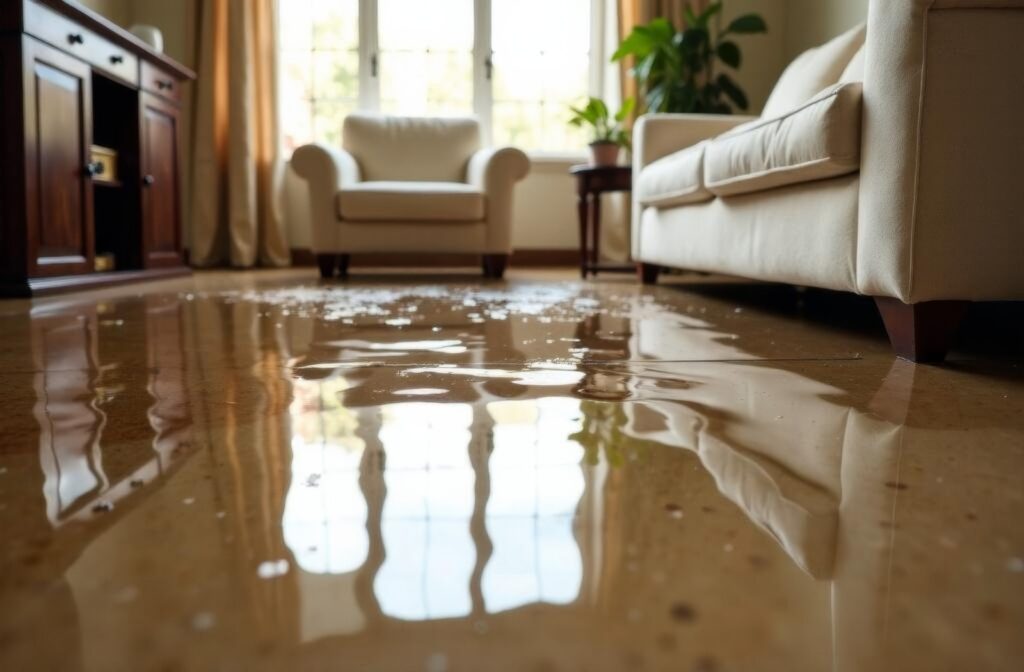
Before you start removing standing water, assess the water levels to determine the extent of the damage and the necessary equipment.
Use appropriate tools, such as pumps or wet vacuums, to efficiently extract the water, ensuring you’re adhering to safety protocols throughout the process.
Finally, make certain safe drainage to prevent further water accumulation and protect your property from additional risks.
Assess Water Levels
As you begin the safe removal process after water damage, it’s vital to accurately evaluate water levels to effectively remove standing water.
Start by identifying the areas most affected, noting the depth and extent of the water. Use a measuring tool, like a tape measure, to gauge how deep the water is in various spots. This information helps prioritize which areas require immediate attention.
Pay close attention to hidden pockets, such as under furniture or in corners, where water may accumulate unnoticed. Keep track of any changes in water levels over time to monitor the situation.
Use Proper Equipment
To effectively remove standing water, you’ll want to utilize the right equipment to ensure a thorough and safe extraction process.
Start by using a submersible pump, which quickly removes large volumes of water. For smaller areas, a wet/dry vacuum is perfect for suctioning up residual moisture.
Make certain to wear appropriate personal protective equipment, like gloves and boots, to safeguard yourself from contaminants.
After extraction, employ dehumidifiers and fans to eliminate lingering dampness, preventing mold growth.
Monitor the humidity levels with a hygrometer to ascertain a dry environment.
Ensure Safe Drainage
Ensuring safe drainage is essential after water damage, especially when it comes to removing standing water efficiently.
To effectively manage this process, follow these steps:
Assess the Area: Identify the source of the water and any potential hazards, such as electrical equipment or structural damage, before proceeding.
Use Appropriate Tools: Utilize pumps or wet vacuums to extract water, ensuring you have the right equipment for the job to avoid further complications.
Monitor the Environment: Keep an eye on humidity levels and ventilation to prevent mold growth as you remove standing water.
Dry Affected Areas Thoroughly
One essential step in the aftermath of water damage is drying affected areas thoroughly. Start by removing any standing water using a wet vacuum or pump.
Once the bulk of the water is gone, focus on materials that retain moisture, like carpets, padding, and drywall. It’s imperative to lift and remove wet carpets to prevent further damage.
Next, employ fans and dehumidifiers to enhance airflow and expedite the drying process. Position fans strategically to maximize circulation, and set dehumidifiers to a low level to extract moisture.
Monitor humidity levels with a hygrometer; they should ideally stay below 60%.
Don’t forget to check hidden spaces, such as behind walls or beneath cabinets, where moisture can linger. If you’re using heat sources, make sure they’re safe and monitored.
Thorough drying is essential to mitigate long-term damage, ensuring your space remains healthy and comfortable for everyone.
Inspect for Mold Growth
After you’ve dried the affected areas, it’s crucial to inspect for mold growth, as moisture creates an ideal environment for mold spores to thrive.
Mold can develop rapidly, often within 24 to 48 hours after water exposure. To ensure a thorough inspection, follow these steps:
Check Hidden Areas: Look behind walls, under carpets, and in HVAC systems, as mold often hides in less visible places.
Smell for Mustiness: A strong, musty odor is a common sign of mold presence. Trust your senses; they can guide you to problem areas
Examine Surfaces: Inspect for discoloration, spots, or fuzzy growth on walls, ceilings, and furniture. If you see these signs, take them seriously.
Remove Contaminated Materials
Once you’ve identified the materials affected by water damage, it’s essential to prioritize their removal to prevent further contamination.
Make sure to follow proper disposal methods for each type of material, whether it’s drywall, insulation, or carpeting.
This systematic approach safeguards your health and helps restore your space effectively.
Identify Affected Materials
As you assess the damage caused by water, it’s crucial to identify affected materials promptly to prevent further complications.
Begin by inspecting all areas that came into contact with water. This systematic approach ensures you don’t overlook anything critical.
Look for:
Wood: Check for warping, swelling, or discoloration, as these indicate damage.
Drywall: Look for signs of sagging, soft spots, or mold growth, which suggest moisture retention.
Insulation: Determine if it’s wet or has absorbed water, as this can compromise its effectiveness and promote mold.
Proper Disposal Methods
When contaminated materials are identified, it’s essential to dispose of them properly to mitigate health risks and prevent further damage.
Start by wearing protective gear, including gloves and masks, to shield yourself from harmful pathogens. Seal contaminated items in heavy-duty plastic bags, making sure they’re tightly closed to avoid leaks.
Follow your local regulations for hazardous waste disposal, as some materials may require specific handling. For non-hazardous items, you can usually place them with regular trash, but check local guidelines to confirm.
If you’re unsure, consult a professional waste disposal service. Always document what you’re disposing of for insurance purposes.
Following these steps helps promote a safer environment for you and your community.
Clean and Disinfect Surfaces
To effectively restore your space after water damage, cleaning and disinfecting surfaces is essential. This process removes dirt and debris and eliminates harmful pathogens that may thrive in damp conditions.
Follow these steps for ideal results:
Use a Proper Cleaning Solution: Select a disinfectant that’s effective against waterborne bacteria and mold. Verify it’s suitable for the surfaces you’re treating.
Scrub Thoroughly: Employ a scrub brush or cloth to vigorously clean each surface, paying special attention to corners and crevices where contaminants can hide.
Rinse and Dry: After scrubbing, rinse surfaces with clean water to remove any residue. Dry the areas completely to prevent future mold growth.
Implement Prevention Strategies
Implementing effective prevention strategies is essential for minimizing the risk of water damage in your space. Start by inspecting your plumbing regularly for leaks or corrosion. Replace any worn-out fixtures and ensure your water pressure is within recommended limits.
Next, invest in quality sump pumps and confirm they’re functioning properly. Installing water alarms can alert you to leaks early, allowing for prompt action.
Additionally, maintain your gutters and downspouts to direct water away from your foundation. Regularly check your roof for missing shingles or cracks, addressing any issues immediately.
Consider applying waterproof sealants in basements or crawl spaces to provide an extra layer of protection.
Finally, educate your family about water conservation practices and the importance of reporting issues. By taking these proactive steps, you create a safer environment, fostering a sense of community in your home while protecting your investment.
Summary
In the aftermath of water damage, your swift action can transform chaos into control. By evaluating the damage and ensuring safety, you lay the groundwork for effective restoration. Thorough drying and mold inspections are essential for a healthy environment, and cleaning surfaces ensures a fresh start. With careful planning and diligent prevention strategies, you can safeguard your space against future challenges.
Recent Posts
Steps for Urgent Commercial Water Damage Recovery
Imagine arriving at your commercial property to find several inches of water covering the floor
Guide to Structural Drying After Water Damage
When faced with water damage, it’s essential to act swiftly and methodically. You’ll need to
Effective Structural Drying Techniques After Water Damage
When water damage strikes, can you afford to wait? Effective structural drying is vital to