
Contents
Top Causes of Water Damage in Mesa
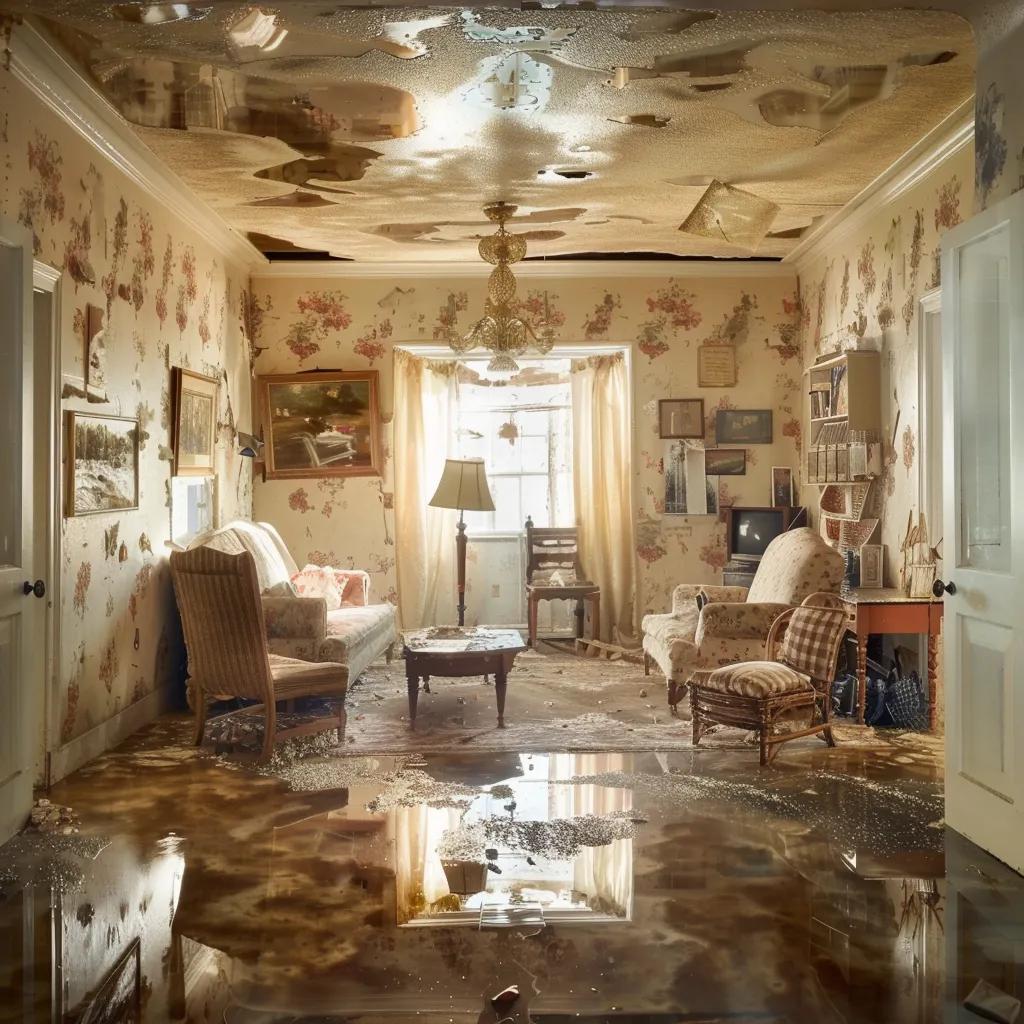
Water damage in Mesa homes can depreciate property value and create health hazards. Homeowners face challenges such as burst pipes, leaking roofs, appliance failures, flooding, foundation cracks, and HVAC system leaks. These issues may lead to structural degradation and mold growth if not addressed promptly. This article investigates the common causes of water damage in Mesa homes and provides actionable insights on prevention, early detection, and effective repair methods. It also covers the importance of professional restoration services, insurance considerations, and local expertise.
Transitioning from the introduction, the following sections outline the main causes of water damage and the best prevention techniques to protect Mesa homes.
What are the common causes of water damage in Mesa homes??
Water damage in Mesa most often results from multiple issues that compromise structural integrity and occupant health. Burst pipes, leaking roofs, malfunctioning appliances, flooding from heavy rains, foundation cracks, and HVAC leaks each contribute to the overall risk. These damages can worsen over time if not repaired, leading to widespread issues such as mold growth and weakened structures.
How do burst pipes cause water damage in Mesa?
Burst pipes are a major concern in Mesa due to temperature fluctuations and aging infrastructure. When a pipe bursts, it can release huge volumes of water that overwhelm drainage systems, flooding walls, floors, and ceilings. The resulting moisture damages materials like drywall and wood and creates an environment conducive to mold growth within 48 hours. Even a minor leak that escalates into a burst can incur repair bills that exceed 50% of the property’s value, especially when mold remediation is needed. Regular inspections, pressure regulators, and modern plumbing upgrades—including insulating pipes—are essential preventive measures. Quick professional intervention stops secondary damage such as structural weakening and mold infestation.
How do leaky roofs cause water damage in Mesa houses??
Leaking roofs occur because extreme temperatures and heavy rains accelerate the degradation of roofing materials like shingles or tiles. As the roof wears down, its ability to protect the interior diminishes. Water infiltrates insulation, ceilings, and walls; it can also harm electrical fixtures and metal components by causing rust. In Mesa’s harsh climate, particularly during monsoon seasons with occasional hailstorms, regular inspections of flashing, gutters, and downspouts are crucial. Annual professional roof assessments can catch minor issues before they develop into significant water intrusion problems. Addressing roof leaks promptly helps maintain indoor air quality and reduces the risk of mold development.
How do leaky appliances cause water damage in Mesa??
Appliances such as washing machines, dishwashers, and refrigerators can gradually cause significant water damage. Faulty seals or hoses may leak slowly, saturating cabinetry, walls, and floors. Because these leaks are gradual, they often remain unnoticed until substantial damage has occurred, leading to destroyed drywall, warped floors, and mold growth. Regular servicing, replacing worn-out parts, and installing modern appliances with leak detection sensors are important steps. In cases where damage is already present, professional restoration services can remove excess water and repair the affected areas, helping to prevent long-term structural and health hazards related to mold exposure.
What Role Does Flooding Play in Water Damage in Mesa?
Flooding, whether from heavy rainfall, burst water mains, or inadequate drainage, poses an immediate risk. When a home is flooded, water quickly overwhelms protective barriers and reaches every room. Floodwaters can damage foundations, submerge electrical outlets, and carry contaminants like sewage or debris into the living space. In Mesa, flash floods during monsoon seasons can lead to both visible and hidden water damage, with moisture accumulating beneath floors and in insulation. Installing sump pumps, grading the property properly, and keeping drainage systems clear are critical for flood prevention. Rapid professional restoration is essential to salvage materials and prevent further deterioration.
How Do Foundation Cracks Lead to Water Intrusion?
Foundation cracks may seem minor at first but allow water to seep into the structure. Over time, soil movement and temperature fluctuations widen these gaps, leading to significant water infiltration. This moisture weakens the foundation, causes uneven settling, and promotes corrosion of structural reinforcements. Regular inspections and preventative treatments—such as sealants and proper drainage systems—are essential. Addressing even small cracks early can prevent further deterioration, mold growth, and costly structural repairs.
Can HVAC System Leaks Cause Significant Water Damage?
HVAC system leaks, though often overlooked, can cause considerable damage if left undetected. Leaks in condensate drain lines or evaporator coils can allow water to pool inside air handlers and ducts, reducing system efficiency and leading to expensive repairs. In Mesa’s hot climate, HVAC systems operate continuously, increasing the risk of leak-related water damage. Regular maintenance, cleaning of drainage lines, and routine system checks are imperative for preventing moisture buildup. When in doubt, professional restoration services can inspect and repair these issues before they escalate into major problems.
How Can You Prevent the Top Causes of Water Damage in Mesa Homes?

Preventing water damage in Mesa requires systematic maintenance and timely repairs. By addressing issues such as burst pipes, leaking roofs, appliance malfunctions, flooding, foundation cracks, and HVAC leaks, homeowners can significantly reduce risk.
What Are Effective Ways to Prevent Burst Pipes in Mesa’s Climate?
Preventing burst pipes begins with regular plumbing inspections and proper insulation, particularly in unheated spaces vulnerable to freezing. Using temperature-controlled heating cables and pressure regulators helps maintain continuous flow. Homeowners should routinely check for signs of corrosion or leaks and replace outdated piping systems. Such preventive measures not only reduce sudden water damage but also extend the overall longevity of the plumbing network.
How Can Regular Roof Maintenance Reduce Leak Risks?
Regular roof maintenance is critical for preventing leaks. Annual roof inspections to check for missing shingles, damaged flashing, or clogged gutters are recommended. Prompt repairs and cleaning ensure that water flows off the roof instead of seeping into the home. Post-storm evaluations can detect early signs of wear, allowing minor issues to be resolved before they develop into major leaks. Investing in quality, weather-resistant roofing materials further minimizes vulnerability during Mesa’s extreme weather conditions.
What Are Best Practices for Detecting and Preventing Appliance Leaks?
To avoid appliance-induced water damage, regular maintenance and early leak detection are key. Homeowners should inspect washing machines, dishwashers, and refrigerators for worn seals or loose connections. Installing leak detectors in high-risk areas can provide early warnings. Scheduling routine service and upgrading to appliances with built-in leak prevention features can reduce the likelihood of unnoticed leaks that lead to long-term damage.
How Should Mesa Homeowners Prepare for Flooding Risks?
Preparation for flooding includes installing sump pumps and ensuring proper site grading to divert water away from the foundation. Homeowners should develop an emergency flood response plan that includes elevating valuables, securing important documents, and knowing evacuation routes. Clearing gutters, downspouts, and drainage systems during heavy rain seasons is crucial to prevent overflow. Flood barriers and window well covers offer additional protection. Keeping informed of local weather alerts and investing in flood insurance are also important measures for effective flood risk management.
What Maintenance Helps Avoid Foundation Cracks and Water Damage?
Regular inspection and maintenance of the foundation can prevent cracks and subsequent water intrusion. Homeowners should monitor the perimeter for any signs of settling or cracking and address problems immediately with professional assistance. Techniques such as installing French drains, grading the landscape, and sealing cracks with waterproof emulsion are effective. Periodic evaluations by structural engineers help ensure that minor issues do not escalate into costly repairs.
How Can You Detect and Fix HVAC Leaks Early?
Early detection of HVAC leaks is essential to prevent widespread water damage. Routine inspections of condensate drain lines, cooling coils, and ductwork help identify problems before extensive damage occurs. Homeowners should listen for unusual noises or look for moisture around HVAC units. Installing water leak sensors can provide automated alerts. Regular professional servicing and cleaning of drain lines reduce clogs and water backup, preserving system efficiency and protecting home structures.
What Are the Signs and Effects of Water Damage From These Causes?
Early identification of water damage is crucial to prevent long-term consequences and avoid expensive repairs. Visible signs include water stains, damp patches, and bubbling paint. Less obvious symptoms—such as persistent musty odors or unexplained mold growth—often signal hidden moisture accumulation. Water damage can range from minor cosmetic changes to major structural issues that compromise the home’s safety and lower its value.
How to Recognize Damage From Burst Pipes in Your Home?
Damage caused by burst pipes usually appears suddenly and is characterized by widespread pooling of water, especially under sinks or around water heaters. Homeowners may notice water marks on walls and ceilings, along with damp or sagging floors. Soft, discolored drywall and sagging ceilings are key indicators. In some cases, water infiltration may also disrupt electrical systems, leading to shorts or failures. Quick intervention is necessary to dry the affected areas and prevent further damage.
What Are the Warning Signs of a Leaking Roof?
Warning signs of a leaking roof include water stains on ceilings after rain, discoloration or peeling of paint, and visible sagging in the roof structure. In attics, the presence of mold or mildew is common when leaks persist. An unexplained increase in indoor humidity during the rainy season may also indicate a compromised roof. Routine post-storm inspections can help homeowners identify and address these issues promptly.
How Do Appliance Leaks Manifest in Household Damage?
Appliance leaks typically develop slowly, often going unnoticed until considerable damage has occurred. Common signs include puddles near washing machines or refrigerators, damp or warped flooring, and discoloration of cabinets. Over time, these leaks can cause wood to swell and mold to develop behind walls. Early detection through regular inspections is essential to prevent severe damage and health risks associated with mold.
What Are the Visible and Hidden Effects of Flooding?
Flooding leads to both immediate visible damage and concealed issues. Surface damage is evident from soaked carpets, stained drywall, and ruined furniture. However, moisture may also become trapped beneath floors or within wall cavities, resulting in hidden mold growth and structural deterioration. Floodwaters can also harm insulation and electrical systems, increasing energy costs and safety hazards. Comprehensive restoration is required to address both visible and hidden damage.
How Can Foundation Cracks Affect Structural Integrity?
Even small cracks in a foundation can allow water to penetrate deeply into the structure, leading to corrosion of reinforcements, uneven settling, and misaligned doors or windows. Over time, this intrusion can cause significant structural weakness without immediate visible signs. Regular inspection and early repair using sealants or underpinning methods are essential to maintain the safety and durability of the home.
What Health Risks Are Associated With Mold From Water Damage?
Mold growth resulting from water damage poses significant health risks, particularly for those with respiratory conditions or allergies. Exposure to mold spores can cause persistent coughing, wheezing, and severe allergic reactions. Prolonged exposure may lead to more serious respiratory illnesses. A musty odor is often the first hint of mold presence. Prompt water extraction, drying, and professional mold remediation are essential to protect the health of the occupants.
What Are the Best Solutions for Repairing Water Damage in Mesa Homes?
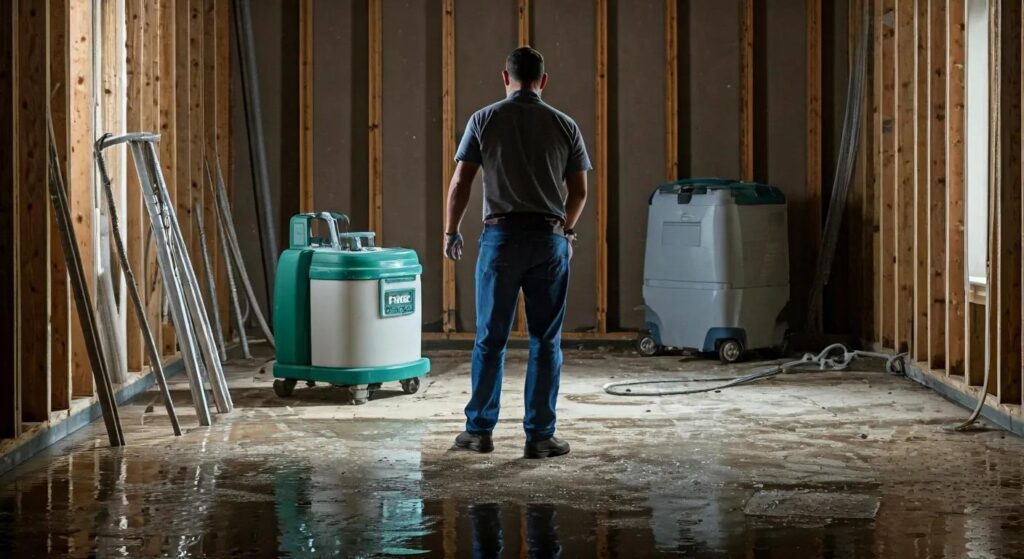
Repairing water damage requires both immediate water removal and long-term restoration. Professional water damage restoration services address the immediate concerns through water extraction, drying, and dehumidification, then move on to repairing structural damage. Solutions range from patching burst pipes and sealing roof leaks to rebuilding areas compromised by prolonged moisture exposure. Homeowners should document damage carefully for insurance purposes and work with reputable restoration experts to ensure lasting repairs.
How Does Professional Water Damage Restoration Work?
Professional restoration typically starts with a detailed assessment using moisture detection tools to locate visible and hidden water. The process includes water extraction, drying, and dehumidification, followed by sanitizing damaged areas. Tools like thermal imaging help identify moisture pockets that could foster mold growth. This comprehensive approach minimizes further damage and ensures that all residual moisture is removed before repairs are made.
When Is Mold Remediation Necessary After Water Damage?
Mold remediation becomes critical if water damage is left untreated for over 48 hours or if visible mold starts to develop. Mold not only affects indoor air quality but also poses health risks. Professional mold remediation involves removing affected materials, cleaning and sanitizing surfaces, and applying antimicrobial treatments to prevent reoccurrence. Follow-up inspections ensure that the mold has been fully eradicated.
How Can Burst Pipes and Plumbing Issues Be Repaired Effectively?
Effective repair of burst pipes includes immediate water extraction followed by replacement of the damaged pipe sections. Professional plumbers inspect the entire system to detect any hidden vulnerabilities. Modern repair techniques and pressure testing help ensure that once repaired, the plumbing system will not be prone to future failures. Restoration services may also be needed to fix secondary damage such as drywall or flooring affected by the leak.
What Roof Repair Options Are Available for Leak Damage?
Roof leaks can be fixed with several methods depending on severity. Minor leaks may be resolved by replacing damaged shingles or resealing flashing. In cases of extensive water damage, comprehensive repairs or even full roof replacement might be necessary. Professional roof repair services offer detailed assessments and use high-quality waterproof sealants to ensure long-term protection. Preventive maintenance, including regular inspections and gutter cleaning, is key to avoiding repeat issues.
How Are Flood and Foundation Damage Repaired?
Repairing flood damage generally involves water extraction, drying, and replacement of damaged materials such as drywall and insulation. For foundation damage, repair typically includes sealing cracks with waterproof agents and, if necessary, reinforcing the structure using underpinning techniques. Integrating proper drainage solutions further helps prevent future damage. Professional restoration ensures that both flood and foundation repairs are done thoroughly.
How Can HVAC Leaks Be Fixed to Prevent Recurrence?
Fixing HVAC leaks involves identifying and repairing issues such as clogged condensate drain lines or broken evaporator coils. Regular servicing and maintenance checks help catch these problems early. Some homeowners opt to install water sensors near their HVAC units, which provide alerts if leaks are detected. Upgrading to newer systems with improved leak prevention features can further reduce long-term risks.
How Does Insurance Help With Water Damage Claims in Mesa?
Insurance can significantly ease the financial burden of water damage repairs. Most policies cover sudden and accidental water damage, though exclusions often apply to long-term or neglected issues. Homeowners must understand the specifics of their policy—what types of water intrusion are covered and what may require additional flood insurance. Proper documentation of damage, including photographs, repair estimates, and professional reports, is essential for a smooth claims process.
What Types of Water Damage Are Covered by Home Insurance?
Comprehensive home insurance policies typically cover accidental water damage from burst pipes, leaking roofs, and appliance malfunctions. However, damage due to neglect or gradual water intrusion may be excluded. Flood damage is often not covered unless separate flood insurance is obtained. Reviewing policy details and possible endorsements can ensure adequate protection.
How to Document Water Damage for Insurance Claims?
Effective documentation involves taking high-quality photographs or videos of all affected areas and keeping detailed records of repair estimates, receipts, and correspondence with restoration services. An inventory of damaged items with purchase receipts can also support a claim. Such thorough documentation helps insurance adjusters accurately assess the damage and expedite reimbursement.
What Is the Role of Water Damage Restoration Services in Insurance?
Restoration companies assist the insurance process by providing expert documentation, including moisture readings and detailed repair reports. Their precise assessments ensure that repairs meet industry standards, which can be a requirement for insurance claims. By working closely with insurance adjusters, these professionals help prevent disputes and secure the necessary funds for complete restoration.
How Can Mesa Homeowners Navigate the Insurance Claim Process?
Staying proactive and informed is essential when filing an insurance claim. Report water damage incidents immediately and provide detailed documentation. Review policy limits and exclusions carefully, and communicate clearly with your insurer. Professional restoration experts can also offer independent reports to support your claim, while engaging a public adjuster may further help secure fair compensation.
Why Is Local Expertise Important for Water Damage in Mesa?

Local expertise is critical in addressing water damage in Mesa. Professionals familiar with the region’s climate, building practices, and soil conditions are better able to predict and address issues such as burst pipes, roof leaks, and drainage problems. Local experts are also well-versed in regional building codes and insurance requirements, which ensures that restoration and prevention measures are effectively implemented.
How Does Mesa’s Climate Affect Water Damage Risks?
Mesa’s intense heat, sudden rainstorms during the monsoon season, and fluctuating temperatures can accelerate the deterioration of roofing and plumbing systems. These conditions lead to a higher likelihood of leaks, bursts, and water intrusion. By understanding these climate dynamics, local professionals can recommend targeted preventive measures to enhance a home’s resilience against water damage.
What Neighborhood-Specific Water Damage Issues Should You Know?
Different neighborhoods in Mesa face unique challenges based on soil composition and local infrastructure. Properties on clay-rich soils, for instance, are more prone to foundation cracking due to soil contraction and expansion. Older urban areas might encounter issues with outdated plumbing and drainage systems. Local experts can provide tailored advice, such as installing sump pumps or adjusting gutter alignments, to address these vulnerabilities.
Why Choose Mesa Water Damage Solutions for Restoration?
Choosing a local restoration company, such as Mesa Water Damage Solutions, means working with professionals who understand the specific challenges faced by homeowners in the area. Their rapid response and tailored repair methods help prevent secondary damage, such as mold growth, while ensuring that all work complies with local insurance and building codes. Their established reputation offers peace of mind during recovery.
How Does Rapid Response Minimize Water Damage in Mesa Homes?
The longer water remains in a home, the greater the risk of extensive structural damage and mold growth. In Mesa, where evaporation and mold proliferation occur rapidly due to high temperatures, fast action by local experts is essential. Rapid response not only salvages more of the property but also reduces overall restoration costs by preventing extensive secondary damage.
What Are Frequently Asked Questions About Water Damage Causes in Mesa?
What Should I Do Immediately After Discovering Water Damage?
Immediately shut off the water supply, document the damage with photographs, and contact a professional restoration service. Avoid using electrical appliances in wet areas to reduce hazards. Prompt action is critical to prevent further damage and mold growth.
How Much Does Water Damage Restoration Typically Cost in Mesa?
Costs vary based on damage severity, affected square footage, and required services such as mold remediation and structural repair. Minor damages may cost a few hundred dollars, while extensive damage can run into several thousand. Obtaining multiple quotes from reputable local companies helps with budgeting and insurance negotiations.
Can I Prevent Mold Growth After Water Damage?
Yes, timely water extraction and thorough drying are essential in preventing mold. Using professional restoration services with dehumidification and air circulation systems, coupled with applying mold inhibitors, can significantly reduce the risk. Regular inspections post-damage help ensure a mold-free environment.
How Long Does Water Damage Restoration Take?
Restoration time depends on damage severity and affected area size. Minor damage might be resolved within 1–3 days, whereas extensive repairs and mold remediation can take a week or more. Consulting with restoration professionals will provide an accurate timeline.
Are There Eco-Friendly Water Damage Repair Options?
Many restoration companies now offer eco-friendly repair options that use non-toxic cleaning agents and low-energy equipment. These approaches minimize environmental impact without sacrificing quality and can contribute to improved indoor air quality post-restoration.
Final Thoughts

Water damage in Mesa homes arises from burst pipes, leaking roofs, appliance failures, flooding, foundation cracks, and HVAC malfunctions. Swift intervention and regular maintenance are essential to prevent extensive damage and health hazards. Understanding the causes, employing preventive measures, and working with local, professional restoration services and knowledgeable insurance providers are key to effective water damage management. With the right strategies in place, homeowners can protect their property and ensure long-term structural integrity.
Frequently Asked Questions
Q: What immediate steps should be taken when water damage is discovered? A: Shut off the water source immediately, document the damage with photographs, contact a professional restoration service, and notify your insurance provider.
Q: How can homeowners identify hidden water damage? A: Look for musty odors, peeling paint, or unexplained mold growth. Professional inspections using moisture meters and thermal imaging can reveal hidden damage behind walls or under flooring.
Q: Is water damage repair covered by standard home insurance policies? A: Many policies cover sudden and accidental water damage from burst pipes or leaking appliances, but gradual damage from neglect or flooding may be excluded. Review your policy details and consider additional flood insurance if necessary.
Q: How does regular home maintenance help prevent water damage? A: Routine inspections of plumbing, roofing, and HVAC systems can identify early signs of deterioration. Preventive measures, such as insulating pipes and cleaning gutters, reduce the risk and prolong system life.
Q: What factors influence the cost of water damage restoration? A: Costs depend on damage severity, the area affected, and the scope of repairs needed. Detailed estimates from certified professionals help ensure accurate budgeting and smoother insurance claims.
Q: Can professional restoration services help with insurance claims? A: Yes, they provide detailed documentation, moisture readings, and repair estimates that support your claim and can expedite reimbursement.
Q: What are the benefits of choosing local restoration experts in Mesa? A: Local experts understand the region’s unique climate, building practices, and insurance requirements, ensuring quicker response times and more effective, tailored restoration solutions.
Recent Posts
Structural Drying for Flooded Property Restoration
When water invades a structure, both speed and strategy matter. Flooded property restoration starts by
What Is Structural Drying After Flooding
The majority of flood damage problems can worsen when moisture remains trapped in building materials,
5 Tips for Structural Drying After Flooding
After a flood, you need to act fast, or moisture can continue spreading behind walls