
Contents
Many homeowners believe that mold issues can be easily managed with a quick cleanup, but this isn’t always the case. Understanding the complexities of mold growth and its potential health risks is essential. You need to assess the situation carefully to determine the best course of action. What steps can you take to eliminate existing mold and prevent future infestations? Let’s explore effective strategies for mold remediation that protect your home and health.
Key Takeaways
- Identify and assess mold growth by inspecting damp areas, checking for discoloration, and using a hygrometer to measure moisture levels.
- Address moisture sources by sealing cracks, fixing plumbing leaks, and maintaining indoor humidity levels below 60% to deter mold growth.
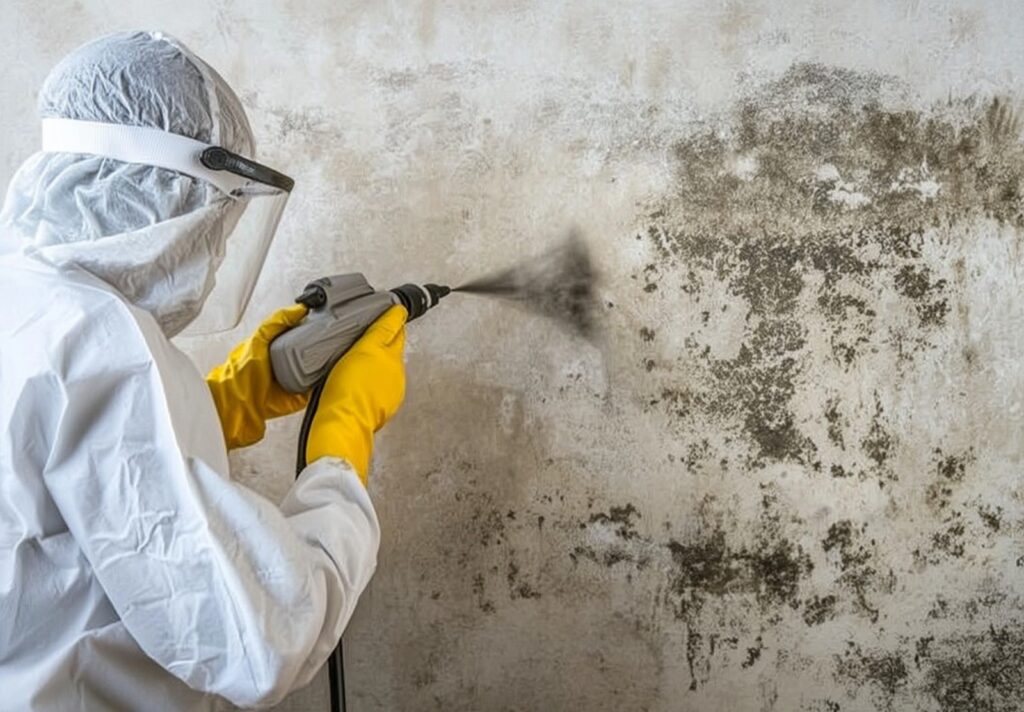
- Wear protective gear, seal off the affected area, and ensure proper ventilation during mold remediation to minimize health risks.
- Use fans and dehumidifiers to dry affected areas quickly and maintain humidity levels below 60% for long-term prevention.
- Consider hiring professional mold remediation services for comprehensive removal and adherence to safety guidelines and regulations.
Understanding Mold: Types and Risks
Mold, a pervasive and often misunderstood organism, poses significant risks to both health and property. Understanding the types of mold is essential for you as a homeowner. Common types include Aspergillus, Cladosporium, and Stachybotrys, often referred to as black mold.
Each type has unique characteristics and potential health impacts, ranging from allergic reactions to more severe respiratory issues.
Exposure to mold can lead to symptoms like sneezing, coughing, and skin irritation. In some cases, prolonged exposure may result in chronic health issues.
Beyond health concerns, mold can also compromise the structural integrity of your home. It thrives in damp, humid environments, making your basement, bathroom, or kitchen particularly vulnerable.
Identifying Mold Growth in Your Home
How can you effectively spot mold growth in your home? Start by checking damp areas like basements, bathrooms, and kitchens, as these spots are prime candidates for mold development.
Look for visible signs, such as black, green, or white patches on walls, ceilings, or furniture. Don’t ignore musty odors; they often indicate hidden mold behind walls or under carpets.
Use your sense of touch—feeling for soft or discolored spots can help identify mold-affected surfaces. Keep an eye out for water stains, which may signal leaks and potential mold growth.
Additionally, inspect ventilation systems and air ducts, as mold can thrive in these hidden areas. If you notice condensation on windows or walls, it’s a sign of excess moisture, creating an ideal environment for mold.
Regular inspections and prompt action can help you maintain a healthy living space and protect your family from mold-related risks.
Assessing the Extent of Mold Infestation
To accurately assess the extent of mold infestation, start with a thorough visual inspection of your home, focusing on areas prone to moisture.
You’ll also need to measure moisture levels using a hygrometer or moisture meter, as high humidity can indicate hidden mold growth.
Together, these techniques provide a clear picture of the problem, allowing you to take informed remediation steps.
Visual Inspection Techniques
When evaluating the extent of mold infestation in your home, where should you start?
Begin with a thorough visual inspection.
Look for these key indicators:
Discoloration: Check walls, ceilings, and floors for dark spots or patches, which often signal mold growth.
Musty Odors: Pay attention to any unpleasant smells, as they can indicate hidden mold behind walls or in damp areas.
Surface Damage: Inspect for peeling paint, warped wood, or water stains, all of which can suggest mold lurking beneath the surface.
Moisture Level Assessment
After completing a visual inspection, the next step involves evaluating moisture levels in your home, as excess humidity is a primary catalyst for mold growth.
Use a hygrometer to measure indoor humidity; levels above 60% can promote mold proliferation. Check areas like basements, bathrooms, and kitchens where moisture often accumulates.
Additionally, inspect for water leaks, condensation, or damp materials that can harbor mold spores. Pay attention to ventilation, as poor airflow can trap humidity.
If you find excessive moisture, consider using dehumidifiers or enhancing ventilation to mitigate the problem. Regular assessments will help maintain a healthy environment, ensuring you and your family feel secure in your home.
Addressing moisture issues promptly will greatly reduce the risk of mold infestation.
Safety Precautions for Mold Remediation
While tackling mold remediation, ensuring your safety should be a top priority. Here are three essential precautions to keep in mind:
Wear Protective Gear: Always use gloves, goggles, and an N95 respirator to shield yourself from mold spores. This gear prevents irritation and inhalation of harmful particles.
Seal Off the Area: Before you start, close doors and windows in the remediation zone. Use plastic sheeting to contain spores and prevent them from spreading to other parts of your home.
Ensure Proper Ventilation: Open windows or use fans to improve airflow. This helps dilute airborne mold spores and reduces the risk of inhalation during cleanup.
Effective Cleaning Solutions for Mold Removal
To effectively combat mold growth, selecting the right cleaning solutions is essential. You can start with a simple mixture of water and dish soap, which works well for small mold patches.
For tougher infestations, consider a solution of one cup of bleach mixed with a gallon of water. Always wear gloves and a mask when using bleach, as its fumes can be harmful.
Vinegar is another excellent option; its acetic acid effectively kills many mold species without harsh chemicals. Spray undiluted vinegar directly onto the mold and let it sit for at least an hour before wiping it away.
For eco-friendly solutions, look for commercial mold removers that use natural ingredients. Always check the labels for effectiveness and safety.
Strategies for Drying and Dehumidifying Affected Areas
Since mold thrives in damp environments, promptly drying and dehumidifying affected areas is crucial to prevent further growth.
Here are three strategies you can implement:
Use Fans and Ventilation: Position fans in windows or doorways to create airflow, helping to evaporate moisture quickly. Ascertain that air circulates freely throughout the space.
Dehumidifiers: Invest in a dehumidifier to maintain humidity levels below 60%. This appliance effectively pulls moisture from the air, creating an inhospitable environment for mold.
Natural Methods: Open windows and doors on dry days to let fresh air in. You can also use moisture-absorbing materials like silica gel or activated charcoal in smaller spaces.
To effectively prevent future mold growth, you need to identify the sources of water damage in your home.
Repairing Water Damage to Prevent Future Mold
Once you’ve pinpointed these sources, drying and dehumidifying the affected areas is essential.
Finally, addressing any structural damage will ensure that your home remains safe and mold-free.
Identify Water Sources
Identifying water sources is essential for homeowners aiming to prevent future mold growth.
To effectively tackle moisture issues, you should focus on these key areas:
Leaky Pipes: Inspect plumbing for any signs of leaks or corrosion that could lead to water accumulation.
Roof and Gutter Condition: Regularly check your roof and gutters for damage or blockages that might cause water to seep into your home.
Basement and Crawl Space: Monitor these areas for excessive moisture or standing water, which can create an ideal environment for mold.
Dry and Dehumidify
Once you’ve pinpointed the sources of water intrusion, the next step is to dry and dehumidify affected areas promptly.
Use fans and dehumidifiers to reduce humidity levels, ideally below 60%. Ensure proper ventilation by opening windows and doors when weather permits.
For carpet or upholstery, remove excess water using wet vacuums and allow them to air dry completely. Check behind walls and under flooring, as trapped moisture can lead to mold growth.
If necessary, consider using moisture meters to verify that surfaces are adequately dried. Timely action is essential; the sooner you tackle the moisture, the less likely mold will take hold.
Repair Structural Damage
While addressing moisture issues is essential, repairing structural damage is equally important in preventing future mold growth. Neglecting repairs can lead to recurring moisture problems, so focus on these key areas:
Leaky Roofs: Fix any leaks promptly to prevent water from seeping into your home’s interiors.
Cracked Walls: Seal any cracks or gaps in your foundation or walls to prevent moisture ingress.
Damaged Plumbing: Regularly inspect and repair plumbing for leaks that can create damp environments
Utilizing Professional Mold Remediation Services
When faced with a mold issue in your home, seeking professional mold remediation services can be an essential step toward ensureing a safe and healthy environment.
Professionals bring specialized training and tools that can effectively identify and eliminate mold colonies, often hidden behind walls or in damp areas. They conduct thorough assessments, employing moisture meters and infrared cameras to locate moisture sources contributing to the mold growth.
Once identified, they utilize industry-grade equipment like air scrubbers and dehumidifiers to ensure complete removal and containment, preventing spores from spreading.
Moreover, certified mold remediation experts follow strict guidelines to ensure safety, using personal protective equipment to shield themselves and your family from potential health risks.
Implementing Long-term Mold Prevention Techniques
To effectively prevent mold growth in your home, it’s vital to maintain ideal indoor humidity levels and ensure proper ventilation throughout your living spaces.
Here are three key strategies to keep in mind:
Utilize Dehumidifiers: Invest in dehumidifiers to keep humidity levels below 60%. This is important in areas prone to moisture, like basements and bathrooms.
Improve Airflow: Open windows and doors whenever possible, and use exhaust fans in kitchens and bathrooms. This helps disperse humidity and prevents stagnant air, which fosters mold growth.
Seal Leaks: Regularly inspect your home for leaks in roofs, windows, and plumbing. Sealing these vulnerabilities prevents moisture intrusion, a primary catalyst for mold
Monitoring and Maintaining a Mold-free Environment
To maintain a mold-free environment, you need to monitor humidity levels regularly, keeping them below 60%.
Additionally, addressing leaks promptly is essential to prevent moisture accumulation that can lead to mold growth.
Implementing these practices will help ensure your home remains safe and healthy.
Regular Humidity Checks
Maintaining ideal humidity levels is essential for preventing mold growth in your home. High humidity can create a breeding ground for mold spores, so regular checks are vital.
Here are three key steps to ensure your environment stays mold-free:
Use a Hygrometer: Invest in a hygrometer to monitor indoor humidity levels, aiming for 30-50%.
Ventilate: Ensure proper ventilation in areas like bathrooms and kitchens to reduce moisture buildup.
Dehumidify: Utilize dehumidifiers in damp spaces to maintain peak humidity levels.
Prompt Leak Repairs
Regular humidity checks can only do so much if leaks go unaddressed. To maintain a mold-free environment, prompt leak repairs are essential. Ignoring even minor leaks can lead to significant moisture problems, creating an ideal breeding ground for mold.
Here’s a quick reference table to help you identify common leak sources and their impact:
| Leak Source | Potential Impact |
|---|---|
| Roof Leaks | Water damage, mold growth |
| Pipe Leaks | Structural damage |
| Window Seals | Increased humidity |
| Basement Cracks | Flooding, mildew |
| Appliance Hoses | Water pooling, odors |
Review
Tackling mold in your home is essential for your health and safety. By implementing effective remediation strategies—like addressing moisture issues and utilizing dehumidifiers—you can greatly reduce your risk. Regular monitoring and maintenance are key to ensuring a mold-free environment. Don’t wait until the problem escalates; take proactive steps today to protect your home and loved ones.
Recent Posts
Steps for Urgent Commercial Water Damage Recovery
Imagine arriving at your commercial property to find several inches of water covering the floor
Guide to Structural Drying After Water Damage
When faced with water damage, it’s essential to act swiftly and methodically. You’ll need to
Effective Structural Drying Techniques After Water Damage
When water damage strikes, can you afford to wait? Effective structural drying is vital to