
Contents
When disaster strikes, the chaos of flood damage can feel overwhelming, yet a structured restoration process can bring clarity. Understanding each step is essential for effective recovery and safety. From the initial assessment to mold prevention, each phase requires careful attention to detail. You’ll find that knowing what to expect can greatly influence the outcome. But what happens after the water’s gone? Let’s explore the vital steps involved in restoring your commercial space.
Key Takeaways
- Conduct a thorough initial assessment to identify hazards and document the extent of damage for insurance purposes.
- Utilize powerful pumps and vacuums for effective water extraction, focusing on hard-to-reach areas.
- Clean and sanitize affected spaces by removing contaminants and using disinfectants to ensure a safe environment.
- Perform structural repairs by inspecting and replacing damaged materials, ensuring electrical and HVAC systems are safe.
- Implement mold prevention measures by thoroughly drying areas and addressing moisture sources to avoid future growth.
Initial Assessment and Safety Protocols
When you encounter a flooded area, the first step is conducting an initial assessment while prioritizing safety. Start by identifying hazards, such as live electrical wires or unstable structures. Verify you’re wearing appropriate protective gear, like gloves and boots, to minimize risks.
Next, evaluate the extent of the flooding and note affected areas and materials. Document everything with photos and detailed notes, as this information will be essential for insurance claims and restoration efforts.
Check for any potential contaminants in the water, as these can pose health risks. If it’s safe, turn off utilities to prevent further issues.
Communicate your findings to your team and anyone involved in the restoration process, fostering a sense of collaboration. Remember, thorough preparation and clear communication can make all the difference, verifying everyone feels secure and informed as you move forward in addressing the damage.
Water Extraction and Drying
Once you’ve assessed the damage, the next essential step is initial water removal.
You’ll want to employ effective drying techniques to prevent further issues like mold growth.
Initial Water Removal
The initial water removal process is essential for minimizing damage and preventing mold growth after a flood.
Start by evaluating the affected areas to determine the extent of the water intrusion. Use powerful pumps and wet vacuums to extract standing water quickly. Remember, the sooner you act, the less damage you’ll incur.
Once the bulk of the water is removed, focus on hard-to-reach places like corners and under furniture. It’s important to remove any soaked materials, such as carpets or padding, as they can harbor mold.
Ensure you’re following safety protocols during this process to protect yourself and others.
Effective Drying Techniques
After you’ve successfully removed the standing water, effective drying techniques become essential for preventing further damage and mold growth.
Begin by using industrial-grade fans and dehumidifiers to circulate air and reduce humidity levels. Position fans to maximize airflow across wet surfaces, ensuring every corner is reached.
Next, focus on waterlogged materials; remove carpets and padding that can’t be salvaged. Use moisture meters to monitor drying progress, ensuring that walls and floors return to acceptable moisture levels.
If necessary, consider thermal imaging to identify hidden moisture pockets.
Finally, maintain communication with your team about the drying process, fostering a sense of belonging and teamwork as you work together to restore your commercial space to its original condition.
Cleaning and Sanitizing Affected Areas
After extracting water and ensuring the area is dry, your next step is to assess contamination levels in the affected spaces.
This evaluation helps you determine the most effective sanitization techniques needed to restore safety and hygiene.
Assessing Contamination Levels
When dealing with flood damage, evaluating contamination levels is crucial to confirm a safe recovery process.
Start by inspecting the affected areas for visible signs of contaminants such as mud, debris, and mold. It’s important to identify the source of floodwater—whether it’s clean, gray, or black water—as this greatly impacts the level of contamination.
Use testing kits to check for harmful bacteria and other pathogens in the water. Pay close attention to porous materials like carpets and drywall, which can absorb contaminants and harbor mold.
Document your findings thoroughly, as this information will guide your cleaning and restoration efforts. By evaluating contamination levels accurately, you confirm a safer environment for everyone involved in the recovery process.
Effective Sanitization Techniques
Effective sanitization techniques are essential for cleaning and sanitizing affected areas to ensure a thorough recovery from flood damage.
Start by removing any standing water and debris, as these can harbor harmful bacteria. Next, use a mixture of hot water and a commercial-grade disinfectant to scrub surfaces, ensuring you cover all contaminated areas.
Pay special attention to porous materials, like carpets and upholstery, which may require specialized cleaning or replacement. After scrubbing, rinse thoroughly to remove any residue.
Finally, utilize dehumidifiers and air movers to dry the space completely, preventing mold growth. By following these steps diligently, you’ll create a safe and welcoming environment for everyone, fostering a sense of belonging and well-being in your restored space.
Structural Repairs and Restoration
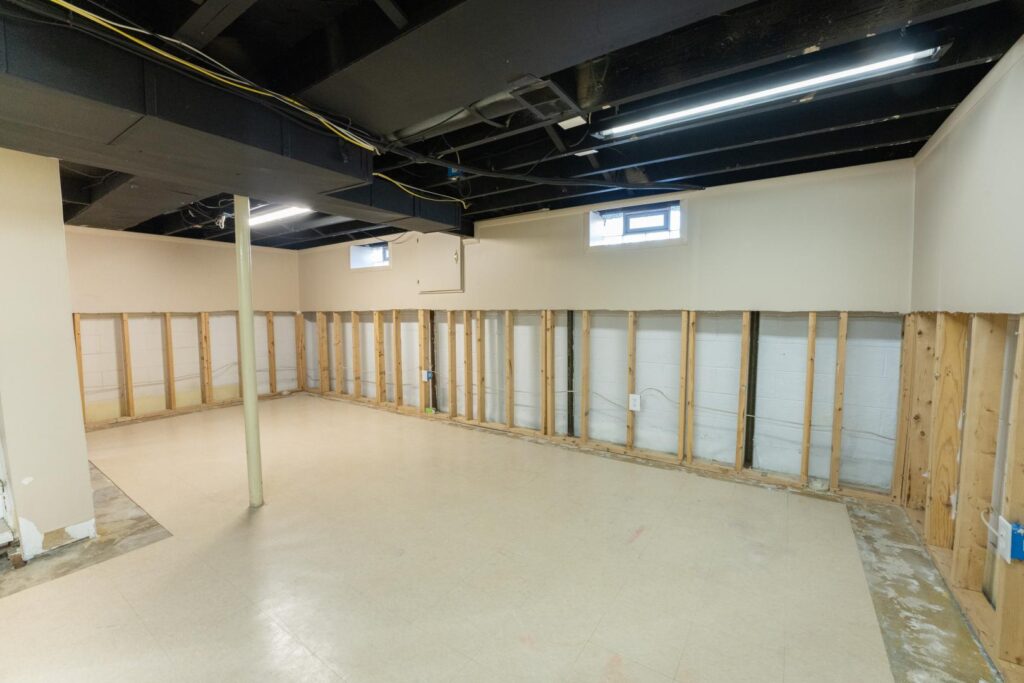
Once the water has been removed and the area is dry, it’s time to focus on structural repairs and restoration.
You’ll want to make certain everything is safe and sound before reopening your space. Begin by evaluating the damage to walls, floors, and ceilings.
It’s vital to address any compromised structures to prevent future issues.
Here’s a checklist to guide you through this process:
- Inspect for cracks in walls or foundations
- Replace damaged drywall and insulation
- Repair or replace flooring materials
- Make certain electrical systems are safe and functional
- Check HVAC systems for water damage
Mold Prevention and Remediation
After addressing structural repairs, the focus shifts to mold prevention and remediation, a significant step in ensuring a safe environment.
Mold can develop within 24 to 48 hours after flooding, so quick action is key. Start by thoroughly drying out affected areas using dehumidifiers and fans. Confirm proper ventilation, as this helps reduce moisture levels.
Next, inspect for any visible mold growth. If you find it, wear protective gear and remove contaminated materials like drywall or carpeting. Clean non-porous surfaces with a mixture of water and detergent, or consider using specialized mold-removing products.
It’s also essential to address the source of moisture. Fix leaks and improve drainage around your property.
Regularly check areas prone to dampness, like basements and bathrooms, to prevent future issues. By taking these proactive steps, you create a healthier environment and protect your community from the risks mold can pose.
Final Inspection and Follow-Up
While you may feel relieved after completing the initial restoration steps, a thorough final inspection and follow-up are vital to verify that everything is in order.
This phase is critical for confirming that your property is safe, functional, and ready for business again.
During your inspection, focus on the following:
- Check for any remaining moisture in walls and floors.
- Verify that all repair work meets industry standards.
- Confirm that the HVAC system is clean and operational.
- Review the property for any signs of mold or mildew.
- Document any remaining issues for future reference.
Final Thoughts
In the aftermath of a flood, maneuvering through the restoration process can feel overwhelming, like trying to find your way through dense fog. However, by following these essential steps—assessing damage, extracting water, cleaning thoroughly, repairing structures, and preventing mold—you can reclaim your space and restore peace of mind. Remember, each step is vital in transforming chaos back into a safe, functional environment. With diligence and care, you’ll emerge stronger and ready to face the future.
Recent Posts
Steps for Urgent Commercial Water Damage Recovery
Imagine arriving at your commercial property to find several inches of water covering the floor
Guide to Structural Drying After Water Damage
When faced with water damage, it’s essential to act swiftly and methodically. You’ll need to
Effective Structural Drying Techniques After Water Damage
When water damage strikes, can you afford to wait? Effective structural drying is vital to