
Contents
Have you ever considered how mold silently invades your home, posing serious health risks? Understanding the top strategies for home remediation is essential for maintaining a safe living environment. From identifying moisture sources to effective removal techniques, each step plays a vital role in combating mold growth. As you explore these strategies, it’s important to recognize the balance between DIY approaches and when to call in professionals for assistance.
Key Takeaways
Conduct thorough inspections to identify mold presence, moisture sources, and areas needing remediation, focusing on hidden spots like behind appliances and under sinks.
Utilize effective mold removal techniques, including wearing PPE, using HEPA vacuums, and damp cloths to contain and eliminate mold
Control indoor humidity levels below 60% through ventilation improvements, dehumidifiers, and using exhaust fans in moisture-prone areas like kitchens and bathrooms.
Regularly maintain plumbing systems and conduct routine inspections to identify and address leaks, water damage, and potential mold growth early.
Consult professionals for complex remediation issues, such as structural concerns, persistent leaks, or extensive mold infestations requiring expert intervention.
Understanding Mold Growth and Its Risks
Although mold is a natural part of the environment, its growth indoors poses substantial health risks and structural damage to your home. Mold thrives in damp, warm conditions, often appearing in areas with poor ventilation, such as basements, bathrooms, and kitchens.
It can release spores into the air, leading to respiratory issues, allergic reactions, and other health complications. Understanding the risks associated with mold is vital. You may experience symptoms like coughing, sneezing, or skin irritation, which can affect your overall well-being.
Additionally, mold can weaken building materials, leading to costly repairs if left unchecked. Identifying and addressing moisture sources is essential in preventing mold proliferation. Regular maintenance and monitoring humidity levels in your home can greatly reduce the likelihood of an infestation.
Assessing the Extent of Mold Infestation
How can you accurately determine the extent of mold infestation in your home? Identifying the severity of a mold problem is essential for effective remediation. Here are some steps to guide you:
Visual Inspection: Look for visible mold growth, discoloration, or water stains on walls, ceilings, and floors.
Smell for Mustiness: A strong musty odor often indicates hidden mold, particularly in damp areas like basements or attics.
Check Humidity Levels: Use a hygrometer to measure humidity; levels above 60% can foster mold growth
Inspect Hidden Areas: Don’t forget to check behind appliances, under sinks, and inside walls where mold might thrive out of sight
Ensuring Proper Safety Measures and Equipment
When tackling mold remediation, ensuring proper safety measures and equipment is essential for your health and the effectiveness of the process.
Start by wearing personal protective equipment (PPE), including gloves, goggles, and a respirator. These items protect you from inhaling spores and coming into direct contact with mold, minimizing health risks.
Next, use appropriate tools like HEPA vacuums and damp cloths to contain and remove mold without spreading spores further. Confirm your workspace is well-ventilated to reduce airborne particles.
Additionally, keep your area isolated by sealing off rooms with plastic sheeting to prevent cross-contamination.
It’s also wise to have a first-aid kit on hand in case of accidents.
Effective Mold Removal Techniques
To effectively remove mold from your home, you must first identify the sources contributing to its growth.
Using the right equipment tailored for mold remediation is essential to ensure thorough removal and prevent future infestations.
Additionally, implementing preventive measures will help maintain a mold-free environment in the long run.
Identify Mold Sources
Identifying mold sources in your home is essential for effective remediation and preventing future outbreaks.
Start by thoroughly inspecting areas prone to moisture, as these are often breeding grounds for mold. Follow these steps to pinpoint potential sources:
Check for leaks: Examine plumbing fixtures, roofs, and windows for any signs of water intrusion.
Monitor humidity levels: Use a hygrometer to ensure indoor humidity stays below 60%.
Inspect ventilation: Ensure proper airflow in attics, basements, and crawl spaces to reduce moisture buildup.
Look for condensation: Identify areas where condensation forms, especially on cold surfaces like pipes and windows.
Use Proper Equipment
Utilizing the right equipment is essential for effective mold removal and ensuring the safety of your home environment. Using specialized tools enhances your ability to eliminate mold and minimizes risk during the process. For instance, protective gear, high-efficiency particulate air (HEPA) filters, and moisture meters are crucial.
| Equipment | Purpose |
|---|---|
| Protective Gear | Safeguards against mold spores |
| HEPA Filters | Captures airborne mold particles |
| Moisture Meters | Detects underlying moisture |
Implement Preventive Measures
Effective mold removal hinges on implementing preventive measures that can greatly reduce the likelihood of mold growth in your home.
By taking proactive steps, you can create an environment that’s less conducive to mold development. Here are four essential strategies:
Control Humidity: Keep indoor humidity levels below 60%. Use dehumidifiers and air conditioners when necessary.
Improve Ventilation: Ensure proper airflow in areas like bathrooms and kitchens by using exhaust fans.
Inspect Plumbing: Regularly check for leaks in pipes and fixtures, addressing any issues immediately.
Use Mold-Resistant Products: Consider mold-resistant paints and building materials, especially in moisture-prone areas.
Drying and Dehumidification Strategies
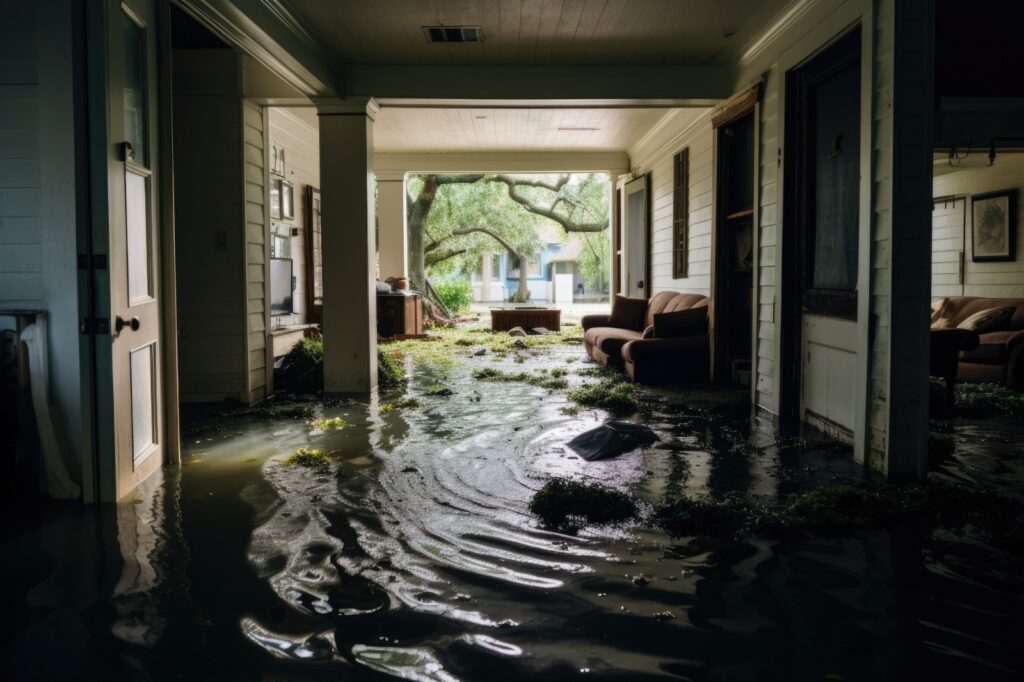
How can you ensure your home is free from moisture after a water event? First, act quickly. Remove standing water using pumps or wet vacuums to prevent further damage.
Next, increase air circulation by opening windows and using fans. This helps evaporate moisture trapped in walls and floors.
Consider using dehumidifiers, which effectively extract humidity from the air, creating a drier environment. Set them to run continuously until humidity levels drop below 60%.
Additionally, inspect and address any hidden sources of moisture, such as damp basements or leaky pipes, as these can compromise your drying efforts.
Monitor the drying process regularly; moisture meters can help you gauge effectiveness.
Preventing Future Mold Growth
To prevent future mold growth, you need to focus on controlling humidity levels, improving ventilation systems, and conducting regular inspections and maintenance.
Maintaining ideal humidity can greatly reduce mold proliferation, while effective ventilation promotes air circulation.
Additionally, routine checks help identify potential moisture issues before they escalate.
Control Humidity Levels
While maintaining ideal humidity levels in your home may seem like a simple task, it plays a crucial role in preventing future mold growth. High humidity creates an environment conducive to mold, so keeping it in check is essential.
Here are some practical strategies to control humidity:
Use a Dehumidifier: Invest in a dehumidifier to reduce moisture levels, especially in damp areas like basements.
Seal Leaks: Inspect and seal any leaks in your roof, walls, and plumbing to prevent moisture intrusion.
Monitor Humidity: Use a hygrometer to measure humidity levels, aiming for 30-60%.
Limit Steam: Use exhaust fans in kitchens and bathrooms to mitigate steam from cooking and showers.
Improve Ventilation Systems
Controlling humidity levels is only one part of preventing mold growth in your home; improving ventilation systems is another key strategy.
Proper ventilation helps to circulate air, reducing moisture accumulation in areas prone to mold, like bathrooms and kitchens. You should consider installing exhaust fans in these spaces, ensuring they vent outside rather than into attics or crawl spaces.
Additionally, opening windows when weather permits can enhance airflow, creating a healthier environment. Regularly check and clean air ducts to prevent dust and moisture buildup, which can foster mold.
Regular Inspections and Maintenance
Regular inspections and maintenance play an essential role in preventing future mold growth in your home.
By staying proactive, you protect your living environment and foster a sense of belonging and safety.
Here are four key strategies to implement:
Check Humidity Levels: Use a hygrometer to ensure humidity stays below 60%.
Inspect for Leaks: Regularly examine plumbing, roofs, and windows for signs of water damage.
Clean Gutters: Keep gutters clear to prevent overflow and potential water intrusion.
Monitor Ventilation: Confirm that vents and exhaust fans are functional and unobstructed.
Regular Maintenance and Inspection Practices
Effective home remediation relies heavily on consistent maintenance and thorough inspections, as neglecting these practices can lead to costly repairs and health risks.
To protect your home, establish a routine schedule for inspecting critical areas such as the roof, plumbing, and HVAC systems. Early detection of issues, like leaks or mold, can save you from extensive damage later on.
Regular maintenance tasks, like cleaning gutters and changing air filters, ensure your home operates efficiently.
Don’t forget to check for signs of pests, which can compromise your living space’s integrity. Document your findings and repairs, creating a detailed log that helps track the home’s condition over time.
Engaging family members in these practices fosters a sense of responsibility and community.
Seeking Professional Help When Necessary
While many homeowners feel confident tackling minor repairs, there are times when seeking professional help is vital to ensure safety and effectiveness.
Addressing complex issues can be overwhelming and might lead to costly mistakes if not handled properly. Here are key scenarios where hiring a professional is advisable:
Structural Damage: If you notice cracks in walls or ceilings, it’s important to consult a structural engineer to assess potential risks.
Electrical Issues: Dealing with faulty wiring can be dangerous. An electrician verifies your system is safe and up to code.
Plumbing Problems: Persistent leaks or water damage should prompt you to call a plumber, as they can prevent further damage and mold growth.
Pest Infestations: Professional exterminators have the expertise to effectively eliminate pests and minimize health risks.
Recognizing when to seek help can save you time, money, and ensure your home remains a safe haven.
Recap
Tackling mold remediation is like steering through a maze; it requires careful planning and attention to detail. By implementing effective strategies such as moisture control, proper ventilation, and routine inspections, you can greatly reduce the risk of mold growth in your home. Don’t hesitate to seek professional assistance when the situation demands it. By staying proactive and vigilant, you’ll maintain a healthier living environment for you and your family, free from the dangers of mold.
Recent Posts
Steps for Urgent Commercial Water Damage Recovery
Imagine arriving at your commercial property to find several inches of water covering the floor
Guide to Structural Drying After Water Damage
When faced with water damage, it’s essential to act swiftly and methodically. You’ll need to
Effective Structural Drying Techniques After Water Damage
When water damage strikes, can you afford to wait? Effective structural drying is vital to