
Contents
Uncovering Hidden Fees: What to Expect in Water Damage Restoration Costs
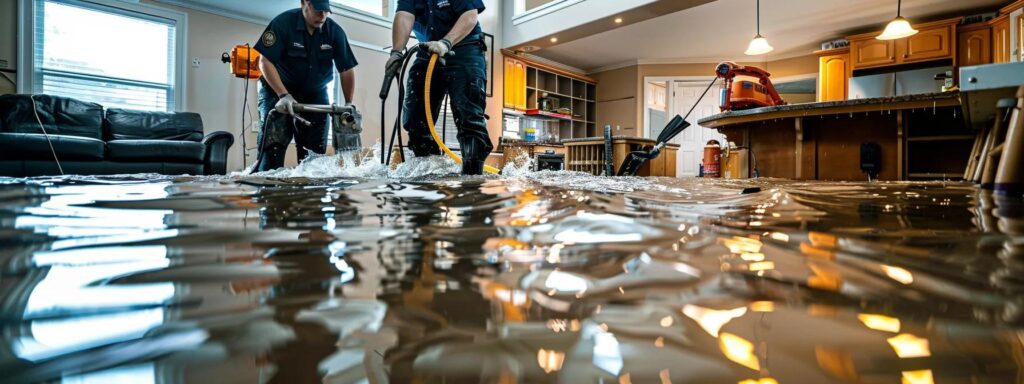
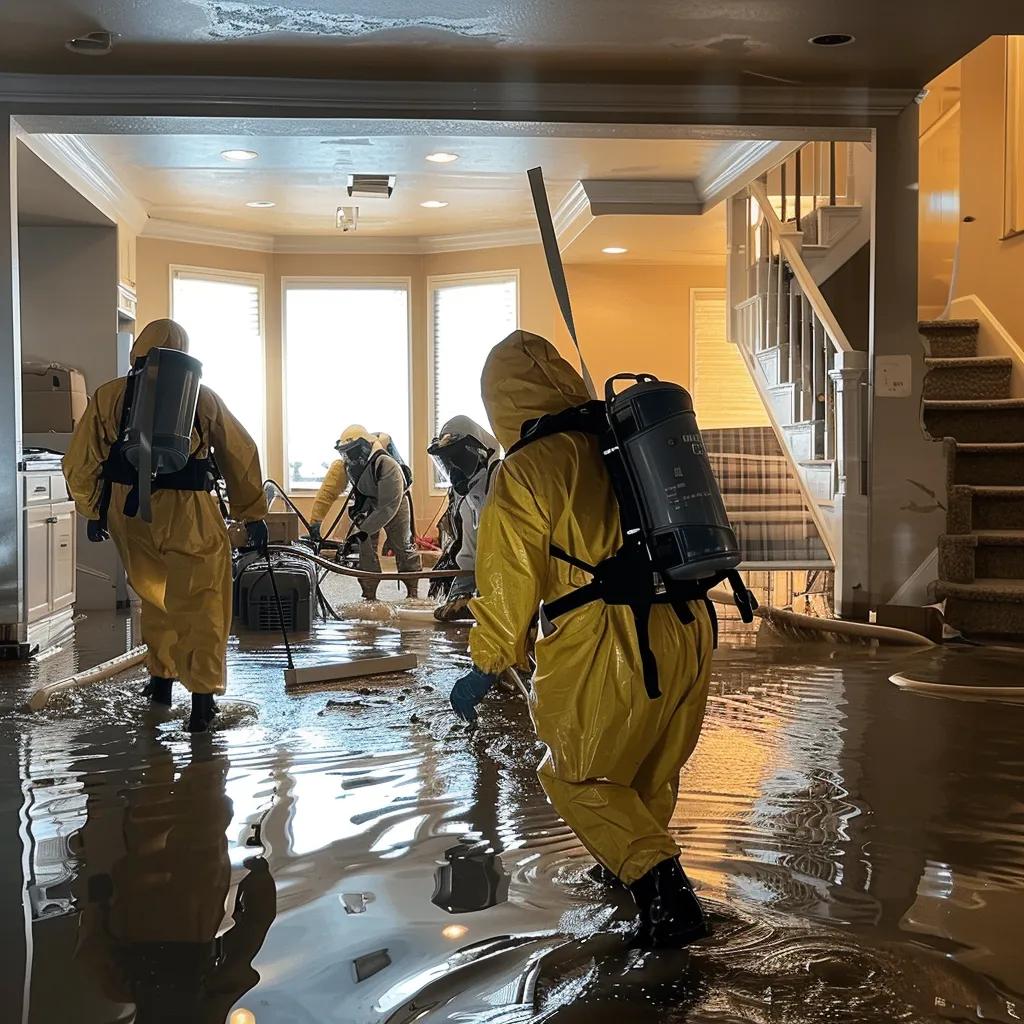
Water damage restoration costs often include unexpected line items that can inflate your final bill without warning. Homeowners and businesses in the Paradise Valley Area face not only cleanup and reconstruction expenses but also hidden fees for after-hours service, equipment rental, and disposal. In this guide, we map out the main cost drivers, reveal common surprise charges, explain how insurance interacts with restoration pricing, and show you how to choose a transparent contractor. You’ll learn:
- The core factors that shape restoration pricing.
- Which services appear on a standard estimate and which fees hide in the fine print.
- How insurance coverage, deductibles, and depreciation affect your out-of-pocket costs.
- When mold remediation becomes necessary and how it impacts your budget.
- Key questions to ask contractors to avoid scams and overcharges.
This comprehensive overview ensures you understand every component of your restoration bill and empowers you to demand full transparency from providers like Xtreme Drying LLC.
What kind of fees should I expect during restoration?
Water damage restoration cost depends on the type of water, severity of damage, area affected, and time elapsed before cleanup begins. Each of these elements directly shapes labor requirements, equipment needs, and potential health hazards.
How Do Water Categories Affect Restoration Pricing?
Water is categorized by contamination level, which determines remediation complexity and cost.
| Water Category | Contamination Level | Typical Cost per Square Foot |
|---|---|---|
| Clean Water | Low risk, potable | $3.50–$7.00 |
| Gray Water | Moderate risk | $4.00–$8.00 |
| Black Water | High risk, sewage | $7.00–$12.00 |
Black water requires specialized decontamination protocols and personal protective equipment, driving costs higher than clean-water incidents. This categorization sets the stage for understanding how damage severity further influences pricing.
Water Damage Categories and Costs
Water damage restoration costs are significantly influenced by the category of water involved, with black water (containing sewage) being the most expensive due to the need for specialized cleaning and safety protocols. Clean water incidents are typically less costly than those involving gray or black water, reflecting the varying levels of contamination and required remediation efforts.
This information supports the article’s discussion of how water categories affect restoration pricing.
What Are Damage Classes and How Do They Impact Costs?
- Class 1 indicates minimal absorption and low evaporation needs.
- Class 2 covers large areas with moderate absorption.
- Class 3 involves overhead or extensive saturation requiring advanced drying.
- Class 4 refers to deep structural moisture requiring specialized restoration.
As class increases, restoration time and equipment rental fees rise proportionally, which elevates the total bill and underscores the need for prompt mitigation.
How Does the Location and Size of Damage Influence the Bill?
- Basement flooding demands heavy-duty submersible pumps and structural drying to prevent mold.
- Attic leaks often involve roof repair coordination and attic fan rental.
- Wall cavities require cutting, drying, and reconstruction of drywall.
- Flooring removal and replacement incur additional demolition and installation labor.
Average costs vary by area, with basements often starting around $5 per square foot and interior walls around $3 per square foot. Recognizing these distinctions ensures you anticipate location-specific charges.
How Does Duration of Water Exposure Increase Restoration Expenses?
Each hour water remains introduces new risks and complexity. Prolonged exposure leads to microbial growth, structural weakening, and additional drying stages. Because mold can start within 24–48 hours, delayed mitigation adds mold remediation to the bill and extends project timelines, directly escalating hourly labor and equipment rental charges.
What Hidden Fees Should Homeowners Watch for in Water Damage Restoration?

A standard restoration estimate covers core services, but several extra fees often remain unlisted until invoicing. Identifying them early prevents unwelcome surprises.
Which Common Services Are Included in a Standard Water Damage Restoration Bill?
- Water extraction using pumps and vacuums.
- Structural drying with air movers and dehumidifiers.
- Sanitization of affected surfaces.
- Controlled demolition of unsalvageable materials.
- Debris removal and disposal.
What Are Potential Hidden Charges and How Can You Identify Them?
| Fee Type | Description | Transparency Tip |
|---|---|---|
| After-Hours Surcharge | Premium rates for nights and weekends | Confirm flat hourly rate regardless of schedule |
| Equipment Rental | Unitemized charges for dryers or pumps | Request daily rental rate and equipment hours |
| Disposal and Hauling | Costs for debris, mold-infested materials | Ask for per-load or per-yard disposal rates |
| Subcontractor Markups | Fees for external specialties (e.g., roofing) | Require subcontractor quotes before work begins |
These hidden fees often double or triple your estimate. Demanding an itemized contract with every charge defined ensures full cost visibility.
How Can You Ensure Transparency With an Itemized Estimate?
Secure a written, line-by-line estimate that lists labor, materials, equipment rental, permits, and disposal fees. Verify that service descriptions match industry standards and align with restoration categories and classes. When each cost component is explicit, you maintain control over budget adjustments and avoid last-minute add-ons.
How Does Water Damage Insurance Coverage Affect Restoration Costs?
Insurance coverage dictates which restoration expenses insurers will reimburse and which you pay out-of-pocket. Understanding policy nuances prevents unpleasant surprises at claim time.
What Types of Water Damage Does Home Insurance Typically Cover?
Most standard homeowners policies cover sudden and accidental water damage, such as burst pipes or appliance failures. They generally exclude gradual leaks, wear-and-tear issues, and flood damage, which require separate flood coverage.
Identifying covered perils in your policy allows you to file appropriate claims and reduces the risk of denied coverage.
How Do Deductibles and Depreciation Impact Your Out-of-Pocket Expenses?
- Actual Cash Value (ACV) policies subtract depreciation, leading to lower reimbursements.
- Replacement Cost Value (RCV) policies reimburse full replacement of like materials.
Choosing RCV coverage and understanding your deductible maximizes claim payouts and minimizes your direct payments for restoration services.
What Are Common Reasons for Insurance Claim Denials and How to Avoid Them?
- Negligence or pre-existing damage lacking maintenance records.
- Incomplete or late documentation of losses.
- Unauthorized repairs before adjuster inspection.
Prevent denials by documenting damage immediately with photos, keeping repair logs, and coordinating with your adjuster through a professional restoration company.
How Can Restoration Companies Assist With the Insurance Claims Process?
- Providing detailed loss documentation and moisture readings.
- Scheduling adjuster visits and facilitating on-site walkthroughs.
- Submitting itemized estimates aligned with industry standards.
Their expertise speeds up claim approvals and ensures full reimbursement for covered restoration expenses.
When Is Mold Remediation Necessary and How Does It Affect Restoration Costs?
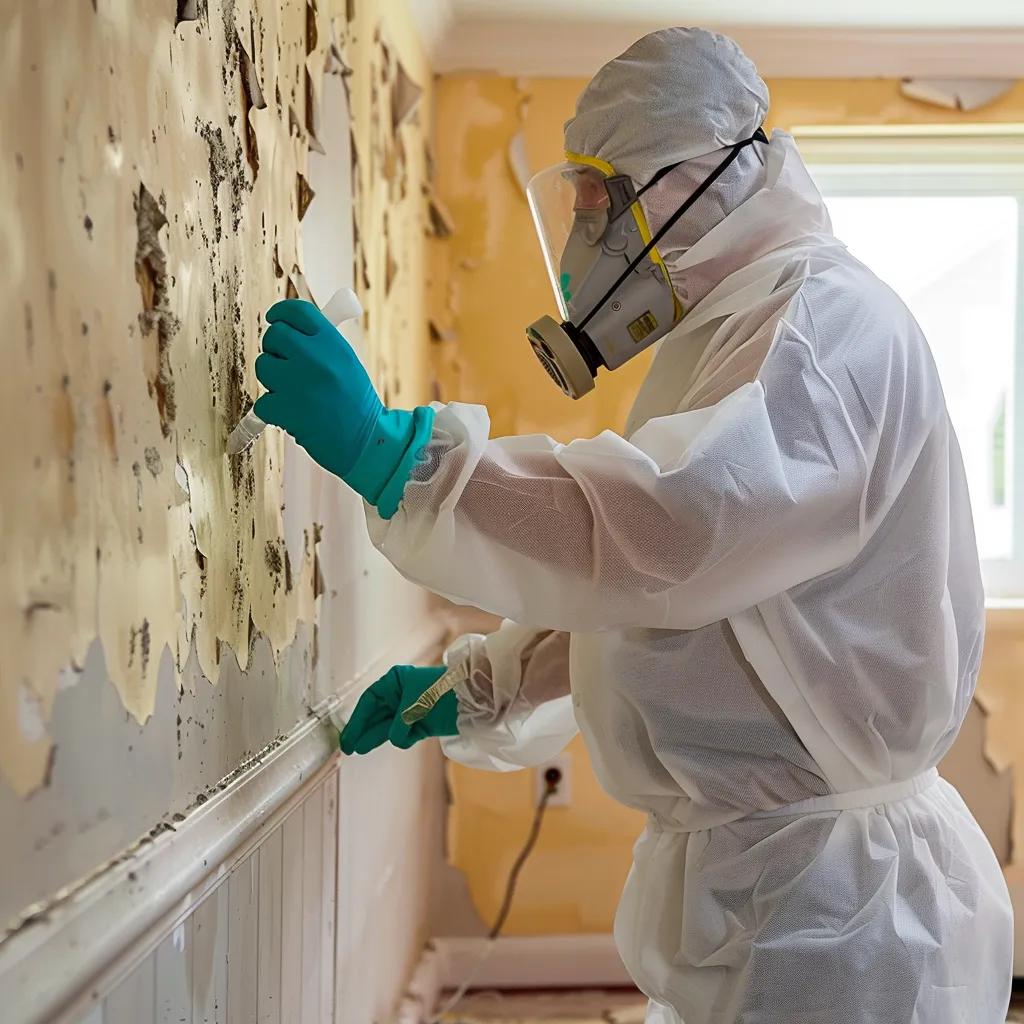
Mold remediation becomes essential when water intrusion fosters active mold growth, posing health risks and requiring specialized removal protocols that add to total restoration costs.
How Quickly Can Mold Develop After Water Damage?
Mold spores begin colonizing damp surfaces within 24–48 hours. Once established, mold remediation demands containment, HEPA filtration, and antimicrobial treatments, increasing labor and material costs beyond standard drying services.
Mold Remediation Costs
Mold remediation costs can vary widely depending on the extent of the contamination, the location, and the size of the affected area. The presence of mold, which can develop within 24-48 hours of water damage, necessitates specialized removal procedures, increasing the overall restoration expenses.
This citation provides additional context to the article’s discussion on mold remediation and its impact on restoration costs.
What Factors Influence Mold Remediation Pricing?
| Entity | Attribute | Value |
|---|---|---|
| Mold Remediation | Average Cost per Sq. Foot | $15–$30 |
| Contamination | Small (up to 10 sq. ft.) | $500–$1,200 |
| Location | HVAC System | $1,000–$3,000 |
How Can Mold Growth Be Prevented After Water Damage Restoration?
- Running dehumidifiers until humidity stays below 50%.
- Ensuring all cavities and floor voids are fully dried with moisture meters.
- Applying antifungal coatings on susceptible surfaces.
Proper follow-up maintenance reduces the risk of recurring mold and additional remediation expenses.
How to Choose a Transparent and Trustworthy Water Damage Restoration Company in Phoenix?
Selecting a contractor who prioritizes clear communication and open billing safeguards you against hidden fees and substandard work.
What Questions Should You Ask Before Hiring a Restoration Contractor?
- Are you licensed, insured, and IICRC-certified?
- Can you provide a detailed, itemized estimate?
- What is your emergency response time for Phoenix monsoon damage?
- Do you handle insurance coordination and documentation?
- Can you supply local references and project photos?
Why Is Local Expertise Important for Water Damage Restoration Costs?
Phoenix’s monsoon season and high groundwater tables present unique restoration challenges, from rapid flood events to mold proliferation in humid climates. Local specialists understand these factors, ensuring accurate estimates and rapid deployment of equipment.
How Does Xtreme Drying Ensure Transparent Pricing and Customer Trust?
- 24/7 emergency response without after-hours surcharges.
- Itemized contracts that list every service, piece of equipment, and disposal fee.
- Dedicated insurance claim assistance and adjuster coordination.
Their owner-operated approach in the Phoenix Metro Area ensures you deal directly with decision-makers and avoid subcontractor markups.
What Are the Typical Reconstruction and Additional Fees After Water Damage?
Reconstruction often follows mitigation, adding materials, labor, and permit costs that can catch property owners off guard.
What Does Water Damage Reconstruction Include and How Is It Priced?
Reconstruction covers:
- Framing repairs, drywall installation, and finish carpentry.
- Flooring replacement and paint matching.
- Cabinetry, countertop, and fixture reinstallation.
Reconstruction pricing usually breaks down by labor and materials, with rates of $20–$65 per square foot for drywall and trim work.
Are There Additional Fees for Permits, Inspections, or Disposal?
Local building permits and inspections often carry separate fees, as do hazardous-waste disposal charges for mold-infested materials. Always ask your contractor to quote permit costs and dumpster rental in advance to lock in total expenses.
How Can You Avoid Surprise Charges During Reconstruction?
- Negotiate a fixed-price contract that includes a detailed scope of work and material specifications.
- Include permit and inspection fee caps.
- Establish change-order procedures with pre-approval requirements.
Clarity in contract terms prevents unanticipated markups and end-of-project billing disputes.
How Can You Protect Yourself From Water Damage Restoration Scams and Overcharges?
Scrutinizing contractor credentials and billing practices keeps your project on budget and ensures quality outcomes.
What Are Red Flags Indicating Potential Hidden Fees or Scams?
- Providers who offer vague “stump-to-grade” or “all-inclusive” pricing without breakdowns.
- Pressure to sign immediately or pay large deposits upfront.
- Lack of proper licensing, insurance, or IICRC certification.
Identifying these warning signs empowers you to choose reputable professionals.
How to Verify Credentials and Reviews of Restoration Companies?
- Check licensing status with the Arizona Registrar of Contractors.
- Confirm IICRC certification on their official directory.
- Review customer feedback on local business profiles and industry platforms.
Sister entities like the Restoration Industry Association also list accredited members to reinforce trust.
What Steps Can You Take to Dispute or Clarify Unexpected Charges?
- Request a line-by-line invoice with job-site photographs and moisture readings.
- Compare charges against the original estimate and documented work scope.
- Negotiate disputed items before final payment or involve your insurance adjuster for clarification.
Clear communication and documented evidence help you resolve billing discrepancies without conflict.
Transparent pricing begins with understanding every facet of your water damage restoration bill. By recognizing cost drivers, hidden fees, insurance variables, and reconstruction expenses, you protect your budget and property value. Choosing a local Phoenix expert who itemizes every charge and assists with insurance claims ensures a smooth restoration journey free of surprises. Trust in clarity and experience to restore your home or business with confidence.
Recent Posts
What Are Best Practices for Commercial Mold Inspection?
When it comes to commercial mold inspection, understanding the implications of mold growth is vital
What Are Effective Mold Remediation Techniques?
When it comes to mold remediation, understanding the root causes and effective techniques is vital.
Top 3 Mold Remediation Techniques After Water Damage
After experiencing water damage, addressing mold growth promptly is vital. You’ll need to start by