
Contents
Inspecting mold after water damage is like traversing a hidden maze; one wrong turn can lead to serious health risks. Understanding the conditions that foster mold growth is vital for any thorough inspection. From identifying visible signs to utilizing specialized tools, each step plays an important role in ensuring a safe environment. But what specific techniques and resources should you consider to effectively tackle this issue?
Key Takeaways
- Inspect areas with visible moisture or water stains, as these are prime locations for mold growth after water damage.
- Use moisture meters to identify hidden dampness in walls, floors, and ceilings where mold may thrive.
- Look for musty odors, which often indicate the presence of hidden mold, especially in water-damaged areas.
- Ensure proper safety equipment, including respirators and gloves, is worn to protect against mold exposure during the inspection.
- Consider air and surface sampling to accurately assess mold presence and types in the affected area after water damage.
Understanding Mold Growth Conditions
When you experience water damage, understanding the conditions that foster mold growth becomes vital.
Mold thrives in environments where certain mold growth factors align, particularly humidity levels. When humidity levels exceed 60%, you create a perfect breeding ground for mold spores. These spores can settle on damp surfaces, leading to rapid proliferation if not addressed promptly.
In addition to elevated humidity, warm temperatures also contribute to mold growth. A combination of moisture and warmth accelerates the growth cycle, making it important to monitor both factors.
When you’re aware of these conditions, you can take proactive steps to mitigate mold risks.
Signs of Mold Presence After Water Damage
After experiencing water damage, it’s important to be vigilant for signs of mold presence.
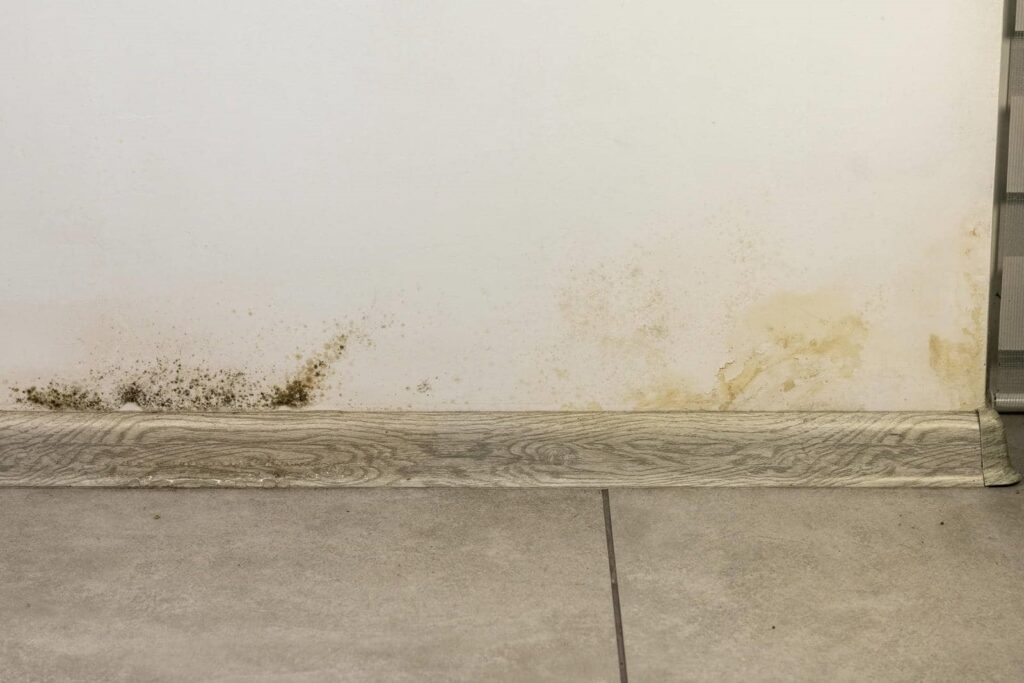
Look for visible mold growth, which can appear as black, green, or white patches on surfaces. Pay attention to any musty odors; they often indicate hidden mold. You should also monitor for water stains or discoloration on walls and ceilings, as these can signal mold-friendly conditions.
Be aware of any unexplained respiratory issues or allergic reactions among your household members, as these can be linked to mold health effects. Additionally, check for increased humidity levels or condensation in your home, which can promote mold growth.
To prevent mold, remember to dry out affected areas quickly and maintain proper ventilation.
Implementing mold prevention tips, like using dehumidifiers, can further safeguard your space. Staying alert to these signs can help you protect your home and loved ones from the dangers of mold.
Tools and Equipment for Mold Inspection
When inspecting for mold after water damage, having the right tools is vital for accurate detection.
Essential equipment includes moisture meters, infrared cameras, and air quality testers, which help you assess the extent of the problem.
Additionally, don’t overlook safety gear like respirators and gloves to protect yourself during the inspection process.
Essential Mold Inspection Tools
To effectively identify and assess mold growth following water damage, you’ll need a variety of essential tools and equipment.
Start with moisture measurement tools like moisture meters and thermal imaging cameras, which help you detect hidden damp areas that foster mold growth.
Incorporating advanced mold inspection technology, such as air sampling devices, allows for precise analysis of mold spores in the air.
Additionally, using a flashlight can illuminate dark corners where mold often hides.
A good quality camera can document findings for future reference or discussions with professionals.
With the right tools at your disposal, you’ll enhance your ability to identify and address mold issues, ensuring a safer environment for everyone involved.
Safety Equipment Overview
Having the right inspection tools is only part of ensuring safety during mold assessment; protective equipment is equally important.
When you’re preparing for a mold inspection, adhere to the inspection guidelines that recommend using personal protective equipment (PPE). Start with a high-quality respirator to protect your lungs from airborne mold spores. Wear gloves and goggles to shield your skin and eyes from irritants.
Consider donning a disposable coverall, particularly in heavily contaminated areas. It’s essential to familiarize yourself with the specific hazards of the environment you’re working in, as this will guide your choice of PPE.
Visual Inspection Techniques
Though you may not immediately see mold after water damage, a thorough visual inspection is vital for identifying hidden growth. Start by using effective mold identification techniques, focusing on areas prone to moisture, like basements, attics, and around plumbing fixtures.
Look for discoloration on walls, ceilings, and floors, which may indicate mold presence.
Employ visual evaluation methods such as inspecting HVAC systems, inspecting insulation, and checking behind furniture. It’s also important to examine any water-damaged materials, as they can harbor mold spores.
Pay attention to musty odors, which often signal hidden mold. Don’t forget to check for leaks or moisture sources that could contribute to mold growth.
Sampling and Testing for Mold
Once you’ve conducted a visual inspection and suspect mold growth, sampling and testing become essential steps to confirm its presence. Various mold sampling techniques can help identify the type and concentration of mold in your environment.
Common methods include air sampling, surface sampling, and bulk sampling. Air sampling captures spores in the atmosphere, while surface sampling involves collecting samples from suspected moldy surfaces. Bulk sampling, on the other hand, involves removing a piece of material that may be contaminated.
For testing methods, you can either use DIY kits available at hardware stores or send samples to a laboratory for analysis. While DIY kits offer convenience, lab testing provides more accurate identification and quantification of mold species.
Professional Mold Inspection Services
When it comes to addressing mold concerns, professional mold inspection services offer expertise that DIY methods can’t match. These trained specialists provide thorough mold inspections, identifying hidden growth that you might overlook.
They utilize advanced tools and techniques to assess visible mold and potential moisture sources that contribute to mold development.
Once the inspection is completed, they can recommend tailored remediation services to effectively remove mold from your property. This ensures that the problem is resolved at its root, preventing future outbreaks.
Additionally, professionals can advise on necessary repairs and preventive measures, fostering a healthier living environment for you and your loved ones.
Engaging with certified mold inspectors enhances your peace of mind and connects you with a community dedicated to maintaining safe, mold-free spaces.
Trusting their expertise can make all the difference in safeguarding your home from the risks associated with mold.
Frequently Asked Questions
How Long Does It Take for Mold to Grow After Water Damage?
Mold can start growing within 24 to 48 hours after water damage, depending on various factors like humidity, temperature, and materials involved. Understanding this mold growth timeline helps you act quickly to mitigate risks.
Can Mold Exposure Cause Health Issues Immediately?
Yes, mold exposure can cause health issues immediately. While some may experience mold symptoms like sneezing or headaches quickly, others might face long-term health risks. It is crucial to address mold promptly for everyone’s well-being.
What Types of Mold Are Most Common After Water Damage?
After water damage, you’ll often encounter types like black mold and toxic mold. These molds thrive in damp environments and can pose significant health risks, so it’s essential to identify and address them promptly.
Is It Safe to Stay in a Home With Mold Present?
Staying in a moldy home sounds like a thrilling adventure, but it’s not safe. Mold safety is essential; take home precautions seriously. Prolonged exposure can harm your health—better to seek fresh air and a cleaner environment!
How Can I Prevent Mold After Water Damage Occurs?
To prevent mold after water damage, implement mold prevention strategies like quick drying, improving ventilation, and using dehumidifiers. Effective water damage remediation ensures a healthier environment, minimizing mold growth and protecting your home from future issues.
Recap
Inspecting for mold after water damage isn’t just about checking for visible signs; it’s essential for your health and safety. You might think it’s too time-consuming, but addressing potential mold issues early can save you from costly damage and health risks down the road. By understanding the conditions that foster mold growth and employing the right tools, you can effectively safeguard your environment. Remember, a proactive approach is always better than dealing with the consequences later.
Recent Posts
Structural Drying for Flooded Property Restoration
When water invades a structure, both speed and strategy matter. Flooded property restoration starts by
What Is Structural Drying After Flooding
The majority of flood damage problems can worsen when moisture remains trapped in building materials,
5 Tips for Structural Drying After Flooding
After a flood, you need to act fast, or moisture can continue spreading behind walls