
Contents
Commercial Basements Need Mold Remediation because damp concrete, stale air, and hidden corners create a silent breeding ground for mold. You can spot the warning signs in musty odors, staining, and peeling finishes, but the real issue goes deeper than surface damage. If you ignore it, you risk indoor air quality, liability, and structural decay, and the next step determines how fast the problem spreads.
Key Takeaways
- Commercial basements trap moisture, creating ideal conditions for mold growth and rapid spread.
- Cracks, drains, and utility penetrations let water enter and feed hidden mold colonies.
- Mold in basements harms indoor air quality and can trigger coughing, allergies, and asthma.
- Untreated mold can damage structural materials, insulation, electrical systems, and ductwork.
- Professional remediation contains spores, removes contamination, and helps prevent mold from returning.
Why Commercial Basement Mold Spreads Fast
Commercial basement mold spreads fast because these spaces usually combine the three conditions mold needs most: persistent moisture, limited airflow, and organic material to feed on.
You can slow that growth by tightening moisture control at every entry point, including foundation cracks, floor drains, and utility penetrations.
When humidity stays elevated, spores germinate quickly and colonies extend across walls, framing, and stored materials.
Weak ventilation systems let damp air linger, so you need balanced exhaust and supply airflow to reduce condensation.
Because basements often sit below grade, they also stay cooler, which can trap water vapor on surfaces.
If you manage leaks, monitor humidity, and maintain airflow, you cut the conditions mold uses to establish itself and keep your building’s environment healthier for everyone inside.
Commercial Basement Mold Signs to Watch For
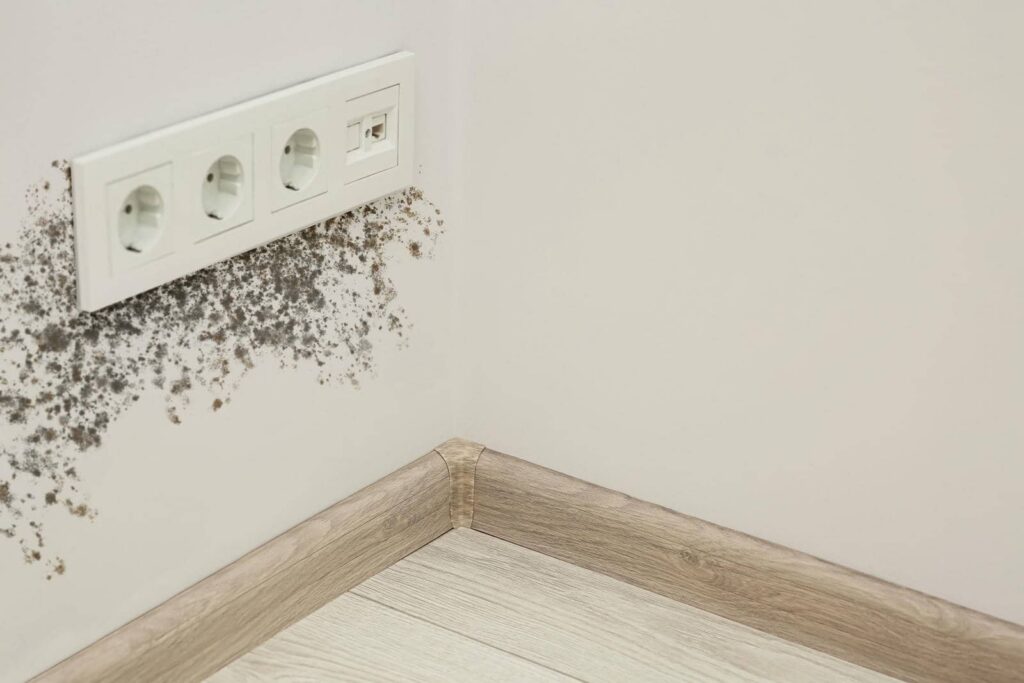
Once moisture and poor airflow take hold, mold often leaves clear warning signs in a commercial basement before it becomes widespread. You may notice musty odors, dark spotting on walls, peeling coatings, or damp insulation near slab edges.
Check stored materials, HVAC rooms, and pipe chases, since mold can hide behind boxes and panels. During routine mold inspection techniques, look for condensation on metal, efflorescence on masonry, and warped baseboards.
You should also watch for recurring humidity spikes and standing water after rain or plumbing leaks. These signals tell you that moisture control solutions aren’t working well enough.
If you catch the problem early, you can protect your facility, keep your team confident, and address conditions before the buildup expands into more areas.
Health and Liability Risks of Basement Mold
When mold grows in a commercial basement, it can affect occupant health and increase your liability at the same time.
You may see health implications such as irritated eyes, coughing, wheezing, headaches, and worsened asthma or allergies among employees, tenants, and visitors. In enclosed spaces, spores and fragments can circulate through the building and expose people repeatedly. Those exposures can disrupt work, trigger complaints, and undermine trust in your facility.
At the same time, liability concerns rise when you ignore visible growth, moisture, or odor. If you don’t document conditions and respond promptly, you may face claims tied to unsafe indoor air, negligence, or lease disputes.
You belong to a community that expects safe conditions, and mold undermines that standard.
How Mold Remediation Protects Your Building
Prompt mold remediation does more than remove visible growth—it helps protect your building’s structure, systems, and long-term value.
When you address contamination quickly, you reduce moisture-driven decay in joists, drywall, insulation, and concrete finishes. You also limit corrosion in electrical panels, ductwork, and fasteners, so your operations stay safer and more reliable.
- Lower the risk of hidden structural deterioration
- Support cleaner indoor air for occupants and staff
- Preserve asset value with targeted moisture control
You can reinforce these gains with mold prevention strategies and basement ventilation solutions that keep humidity in range.
That way, you’re not just reacting to damage—you’re maintaining a healthier, more stable commercial space where your team can feel confident and connected.
Why Professional Mold Cleanup Works Better
Professional mold cleanup works better because trained teams can identify the source of contamination, contain affected areas, and remove growth without spreading spores through the building.
You get a more reliable result because specialists test moisture, classify mold types, and match cleanup techniques to the damage. They use negative air pressure, HEPA filtration, and targeted demolition to protect your occupied spaces and keep your staff comfortable and safe.
You also reduce the chance of hidden colonies returning in wall cavities, drains, or insulation. With professional service, you gain clear documentation, faster turnaround, and a coordinated plan that supports your property team.
That means your basement stays functional, your occupants feel included in the recovery, and your building’s air quality improves with less disruption overall.
Frequently Asked Questions
How Often Should Commercial Basements Be Inspected for Mold?
You should inspect commercial basements for mold every three to six months, and after leaks or flooding. Maintain mold inspection frequency and basement humidity control to reduce risk, protect assets, and keep your facility trusted.
Can Basement Mold Return After Remediation?
Yes—if you don’t control moisture, basement mold can return like weeds after rain. You should manage mold spores with humidity control, because lingering leaks, porous materials, or poor ventilation can let colonies regrow.
What Building Materials Are Most Vulnerable to Basement Mold?
You’ll find drywall, insulation, ceiling tiles, carpet, and untreated wood most vulnerable to basement mold because they absorb moisture fast. Strong moisture control and ventilation solutions help you protect these materials and maintain a healthier space.
Does Insurance Typically Cover Commercial Mold Remediation?
Usually, you’ll need to check your insurance policies; coverage limits, exclusions, and causation decide payment. As they say, an ounce of prevention’s worth a pound of cure. You’ll belong with prepared owners who document damage promptly.
How Long Does Commercial Basement Mold Remediation Usually Take?
You can expect commercial basement mold remediation to take three days to two weeks, depending on mold growth, size, and remediation processes. You’ll usually feel reassured knowing technicians inspect, contain, clean, dry, and verify completion.
Wrap-Up
In your commercial basement, mold can spread like wildfire when moisture and stale air team up. You’ll notice musty odors, dark staining, and hidden growth long before the problem stops on its own. If you ignore it, you risk health complaints, liability issues, and costly structural damage. Professional remediation cuts off the source, removes contamination, and helps you protect your building, your people, and your bottom line before a small problem turns into a catastrophe.
Recent Posts
3 Best Mold Prevention Drying Tips
When moisture lingers, mold can start growing in less than 48 hours, so your drying
Structural Drying for Flooded Property Restoration
When water invades a structure, both speed and strategy matter. Flooded property restoration starts by
What Is Structural Drying After Flooding
The majority of flood damage problems can worsen when moisture remains trapped in building materials,