
Contents
After water damage, inspecting for mold isn’t just a precaution; it’s essential for your health and safety. Mold can start to grow within 24 to 48 hours, posing serious respiratory risks if ignored. Understanding the dynamics of mold growth and the areas most affected can save you from costly repairs and health issues. What are the key areas you should focus on, and what tools can help you in this critical assessment?
Key Takeaways
- Early mold inspection post-water damage prevents health risks like allergies and respiratory issues for occupants.
- Mold can grow within 24 to 48 hours after water exposure, necessitating prompt action.
- Hidden mold may compromise structural integrity, leading to costly repairs if left unchecked.
- Professional inspections utilize advanced tools to identify and assess mold issues effectively.
- Regular inspections promote a healthier living environment and reduce future mold growth potential.
Understanding Water Damage and Its Impact
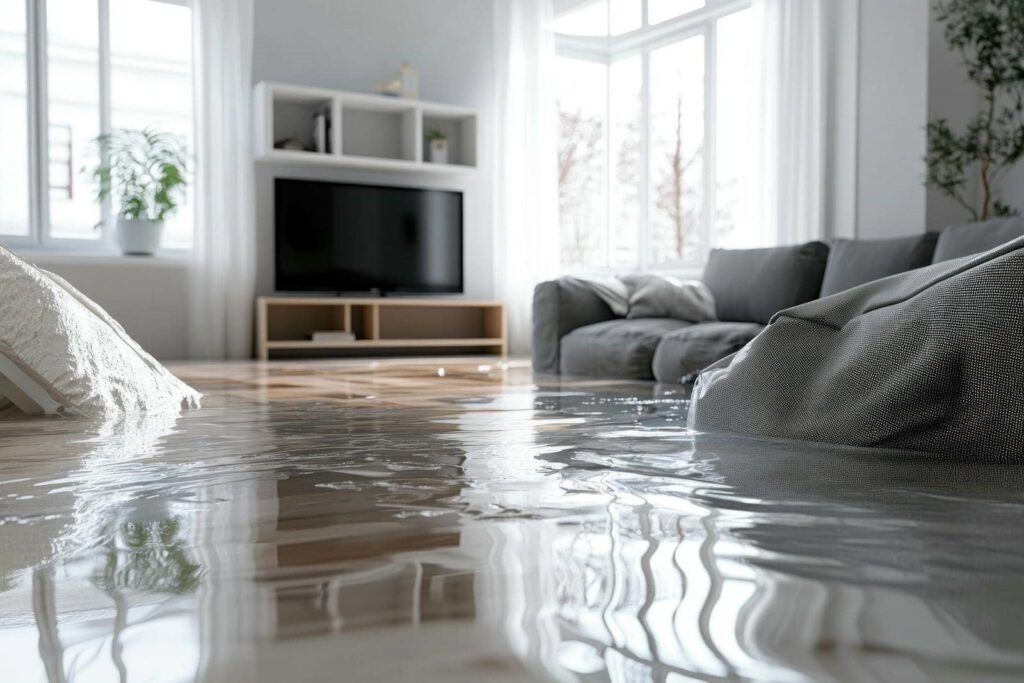
When you experience water damage, understanding its immediate and long-term impacts is vital for effective remediation. Various water damage causes, such as leaks, floods, or burst pipes, can lead to structural issues and health risks if not addressed promptly.
The longer water sits, the more extensive the damage becomes, making water damage restoration critical in minimizing losses.
Initially, you may notice staining or warping, but these signs can quickly evolve into mold growth and weakened building materials. This deterioration can compromise your living environment, leading to costly repairs and potential health hazards.
To protect your home and well-being, act quickly. Engaging professionals for water damage restoration ensures thorough assessment and remediation, reducing the risk of future complications.
Understanding these impacts empowers you to make informed decisions, fostering a sense of control and belonging in your living space.
The Importance of Early Mold Detection
Detecting mold early is essential, especially after experiencing water damage, because it can spread rapidly and pose serious health risks. Early detection safeguards your health and helps you maintain a safe environment for your loved ones.
By identifying mold growth quickly, you can implement effective mold prevention strategies that can save you time and money in the long run.
- Mold can trigger allergies and respiratory issues.
- It can compromise structural integrity, leading to costly repairs.
- Early intervention reduces the likelihood of extensive contamination.
Staying vigilant after water damage can prevent these risks. Regular inspections and prompt action will help you create a healthier living space.
Common Areas to Inspect for Mold Growth
Since mold can thrive in damp environments, knowing where to inspect is essential after water damage. Start by checking attic spaces, where moisture can accumulate due to poor ventilation or roof leaks. Look for dark patches or a musty odor, as these are strong indicators of mold growth.
Next, examine basement corners, which often collect water due to flooding or plumbing issues. Inspect behind appliances and along walls, as these areas can harbor hidden mold.
Don’t forget to check around windows and door frames, where condensation can lead to moisture buildup.
Tools and Equipment for Mold Inspection
To effectively identify mold growth after water damage, having the right tools and equipment is essential.
Using proper inspection tools can help you detect mold early and mitigate its effects on your environment. Here’s what you should consider for mold testing:
Moisture Meters: These devices measure the moisture content in materials, helping you pinpoint areas susceptible to mold growth.
Infrared Cameras: They detect temperature differences, revealing hidden moisture behind walls or ceilings where mold may thrive.
Air Quality Testing Kits: These kits help you assess the presence of mold spores in the air, providing a thorough view of your indoor air quality.
Professional Mold Inspection vs. DIY Methods
When it comes to mold inspection after water damage, understanding the differences between professional services and DIY methods is essential.
Professionals bring specialized training and advanced equipment that can effectively identify mold and assess health risks.
On the other hand, DIY methods may lack the necessary expertise and can expose you to safety hazards if not executed properly.
Expertise and Training Differences
While you might consider tackling mold inspection on your own, the expertise and training that professionals bring to the table often make a significant difference in the accuracy and effectiveness of their assessments.
Understanding the training differences can help you appreciate the value of hiring experts.
- Professionals possess mold expertise that allows them to identify hidden issues.
- They’re trained to use specific techniques for thorough evaluations, ensuring no detail is overlooked.
- Their experience helps in interpreting results accurately, leading to more effective remediation strategies.
Relying on DIY methods might seem cost-effective, but the potential for overlooking critical factors can lead to bigger problems down the line.
Investing in professional services ensures a safer, more extensive approach to mold inspection.
Equipment and Technology Used
Effective mold inspection relies heavily on the equipment and technology used during the process, and professionals utilize advanced tools that DIY methods often lack.
For instance, infrared cameras allow inspectors to identify hidden moisture sources that could lead to mold growth, while moisture meters accurately measure humidity levels in various materials. These tools provide precise data, helping you understand the extent of the mold problem.
In contrast, DIY methods typically rely on basic visual inspections, which can overlook critical issues. By choosing professional services, you ensure a thorough and efficient inspection, giving you peace of mind.
Ultimately, leveraging the right technology can make all the difference in effectively addressing mold concerns after water damage.
Safety and Health Risks
Although mold inspection might seem straightforward, the safety and health risks associated with improper handling can be significant.
When considering whether to tackle mold issues yourself or hire a professional, remember that mold can lead to severe health complications.
DIY methods often lack the expertise to identify hidden mold, which can exacerbate mold allergies.
Without proper protective gear, you risk exposure to spores, potentially causing respiratory issues.
Professionals use advanced techniques and equipment to ensure thorough detection and safe removal.
Ultimately, while DIY might appear cost-effective, the potential health hazards make professional mold inspection a critical choice for your well-being and peace of mind.
Prioritize safety to safeguard your home and health.
Signs of Mold Presence After Water Damage
After experiencing water damage, you should be on the lookout for signs of mold presence.
Visible mold growth, often appearing as black, green, or white spots, can indicate a serious issue.
Additionally, if you notice musty odors in your space, it’s a strong signal that mold may be thriving nearby.
Visible Mold Growth
Mold can quickly become a significant problem following water damage, often manifesting visibly within 24 to 48 hours.
Recognizing visible mold types is essential for effective remediation. You might see greenish-black spots on walls, fuzzy patches on surfaces, or discoloration around water-damaged areas.
- Mold can thrive in damp, dark environments.
- Different visible mold types require varied inspection techniques.
- Early detection helps prevent further damage and health issues.
Musty Odors Present
If you notice a persistent, musty odor in your home following water damage, it’s a strong indication that mold may be present. Musty smells often arise from hidden moisture, providing a perfect environment for mold growth.
Identifying odor sources is essential, as these smells can linger long after the initial water damage has been addressed. Check areas like basements, behind walls, and under carpets, where moisture can accumulate unnoticed.
Ignoring these odors can lead to more extensive mold issues, impacting both your health and your home’s integrity. Trust your senses; a musty smell shouldn’t be overlooked.
Taking action now can help ensure your home remains a safe and comfortable space for you and your loved ones.
Protocols for Safe Mold Removal
When dealing with water damage, following established protocols for safe mold removal is essential to ensure both effective remediation and health protection.
You must prioritize safety and utilize proper mold remediation techniques to ensure a thorough and secure process.
Wear Protective Gear: Always use gloves, masks, and goggles to shield yourself from mold spores.
Isolate the Affected Area: Seal off the contaminated space to prevent spores from spreading to other parts of your home.
Use Approved Products: Choose EPA-approved cleaning solutions to assist in the safe removal of mold effectively.
Preventative Measures to Avoid Future Mold Issues
To effectively prevent future mold issues, it’s essential to address moisture control in your home.
Start by incorporating mold resistant materials in areas prone to dampness, like bathrooms and basements. These materials can considerably reduce the likelihood of mold growth, giving you peace of mind.
Regularly inspect and maintain your roof, gutters, and plumbing to catch leaks before they become bigger problems. Routine maintenance is vital; clean and dry any spills or condensation promptly, ensuring moisture doesn’t have a chance to linger.
Additionally, consider installing exhaust fans in high-moisture areas to promote airflow and reduce humidity levels.
By taking these proactive steps, you protect your living space and foster a healthier environment for you and your loved ones.
The Role of Humidity Control in Mold Prevention
Humidity control plays an essential role in preventing mold growth, as elevated moisture levels create an ideal environment for spores to thrive.
By implementing effective humidity regulation and moisture management strategies, you can greatly reduce the risk of mold infestations in your home.
- Maintain indoor humidity levels below 60%.
- Use dehumidifiers in damp areas like basements.
- Regularly check for and fix leaks to prevent moisture accumulation.
Frequently Asked Questions
How Long Can Mold Grow After Water Damage Occurs?
Mold can start growing within 24 to 48 hours after water damage, depending on humidity levels. The mold growth timeline accelerates with higher humidity, emphasizing the need for prompt action to prevent extensive contamination.
Can Mold Cause Health Issues Even if Not Visible?
Yes, mold can cause health issues even if it’s not visible. Hidden mold exposure may lead to respiratory problems, allergies, and other health complications, so it’s essential to inspect for mold, even when you can’t see it.
What Types of Mold Are Most Common After Water Damage?
After water damage, common mold types include Stachybotrys, Aspergillus, and Penicillium. These molds thrive in damp environments, so effective recovery strategies are vital to prevent health risks and ensure a safe living space for you.
Is Mold Inspection Covered by Homeowners Insurance?
Mold inspection’s often covered by homeowners insurance, but it depends on your specific insurance policies. Check your coverage details, as mold removal related to water damage might have different stipulations or exclusions. Don’t assume; verify!
How Quickly Should I Act After Discovering Water Damage?
If you’re thinking about waiting for a “perfect” moment after discovering water damage, think again! Act within 24-48 hours. Implement water damage response and mold prevention strategies to safeguard your home and health.
Wrap-Up
In the grand scheme of home maintenance, you might think ignoring mold inspections after water damage is a risk worth taking—until you find yourself battling a full-blown infestation. Early detection isn’t just a precaution; it’s your best defense against health issues and costly repairs. By prioritizing mold assessments, you protect your living environment and save yourself from future headaches. After all, who wouldn’t prefer a healthy home over an unintended science experiment?
Recent Posts
3 Best Mold Prevention Drying Tips
When moisture lingers, mold can start growing in less than 48 hours, so your drying
Structural Drying for Flooded Property Restoration
When water invades a structure, both speed and strategy matter. Flooded property restoration starts by
What Is Structural Drying After Flooding
The majority of flood damage problems can worsen when moisture remains trapped in building materials,