
Contents
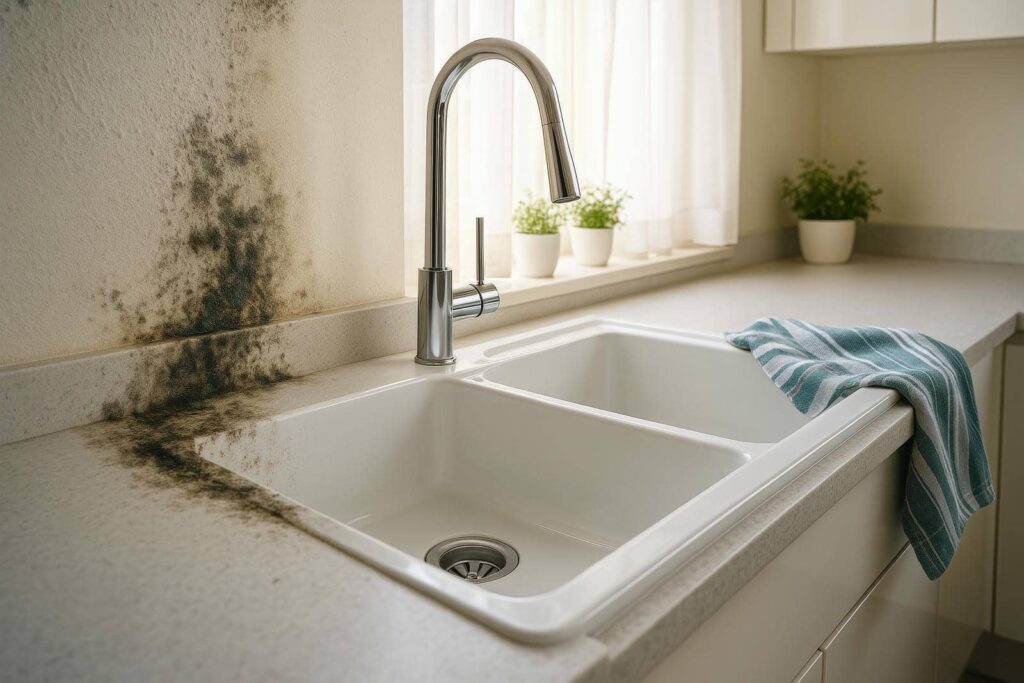
Mold is like an uninvited guest that thrives in the aftermath of flooding, quickly taking advantage of the damp environment. It can pose serious health risks, especially for those already facing health challenges. Understanding how mold grows and the potential dangers of exposure is essential. What you might not realize is that the effects can extend beyond immediate discomfort, leading to long-term health issues for you and your loved ones.
Key Takeaways
- Flooding creates moist environments, promoting mold growth, which poses health risks through allergens and irritants in the air.
- Mold exposure can trigger respiratory issues, worsening conditions like asthma, and lead to increased medication needs.
- Vulnerable populations, such as the elderly and children, face heightened risks of severe health effects from mold exposure.
- Prolonged exposure to mold can cause serious health problems, including lung tissue irritation and chronic respiratory symptoms.
- Prompt moisture control and professional remediation are crucial to prevent mold proliferation and protect overall health.
Understanding Mold and Its Growth Conditions
Mold thrives in environments where moisture, warmth, and organic materials coexist, making post-flood conditions particularly conducive to its growth. Understanding mold biology is essential for anyone concerned about maintaining a healthy environment.
Mold spores are ubiquitous, but they require specific conditions to develop into visible colonies. When your space has excess moisture, such as after a flood, it creates a perfect breeding ground for these spores.
Moisture control is vital in preventing mold proliferation. By promptly addressing water damage and ensuring proper ventilation, you can considerably reduce the likelihood of mold establishing itself in your home.
Additionally, regularly inspecting areas prone to dampness, like basements and attics, can help you catch mold growth early. Being proactive about moisture management protects your living space and fosters a sense of community well-being.
Together, you can create a healthier environment for everyone involved.
Common Health Issues Associated With Mold Exposure
When exposed to mold, you may experience a range of health issues, especially if you’re sensitive or allergic to its spores. Mold allergies can trigger symptoms like sneezing, a runny nose, and itchy eyes, making daily activities uncomfortable.
If you have existing respiratory issues, mold can exacerbate these conditions, leading to increased wheezing, coughing, and difficulty breathing. People with asthma may find their symptoms worsen considerably, necessitating more frequent use of inhalers or medications.
Even those without known allergies can develop respiratory problems after prolonged exposure to mold, as the spores can irritate lung tissue.
It’s essential to recognize these health risks early on. By understanding the connection between mold exposure and your well-being, you can take proactive steps to mitigate its impact.
Addressing mold growth promptly protects your health and fosters a safer living environment for you and your loved ones.
Vulnerable Populations at Higher Risk
Certain groups of people face a heightened risk of health complications from mold exposure. Elderly individuals often have weakened immune systems, making them particularly susceptible to the adverse effects of mold.
Pregnant women, too, should be cautious, as mold can impact both their health and their unborn child’s development.
Children, being still in their formative years, require special attention when it comes to mold, as ensuring their safety is paramount.
Those with chronic illnesses or existing respiratory conditions may experience exacerbated symptoms when exposed to mold, further complicating their health.
Additionally, individuals with immune disorders are at increased risk, as their bodies struggle to combat environmental threats.
By understanding these vulnerabilities, you can better protect yourself and your loved ones from the dangers mold presents after flooding.
Prioritizing safety for these susceptible populations is essential in creating a healthier living environment.
Symptoms of Mold Exposure
Exposure to mold can lead to a variety of health symptoms that range from mild to severe, depending on individual sensitivity and the extent of exposure. You might experience common symptoms like sneezing, coughing, or a runny nose.
In some cases, more serious reactions can occur, including headaches, fatigue, or respiratory issues. It’s essential to recognize these symptoms early, utilizing effective mold identification techniques to determine the presence of mold in your environment.
To protect yourself, consider implementing mold prevention strategies, such as ensuring proper ventilation and controlling humidity levels.
If you notice symptoms persisting or worsening, seek medical advice promptly. Your health and well-being matter, and understanding the signs of mold exposure can foster a sense of community as you share experiences and solutions with others facing similar challenges.
Staying informed can empower you to take necessary precautions to safeguard your environment and health.
Long-Term Health Effects of Mold
Although you might initially notice only mild symptoms from mold exposure, the long-term health effects can be considerably more serious. Prolonged exposure to mold can lead to mold toxicity, resulting in chronic respiratory issues such as asthma, bronchitis, and other lung conditions.
If you’re exposed to mold over an extended period, your immune system may weaken, making you more susceptible to infections and other illnesses.
People with pre-existing conditions, like allergies or autoimmune disorders, may find their symptoms exacerbated, leading to a decline in overall health. Additionally, mold can release mycotoxins, which can affect cognitive function and mental health, leading to anxiety and depression.
To protect yourself and your loved ones, it’s essential to recognize the potential for long-term effects and take proactive steps to mitigate exposure. Understanding these risks helps foster a sense of community and shared responsibility in maintaining a safe environment.
Importance of Prompt Flood Cleanup
Prompt flood cleanup is essential for preventing mold growth and safeguarding health. When flooding occurs, your immediate flood response can greatly influence the cleanup timeline and the risk of mold proliferation.
Mold can begin to develop within 24 to 48 hours after water exposure, making swift action critical. By removing standing water and drying out affected areas quickly, you limit moisture levels that fuel mold growth.
Not only does timely cleanup protect your physical well-being, but it also preserves the integrity of your living environment. Delaying cleanup can lead to costly repairs and long-term health issues for you and your loved ones.
Engaging in proactive measures ensures you create a safer, healthier space. Remember, taking quick, decisive action is your best defense against the health risks associated with mold after flooding.
Don’t underestimate the importance of being part of a collective effort to maintain a safe community.
Professional Mold Remediation Services
When dealing with mold after flooding, relying on professional remediation services is essential.
Their expertise ensures a detailed and effective response, minimizing health risks associated with mold exposure.
A complete remediation process removes visible mold and addresses underlying issues to prevent future growth.
Importance of Expertise
While tackling mold after flooding may seem like a manageable task, enlisting professional mold remediation services is essential for effective and safe removal.
Mold specialists possess the necessary training and experience to conduct an expert assessment of the situation. They can identify hidden mold growth and evaluate the extent of damage, ensuring no area is overlooked.
Additionally, these professionals use specialized equipment and techniques that aren’t typically available to the average homeowner, which greatly enhances removal efficiency.
Attempting DIY solutions may lead to improper handling of hazardous materials or incomplete removal, posing ongoing health risks.
Comprehensive Remediation Process
After securing professional mold remediation services, you’ll encounter a thorough remediation process designed to effectively eliminate mold and prevent future growth. This process begins with a detailed mold assessment to identify the extent of the issue. Next, experts deploy various remediation techniques tailored to your specific situation, ensuring a complete approach to mold removal.
| Step | Description | Outcome |
|---|---|---|
| Mold Assessment | Evaluate affected areas | Identify mold source and extent |
| Remediation Techniques | Apply cleaning and containment | Remove mold and prevent spread |
| Prevention Strategies | Implement moisture control | Reduce future mold risks |
Frequently Asked Questions
How Soon Can Mold Start Growing After a Flood?
Mold can start growing within 24 to 48 hours after flooding. To prevent flood damage, it’s essential that you act quickly—removing moisture and drying out affected areas can greatly hinder the mold growth timeline.
Can Mold Grow in Furniture After Flooding?
Yes, mold can grow in furniture after flooding, especially in porous materials. To prevent this, you should dry furniture promptly, use dehumidifiers, and ensure proper ventilation to inhibit mold growth and protect your home environment.
Is All Mold Harmful to Health?
Not all mold types are harmful, but some can trigger health effects like allergies or respiratory issues. Understanding which molds pose risks helps you protect your well-being and create a safer environment for yourself and loved ones.
How Can I Tell if Mold Is Hidden?
To detect hidden mold, use mold detection methods like moisture meters and visual inspections. Look for hidden mold indicators such as musty odors, water stains, or peeling paint, which can signal underlying mold growth in your environment.
Are There Home Tests for Mold Presence?
You might recall Jane, who discovered mold after using home testing kits. These mold kits can help you identify hidden spores, allowing you to take action before the problem escalates and affects your health.
Conclusion
In the aftermath of flooding, mold acts like a silent intruder, creeping into your home and health. Its risks are significant, especially for vulnerable groups, leading to a range of health issues that can linger long after the water recedes. Prompt cleanup and professional remediation are your best defenses against this unwelcome guest. By taking swift action, you can ensure your living space remains a safe haven, protecting both your well-being and that of those you care about.
Recent Posts
Structural Drying for Flooded Property Restoration
When water invades a structure, both speed and strategy matter. Flooded property restoration starts by
What Is Structural Drying After Flooding
The majority of flood damage problems can worsen when moisture remains trapped in building materials,
5 Tips for Structural Drying After Flooding
After a flood, you need to act fast, or moisture can continue spreading behind walls