
Contents
After water damage, the risk of mold growth escalates quickly. You may not realize that hidden moisture can thrive in unseen areas, leading to serious health risks. That’s why employing advanced mold inspection methods is essential. Techniques like infrared thermal imaging and moisture meters pinpoint these problem areas, ensuring you’re fully informed. But how do these methods work, and what implications do they have for your property and health?
Key Takeaways
- Advanced inspection methods, like infrared thermal imaging, reveal hidden moisture that could indicate potential mold growth after water damage.
- Moisture meters assess the moisture content in materials, helping to identify areas at risk for mold proliferation.
- Air quality testing detects airborne mold spores and contaminants, providing a comprehensive understanding of mold presence.
- Early detection through advanced techniques minimizes health risks and structural damage associated with mold growth.
- Professional inspections utilize these methods to ensure thorough evaluations, leading to effective remediation strategies and long-term prevention.
Understanding the Risks of Mold Growth After Water Damage
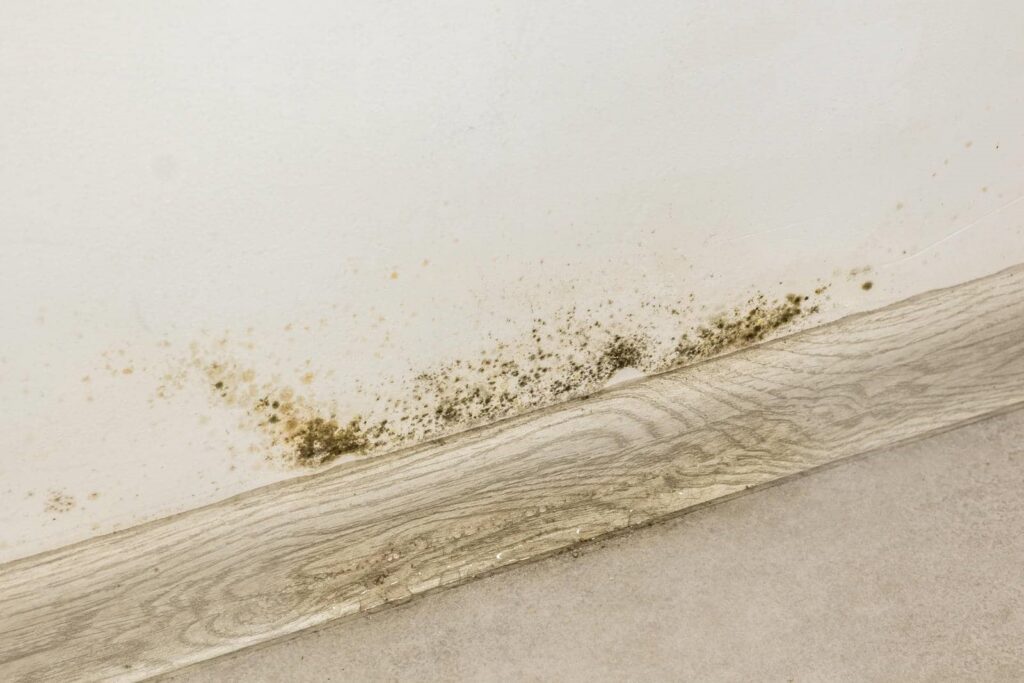
When water damage occurs, it creates an ideal environment for mold growth, making immediate action essential. Mold spores, which are ubiquitous in our environment, can proliferate rapidly in damp conditions.
Once moisture settles in walls, ceilings, or flooring, it can take as little as 24 to 48 hours for mold to begin developing. This quick growth poses significant health risks, especially for sensitive individuals, such as those with asthma or allergies. Exposure to mold can lead to respiratory issues, skin irritations, and other serious ailments.
You must recognize that not all mold is visible; it often hides behind surfaces, complicating detection. Understanding these risks empowers you to take proactive measures.
The Importance of Timely Mold Inspections
Timely mold inspections are essential for preventing the escalation of mold-related problems in your home. Understanding the mold lifecycle is vital; mold spores can begin to grow within 24 to 48 hours after water damage occurs.
Regular inspections can help you identify and address issues before they worsen, ensuring a healthier living environment. The frequency of inspections should be based on your home’s specific conditions, such as humidity levels and recent water exposure.
By adopting a proactive approach, you minimize the risk of extensive mold growth, which can lead to structural damage and health concerns. If you wait too long, you may face costly remediation efforts and potential long-term health effects for your family.
Incorporating timely mold inspections into your home maintenance routine protects your investment and fosters a sense of security and belonging for you and your loved ones.
Advanced Inspection Techniques for Accurate Detection
To ensure accurate mold detection, you should incorporate advanced inspection techniques like infrared thermal imaging, moisture meter assessments, and air quality testing.
Each method offers unique insights into hidden moisture issues and airborne spores, allowing for a thorough evaluation of potential mold growth.
Infrared Thermal Imaging
Infrared thermal imaging stands out as a cutting-edge technique for detecting moisture and potential mold growth in buildings.
This non-invasive method provides several infrared advantages that make it essential for accurate assessment after water damage.
- Identifies hidden moisture behind walls and ceilings
- Captures temperature variations indicating potential mold hotspots
- Offers a visual representation, simplifying the inspection process
Moisture Meter Assessment
Moisture meters play an indispensable role in accurately evaluating the moisture content within building materials, offering invaluable insights during mold inspections.
By utilizing precise moisture meter calibration techniques, you can ensure that readings reflect true moisture levels, helping you identify potential mold growth areas. Regular moisture level monitoring allows you to track changes over time, enabling proactive measures before mold issues escalate.
It’s vital to select the right meter for your specific materials, as different surfaces can yield varying results. Familiarizing yourself with the device’s features will enhance your assessment accuracy.
Air Quality Testing
While moisture meters provide critical insights into potential mold growth, air quality testing enhances your understanding of the indoor environment. This advanced method focuses on identifying airborne contaminants, such as mold spores, that can notably impact your health and comfort.
By conducting air quality tests, you can uncover hidden mold issues that moisture meters alone might miss.
- Detect specific types of mold spores in the air
- Measure levels of harmful airborne contaminants
- Assess overall indoor air quality for safety
With precise data from air quality testing, you’re empowered to take informed actions to improve your living space.
Ensuring a healthy environment isn’t just about eliminating visible mold; it’s also about addressing the unseen threats in your air.
Utilizing Infrared Technology for Hidden Moisture
Employing infrared technology in mold inspection offers a sophisticated approach to detecting hidden moisture that may not be visible to the naked eye. By utilizing infrared cameras, you can pinpoint temperature variations in building materials, which often indicate the presence of moisture. This method delivers significant infrared benefits, allowing you to assess water damage quickly and accurately.
Unlike traditional moisture detection techniques, infrared technology provides a non-invasive solution, minimizing disruption to your property. You can effectively identify areas at risk of mold growth before it becomes a more significant problem, ensuring a proactive response to potential hazards.
The precision of infrared imaging enhances your understanding of moisture distribution and fosters a sense of security by ensuring your environment is monitored effectively. By embracing these advanced methods, you’re taking an essential step in safeguarding your space against mold-related issues.
The Role of Air Quality Testing in Mold Assessment
Air quality testing plays an essential role in mold assessment by providing objective data on airborne contaminants.
You can identify specific mold species and their concentrations, enabling targeted remediation efforts. This process helps you understand the extent of contamination and informs you about potential health risks associated with mold exposure.
Importance of Air Testing
Since mold spores can be present in the air you breathe, air quality testing plays an essential role in mold assessment. By analyzing airborne spores, you can identify potential health risks and determine the presence of various mold species in your environment.
This testing provides critical information that aids in remediation efforts and ensures a safe living space.
- Pinpoints specific mold species present
- Assesses overall air quality and safety
- Guides effective remediation strategies
Utilizing advanced air testing methods allows for a more thorough understanding of your indoor air quality.
This proactive approach helps protect your health and fosters a community of safety and awareness among those affected by water damage and mold infiltration.
Identifying Mold Contaminants
While understanding the types of mold contaminants in your environment can seem intimidating, effective air quality testing simplifies the process.
By analyzing air samples, you can identify various mold species present in your space, such as Aspergillus or Penicillium. This data reveals the types of molds and their contamination sources, which may include water-damaged materials or excessive humidity.
Recognizing these elements is vital because different mold species can pose varying health risks. Air quality testing provides a clear picture of your indoor environment, enabling you to take informed action.
With this knowledge, you’ll create a safer, healthier space for yourself and your loved ones, fostering a sense of belonging and well-being in your home.
Benefits of Professional Mold Inspection Services
When you invest in professional mold inspection services, you gain access to specialized expertise and advanced technology that can uncover hidden mold problems within your property.
These professionals utilize state-of-the-art tools and techniques to provide a thorough assessment, ensuring your environment remains safe and healthy.
Early Detection: Identify mold issues before they escalate, minimizing potential damage and health risks.
Comprehensive Reporting: Receive detailed reports that outline findings, helping you make informed decisions about remediation.
Tailored Solutions: Get customized recommendations that address specific mold problems, ensuring effective and efficient remediation.
Long-Term Prevention Strategies Post-Inspection
To maintain a mold-free environment after a professional inspection, implementing long-term prevention strategies is crucial.
Start with regular preventive maintenance to monitor humidity levels. Keeping humidity below 60% can greatly reduce mold growth potential. Ensure proper ventilation in high-moisture areas like bathrooms and kitchens; consider installing exhaust fans if necessary.
Next, routinely inspect your property for any signs of leaks or water damage. Address these issues immediately to prevent mold from taking hold.
Schedule periodic professional mold remediation assessments, even if no visible mold is present, to catch hidden problems early.
Additionally, consider using mold-resistant materials in renovations. These materials can provide an extra layer of defense.
Finally, educate everyone in your household about the importance of mold prevention, fostering a collective commitment to a healthier living space.
Frequently Asked Questions
How Do I Know if I Need a Mold Inspection?
If you notice musty odors, visible mold, or health issues like allergies after water damage, you should consider mold testing. These signs indicate potential health risks, and addressing them early is vital for your safety.
Can I Conduct a Mold Inspection Myself?
You can conduct a DIY mold inspection using mold testing kits, but it’s essential to follow the instructions closely. Confirm you’re thorough in checking for hidden moisture and mold growth to validate your results effectively.
What Are the Signs of Hidden Mold Growth?
If you smell mustiness or notice unexplained allergies, you might be facing hidden mold. Look for water stains, peeling paint, or dampness. These mold symptoms can signal growth lurking behind walls or under floors.
How Long Does a Mold Inspection Typically Take?
A mold inspection typically lasts one to three hours, depending on factors affecting inspection, such as property size, severity of moisture issues, and accessibility. You’ll gain valuable insights into potential hidden mold problems during this time.
Is Mold Inspection Covered by Homeowners Insurance?
When you delve into your homeowners insurance policy, check for mold coverage specifics. Some policies include inspection costs, while others don’t. Understanding your coverage’s details can save you from unexpected expenses down the line.
Wrap-Up
In the aftermath of water damage, think of advanced mold inspection methods as your vigilant compass, guiding you through the murky waters of potential hazards. By employing techniques like infrared imaging and moisture meters, you’re not just uncovering hidden threats; you’re fortifying your home’s foundation against mold’s insidious creep. Investing in professional services safeguards your health and nurtures a safe haven, ensuring your space remains a sanctuary rather than a breeding ground for unseen dangers.
Recent Posts
3 Best Mold Prevention Drying Tips
When moisture lingers, mold can start growing in less than 48 hours, so your drying
Structural Drying for Flooded Property Restoration
When water invades a structure, both speed and strategy matter. Flooded property restoration starts by
What Is Structural Drying After Flooding
The majority of flood damage problems can worsen when moisture remains trapped in building materials,