
Contents
Imagine traversing a dark, damp cave filled with unseen dangers—mold can be just as treacherous in your home. To tackle this hidden menace, you need a systematic approach that prioritizes safety and efficiency. First, you’ll assess the situation, then prepare your mold cleanup area. Finally, the actual removal process demands attention to detail and proper disposal methods. Mastering these steps is essential for a safe environment, but what comes next may surprise you.
Key Takeaways
- Assess the affected area for visible mold, musty odors, and moisture sources before beginning cleanup.
- Gather necessary cleanup supplies, including protective gear, mold-resistant bags, and cleaning solutions.
- Seal off the area to contain spores, turning off HVAC systems and covering vents with plastic sheeting.
- Use a dampened detergent solution to scrub moldy surfaces and dispose of contaminated materials in sealed bags.
- Monitor health symptoms among occupants and consult professionals for extensive mold issues or persistent health concerns.
Assess the Mold Situation
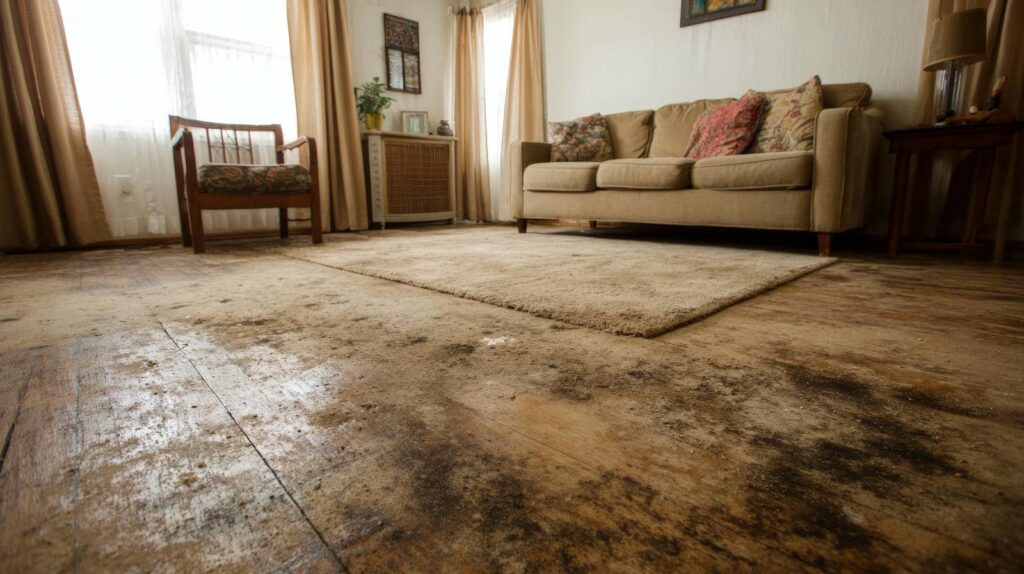
How can you effectively assess the mold situation in your space? Start by identifying mold types, as different species pose varying health risks. Look for visible signs of mold growth, especially in damp areas like bathrooms, basements, or around windows. Use a flashlight to inspect dark corners and ceilings. If you notice a musty odor, it’s a strong indicator of hidden mold.
Next, check for water damage or leaks, as moisture is a breeding ground for mold. Pay attention to any allergic reactions among occupants; symptoms like sneezing, coughing, or skin rashes can signal mold exposure.
If you suspect extensive mold growth, consider using a mold test kit to confirm the presence and type of mold.
Prepare the Cleanup Area
Before starting the mold cleanup, take essential steps to prepare the cleanup area effectively.
First, gather all necessary cleanup supplies, including mold-resistant bags for disposal, sponges, brushes, and a detergent solution. Make sure you have enough protective gear, such as gloves, goggles, and a mask, to shield yourself from mold spores.
Next, seal off the affected area by closing doors and windows, preventing spores from spreading to other rooms. Use plastic sheeting to cover vents and openings, further containing the mold.
Turn off any HVAC systems to avoid the circulation of mold spores. Make certain adequate ventilation in your workspace by opening windows or using fans directed outside.
Finally, be mindful of your surroundings; remove any personal items or furniture from the area that could be contaminated.
Safely Remove and Dispose of Mold
Once you’ve prepared the cleanup area, it’s crucial to focus on safely removing and disposing of the mold.
Start by wearing appropriate personal protective equipment (PPE), including gloves, goggles, and an N95 respirator, to minimize exposure. For effective mold removal, use a mixture of water and detergent to dampen the affected surfaces—this helps contain spores.
Scrub the moldy area thoroughly, then wipe it down with a clean, damp cloth.
When it comes to disposal methods, seal all contaminated materials, like rags and drywall, in plastic bags to prevent spore release.
Label these bags clearly and dispose of them according to local guidelines. If the mold covers an extensive area, consider contacting professionals for safe removal and disposal.
Frequently Asked Questions
Can I Use Bleach to Kill Mold Effectively?
You can use bleach for certain mold types, but its effectiveness varies. It doesn’t penetrate porous surfaces, where mold thrives. Always prioritize safety by wearing protective gear and ensuring proper ventilation during cleanup.
How Long Does It Take for Mold to Grow?
Mold can start growing within 24 to 48 hours under ideal mold growth conditions. To prevent this, maintain low humidity, ensure proper ventilation, and address leaks promptly. Following mold prevention tips keeps your environment safe and healthy.
Will Mold Come Back After Cleanup?
After cleanup, mold can return if you don’t implement effective mold regrowth prevention strategies. Regular mold cleanup maintenance, like controlling humidity and ensuring proper ventilation, is essential to keep your environment safe and healthy.
What Health Risks Are Associated With Mold Exposure?
Imagine breathing in invisible spores. You might experience mold symptoms like sneezing or skin rashes. Allergic reactions can escalate, leading to asthma or chronic fatigue. Protect yourself; understanding these risks is essential for your health and safety.
Is Professional Help Necessary for Mold Cleanup?
You may find professional services crucial for mold removal, especially in extensive cases. They ensure thorough cleanup, utilize safety equipment, and reduce health risks, giving you peace of mind while restoring your environment effectively.
Recap
By following these three essential steps for safe mold cleanup, you’re not just tackling an unsightly problem; you’re reclaiming your space from an unwelcome invader. Think of it as fortifying your home’s defenses against a persistent foe. With careful assessment, preparation, and removal, you create a safer environment for yourself and your loved ones. Remember, safety is your shield—equip yourself well, and you’ll ensure a healthier living space free from mold’s harmful effects.
Recent Posts
Why Choose Professional Water Extraction and Mold Cleanup?
When faced with water damage, you can’t afford to overlook the risks of mold growth.
What Are Emergency Water Extraction Services?
Water damage can strike unexpectedly, yet the right emergency water extraction services can make a
Affordable Mold Removal Services for Businesses
Did you know that mold can silently undermine your business’s health and safety standards? Ignoring