
Contents
When a Flooded Basement turns into a sump of trouble, you need to act fast and in order: shut off power, check for contamination, and start removing standing water with a submersible pump or wet vacuum. Then you’ll lift damp materials, extract moisture from carpets and walls, and set fans and dehumidifiers to work before mold takes hold. One missed step can change the outcome.
Key Takeaways
- Shut off basement electricity and move everyone out before entering the flooded area.
- Inspect for contamination and visible leaks, then document damage with photos.
- Remove standing water with a submersible pump or wet vacuum from the lowest point first.
- Open carpet edges, remove baseboards, and cut saturated drywall above the water line.
- Dry the basement with fans and a dehumidifier, and check for mold or persistent moisture.
Stop Basement Water Damage Fast
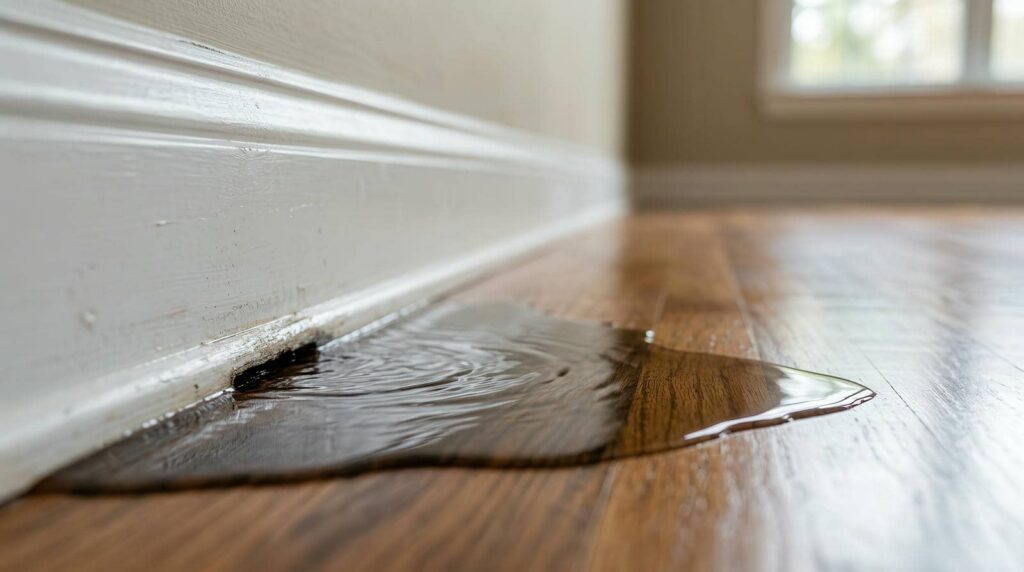
The moment you find standing water in your basement, act fast to limit structural damage and mold growth. First, shut off electricity to affected circuits and move family members away from the area.
Next, inspect foundation walls, floor joints, and appliances for visible leaks so you can isolate the source. You’ll protect your space better when you document damage with photos for insurance and repair planning.
Use preventative measures such as sealing cracks, extending downspouts, and keeping gutters clear to reduce repeat flooding.
Gather emergency supplies like gloves, flashlights, batteries, plastic sheeting, and a wet/dry vacuum before conditions worsen.
As a homeowner, you belong to a community that values quick, informed action, so stay organized, communicate with helpers, and monitor humidity until cleanup begins.
Remove Standing Water Safely
Before you pump or vacuum out basement water, make sure the area is safe to enter and that the water isn’t contaminated by sewage or chemicals.
Turn off basement electricity at the main panel, then verify water safety with gloves, boots, and eye protection.
If you can, use a submersible pump or wet vacuum to remove water from the lowest point first.
Place discharge hoses outside and away from the foundation, and keep the pump stable so it doesn’t clog or tip.
If the water level is shallow, mop up what the equipment can’t reach.
Check sump pumps for power, float movement, and flow before relying on them.
Work methodically, watch for hidden hazards, and keep your team informed so everyone stays safe and confident.
Extract Moisture From Carpets and Walls
Now pull moisture out of carpets and wall materials as quickly as possible to limit mold growth and structural damage.
Lift carpet edges and inspect the backing, padding, and tack strips. If the carpet stayed clean, you can use carpet cleaning methods that extract water from the pile without spreading contamination.
Blot wall surfaces with absorbent towels, then remove baseboards to expose damp drywall and framing. Cut or open saturated drywall above the water line so you can check hidden moisture and protect the rest of the room.
Apply wall treatment only after you’ve removed wet insulation and debris. Keep traffic off softened surfaces, and separate salvageable materials from items that need disposal.
Work methodically, because fast, organized action helps you keep the space safe, recoverable, and yours again.
Dry the Basement With Fans and Dehumidifiers
Set fans to move air across wet floors, baseboards, and wall cavities, then run a dehumidifier to pull remaining moisture from the basement air. You’ll speed drying by using focused ventilation techniques and matching equipment options to room size and humidity.
Keep doors open so air can circulate, and avoid directing fans at one spot only.
- Place box fans low to push air along surfaces.
- Position the dehumidifier near the center for balanced intake.
- Empty the reservoir or route drainage so it can run nonstop.
Check progress with a hygrometer and adjust placement if readings stall.
Stay consistent; your crew mindset matters here, and steady airflow helps you reclaim a dry, usable basement faster and with less lingering dampness.
Check for Mold and Call a Restoration Pro
Once the basement is mostly dry, inspect walls, floors, insulation, and hidden cavities for mold growth, musty odors, discoloration, or soft, damaged materials.
Use a flashlight and probe trim, drywall edges, and sill plates; if you see fuzzy patches or stain rings, isolate the area and avoid spreading spores.
Remove porous items that stayed wet for more than 24 to 48 hours.
Clean nonporous surfaces with detergent and dry them fully to support mold prevention.
If the affected area is larger than 10 square feet, or if you suspect contamination in ductwork, call restoration services immediately.
A qualified restoration pro can measure moisture, contain the site, and sanitize safely.
You’re not handling this alone; your crew can restore the space correctly.
Frequently Asked Questions
How Do I Know if My Basement’s Flooding Is Covered by Insurance?
Check your policy for flood insurance and coverage limits; you’re usually covered if a specific flood endorsement applies. You should verify exclusions, document damage, and call your insurer immediately to confirm eligibility.
Should I Shut off Electricity Before Entering a Flooded Basement?
Yes—shut off electricity first if you can do so safely. You’ll reduce electrical hazards and follow essential safety precautions. If water reaches outlets or your panel, don’t enter; call a licensed electrician immediately.
Can I Save Items Soaked in Sewage-Contaminated Water?
Usually not; sewage water carries serious health risks. If you must assess items, only attempt item restoration on hard, nonporous goods after disinfection. Most porous materials can’t be safely salvaged.
How Soon Should I Replace Damaged Drywall After Flooding?
You should replace damaged drywall within 24–48 hours if it’s soaked; otherwise, you’ll risk mold. Start drywall drying immediately, then confirm your repair timeline with moisture readings, because you deserve a safe, healthy home.
What Causes Basement Flooding to Happen Again After Cleanup?
Basement flooding returns when you miss drainage, grading, sump, or leak issues. You should inspect cracks, seals, and gutters, then keep up plumbing maintenance and preventive measures so you stay protected and prepared.
Conclusion
By following these five steps, you can stop basement water damage fast and limit long-term problems. Always shut off power first, then remove standing water with a pump or wet vacuum. Next, extract moisture from carpets and walls, and dry the space with fans and dehumidifiers. Check for mold as soon as the area dries. If the damage looks extensive, don’t cut corners—call a restoration pro right away.
Recent Posts
Why Prevent Mold After Structural Drying?
After structural drying, you still need to prevent mold because hidden moisture can remain in
3 Best Mold Prevention Drying Tips
When moisture lingers, mold can start growing in less than 48 hours, so your drying
Structural Drying for Flooded Property Restoration
When water invades a structure, both speed and strategy matter. Flooded property restoration starts by