
Contents
After flooding, managing health risks from mold is essential. Mold can develop rapidly in damp environments, leading to various health complications. Understanding the conditions that promote mold growth and recognizing the symptoms of exposure are important. You need to take immediate steps to prevent mold proliferation, especially for vulnerable populations. What strategies can you implement to ensure a safe environment during cleanup and beyond?
Key Takeaways
- Promptly remove standing water within 24-48 hours to minimize mold growth and reduce health risks.
- Use protective gear during cleanup and ensure proper ventilation to promote airflow and moisture reduction.
- Monitor humidity levels and check hidden areas like basements for signs of mold growth and moisture.
- Be aware of health symptoms such as coughing, skin irritation, and fatigue, which indicate mold exposure.
- Seek professional inspection if extensive mold growth or persistent health symptoms occur to ensure effective remediation.
Understanding Mold Growth After Flooding
When flooding occurs, it creates an ideal environment for mold growth, making it essential to understand the conditions that foster this problem. Mold thrives in damp conditions, and after a flood, excess moisture becomes a significant factor in its lifecycle.
To prevent mold from taking hold, you must prioritize moisture control. This involves promptly drying affected areas, using dehumidifiers, and ensuring proper ventilation.
Understanding the mold lifecycle can also help you recognize how quickly mold can develop. Spores can germinate within 24 to 48 hours in moist conditions, so the sooner you address the water damage, the better.
Be proactive in inspecting hidden areas like basements and crawl spaces, where moisture often lingers unnoticed.
Common Health Symptoms Associated With Mold Exposure
When exposed to mold, you might experience a range of health symptoms that can greatly impact your well-being.
Respiratory issues and allergies are commonly reported, along with skin irritations and rashes.
Additionally, some individuals may notice neurological symptoms, underscoring the importance of addressing mold exposure promptly.
Respiratory Issues and Allergies
How can mold exposure impact your respiratory health? When you’re exposed to mold, you may develop respiratory issues or exacerbate existing conditions.
Mold allergies are common, causing symptoms like coughing, sneezing, and nasal congestion. If you have respiratory sensitivity, even a small amount of mold can trigger significant discomfort.
This can be particularly concerning for individuals with asthma or other lung conditions, where mold exposure may lead to severe reactions. Inhaling mold spores can irritate your airways and lungs, making it harder to breathe.
It’s crucial to recognize these symptoms early and address mold growth in your environment. By doing so, you can protect your respiratory health and enhance your overall well-being, fostering a sense of community in promoting safe living spaces.
Skin Irritations and Rashes
Mold exposure can also lead to skin irritations and rashes, which are significant health symptoms that many may overlook.
When you come into contact with mold spores, your skin can react with redness, itching, or even blisters. These symptoms can worsen if you have pre-existing skin conditions.
To manage these irritations, prioritize proper skin care by keeping affected areas clean and moisturized. Over-the-counter rash treatments, such as hydrocortisone creams, may help alleviate discomfort.
If your symptoms persist or escalate, it’s vital to consult a healthcare professional. Remember, addressing skin issues early can prevent more severe reactions and ensure your overall well-being as you navigate the aftermath of flooding and mold exposure.
Neurological Symptoms and Effects
Although often overlooked, neurological symptoms can emerge as significant health effects of mold exposure. You mightn’t realize that prolonged contact with mold can lead to cognitive decline and even trigger neurological disorders.
Symptoms like headaches, memory issues, and difficulty concentrating can affect your daily life and overall well-being. In some cases, individuals may experience mood swings or anxiety, which can compound existing stressors in their lives.
If you’ve been exposed to mold, it’s essential to monitor any changes in your cognitive function. Seeking medical advice early on can help mitigate these effects.
Vulnerable Populations at Higher Risk
Certain groups are more susceptible to the health risks associated with mold exposure, making it essential to identify these vulnerable populations.
Understanding who’s at risk helps you take proactive measures. Here are some at-risk populations that often experience heightened mold sensitivity:
Children – Their immune systems are still developing, making them more vulnerable.
Elderly Individuals – Age-related health issues can compromise their immune response.
Individuals with Chronic Respiratory Conditions, such as Asthma or COPD, can worsen due to mold exposure.
Immunocompromised Individuals – Those with weakened immune systems face increased risks from mold-related illnesses.
Recognizing these groups allows for more targeted interventions, ensuring that those most in need receive the support and protection necessary to mitigate health risks.
Preventing Mold Growth During Cleanup
When tackling cleanup after water damage or leaks, it is crucial to implement strategies that prevent mold growth from taking hold. Start by promptly removing all standing water and drying affected areas within 24-48 hours. Use dehumidifiers and fans to enhance airflow and reduce moisture levels.
Here are some effective mold prevention strategies and cleanup best practices:
| Action | Importance |
|---|---|
| Remove wet items | Reduces moisture levels |
| Clean with soap | Eliminates spores |
| Use protective gear | Keeps you safe |
| Ventilate spaces | Promotes airflow |
| Monitor humidity | Prevents future growth |
Effective Mold Removal Techniques
Effective mold removal requires a systematic approach to ensure that all traces of mold are eliminated and the environment is restored to a safe condition.
To achieve successful mold removal, follow these essential cleaning techniques:
Identify the Source: Locate the moisture source causing mold growth and address it first.
Protect Yourself: Wear protective gear, including masks and gloves, to avoid exposure to mold spores.
Use Appropriate Cleaners: Apply mold removal solutions, such as a mixture of water and detergent, or commercial products specifically designed for mold.
Dispose of Contaminated Materials: Safely discard porous items like carpets or drywall that can’t be effectively cleaned.
Importance of Proper Ventilation
Proper ventilation plays an important role in preventing mold growth and maintaining indoor air quality. When you ensure effective air circulation, you help reduce humidity levels on which mold thrives.
Utilizing ventilation systems effectively can dramatically improve the air flow in your home. This is especially vital after flooding, as damp conditions can linger if not addressed promptly.
Open windows, use exhaust fans, and employ dehumidifiers to enhance air circulation. These methods allow stagnant, moist air to escape while bringing in drier, fresher air.
By prioritizing proper ventilation, you create an environment less conducive to mold development.
It’s important to regularly inspect and maintain your ventilation systems to verify they’re functioning at their best. A well-ventilated space reduces mold risks and promotes a healthier living environment for you and your loved ones.
Taking these proactive steps fosters a sense of safety and belonging in your home.
Long-Term Health Implications of Mold Exposure
Although mold might seem like a minor nuisance, long-term exposure can lead to significant health issues that affect your well-being. You may not notice the effects immediately, but over time, these health implications can manifest in various ways, including:
Chronic fatigue – Persistent tiredness that interferes with daily activities.
Cognitive decline – Difficulty concentrating, memory problems, and impaired decision-making.
Respiratory issues – Increased susceptibility to asthma and other breathing difficulties.
Allergic reactions – Heightened sensitivity leading to skin irritations and nasal congestion.
These symptoms can create a cycle of discomfort and frustration, impacting your quality of life.
It’s essential to recognize these potential long-term effects of mold exposure. By being proactive about your environment, you can foster a healthier living space and protect your well-being.
When to Seek Professional Help
If you notice signs of mold growth in your home, it’s essential to act quickly.
Pay attention to any health symptoms like persistent coughing or skin irritation, as these may indicate a serious problem.
Knowing when to call in a professional for inspection can help prevent further health risks and property damage.
Signs of Mold Growth
Mold growth can often go unnoticed until it becomes a significant problem, leading to various health risks. Recognizing the signs early is essential for maintaining indoor air quality and ensuring your well-being.
Here are some key indicators that warrant professional help:
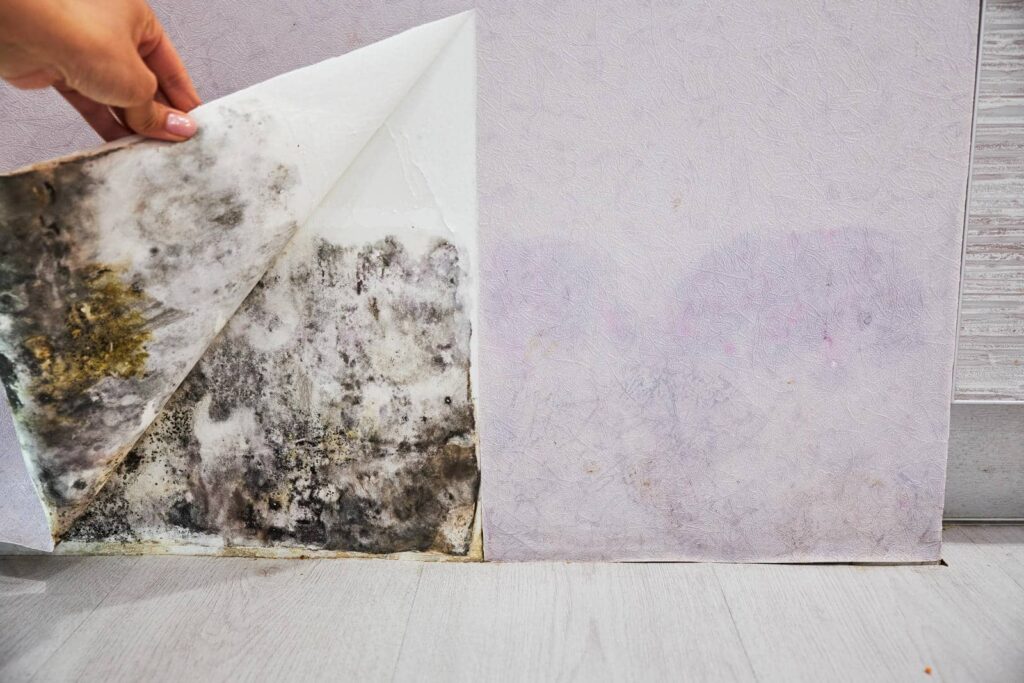
Visible Mold: Any green, black, or white patches on walls, ceilings, or furnishings.
Musty Odor: A persistent damp smell that lingers in your home.
Water Damage: Stains or discoloration on surfaces from previous flooding or leaks.
Increased Humidity: Elevated moisture levels that create an environment conducive to mold.
Using effective mold identification techniques can help you spot these signs early, allowing you to take action before health issues arise.
Don’t hesitate to seek help if you notice any of these indicators.
Health Symptoms to Monitor
How can you tell if mold exposure is affecting your health? Pay attention to symptoms like persistent coughing, sneezing, or skin irritation.
You might also notice headaches, fatigue, or respiratory issues. These reactions can vary based on your sensitivity to mold and the level of exposure.
To stay proactive, adopt health monitoring tips such as keeping a symptom diary or noting when symptoms worsen, especially after spending time indoors.
Additionally, familiarize yourself with mold detection methods, like visual inspections or air quality tests, to determine if mold is present.
If you experience severe reactions or if symptoms persist, it’s essential to seek professional help to protect your health and well-being.
Professional Inspection Necessity
While you might be able to manage minor mold issues on your own, there are times when professional inspection becomes vital.
Seeking professional services for mold inspection is important when:
- You notice extensive mold growth covering large areas.
- You experience persistent health symptoms that worsen indoors.
- You discover hidden mold in walls, ceilings, or under carpets.
- You’ve dealt with significant water damage or flooding.
In these situations, professionals can identify the type of mold, assess the damage, and implement effective removal strategies.
Their expertise ensures your safety and helps prevent future mold problems, allowing you to feel secure in your home.
Don’t hesitate to reach out for help when you need it—your health depends on it.
Resources for Mold Management and Prevention
To effectively combat mold growth in your environment, accessing reliable resources for management and prevention is vital. Start by exploring mold prevention strategies provided by reputable organizations, like the EPA or CDC. They offer guidelines that help you understand humidity control, ventilation, and cleaning practices to keep mold at bay.
If you’re facing an existing mold issue, DIY mold remediation can be a practical solution. You can find step-by-step instructions from trusted sources online, including videos and articles that detail safe removal methods. Remember, it’s important to wear protective gear and ensure proper ventilation during the process.
Additionally, consider community workshops or local health department resources that might offer training sessions on mold management. Engaging with your community not only enhances your knowledge but also fosters a sense of belonging, reassuring you that you’re not alone in tackling this issue.
Frequently Asked Questions
How Quickly Can Mold Start to Grow After Flooding Occurs?
Mold growth can begin within 24 to 48 hours after flood damage occurs. It thrives in damp environments, so you should act fast to prevent further issues by drying out affected areas as soon as possible.
What Are the Best Materials to Use for Mold Removal?
For effective mold removal, use techniques like scrubbing surfaces with a mixture of vinegar and baking soda or commercial cleaning agents specifically designed for mold. These methods help ensure thorough cleaning and prevent future growth.
Can Mold Grow in Air Conditioning Systems After Flooding?
Like a silent intruder, mold can indeed grow in air conditioning systems after flooding. To prevent mold, regularly inspect and clean your system, keeping it dry and well-maintained to protect your home’s air quality.
How Can I Tell if I Have Mold Behind Walls?
To check for mold behind walls, use mold detection techniques like sniffing for musty odors, inspecting for water stains, or utilizing wall inspection methods such as moisture meters. These steps can reveal potential hidden mold issues effectively.
Are There Any Home Remedies for Mold Removal?
For effective removal, you can use a vinegar solution to kill spores and baking soda to absorb moisture. These remedies are safe and easy to apply.
Recap
Managing health risks from mold after flooding is essential to safeguard your well-being. Just like weeds can quickly take over an unkempt garden, mold can spread rapidly in damp environments. By promptly addressing moisture, monitoring vulnerable populations, and employing effective removal techniques, you can considerably reduce health risks. Remember, seeking professional help when needed is key to ensuring a safe and healthy living space. Don’t underestimate the importance of vigilance in preventing mold growth.
Recent Posts
Why Prevent Mold After Structural Drying?
After structural drying, you still need to prevent mold because hidden moisture can remain in
3 Best Mold Prevention Drying Tips
When moisture lingers, mold can start growing in less than 48 hours, so your drying
Structural Drying for Flooded Property Restoration
When water invades a structure, both speed and strategy matter. Flooded property restoration starts by