
Contents
Flood damage and mold cleanup can seem overwhelming, but addressing it systematically makes the process manageable. Start by evaluating the extent of the damage and documenting everything for your insurance. It’s vital to prioritize safety to protect your health. Understanding the steps involved will empower you to tackle the situation effectively. Let’s explore essential tips that will guide you through the cleanup process and help safeguard your home.
Key Takeaways
- Assess the extent of flood damage by documenting affected areas and measuring moisture levels in materials for insurance purposes.
- Remove standing water promptly using submersible pumps or wet/dry vacuums, and wear protective gear throughout the process.
- Dry out affected areas with fans and dehumidifiers, ensuring humidity levels are monitored and maintained below 60%.
- Remove contaminated materials quickly to prevent mold growth and promote a safe living environment for all residents.
- Collaborate with neighbors and local organizations for support, resource sharing, and community resilience against flooding and mold issues.
Assess the Extent of Flood Damage
When you face flood damage, evaluating the extent is essential for effective recovery. Start by identifying the areas affected. Check your home’s foundation, walls, and flooring for signs of water intrusion. Use a moisture meter to measure the levels in various materials; this will help you pinpoint the most severely impacted spots. Document your findings with photos and notes for insurance purposes.
Next, assess your belongings. Determine which items are salvageable and which are beyond repair. Pay close attention to porous materials like carpets and upholstery, as they can harbor mold.
Finally, consider the duration of water exposure. The longer materials remain wet, the greater the damage and potential for mold growth.
This assessment guides your immediate response and helps prioritize your recovery efforts, ensuring you tackle the most critical issues first. By taking these steps, you lay a solid foundation for a thorough and effective cleanup.
Prioritize Safety and Health Precautions
Before you start any cleanup after a flood, it’s crucial to prioritize safety and health precautions to protect yourself and others.
First, wear appropriate personal protective equipment (PPE), including gloves, masks, and waterproof boots. These items shield you from contaminants and harmful substances that may be present in the water and debris.
Verify the area is well-ventilated to reduce your exposure to mold spores and other airborne hazards. If there’s any risk of electrical shock, turn off power to affected areas before entering.
Be cautious when moving debris, as sharp objects may be hidden. If you feel overwhelmed or unsafe at any point, don’t hesitate to seek professional help.
Remove Standing Water Promptly
After confirming your safety and health precautions are in place, it’s time to tackle standing water, which can lead to extensive damage and mold growth if left unaddressed.
Acting quickly is essential. Here’s how to effectively remove standing water:
- Use a submersible pump for larger pools of water.
- Employ wet/dry vacuums for smaller areas and hard-to-reach spots.
- Wear protective gear, including gloves and boots, to avoid contamination.
- Check for local regulations regarding water disposal to confirm compliance.
- Seek professional help if the water level is significant or contaminated.
Removing standing water promptly minimizes the risk of structural damage and mold proliferation.
Dry and Dehumidify Affected Areas
Once you’ve removed standing water, it’s essential to dry and dehumidify the affected areas.
Use fans effectively to increase air circulation, which helps speed up the drying process.
Additionally, monitor humidity levels with a hygrometer to ensure they stay below 60%, preventing mold growth.
Use Fans Effectively
To effectively dry and dehumidify areas affected by flood damage, strategically placing fans can greatly accelerate the evaporation process.
Here are some tips for using fans effectively:
Position fans to create airflow: Direct fans toward wet surfaces to enhance evaporation
Utilize multiple fans: Using several fans can cover larger areas and improve circulation
Adjust angles: Angle fans to maximize airflow around corners and obstacles
Combine with ventilation: Open windows to allow fresh air in while fans push humid air out.
Run fans continuously: Keep fans operating for extended periods to maintain consistent airflow.
Monitor Humidity Levels
Monitoring humidity levels is vital in effectively drying and dehumidifying areas affected by flood damage. Use a hygrometer to measure the moisture content in the air, aiming for levels between 30% and 60%.
When humidity exceeds this range, it can promote mold growth and prolong drying times. Utilize dehumidifiers to extract excess moisture and ensure proper ventilation in enclosed spaces. Be sure to empty the dehumidifier’s reservoir frequently for peak performance.
Regularly check humidity levels throughout the process, adjusting your equipment as needed. Remember, maintaining a consistent, low humidity environment is essential for preventing future mold issues and confirming your space is safe and comfortable.
Stay proactive, and you’ll foster a healthier living environment for everyone.
Inspect for Mold Growth
As you begin the cleanup process after a flood, it’s crucial to inspect for mold growth, since even a small amount of moisture can lead to significant mold issues.
Mold can develop within 24 to 48 hours, so timely inspections are critical. Check areas that typically retain moisture, and look for visible signs or musty odors.
Here are key areas to inspect:
Basements and crawl spaces: These are often the first places mold takes hold.
Walls and ceilings: Look for discoloration or peeling paint.
Carpets and upholstery: These materials can trap moisture.
Bathroom fixtures: Check for mold around sinks, tubs, and toilets
HVAC systems: Mold can spread through your ventilation if not addressed.
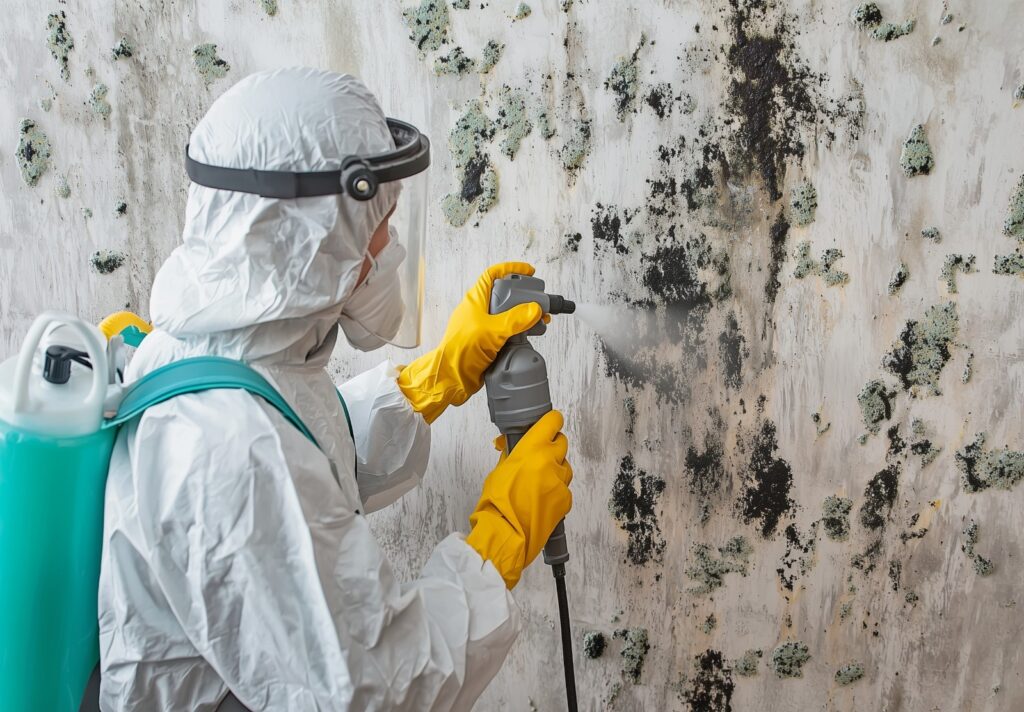
Implement Effective Mold Removal Techniques
To effectively remove mold, you need to identify its sources first, ensuring you address the root of the problem.
Utilize proper equipment, such as HEPA filters and protective gear, to safeguard yourself during the cleanup process.
This systematic approach will help you eliminate mold efficiently and prevent future growth.
Identify Mold Sources
While identifying mold sources is essential for effective removal, it’s important to understand the conditions that allow mold to thrive.
Mold typically flourishes in damp, dark environments, so you need to be vigilant in checking your surroundings.
Here are some common sources you should inspect:
Basements and crawl spaces: Often damp and poorly ventilated
Leaky pipes: Any signs of moisture can signal mold growth.
Roof leaks: Water intrusion from above can create ideal conditions
Condensation on windows: Indicates high humidity levels.
Flood-damaged areas: Stagnant water can lead to rapid mold proliferation
Once you’ve identified potential mold sources, using proper equipment is key to effective removal.
Use Proper Equipment
Start with personal protective equipment (PPE) like gloves, goggles, and masks to shield yourself from spores. Invest in a HEPA vacuum to capture mold particles, and utilize dehumidifiers to reduce moisture, creating an inhospitable environment for mold growth.
For surface cleaning, non-toxic mold cleaners or a mixture of water and vinegar can be effective; apply these with scrub brushes or sponges to ensure thorough coverage.
Remember to verify adequate ventilation during cleanup to prevent airborne spores. Properly disposing of contaminated materials, like drywall or carpeting, is essential as well.
Using the right tools accelerates the cleanup process and protects your health and home.
Establish Preventative Measures for Future Incidents
Establishing preventative measures is essential for minimizing the risk of future flood damage and mold growth in your home. By taking proactive steps, you can create a safer environment for your family and belongings.
Here are some effective strategies to take into account:
- Install sump pumps in basements to manage water accumulation.
- Regularly inspect and maintain gutters and downspouts to ensure proper drainage.
- Seal cracks in your foundation and walls to prevent water intrusion.
- Use waterproofing paints or membranes in flood-prone areas.
- Create a landscaping plan that directs water away from your home’s foundation.
Implementing these measures protects your property and fosters a sense of community and support among neighbors.
By sharing knowledge and resources, you can collectively enhance your neighborhood’s resilience against flooding and mold issues.
Prioritize these actions to safeguard your home and promote a healthy living space for all.
Recap
By following these tips, you can effectively manage the situation and protect your home from further harm. Remember, prioritizing safety and health is your anchor during this process. Don’t hesitate to reach out for help if the waves become too rough; collaboration can make a world of difference in overcoming these challenges. Stay vigilant and prepared for the future!
Recent Posts
Steps for Urgent Commercial Water Damage Recovery
Imagine arriving at your commercial property to find several inches of water covering the floor
Guide to Structural Drying After Water Damage
When faced with water damage, it’s essential to act swiftly and methodically. You’ll need to
Effective Structural Drying Techniques After Water Damage
When water damage strikes, can you afford to wait? Effective structural drying is vital to