
Contents
Many homeowners underestimate the critical importance of a thorough assessment in the remediation process. Without accurately documenting water damage and mold growth, you’re setting yourself up for future issues. Addressing these problems promptly and effectively requires a strategic approach. By focusing on key strategies, you can resolve current issues and prevent future recurrences. Understanding the nuanced steps involved can make all the difference in achieving long-term success.
Key Takeaways
- Thoroughly inspect moisture-prone areas for signs of damage or mold growth before starting remediation efforts.
- Implement effective water extraction techniques using pumps and dehumidifiers to manage moisture levels efficiently.
- Ensure proper ventilation during remediation by opening windows and using fans to promote air circulation and drying.
- Utilize appropriate personal protective equipment (PPE) like respirators, gloves, and goggles to safeguard your health during the process.
- Select effective mold removal methods, including natural solutions like vinegar and baking soda, for safe and efficient cleaning.
Assessing the Damage and Identifying Mold Growth
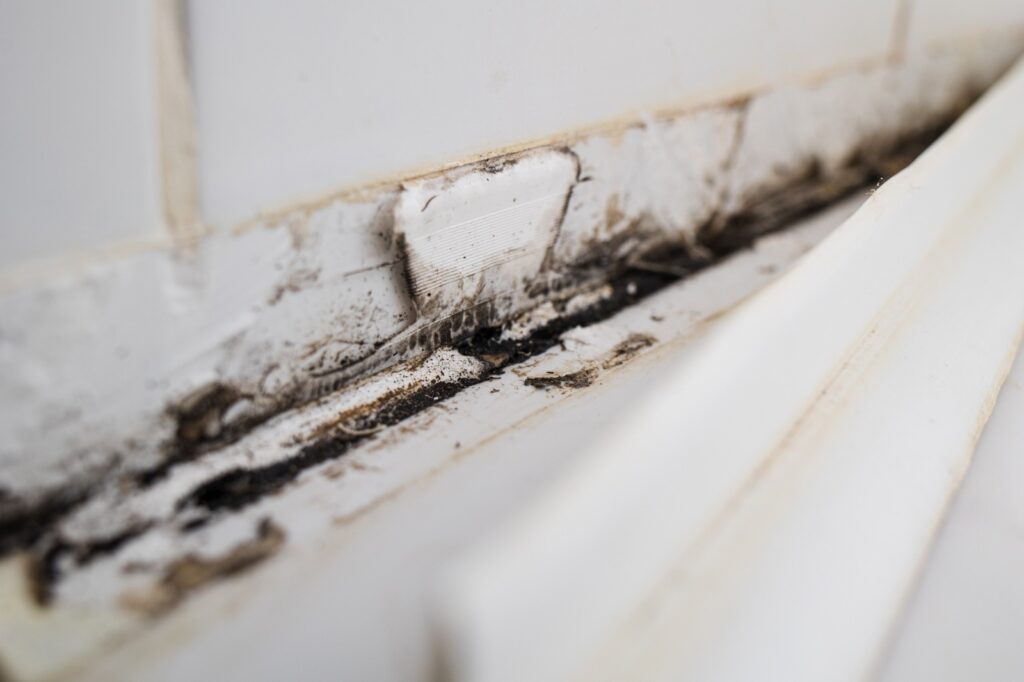
When you suspect mold growth in your home, evaluating the damage is essential to tackling the issue effectively. Start by inspecting areas prone to moisture, like bathrooms, kitchens, and basements. Look for visible signs, such as discoloration on walls or ceilings, and pay attention to any musty odors. Use a flashlight to check hidden corners, under sinks, and behind appliances.
Next, assess the extent of the damage. Determine whether the mold covers a small area or has spread extensively. In cases of minor growth, you may be able to handle remediation yourself, but if the infestation is significant, professional help might be necessary.
Document your findings with photos and notes, as this information will guide your remediation efforts. Identifying the type of mold, if possible, can also influence your approach.
Implementing Effective Water Extraction Techniques
Effective water extraction techniques are essential for preventing further mold growth and structural damage in your home. Start by identifying the source of the water intrusion and stop it, if possible.
Then, use a high-powered pump or wet/dry vacuum to remove standing water quickly. Focus on areas with the highest moisture levels, such as carpets, padding, and drywall.
Once the bulk water is removed, employ specialized extraction tools to tackle hidden moisture. Dehumidifiers and fans can help accelerate drying, promoting evaporation and discouraging mold growth.
Monitor humidity levels to ensure they stay below 50%. Consider using moisture meters to assess the effectiveness of your techniques, ensuring all areas are adequately dried.
Ensuring Proper Ventilation During Remediation
After addressing water extraction, it’s essential to secure proper ventilation throughout the remediation process.
Inadequate airflow can lead to lingering moisture, mold growth, and unpleasant odors, undermining your efforts.
To achieve effective ventilation, consider these strategies:
- Open windows and doors to create cross-ventilation.
- Utilize fans to circulate air and accelerate drying.
- Invest in dehumidifiers to maintain ideal humidity levels.
- Monitor air quality with meters to ensure a healthy environment.
Utilizing Personal Protective Equipment (PPE)
Utilizing personal protective equipment (PPE) is essential for ensuring your safety during the remediation process. Wearing the right gear minimizes exposure to harmful substances, like mold spores and chemicals, making your environment safer.
Start with a high-quality respirator to protect your lungs; make sure it fits properly for maximum effectiveness. Next, don gloves that are both durable and chemical-resistant to safeguard your hands from irritants.
Don’t forget goggles or safety glasses to shield your eyes from debris and irritants. Coveralls or disposable suits provide an additional barrier, preventing contaminants from coming into contact with your skin.
Lastly, verify your footwear is sturdy and easy to clean. Using PPE isn’t just about compliance; it fosters a sense of community and responsibility.
Selecting Appropriate Mold Removal Methods
When tackling mold removal, it’s crucial to choose methods that eliminate the spores and prevent future growth.
Selecting the right approach can make a significant difference in your home’s air quality and your family’s health.
Consider these effective mold removal methods:
Soap and Water: A simple mixture can clean non-porous surfaces and prevent spores from spreading.
Vinegar: This natural solution is effective for killing many types of mold and is safe to use around your family.
Baking Soda: It’s a great deodorizer and can help to absorb moisture, discouraging mold growth.
Commercial Mold Removers: These products are specifically formulated for tougher infestations but should be used with caution
Conducting Thorough Cleaning and Disinfection
To effectively combat mold, conducting thorough cleaning and disinfection is essential, as it removes existing spores and creates an environment that’s less conducive to future growth.
Start by focusing on high-risk areas like bathrooms, kitchens, and basements. Use a mixture of water and a suitable disinfectant, ensuring it’s safe for your surfaces. Scrub affected areas meticulously, paying special attention to corners and crevices where spores can linger.
After cleaning, allow surfaces to dry completely to prevent moisture accumulation. Consider using a HEPA vacuum to capture any remaining spores in carpets and upholstery.
Don’t forget to wash any fabrics or upholstery that may have come into contact with mold.
Finally, document your cleaning process, so you can track effectiveness and share your success with others. This proactive approach enhances your home’s safety and fosters a sense of community as you share your experiences.
Preventing Future Mold Growth Through Maintenance
To prevent future mold growth, you need to regularly inspect areas prone to moisture, like bathrooms and basements.
Ensuring proper ventilation is essential as it helps reduce humidity levels, thwarting mold’s ideal environment.
Regularly Inspect Moisture Areas
Regular inspections of moisture-prone areas in your home are essential for preventing mold growth and maintaining a healthy living environment.
By staying proactive, you can identify issues before they escalate. Focus on these key areas:
- Basements and crawl spaces: Check for leaks or standing water.
- Bathrooms: Look for dampness around fixtures and under sinks.
- Kitchens: Inspect plumbing and appliance connections for drips.
- Roofs and gutters: Ensure proper drainage to avoid water pooling.
During your inspections, be thorough and detail-oriented.
Look for signs of moisture accumulation, discoloration, or musty odors.
Maintain Proper Ventilation
While inspecting your home for moisture issues, don’t overlook the importance of maintaining proper ventilation. Good airflow reduces humidity levels, which helps prevent mold growth. Here are key strategies to ensure your home stays well-ventilated:
| Ventilation Method | Benefits |
|---|---|
| Open Windows | Enhances fresh air flow |
| Exhaust Fans | Removes excess humidity |
| Attic Vents | Promotes air circulation |
| Dehumidifiers | Controls moisture levels |
| Ceiling Fans | Improves air movement |
Wrap-Up
By following these seven strategies, you can transform your home from a mold-ridden mess into a safe haven. From evaluating damage to implementing effective removal methods, you’re cleaning; you’re reclaiming your home. So roll up your sleeves, stay vigilant, and embrace the journey to a healthier living space—because a little effort now can yield a lifetime of peace.
Recent Posts
Why Sewage Backs Up in Basements
You’d think a basement should stay dry, but one sewer backup can turn it into
How to Prevent Mold After Drying
You might not realize that mold can start growing in hidden cavities before visible surfaces
Why Prevent Mold After Structural Drying?
After structural drying, you still need to prevent mold because hidden moisture can remain in