
Contents
Many homeowners underestimate the urgency of addressing water damage, thinking they can handle it later. However, swift action is vital to mitigate further damage and prevent mold growth. Knowing the right steps can make all the difference in restoration efforts. In the following discussion, you’ll discover essential tips that can guide you through the key moments of water damage emergencies.
Key Takeaways
- Act swiftly to shut off the main water supply and disconnect electrical appliances to prevent further damage and hazards.
- Use submersible pumps and wet vacuums to efficiently remove standing water from the affected areas.
- Thoroughly dry the area with industrial-grade air movers and dehumidifiers to prevent mold growth within 24-48 hours.
- Clean affected surfaces with detergent, and consider using commercial mold removers for any stubborn growth.
- Consult professionals for expert assessments and repairs to ensure quality work and prevent future damage.
Assess the Situation Quickly
When faced with water damage, it’s crucial to assess the situation quickly—ideally within the first hour. Start by conducting a thorough risk assessment to identify the source, extent, and type of water involved. Is it clean, gray, or black water? Each presents different hazards and requires specific responses.
Next, perform a damage evaluation to determine what’s salvageable and what isn’t. Look for affected materials, including flooring, walls, and personal belongings. Document everything with photos for insurance purposes.
Pay attention to potential mold growth, which can develop within 24-48 hours, exacerbating health risks. Your prompt actions can make a significant difference in minimizing damage, ensuring a swift restoration process.
Shut Off the Water Source
To effectively manage water damage, your first step is to locate the main water valve and shut it off.
Next, turn off any appliances that may contribute to the leak, such as washing machines and dishwashers.
Finally, assess your surroundings for additional leaks to prevent further water intrusion.
Locate Main Water Valve
A swift response is essential when facing water damage, and locating your main water valve is the first step in controlling the situation.
Understanding your water valve location is significant; it allows you to shut off the water supply quickly, minimizing further damage. Typically, the main valve is found near where the water line enters your home, often in basements, crawl spaces, or outside near the foundation.
Familiarize yourself with its appearance—usually a round or lever-type valve. Knowing the main valve’s importance can’t be overstated; it’s your first line of defense against costly repairs and potential health hazards caused by standing water.
Take the time to locate this valve; it’s an essential part of your home’s emergency preparedness.
Turn Off Appliances
Immediately after turning off your main water valve, you should focus on shutting off any affected appliances to prevent further damage. This step is essential for appliance safety and will help mitigate the risk of electrical hazards.
Unplug or turn off devices like washing machines, dishwashers, and refrigerators that have been impacted by water. If the appliance is still connected to power, water could cause short circuits or fires. Always verify your hands are dry when handling electrical plugs or switches.
If you notice any signs of damage, such as frayed cords or burnt smells, avoid using the appliance until a professional inspects it. Prioritizing these actions can help safeguard both your home and your well-being during this emergency.
Assess Additional Leaks
How can you effectively assess additional leaks after addressing the immediate water source?
Begin by shutting off the main water supply to prevent further damage. Next, employ leak detection techniques—such as visual inspections, moisture meters, or infrared cameras—to identify hidden leaks in walls, ceilings, and floors.
Pay close attention to areas around pipes, appliances, and fixtures. Once you’ve pinpointed any additional leaks, evaluate your repair options. Depending on the severity, you might need to patch small leaks with epoxy or replace damaged sections of piping.
Document your findings, as this will aid in insurance claims and future prevention strategies. Taking these steps guarantees you tackle not just the immediate issue, but also any underlying concerns that could lead to more extensive damage.
Document the Damage
When dealing with water damage, documenting the situation is crucial for both insurance claims and restoration processes. Start by taking extensive photographic evidence of the affected areas. Capture images from multiple angles to guarantee you cover all damage, including walls, flooring, and furniture.
Make sure to include close-ups of any notable issues, such as mold or structural damage, as these details can greatly impact your claims.
Next, create a detailed inventory of damaged items, noting their condition and value. This list will support your insurance claims and help restoration professionals understand the extent of the damage.
If possible, date your photographs and notes to provide a clear timeline of the incident. Remember, thorough documentation not only aids in securing fair compensation but also facilitates a more effective restoration process.
Taking these steps now will save you time and stress later on.
Remove Standing Water
When it comes to removing standing water, your safety is the top priority.
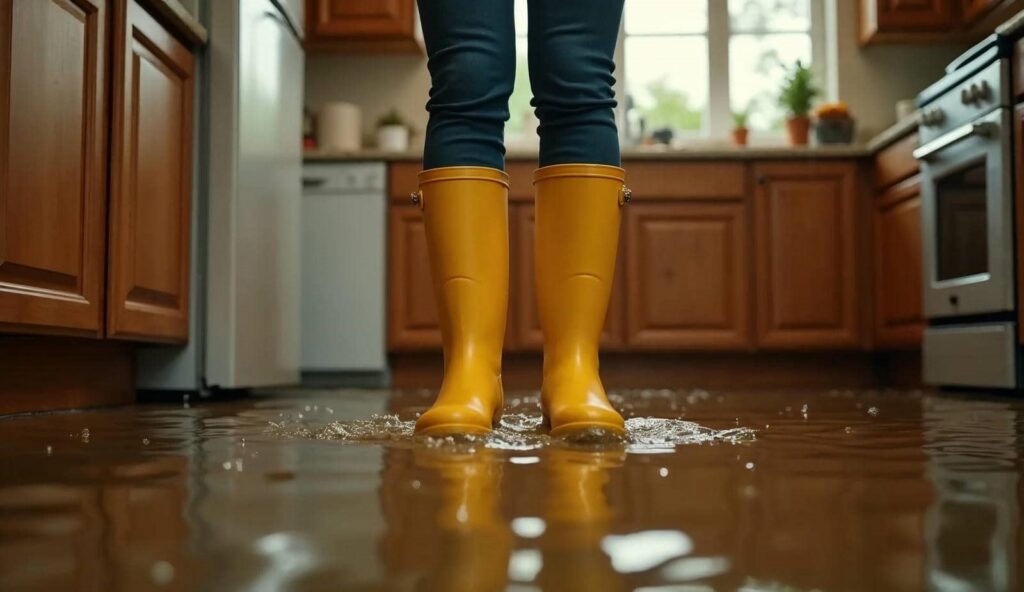
Make sure you wear appropriate protective gear, such as boots and gloves, to shield yourself from potential hazards.
Use the right equipment, like submersible pumps and wet vacuums, to efficiently extract the water and minimize further damage.
Safety First
As soon as you notice standing water, prioritize your safety by taking immediate action to remove it.
Standing water can pose significant risks, including electrical hazards and contamination. To guarantee personal safety during this process, follow these essential steps for emergency preparedness:
Turn Off Electricity: Before approaching any water, make sure to switch off the power supply to avoid electric shock.
Wear Protective Gear: Equip yourself with rubber boots and gloves to protect against contaminants and sharp objects.
Assess the Situation: Determine the source of the water and evaluate any potential hazards, like structural damage or chemicals.
Use Appropriate Equipment
To effectively remove standing water, utilizing the right equipment is essential. Begin with submersible pumps, which efficiently extract large volumes of water.
For lingering moisture, consider portable extractors equipped with moisture detection technology. These devices not only remove water but also help identify hidden pockets of moisture, preventing further damage.
After extraction, employ industrial-grade air movers and dehumidifiers as part of your restoration techniques. They’ll accelerate drying and inhibit mold growth.
Regularly monitor humidity levels to guarantee the environment returns to normal. Remember, using appropriate equipment not only speeds up the restoration process but also protects your property and belongings.
Dry Affected Areas Thoroughly
Thoroughly drying affected areas is essential, especially because lingering moisture can lead to mold growth and structural damage.
To effectively manage moisture control, you need to implement the right drying techniques. Here are three crucial steps to follow:
Use High-Efficiency Fans: Position fans strategically to promote air circulation and expedite the drying process. This helps in reducing humidity levels.
Dehumidifiers are Key: Employ dehumidifiers to extract excess moisture from the air. This is particularly important in enclosed spaces where airflow is limited.
Inspect and Replace Materials: Regularly check affected materials like carpets, drywall, and insulation. Remove any that can’t be adequately dried, as they can harbor moisture.
Address Mold Growth
If you neglect to address mold growth promptly, it can quickly escalate into a serious health hazard and compromise your property’s integrity.
To effectively combat this issue, start by implementing mold prevention strategies, such as controlling humidity levels and ensuring proper ventilation. Use dehumidifiers in damp areas and regularly inspect your home for any signs of moisture accumulation.
When mold is present, employ thorough remediation techniques. First, seal off the affected area to prevent spores from spreading.
Next, wear protective gear and remove contaminated materials, such as drywall or carpeting, following local regulations. Clean non-porous surfaces with a solution of water and detergent, or consider using a commercial mold remover for stubborn growth.
Finally, dry the area completely to inhibit future mold proliferation. By taking these proactive steps, you’ll not only safeguard your health but also maintain the value and safety of your home.
Consult Professionals for Repairs
While addressing water damage on your own may seem tempting, consulting professionals for repairs is essential to guarantee the job is done correctly and safely. Relying on expert services guarantees you avoid costly mistakes that could worsen the situation.
Here are three reasons to consult professionals:
Expert Assessment: Professionals can accurately evaluate the extent of damage and identify underlying issues that you might overlook.
Quality Repairs: With their specialized skills and tools, they can execute repairs to a standard that mitigates future risks, guaranteeing the longevity of your property.
Cost Efficiency: Although professional services come with repair costs, they often save you money in the long run by preventing further damage and guaranteeing that repairs are done right the first time.
Ultimately, trusting professionals not only secures your home but also provides peace of mind, knowing that your property is in capable hands.
Frequently Asked Questions
What Should I Wear During Water Damage Restoration?
You should wear protective gear like rubber boots and gloves, along with moisture-wicking clothing materials. This will keep you safe and comfortable while you tackle the challenges of water damage restoration effectively.
How Can I Prevent Water Damage in the Future?
To prevent water damage, guarantee your drainage systems are clear and functioning properly. Schedule routine maintenance for gutters, downspouts, and plumbing to identify issues early and protect your home from potential water-related problems.
Are There Any Specific Tools I Need for Restoration?
You’ll need essential tools like water extractors, dehumidifiers, and fans for effective restoration. Investing in quality restoration equipment guarantees you tackle water damage efficiently, helping you feel secure and supported during this challenging process.
Will My Insurance Cover Water Damage Restoration Costs?
Your insurance policies might cover water damage restoration costs, but it depends on your specific coverage limits. Review your policy details carefully, and consider contacting your insurer for clarification on what’s included.
How Long Does the Restoration Process Usually Take?
The restoration timeline typically ranges from a few days to several weeks, depending on the severity of the damage. Effective drying techniques are essential in expediting the process and ensuring your property returns to its pre-damage condition.
Recap
In the grand adventure of water damage restoration, you’re the hero who bravely faces the flood! By following these essential tips, you can turn your soggy saga into a triumphant tale. Remember, while you might be tempted to don a cape and tackle it all alone, seeking professional help is often the wisest choice unless you fancy yourself an amateur plumber or mold detective. So, gear up, stay safe, and let the experts save the day when needed!
Recent Posts
Structural Drying for Flooded Property Restoration
When water invades a structure, both speed and strategy matter. Flooded property restoration starts by
What Is Structural Drying After Flooding
The majority of flood damage problems can worsen when moisture remains trapped in building materials,
5 Tips for Structural Drying After Flooding
After a flood, you need to act fast, or moisture can continue spreading behind walls