
Contents
When it comes to commercial mold inspection, understanding the implications of mold growth is vital for maintaining a safe environment. You’ll want to identify areas prone to moisture and engage professional services for detailed evaluations. Extensive visual inspections and air quality testing are essential steps in this process. By examining these best practices, you can establish effective strategies for mold management and ensure compliance with health regulations. But what specific measures should you prioritize?
Key Takeaways
- Conduct comprehensive visual inspections in damp or poorly ventilated areas to identify potential mold growth and moisture sources.
- Utilize professional mold inspection services for thorough assessments and tailored remediation strategies to ensure safety and compliance.
- Implement air quality testing to monitor mold contamination levels and establish baseline readings for ongoing assessments.
- Perform regular surface sampling to detect mold on various surfaces, ensuring accurate laboratory analysis for effective remediation.
- Develop and maintain a mold management plan focusing on moisture control, staff education, and adherence to local regulations to prevent mold issues.
Understanding Mold and Its Impact on Commercial Properties
While you might think of mold as a minor nuisance, it can considerably impact commercial properties in various ways. Understanding mold biology is essential; these fungi thrive in damp environments, often becoming a serious concern in buildings with moisture issues.
As a property owner, you need to recognize that mold isn’t just an aesthetic problem; it poses significant health risks to occupants. Exposure can lead to respiratory issues, allergic reactions, and other chronic health conditions, affecting employee productivity and increasing absenteeism.
Additionally, mold can damage structural integrity and lead to costly remediation efforts, which can be detrimental to your bottom line. By acknowledging the potential consequences of mold growth, you create an environment that prioritizes safety and well-being.
Taking proactive measures to understand and mitigate mold risks fosters a sense of belonging and care within your commercial space, ultimately benefiting everyone involved.
Identifying Potential Mold Growth Areas
To effectively identify potential mold growth areas, you should focus on damp environments, as moisture is the primary catalyst for mold development.
Examine spaces with poor ventilation, where stagnant air can contribute to humidity buildup.
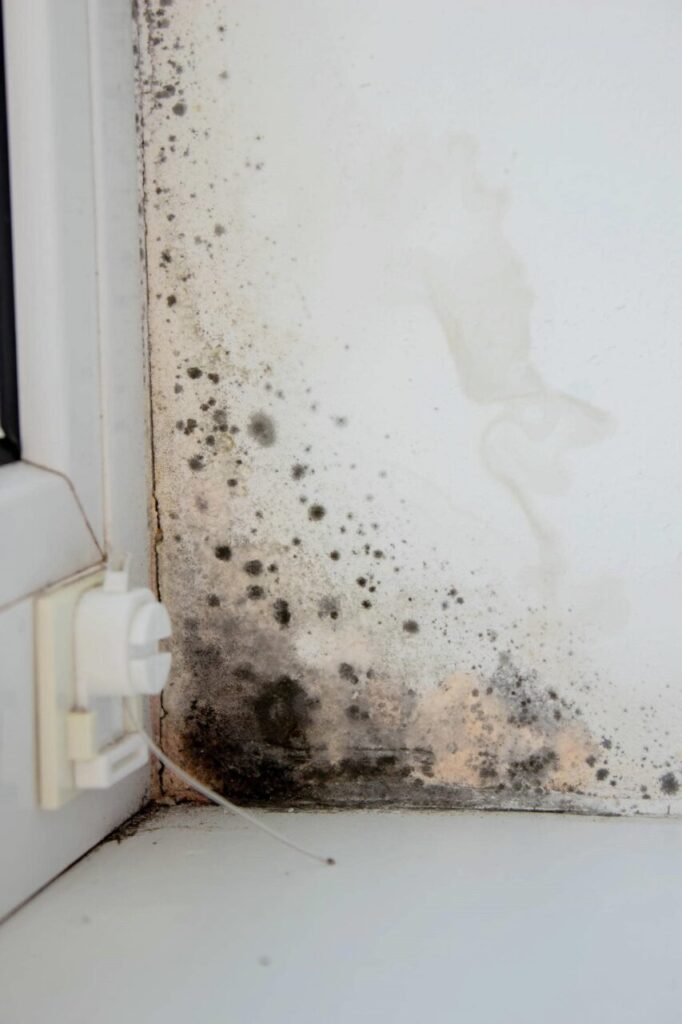
Additionally, look for signs of water damage, such as discoloration or peeling paint, which can indicate a conducive environment for mold proliferation.
Damp Environments
Identifying potential mold growth areas in damp environments starts with understanding where moisture accumulates, as this is often the primary catalyst for mold proliferation.
You should inspect areas prone to damp conditions, such as basements, bathrooms, and around windows. Look for signs of water leaks, condensation, or high humidity, which indicate inadequate moisture control.
Pay close attention to materials like drywall, carpeting, and wood, as they can easily absorb moisture and become breeding grounds for mold.
Regularly monitor these spaces for changes in moisture levels and ensure proper drainage systems are in place.
Poor Ventilation Areas
When ventilation is inadequate, moisture can quickly accumulate, creating an ideal environment for mold growth.
You need to identify areas in your commercial space where poor ventilation is common, such as basements, attics, and behind large appliances. Inspect these locations for signs of moisture buildup, like condensation on walls or surfaces.
Verify that vents and exhaust fans are functioning correctly, as they play a vital role in maintaining air circulation. Consider implementing regular checks to monitor humidity levels, which can prevent mold from taking hold.
Water Damage Signs
Recognizing water damage signs is essential in preventing mold growth in your commercial space.
Begin with thorough water damage detection; look for discoloration on walls, ceilings, or floors, as these often indicate underlying moisture issues.
Pay attention to musty odors, which can signal hidden water damage.
During your moisture assessment, inspect areas around plumbing fixtures, windows, and roofs for leaks or condensation.
Don’t forget to check the HVAC systems, as improper drainage can lead to moisture buildup.
Regularly monitoring these signs can help you identify potential mold growth areas early, allowing for timely intervention.
Utilizing Professional Mold Inspection Services
Engaging a professional mold inspection service is essential for ensuring the thorough assessment of your commercial property.
With their specialized training and tools, these experts can identify hidden mold growth and assess air quality, providing you with peace of mind.
The mold inspection benefits extend beyond mere detection; professionals offer insights into potential health risks and recommend remediation strategies tailored to your specific situation.
Conducting Comprehensive Visual Inspections
To conduct a thorough visual inspection, you need to identify sources of moisture that may foster mold growth.
Pay close attention to building materials, as their condition can reveal hidden issues that contribute to mold development.
Additionally, don’t overlook concealed areas such as behind walls or under carpets, where mold can thrive undetected.
Identify Moisture Sources
While you may be familiar with the common culprits of moisture, conducting a thorough visual inspection requires a keen eye for subtler sources that often go unnoticed.
Begin your moisture detection by examining areas around plumbing fixtures, as small leaks can lead to significant issues. Don’t overlook roof drains and gutters, which can cause water to pool and create hidden moisture pockets.
Additionally, inspect HVAC systems for condensation buildup, a common yet often ignored moisture source. Pay attention to wall and ceiling junctions, where humidity accumulates.
Source identification also involves checking for signs of past water damage, as they point to recurring problems. By being diligent in these areas, you’ll effectively minimize mold growth risks and ensure a healthier environment.
Examine Building Materials
Building materials play an essential role in mold prevention during inspections. You’ll want to examine various building material types to identify potential risks.
Start by focusing on mold-resistant materials, such as fiberglass, metal, and treated wood, which are less likely to harbor mold growth. Look for any signs of deterioration, such as peeling paint or discolored drywall, as these can indicate moisture intrusion.
Assess how well the materials integrate with the overall design and whether they effectively manage humidity. Understanding the strengths and weaknesses of different materials will help you make informed decisions about necessary repairs or replacements.
Inspect Hidden Areas
Even with mold-resistant materials in place, hidden areas within a property can harbor moisture and mold growth that may go unnoticed during standard inspections.
To effectively identify potential issues, you should focus on inspecting these hidden spaces, including behind walls, under carpets, and within HVAC systems.
Pay particular attention to concealed areas like plumbing fixtures, where leaks often occur, and basements or attics that may retain humidity.
Use specialized tools, such as moisture meters, to detect hidden moisture levels that could indicate mold growth.
Implementing Air Quality Testing
Air quality testing plays an indispensable role in identifying mold contamination, especially in commercial spaces where occupants’ health can be at risk. By measuring air quality metrics, you can pinpoint the presence of mold spores and other allergens that may affect your workforce.
Using specialized testing equipment, such as air samplers and thermal imaging devices, ensures accurate assessments of indoor air quality.
When implementing air quality testing, you’ll want to establish a baseline by taking readings in various areas of your facility. This approach allows you to compare results over time and identify any significant fluctuations.
Regular testing helps detect ongoing issues and fosters a safer environment for employees and visitors. Remember, maintaining ideal air quality is vital for productivity and well-being.
Sampling Techniques for Accurate Mold Identification
While you may think that visual inspections alone suffice for mold detection, employing robust sampling techniques is essential for accurate identification. One effective method is spore trapping, which involves collecting airborne mold spores using specialized equipment. This technique allows you to analyze the types and concentrations of spores present, providing a clearer picture of potential mold issues.
Additionally, surface sampling is vital for identifying mold growth on various surfaces, like walls or HVAC systems. This method typically involves using swabs or tape lifts to collect samples that can be sent to a laboratory for analysis.
Documenting Findings and Creating Reports
When conducting mold inspections, maintaining detailed records is essential for ensuring accuracy and accountability.
Clear reporting standards help in communicating your findings effectively and serve as a reference for future assessments.
Importance of Detailed Records
Documenting findings and creating detailed reports are essential components of a successful mold inspection process. By emphasizing thorough record-keeping, you ensure that every aspect of the inspection is accurately captured.
This detailed documentation serves as a reference for future inspections and helps identify patterns or recurring issues within the property. Furthermore, clear records support transparent communication with clients and other stakeholders, fostering trust and credibility.
When you provide extensive reports, you empower decision-makers with the necessary information to take appropriate action. Ultimately, your commitment to detailed records enhances the overall quality of your inspections, reinforcing your professionalism and dedication to effective mold management.
Clear Reporting Standards
Clear reporting standards are essential to ensure your mold inspection findings are communicated effectively and accurately. By adopting standardized formats, you foster clear communication with clients and stakeholders, which is vital for their understanding and trust.
Begin by documenting your findings systematically, including mold types, locations, and moisture levels. Use visuals like photographs or diagrams to complement your written descriptions, enhancing clarity.
Make sure your reports are concise yet thorough, avoiding jargon that may confuse your audience. Include actionable recommendations based on your findings, empowering clients to make informed decisions.
Regularly reviewing and updating your reporting practices can help maintain consistency and reliability, reinforcing your professionalism and commitment to excellence in mold inspection.
Developing a Mold Management Plan
Although mold growth can pose significant health risks and damage to commercial properties, developing an extensive mold management plan is crucial for mitigating these issues. Start by implementing effective mold assessment strategies to identify potential problem areas within your facility. Regular inspections can help you catch mold issues early, minimizing costly remediation efforts.
Next, establish preventive measures that focus on controlling moisture, as it’s the primary driver of mold growth. Ensure proper ventilation, fix leaks promptly, and utilize dehumidifiers where necessary. Educate your staff on recognizing signs of mold and encourage them to report concerns immediately.
Additionally, document all findings and actions taken in your mold management plan. This will help in maintaining a safe environment and foster a sense of responsibility among employees.
Ensuring Compliance With Health and Safety Regulations
To ensure your commercial property remains compliant with health and safety regulations, it’s essential to stay informed about the latest guidelines and standards set by local, state, and federal agencies.
Regulatory compliance isn’t just about avoiding penalties; it’s about ensuring the well-being of your employees and clients. Regular inspections and audits are crucial for identifying potential mold issues before they escalate.
You should also maintain thorough documentation of your inspection processes and findings, as this can serve as proof of your commitment to safety standards.
Collaborating with certified mold inspectors can enhance your understanding of compliance requirements, providing insights specific to your industry.
Preparing for Remediation and Prevention Strategies
As you prepare for mold remediation and prevention strategies, it’s crucial to conduct a thorough assessment of your property’s vulnerabilities.
Identifying these weaknesses will guide your approach to effective remediation techniques and proactive prevention methods.
Consider these key steps:
Evaluate moisture sources: Check for leaks or high humidity areas that could foster mold growth.
Assess ventilation: Ensure proper airflow in attics, basements, and other prone areas to reduce moisture buildup.
Inspect building materials: Look for mold-prone materials like drywall or carpeting that may need replacement.
Frequently Asked Questions
How Often Should Commercial Properties Be Inspected for Mold?
You should schedule mold inspections for commercial properties at least twice a year, ensuring proper mold inspection frequency. Regular assessments are essential for effective commercial property maintenance, helping you prevent potential health risks and costly remediation.
What Are the Signs of Hidden Mold Infestations?
You’ll notice signs of hidden mold infestations through musty odors, water stains, and peeling paint. Detecting mold growth early helps you mitigate health risks, ensuring a safer, healthier environment for everyone in your commercial property.
Can Mold Inspections Be Done During Business Hours?
Yes, mold inspections can occur during business hours, but scheduling them thoughtfully minimizes disruptions to your operations. Consider timing to ensure a smooth process, balancing thorough inspection with maintaining a conducive work environment for everyone involved.
What Qualifications Should Mold Inspectors Possess?
You should verify that mold inspectors have relevant certifications and significant mold inspection experience. Their qualifications ensure they understand mold issues, effectively assess risks, and provide reliable recommendations, fostering a safe, healthy environment for your business.
How Much Do Commercial Mold Inspections Typically Cost?
Commercial mold inspection pricing typically ranges from $500 to $3,000, depending on the property’s size and complexity. For thorough commercial property assessments, investing in qualified inspectors ensures accurate results and effective mold management strategies.
Summary
Prioritizing mold inspection in commercial properties is essential for safeguarding health and assets. Many buildings experience mold problems at some point, making proactive prevention and early action especially important. By implementing best practices like thorough inspections, air quality testing, and extensive documentation, you can greatly reduce risks. Remember, a well-developed mold management plan ensures compliance and fosters a safer environment for employees and clients alike.
Recent Posts
Structural Drying for Flooded Property Restoration
When water invades a structure, both speed and strategy matter. Flooded property restoration starts by
What Is Structural Drying After Flooding
The majority of flood damage problems can worsen when moisture remains trapped in building materials,
5 Tips for Structural Drying After Flooding
After a flood, you need to act fast, or moisture can continue spreading behind walls