
Contents
After a Commercial Flooded Basement floods, you need to assess mold risk fast, because moisture can turn hidden surfaces into active growth within hours. You’ll have to stop intrusion, remove standing water, and dry structural materials before contamination spreads into HVAC, inventory, and equipment. The real challenge isn’t cleanup alone; it’s finding the failure point that caused the flood and proving each step for compliance. That’s where the process gets more complicated.
Key Takeaways
- Assess mold risk immediately after flooding, since porous materials can support growth within 24-48 hours.
- Stop water intrusion and remove standing water quickly by fixing leaks, sealing entry points, and pumping out water.
- Dry the basement fast with dehumidifiers and directed airflow, while monitoring humidity and moisture levels daily.
- Remove or clean contaminated materials based on porosity and damage, and isolate HVAC systems to prevent spore spread.
- Document all damage, moisture readings, cleanup steps, and invoices to support compliance, insurance, and remediation verification.
Assess Mold Risk After Flooding
After flooding, you should assess mold risk immediately, because moisture left in porous materials can support visible growth within 24 to 48 hours.
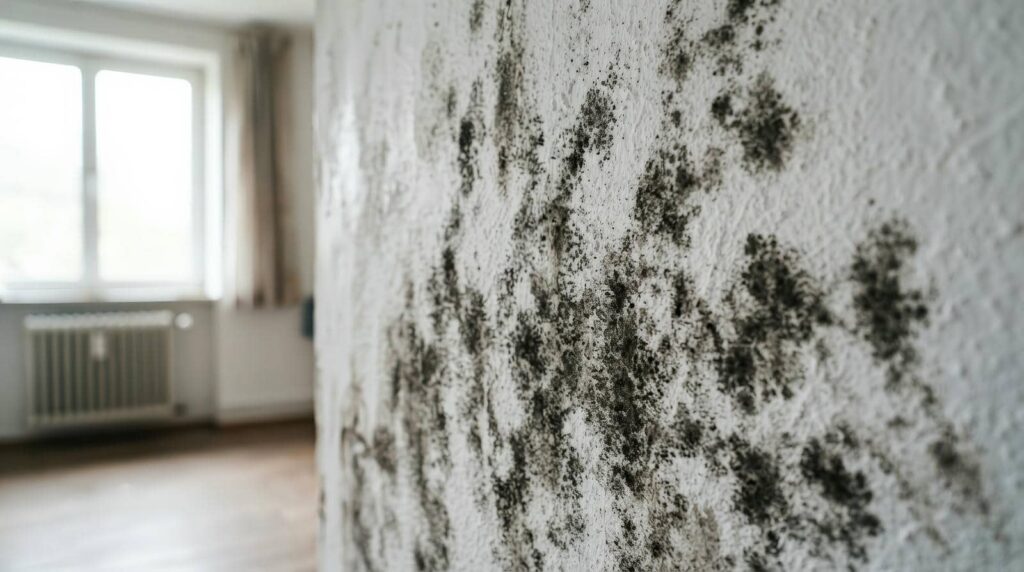
Inspect drywall, insulation, carpet, and framing for staining, odor, and texture change. You’ll want to classify likely mold types by material and exposure: surface colonies, hidden growth, and dark-spored patches each suggest different moisture histories.
Document affected zones, then compare them with clean areas so your team can gauge spread and prioritize sampling.
Don’t ignore health effects, especially coughing, eye irritation, asthma flare-ups, or headaches in occupied spaces.
If you detect persistent dampness or recurrent spotting, treat the area as high risk and coordinate with qualified remediation professionals. Acting early helps you protect your space, your crew, and the people who rely on your building.
Stop Water Intrusion and Remove Standing Water
Once you’ve identified mold risk, stop the moisture source immediately so conditions can’t keep feeding growth. You should shut off leaking lines, isolate failed fixtures, and seal active cracks with appropriate waterproofing techniques.
Then direct exterior runoff away from entry points using verified drainage solutions, including cleared drains, functioning sump systems, and graded discharge paths.
Inside, remove standing water with pumps or wet vacuums, starting at the lowest point and tracking hidden pools behind equipment and partitions. Document each intrusion point so your team can coordinate repairs with confidence.
When you control water at the source, you protect the whole facility and support a cleaner, safer recovery path for everyone on site.
Dry the Basement Before Mold Spreads
With the moisture source controlled, you need to dry the basement fast so mold doesn’t gain a foothold in porous materials and concealed cavities.
Start by documenting relative humidity, surface moisture, and air temperature, then set targets that support mold prevention.
Position high-velocity air movers to create crossflow across wet concrete, framing, and contents, and run dehumidifiers sized for the space.
Keep doors and vents arranged to maintain a controlled air path, not dead zones.
Use moisture meters to verify progress in hidden areas, including sill plates and wall bottoms.
Recheck conditions every few hours and adjust drying techniques as loads change.
When you work methodically, you protect the whole crew’s standards, speed recovery, and limit the window where spores can colonize.
Remove Mold From Building Materials
You should first assess each building material for salvageability by checking the extent of mold penetration, structural damage, and material porosity.
If the material remains sound and the contamination is superficial, you can clean it with the correct remediation method.
If mold has penetrated deeply or degraded the material, you should replace it.
This decision controls the risk of recontamination and ensures the remediation effort is effective.
Assess Material Salvageability
Before you remove mold from any building material, evaluate whether the material can be safely salvaged or must be discarded. Your material assessment should focus on porosity, structural integrity, contamination depth, and exposure duration.
Use clear salvage criteria: nonporous surfaces with limited staining may remain candidates, while swollen, delaminated, crumbling, or deeply colonized components usually fail review. Document each decision so your team shares the same standard and moves with confidence.
Check for hidden voids, trapped moisture, and compromised fasteners, because these conditions can indicate ongoing risk even when the surface looks stable.
When you apply consistent criteria, you protect occupant health, reduce rework, and keep the remediation scope disciplined. This approach helps your crew stay aligned, informed, and ready for the next step.
Clean Or Replace Materials
After you confirm a material can stay in service, clean it with a method matched to its surface, contamination level, and moisture condition, or replace it if remediation can’t reliably remove the mold.
You should isolate porous, semiporous, and nonporous material types because each responds differently to mold growth. Use HEPA vacuuming first, then wipe hard surfaces with detergent and clean water, keeping dwell time and agitation controlled.
If staining, delamination, or persistent odor remains, remove the item. For drywall, insulation, carpet padding, and swollen particleboard, replacement usually protects performance and your team’s health.
For metal, concrete, and sealed wood, drying plus targeted cleaning often works. Verify moisture has returned to acceptable levels before reinstallation, so your facility regains a stable, shared baseline.
Protect HVAC Systems, Inventory, and Equipment
You should isolate the HVAC system immediately to prevent mold spores from spreading through supply and return ductwork, and you should seal affected zones before any airflow resumes.
Next, you should prioritize relocating inventory by exposure risk and material sensitivity, with the most porous and valuable items moved first.
You should then dry and inspect equipment using controlled airflow, dehumidification, and documented moisture readings to verify recovery.
HVAC Isolation Steps
Once mold contamination is identified, isolate the HVAC system immediately to prevent spores from circulating through ductwork, inventory areas, and occupied spaces.
You should shut down affected air handlers, close dampers, and de-energize associated controls so you can contain airborne spread. During this step, coordinate with your HVAC maintenance team to document unit status, inspect accessible components, and verify that condensate, filters, and insulation aren’t actively releasing contamination.
Use temporary barriers where needed, and upgrade air filtration on adjacent systems to reduce cross-contamination pressure. Label each isolated zone clearly so your crew stays aligned and confident.
After shutdown, confirm that no supply or return paths remain open, and record all actions for traceability. This disciplined response protects your facility’s shared environment and supports safe, organized recovery.
Inventory Relocation Priorities
Prioritize relocating inventory that sits closest to the contamination source, especially materials with porous packaging, exposed surfaces, or high replacement cost, because these items will absorb spores and moisture fastest.
You should use inventory classification to sort goods by sensitivity, turnover, and contamination risk, then move the highest-priority categories first. Keep pathways clear so relocation logistics stay controlled, and assign each team member a defined route, staging zone, and destination.
Move customer-facing stock, critical records, and specialized components before bulk materials. Label every pallet or container to preserve chain of custody and reduce handling errors.
If you work methodically, you’ll protect the items your team relies on most and maintain operational continuity while conditions remain unstable. Document each move so everyone stays aligned.
Equipment Drying Protocols
After relocating exposed stock, begin drying any affected HVAC components, equipment, and packaging before moisture spreads deeper into the facility. You’ll protect the system by isolating powered circuits, opening access panels, and documenting wet zones.
Use these steps:
- Select a dehumidifier sized for the room’s load; match capacity to saturation levels and runtime.
- Increase air circulation with directed fans, but avoid blasting debris into coils or controls.
- Inspect inventory and equipment daily for condensation, corrosion, or warped materials, then log progress.
Work with your team to keep clear pathways, label recovered items, and verify that relative humidity drops below the target threshold.
When you control drying fast and methodically, you strengthen the whole response and reduce downtime.
Fix the Moisture Problem Behind the Mold
Before you clean the mold, you need to stop the moisture source that’s feeding it. Inspect slab cracks, wall penetrations, sump pumps, condensate lines, and failed drainage so you can isolate the exact pathway.
Test humidity and material moisture content, then verify that drying equipment has reduced readings to stable baseline levels. Seal active leaks, reroute runoff, and repair grading or downspouts so water moves away from the foundation.
If the basement uses HVAC, correct insulation gaps and condensation points. You and your team should treat this as the core of the job: until moisture sources are controlled, mold returns.
Build prevention strategies around routine monitoring, sealed joints, and prompt response to new water intrusion.
Document Cleanup for Insurance and Compliance
For insurance claims and compliance records, you should document the cleanup from three angles: scope, cause, and verification. This insurance documentation helps you prove that you addressed the loss correctly and met compliance standards.
Record affected rooms, materials removed, moisture readings, containment setup, and disposal receipts. Then note the flood source, leak duration, and drying timeline so adjusters can trace causation.
Photograph each work phase before, during, and after cleanup.
Log equipment, dates, crew members, and humidity results.
Keep invoices, lab reports, and clearance certificates together.
When you organize these files, you create a defensible record that supports your team, speeds review, and reduces disputes.
Clear documentation also helps you stay aligned with the same protocols trusted by other commercial property professionals.
Frequently Asked Questions
How Soon Should Commercial Mold Testing Begin After a Basement Flood?
You should begin commercial mold testing within 24 to 48 hours after flooding, before mold growth accelerates. Use validated testing methods promptly, so you can identify contamination, protect your team, and restore shared space safely.
What Permits Are Needed Before Large-Scale Mold Removal Starts?
You’ll need local building, health, and environmental permits before large-scale mold removal starts; you can’t skip them. Check mold regulations and remediation protocols with authorities early, so you’re protected, compliant, and part of the professional standard.
Can Employees Reenter the Building During Basement Remediation?
No, you shouldn’t let employees reenter until remediation protocols confirm safe conditions. You’ll need to verify employee safety through air monitoring, containment, and clearance testing before occupancy resumes; otherwise, exposure risks remain unacceptable.
Which Specialized Certifications Should Remediation Contractors Hold?
You should require IICRC Water Restoration Technician, Applied Microbial Remediation Technician, and OSHA training; these certification types prove contractor qualifications, ensuring you’re covered by competent crews who’ll restore your space safely and efficiently.
How Are Contaminated Contents Safely Disposed of After Flooding?
You sort contaminated materials by hazard, bag or containerize them, label contents, and use approved disposal methods, including landfill, incineration, or hazardous waste channels. You’ll document chain-of-custody and verify compliance before release.
Final Thoughts
You’ve now got the framework to assess risk, stop intrusion, dry the space, remove contaminated materials, protect assets, fix the source, and document every step. If you act quickly and methodically, mold becomes a manageable hazard, not a recurring crisis. Think of moisture as the fuel and your response as the barrier: cut the fuel, and the fire can’t spread. Keep records, verify conditions, and don’t reopen the basement until it’s dry and safe.
Recent Posts
Structural Drying for Flooded Property Restoration
When water invades a structure, both speed and strategy matter. Flooded property restoration starts by
What Is Structural Drying After Flooding
The majority of flood damage problems can worsen when moisture remains trapped in building materials,
5 Tips for Structural Drying After Flooding
After a flood, you need to act fast, or moisture can continue spreading behind walls