
Contents
After a business flood, the first hours can decide whether you face a short cleanup or a long shutdown. You need to move fast, document damage, and start water extraction before moisture hides in walls, floors, and contents. With the right drying, disinfection, and mold controls, you can protect the building and salvage more than you might expect—but the critical next steps depend on what the water reached.
Key Takeaways
- Shut off power and gas if safe, restrict access, and notify your insurer immediately to document the business flood.
- Remove standing water quickly using pumps and vacuums, then start structural drying with air movers and dehumidifiers.
- Inspect and separate salvageable items like metal, sealed plastics, and some wood furniture from damaged materials.
- Prevent mold by drying affected areas within 24–48 hours, cleaning contaminated surfaces, and using HEPA filtration when needed.
- Reduce future flood risk by sealing entry points, maintaining drainage systems, elevating equipment, and training staff on emergency procedures.
What to Do First After a Business Flood
After a business flood, you should act fast to protect people, limit damage, and start the recovery process.
First, shut off electricity and gas only if it’s safe, then restrict access to the affected area. You should alert your emergency response team, document the scene with photos and notes, and notify your insurer as soon as possible to support insurance claims.
If water is still entering, contact the source or utility provider. Preserve records of damaged equipment, inventory, and building materials, since accurate documentation helps your recovery plan.
You should also move employees to a secure location and communicate clear next steps so everyone knows they’re included and informed. Quick, organized action lowers risk and sets up a smoother restoration.
Commercial Flood Cleanup Steps
You’ll start commercial flood cleanup by removing standing water as quickly as possible with the right extraction equipment.
After extraction, you’ll begin structural drying to reduce moisture in walls, floors, and hidden cavities. This step helps protect the building’s integrity and lowers the risk of mold growth.
Water Extraction
Swift water extraction is the first critical step in commercial flood cleanup, because standing water can quickly damage flooring, equipment, and structural materials while increasing the risk of mold growth.
You’ll want trained technicians to assess flood damage, locate hidden pooling, and choose the right pumps, vacuums, and hoses for efficient removal. This approach helps protect your business assets and supports water safety by reducing slip hazards and contamination concerns.
By acting quickly, you limit further loss and create a safer environment for your team and customers. Throughout the process, you stay informed and supported, knowing each action is designed to restore control.
Careful extraction also helps your cleanup crew work faster and more effectively, so your facility can move toward recovery with confidence.
Structural Drying
Once the standing water is removed, structural drying becomes the next priority in commercial flood cleanup to prevent hidden moisture from spreading damage through walls, subfloors, insulation, and framing.
You’ll need targeted drying techniques, including air movers, dehumidifiers, and controlled ventilation, to pull moisture from materials before it can weaken structural integrity. Technicians monitor humidity, surface temperature, and moisture readings so you know the space is drying safely and evenly.
This process helps protect your building, reduce repair costs, and limit mold risk. With the right equipment and a coordinated plan, you can restore your property efficiently and keep your team confident throughout recovery.
Structural drying isn’t just about speed—it’s about making sure every layer is dry, stable, and ready for the next phase.
Water Extraction and Dry-Out Steps
Rapid water extraction is the first critical step after a flood, because standing water quickly saturates building materials and accelerates mold growth. You need high-capacity pumps, truck-mounted vacuums, and weighted extractors to remove moisture from floors, carpets, and voids fast.
Then you’ll set air movers and dehumidifiers to support controlled dry-out, keep humidity low, and prevent secondary water damage. Monitor surface and core moisture with meters so you can verify progress and adjust equipment.
In strong flood preparedness plans, you map utilities, protect access routes, and train your team for rapid response. That preparation helps your crew act together, reduce downtime, and feel confident during recovery.
With careful extraction and drying, you’ll restore a safer, healthier workspace and stay on track.
What Can You Salvage After Flood Damage?
After water extraction and dry-out begin, you’ll need to sort what can be restored from what should be discarded.
You can often save hard, nonporous items such as metal shelving, glass, and sealed plastics if they’re cleaned and inspected quickly.
With furniture restoration, solid wood pieces may recover when joints stay tight and finishes don’t peel.
Upholstered items usually need a case-by-case review because padding traps moisture.
For document preservation, you can salvage files, records, and photos if they’re still legible and not bonded together.
Place them in clean, ventilated holding areas and prioritize items tied to operations, compliance, or client trust.
You’ll build a practical recovery plan by separating damaged materials from recoverable assets.
How to Stop Mold After Water Damage
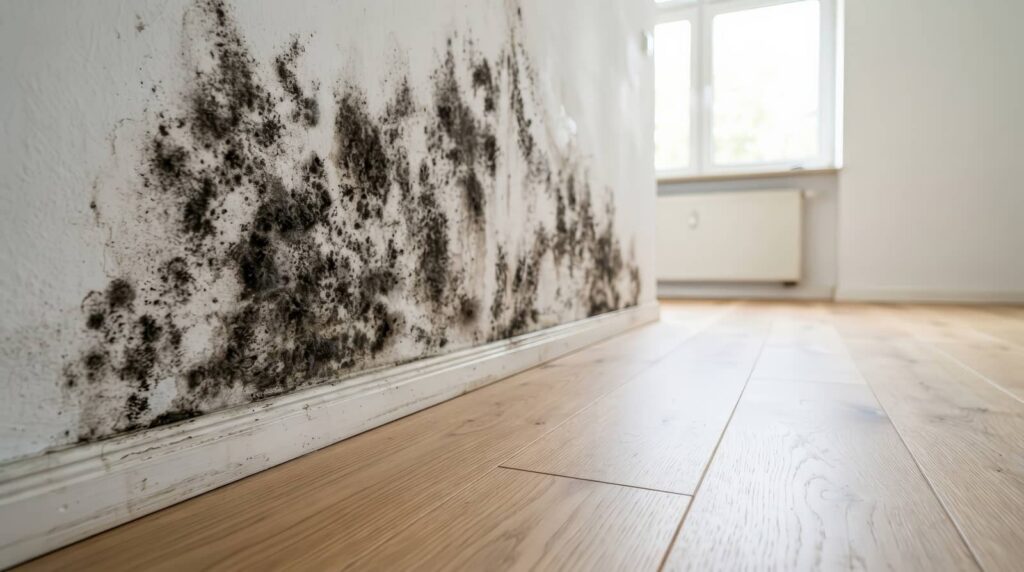
To stop mold after water damage, you need to remove moisture quickly, because mold can begin growing within 24 to 48 hours.
You should dry affected materials thoroughly with proper ventilation, dehumidification, and airflow to reduce residual dampness.
Then clean and disinfect contaminated surfaces to help prevent spores from spreading and reestablishing.
Stop Moisture Quickly
When water damage hits your business, you need to stop moisture fast because mold can begin developing within 24 to 48 hours. You should shut off the source, isolate the affected area, and keep foot traffic down so moisture doesn’t spread.
Your team can use moisture control steps like extracting standing water, sealing leaks, and running dehumidifiers to lower indoor dampness. Strong humidity management matters, too, because elevated relative humidity lets mold take hold on walls, ceilings, and equipment.
Monitor conditions with hygrometers and document readings so you know the space is stabilizing. By acting quickly and working together, you protect your facility, reduce disruption, and give your staff confidence that the environment is under control before the problem grows.
Dry Affected Materials
Once you’ve stopped the moisture source and stabilized the area, dry all affected materials as quickly and thoroughly as possible to keep mold from taking hold.
You’ll need to sort by material types, since carpet, drywall, and wood respond differently after flood damage. Use targeted drying techniques like air movement, dehumidification, and controlled heat, and match equipment usage to the room size and load.
Keep moisture control tight by tracking humidity levels and checking hidden cavities. During restoration processes, make a fast salvage assessment so you can separate items that may recover from those that can’t.
Follow safety precautions at every step, especially around damaged wiring and unstable surfaces.
Drying duration depends on thickness, airflow, and saturation, so monitor progress and adjust until readings show the materials are truly dry.
Clean And Disinfect
After you dry the affected materials, clean and disinfect all salvageable surfaces to eliminate lingering contaminants and reduce the risk of mold growth.
Use detergent and water first, then apply approved disinfectants on nonporous areas that can withstand treatment. Follow the product label exactly, because proper disinfection techniques depend on correct dilution, contact time, and ventilation.
Wear gloves, eye protection, and a respirator if needed, and keep your team aligned with sanitation protocols to prevent cross-contamination.
Dispose of porous items that can’t be fully cleaned, and isolate affected zones until surfaces are dry.
When you work methodically, you protect your facility, support your people, and create a safer space for everyone who relies on your business.
Business Mold Remediation
Business mold remediation starts with a careful assessment of the affected areas so you can identify the source of moisture, determine the extent of contamination, and choose the right containment strategy.
You’ll then isolate impacted zones, remove contaminated materials that can’t be salvaged, and use HEPA filtration to control airborne spores.
Skilled teams rely on inspection techniques to verify hidden growth and guide safe cleanup. Throughout the process, you’ll get clear communication, so you know what’s happening and why.
After removal, you’ll sanitize surfaces, dry the environment, and monitor conditions to support mold prevention.
This approach helps your business return to a clean, healthy space where your team can feel confident, supported, and ready to get back to work.
When Structural Repairs Are Needed
When flood damage compromises framing, drywall, subfloors, or other load-bearing elements, you’ll need structural repairs before cleanup can be considered complete.
You should have a qualified contractor inspect the affected areas, document the damage, and determine whether components can be reinforced or must be replaced. This step protects structural integrity and helps your team return to the space with confidence.
You’ll also want to coordinate repairs with drying and remediation so hidden moisture doesn’t keep damaging materials. Clear scope and timely decisions can reduce repair costs by preventing further deterioration.
When your building is restored correctly, you’re not just reopening—you’re restoring a safe, functional environment where your people can work together again.
How to Reduce Future Flood Risk
To reduce future flood risk, start by identifying how water entered the building and correcting those weak points first. You can seal foundation cracks, install backflow valves, elevate equipment, and improve grading so runoff moves away from the structure.
Keep gutters clear, test sump pumps, and maintain roof drains to support steady flood preparedness. You should also store records, inventory, and critical files above expected water levels.
Train your team on shutoff procedures and emergency contacts so everyone responds confidently and as one. Review insurance options before the next storm, because the right coverage helps you recover faster and protects your operation.
When you combine maintenance, planning, and clear communication, you build a stronger, safer workplace that your crew can count on.
Frequently Asked Questions
How Quickly Should Insurance Be Notified After a Business Flood?
Notify your insurer immediately, ideally within 24 hours. You’ll protect flood insurance timelines and follow immediate reporting procedures, helping you feel supported, reduce claim delays, and strengthen your recovery from business interruption.
Can Employees Stay On-Site During Commercial Flood Cleanup?
Usually, you shouldn’t keep employees on-site during cleanup; you’ll want to prioritize employee safety and follow onsite protocols. If areas are contained and cleared, limited access may be possible, but only with professional approval.
What Documents Should Be Saved for Flood Damage Claims?
Save photos, videos, repair estimates, receipts, inventory lists, and correspondence showing flood damage, then organize them for the claim process. You’ll strengthen your claim, stay informed, and feel supported throughout recovery.
Are Electronics Ever Safe to Reuse After Floodwater Exposure?
Sometimes, but you shouldn’t assume so. After floodwater exposure, your electronics safety depends on prompt inspection, drying, and testing by a qualified technician. You’ll belong with the cautious group that avoids powering devices before evaluation.
How Often Should a Business Inspect for Hidden Mold?
You should inspect for hidden mold at least twice yearly, and after leaks or humidity spikes. Your inspection frequency helps catch mold growth early, so you’ll protect your team, workspace, and peace of mind.
Review
When floodwater hits your business, every minute seems to slow down—ironically, that’s when speed matters most. You need to act fast, extract water, dry hidden moisture, and disinfect every affected surface before mold turns a bad day into a longer disruption. With careful documentation, monitoring, and the right repairs, you can restore a safe, workable space. Stay methodical, stay calm, and you’ll turn damage into recovery with far less uncertainty.
Recent Posts
What Are Property Restoration Services?
When disaster strikes, what do you restore first: the structure, the safety, or the business
3 Best Flood Damage Restoration Services
When flood damage hits your business, you need a restoration service that moves fast and
Property Restoration for Flood and Mold Damage
When floodwater rises like a clock in reverse, you need to act fast. Property Restoration