
Contents
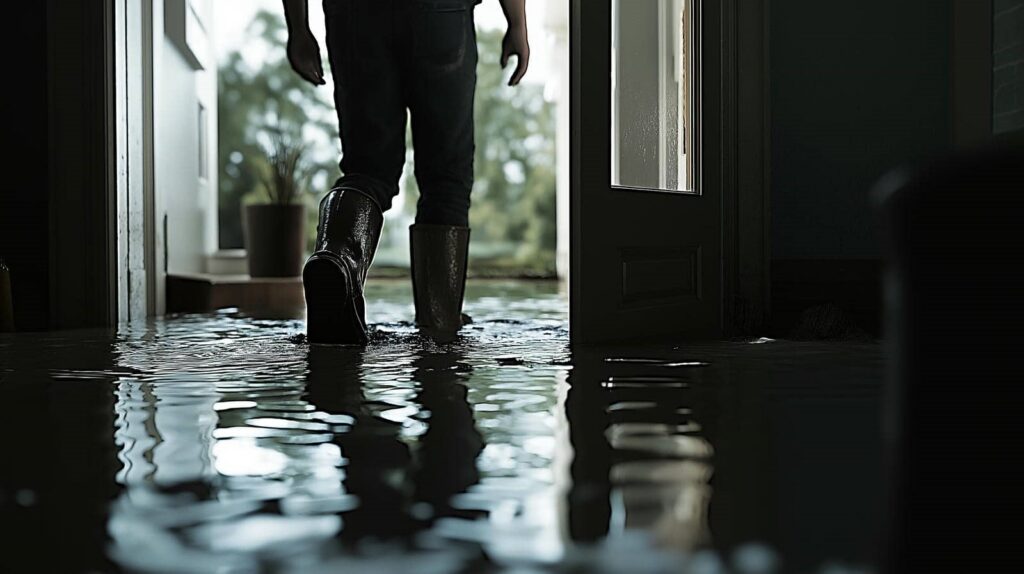
Imagine a commercial office building suffering significant water damage after a burst pipe. You need to act quickly to assess the extent of the damage and ascertain safety before beginning the cleanup process. Understanding the systematic approach to water damage cleanup is vital for effective restoration. Each step, from water extraction to final inspections, plays a key role in preventing further issues and guaranteeing compliance with safety standards. What are the essential components of this thorough process?
Key Takeaways
- Assess the extent of water damage, identifying sources, severity, and impact on structures and electrical systems for thorough documentation.
- Prioritize safety by adhering to protocols for mold and electrical hazards, while ensuring compliance with local and federal regulations.
- Remove standing water using submersible pumps and wet/dry vacuums, followed by efficient drying with high-velocity fans and dehumidifiers.
- Conduct mold inspections and testing, ensuring proper cleaning and sanitizing to eliminate mold while promoting ventilation during the process.
- Perform repairs and restorations, utilizing high-quality materials, and implement preventative measures such as regular inspections and waterproofing solutions.
Assessing the Damage
When faced with commercial water damage, the first critical step is evaluating the damage thoroughly. Start by identifying sources of water intrusion, whether from a plumbing failure, roof leak, or flooding. This identification is essential not only for immediate action but also for preventing future occurrences.
Once you’ve pinpointed the source, it’s time to evaluate the severity of the damage. Check affected areas, including walls, floors, and ceilings, noting any signs of water saturation, mold growth, or structural compromise. Don’t forget to assess the impact on electrical systems and important documents.
Document your findings meticulously, as this information will guide your next steps and help communicate with insurance providers. By carefully evaluating the damage, you set a solid foundation for an effective cleanup process, ensuring your property can return to its normal state while fostering a sense of security and belonging for all who use the space.
Ensuring Safety and Compliance
After evaluating the damage, the next focus shifts to guaranteeing safety and compliance throughout the cleanup process. You must prioritize safety protocols to protect yourself and your team from potential hazards, such as mold and electrical issues.
Establish clear communication about risks and guarantee everyone understands their roles in maintaining a safe environment.
Adhering to compliance regulations is equally essential. Familiarize yourself with local and federal guidelines that dictate how to handle water-damaged materials and hazardous waste.
Documentation is key; keep detailed records of your processes to demonstrate compliance.
As you navigate this phase, create a culture of safety where everyone feels responsible for upholding these standards. Regular training sessions can reinforce safety protocols and compliance regulations, fostering a shared commitment to a safe work environment.
Water Extraction
When it comes to water extraction, using the right equipment is essential for effective results.
You’ll want to understand various extraction techniques and implement safety precautions to protect yourself and your team.
This process not only minimizes damage but also sets the stage for successful restoration.
Equipment Used
Effective water extraction is essential in commercial water damage cleanup, and the right equipment plays an important role in this process.
Using specialized tools guarantees that you remove moisture efficiently, minimizing damage and preventing mold growth.
Here are three key pieces of equipment for effective water extraction:
Submersible Pumps: These powerful pumps efficiently remove standing water from affected areas, allowing for a quick initial response.
Wet/Dry Vacuums: Ideal for extracting water from carpets and hard surfaces, these vacuums provide versatility in various environments.
Drying Equipment: High-velocity fans and dehumidifiers work together to promote rapid drying, guaranteeing that any remaining moisture is eliminated.
Extraction Techniques
Once the right equipment is in place, employing effective extraction techniques is key to mitigating water damage in commercial settings.
Start by evaluating the affected areas to determine the best extraction methods, whether it’s submersible pumps for deep water or wet/dry vacuums for smaller spills.
Utilize high-capacity extraction equipment to rapidly remove water, minimizing damage to your property and reducing the risk of mold growth.
Be methodical—work in sections to guarantee thorough extraction and monitor moisture levels throughout the process.
It’s vital to collaborate with your team, keeping communication open to track progress and address challenges.
Safety Precautions
Before you begin the water extraction process, it’s essential to prioritize safety to protect yourself and your team.
Adhering to proper safety precautions guarantees a secure working environment and minimizes risks. Here are three key measures to follow:
Wear appropriate safety gear: Always use gloves, boots, and masks to shield yourself from contaminants and hazardous materials.
Establish emergency protocols: Have a clear plan in place for dealing with unforeseen incidents, such as electrical hazards or structural instability.
Assess the environment: Before starting, evaluate the area for potential dangers like slippery surfaces or hidden electrical connections.
Drying and Dehumidification
Once you’ve completed water extraction, focusing on drying and dehumidification becomes essential to prevent further damage.
You’ll need to employ effective techniques to eliminate moisture and monitor levels consistently throughout the process.
This guarantees a thorough restoration and mitigates the risk of mold growth or structural issues.
Importance of Drying
Although water damage can often be an overwhelming challenge, understanding the importance of drying and dehumidification is vital for effective recovery.
Proper drying techniques not only eliminate excess moisture but also prevent further complications. Here are three key reasons why drying matters:
Prevents Mold Growth: Rapid drying helps control moisture levels, markedly reducing the risk of mold development.
Preserves Structural Integrity: Effective drying protects your property’s materials from warping or rotting, ensuring long-term durability.
Enhances Indoor Air Quality: By managing humidity, you’ll improve the air quality, making your environment healthier and more comfortable.
Prioritizing these drying techniques is essential for successful moisture control and a swift return to normalcy in your commercial space.
Dehumidification Techniques Explained
Achieving effective moisture control hinges not only on drying but also on implementing proper dehumidification techniques. You’ll want to utilize desiccant dehumidifiers, which excel in removing moisture from the air, especially in cooler environments. These devices work by attracting water vapor and collecting it, guaranteeing that the air remains dry.
Additionally, incorporating industrial fans can markedly enhance the drying process. By circulating air throughout the affected space, these fans help distribute the dehumidified air, accelerating evaporation from surfaces.
Together, desiccant dehumidifiers and industrial fans create a thorough strategy for moisture management. This methodical approach guarantees that your facility is restored efficiently, promoting a safe and healthy environment for everyone involved.
Monitoring Moisture Levels
To guarantee effective drying and dehumidification, monitoring moisture levels is essential throughout the cleanup process.
You’ll need to utilize moisture sensors to accurately assess the situation and ascertain your space is returning to a safe and dry state.
Here are three key steps to keep in mind:
Regular Readings: Take consistent measurements of humidity levels in affected areas to track progress.
Adjust Equipment: Based on the moisture readings, adjust dehumidifiers and air movers to maximize efficiency.
Document Changes: Keep detailed records of moisture levels over time to identify trends and inform further actions.
Mold Inspection and Testing
When you suspect mold presence in a commercial space, conducting a thorough mold inspection and testing is vital for ensuring a safe environment.
Start by identifying potential mold types, such as black mold, Aspergillus, or Penicillium, which can thrive in damp conditions. Utilize trained professionals to assess moisture levels and inspect hidden areas like HVAC systems, walls, and ceilings, where mold often lurks unnoticed.
Next, collect samples for laboratory analysis to confirm the specific mold types present. This step is significant since different molds carry varying health risks, from respiratory issues to more severe allergic reactions.
Make sure to communicate findings with all stakeholders, fostering a sense of community awareness and responsibility. By prioritizing mold inspection and testing, you’re taking proactive steps to protect the health of your employees and clients, ensuring a safe and welcoming commercial space for everyone.
Cleaning and Sanitizing
Once mold has been identified and removed, the next significant step is cleaning and sanitizing the affected areas to prevent any future growth.
This process is essential not just for appearance but for maintaining a healthy environment. Here’s how you can approach it:
Select Effective Cleaning Agents: Use appropriate cleaning agents specifically designed to eliminate mold spores and contaminants. Make sure they’re safe for the surfaces you’re treating.
Implement Proper Sanitizing Methods: After cleaning, apply sanitizing methods to reduce any remaining bacteria and pathogens. This could involve using EPA-approved sanitizers to guarantee thorough disinfection.
Ventilate and Dry the Area: Proper ventilation is critical during this process. Ensure the area is well-ventilated to promote drying and minimize moisture, which deters mold from returning.
Repairing and Restoring Affected Areas
As you move forward with the restoration process, repairing and restoring affected areas is essential to guaranteeing the space isn’t only functional but also visually appealing.
Begin by evaluating the damage to identify which restoration techniques are most suitable for your situation. Depending on the severity, you might need to replace drywall, refinish floors, or repaint surfaces.
Select high-quality repair materials that match existing structures to maintain a cohesive look. For instance, if you’re replacing flooring, choose a material that complements your current design.
Don’t forget to address any structural issues, as they can compromise the integrity of your space. Incorporate proper insulation and moisture barriers to prevent future problems.
Finally, consider hiring professionals who specialize in water damage restoration for expert guidance and results. This thorough approach guarantees that your space feels like home once again, fostering a sense of belonging for everyone who enters.
Implementing Preventative Measures
Having restored affected areas, it’s important to focus on implementing preventative measures to safeguard your space from future water damage.
By prioritizing preventative maintenance and conducting a thorough risk assessment, you can greatly reduce the likelihood of recurring issues.
Here are three key steps to keep in mind:
Regular Inspections: Schedule routine assessments of plumbing, roofing, and drainage systems to identify potential weaknesses before they escalate.
Waterproofing: Invest in waterproofing solutions for basements, walls, and foundations, ensuring your property is equipped to withstand heavy rainfall or flooding.
Emergency Preparedness: Develop a plan for emergency response, including staff training and access to necessary resources, so everyone knows how to act quickly if water damage occurs.
Final Inspection and Documentation
After completing the cleanup and restoration process, conducting a final inspection is essential to confirm every aspect of your commercial space is thoroughly assessed.
Begin by using a final checklist to verify all areas, including structural elements and hidden corners, meet the required standards. This systematic approach helps identify any lingering issues that may need attention.
During the inspection, document everything meticulously, as this project documentation will be vital for future reference. Take photos, note any repairs completed, and highlight areas requiring additional monitoring. This documentation not only serves as a record for insurance purposes but also builds trust and accountability with stakeholders.
Finally, once you’ve completed the inspection and compiled your project documentation, share the findings with your team. This transparency fosters a sense of belonging and encourages collaboration as you move forward, confirming your commercial space remains safe and efficient for everyone involved.
Frequently Asked Questions
How Long Does the Entire Water Damage Cleanup Process Typically Take?
The cleanup duration typically ranges from a few days to several weeks, depending on the severity of the damage. You’ll want to contemplate the restoration timeline to guarantee thorough and effective recovery for your space.
Will My Commercial Insurance Cover the Water Damage Restoration Costs?
Think of insurance as a safety net. Your commercial insurance policies might cover restoration costs, but it depends on your coverage limits. Review your policy carefully to guarantee you’re adequately protected against water damage expenses.
What Types of Equipment Are Used During the Water Damage Cleanup?
During water damage cleanup, you’ll typically see water extraction equipment, like pumps and vacuums, alongside drying equipment such as dehumidifiers and air movers, ensuring your space returns to a safe, dry condition efficiently.
Can I Stay in My Building During the Cleanup Process?
You shouldn’t stay in your building during the cleanup process. Prioritize safety precautions, as temporary relocation may be necessary to protect yourself from hazards and allow professionals to work efficiently on restoring your space.
How Can I Prevent Future Water Damage Issues?
To prevent future water damage issues, you should regularly maintain your drainage systems and schedule routine inspections. By staying proactive, you’ll guarantee your building remains safe and secure, fostering a sense of belonging for all occupants.
Review
Steering through the complete commercial water damage cleanup process is essential for safeguarding your property and peace of mind. By following each meticulous step from evaluating damage to implementing preventative measures you guarantee a thorough restoration and protection against future issues. After all, isn’t it better to be proactive than reactive? With proper planning and execution, you can turn a challenging situation into an opportunity for improvement, securing your investment for years to come.
Recent Posts
Why Conduct Mold Inspection for Commercial Properties?
When managing a commercial property, conducting mold inspections isn’t just an option—it’s a necessity. Early
7 Best Methods for Commercial Water Damage Cleanup
Imagine a commercial space flooded after a pipe burst, leaving extensive water damage in its
Why Follow a Commercial Water Damage Cleanup Process?
Imagine a restaurant experiencing significant water damage from a burst pipe. Without a structured cleanup