
Contents
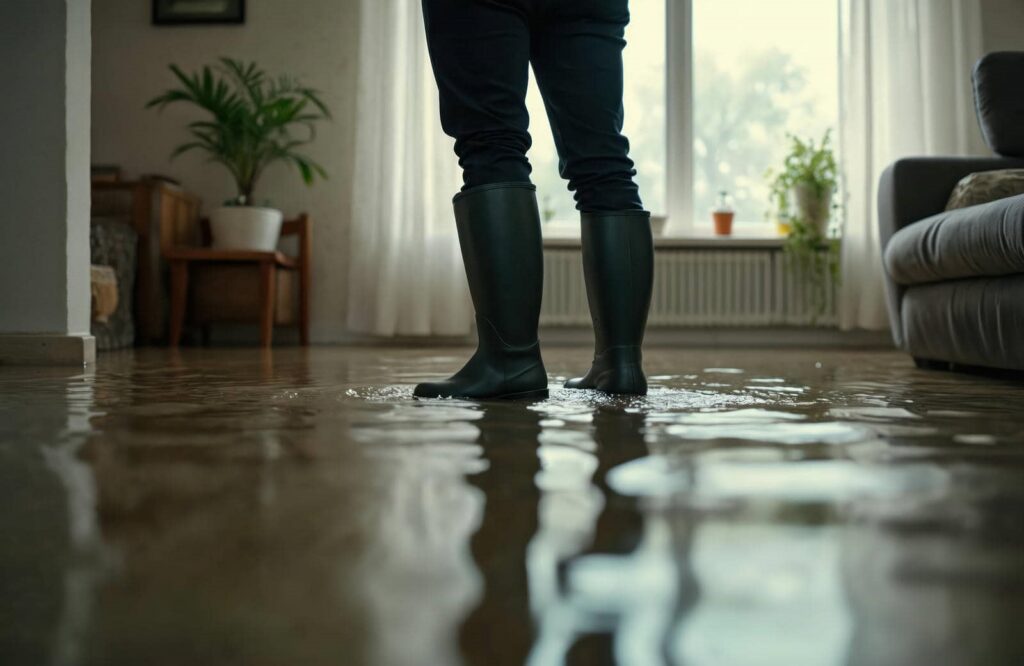
Imagine a commercial space flooded after a pipe burst, leaving extensive water damage in its wake. You must act quickly to mitigate further issues. Understanding the best methods for water damage cleanup is fundamental to restore your property effectively. From evaluating the extent of the damage to ensuring proper safety measures, each step plays an essential role in the restoration process. Let’s explore the key methods to tackle this challenge efficiently.
Key Takeaways
- Conduct a thorough water damage assessment to identify visible and hidden moisture areas, using moisture meters for accurate readings.
- Remove standing water efficiently with pump systems for large volumes and portable extractors for smaller pools.
- Employ high-velocity fans and dehumidifiers to ensure thorough drying of affected areas, preventing mold growth and structural damage.
- Clean and disinfect surfaces using effective cleaning agents and EPA-approved disinfectants to eliminate contaminants and ensure safety.
- Engage professionals for severe damage to assess structural integrity and utilize advanced tools for detecting hidden moisture.
Assess the Extent of Water Damage
How do you determine the extent of water damage? Begin with a thorough water damage assessment.
Check for visible signs such as stains, warping, or mold growth on walls, ceilings, and floors. Don’t forget to inspect hidden areas like behind appliances and under carpets, as moisture can linger unnoticed.
Use moisture meters to quantify the level of saturation in materials.
If the situation seems severe, consider engaging a professional evaluation.
Experts can provide an in-depth analysis of structural integrity and potential health risks. They’ll utilize advanced tools and techniques to detect hidden moisture and assess damage extensively.
Ensure Safety and Security Measures
Before starting any water damage cleanup, it’s crucial to prioritize safety and security measures. You need to guarantee that everyone involved understands and follows the established safety protocols. This not only protects your team but also helps maintain a secure environment for your clients.
Consider implementing the following measures:
Assess electrical hazards: Shut off power sources to prevent electrocution risks.
Deploy security systems: Use cameras or alarms to monitor the area, preventing unauthorized access during the cleanup process.
Provide personal protective equipment (PPE): Equip your team with gloves, masks, and boots to guard against contaminants and hazardous materials.
Remove Standing Water
To effectively tackle water damage, your first step is to remove standing water as quickly as possible. This process is critical in preventing further damage and mold growth.
Begin by evaluating the affected area and determining the volume of water present. Utilize pump systems designed for efficient water extraction to remove large quantities. Submersible pumps are often ideal for commercial spaces, as they can handle considerable water levels swiftly.
Once you’ve set up your pump system, make sure you monitor its efficiency and adjust as needed. For smaller pools of water, portable extractors can be effective.
Remember, it’s crucial to wear appropriate safety gear during this process to protect yourself from contaminants. After removing the majority of the standing water, check for any hidden pockets that may require additional attention.
Dry Out Affected Areas
Once you’ve removed standing water, it’s essential to dry out affected areas thoroughly to prevent mold growth and structural damage.
Start by implementing effective moisture extraction techniques to eliminate any lingering dampness. Use dehumidifiers and fans to enhance air circulation, ensuring that every corner of the space dries adequately.
- Place dehumidifiers in strategic locations to absorb moisture.
- Utilize high-velocity fans to promote airflow.
- Check for hidden pockets of moisture, especially in walls and carpets.
Clean and Disinfect Surfaces
Once you’ve dried out the affected areas, it’s essential to clean and disinfect surfaces to prevent mold and bacteria growth.
You’ll need effective cleaning agents that break down contaminants and sanitization techniques to guarantee thorough disinfection.
Understanding these processes will help you restore your space safely and effectively.
Effective Cleaning Agents
While water damage can lead to serious health risks if not addressed promptly, using effective cleaning agents can help restore surfaces and eliminate harmful contaminants.
Selecting the right cleaning products is essential for guaranteeing a thorough cleanup.
Eco-friendly cleaners: These are safe for both your health and the environment, making them an excellent choice for routine maintenance.
Industrial solvents: For tougher stains and mold, industrial solvents can effectively break down grime, but they should be used with caution due to their potent chemicals.
Disinfectants: Confirm you’re using EPA-approved disinfectants to thoroughly eliminate bacteria and viruses.
Sanitization Techniques Explained
Effective sanitization techniques are essential for guaranteeing that surfaces affected by water damage aren’t only clean but also free from harmful pathogens.
To achieve this, you should follow established sanitization protocols that take into account water quality. Start by thoroughly cleaning surfaces to remove debris and contaminants.
Next, apply an EPA-approved disinfectant, guaranteeing it remains on surfaces for the recommended contact time. Pay special attention to high-touch areas, as these are often breeding grounds for bacteria.
After disinfecting, rinse surfaces with clean water to eliminate any residue. Regularly assess your sanitization protocols to guarantee they meet safety standards.
Inspect for Mold Growth
As you begin the water damage cleanup process, inspecting for mold growth is vital, since mold can develop within 24 to 48 hours in damp environments.
Prioritizing this inspection helps guarantee mold prevention, maintaining not only the integrity of your property but also the air quality for everyone involved.
Look for these signs during your inspection:
- Discoloration on walls or ceilings
- Musty odors that indicate moisture issues
- Visible mold colonies in hidden areas like basements or behind appliances
If you spot any of these indicators, it’s important to act quickly.
Mold can pose serious health risks, so addressing it promptly will help protect your team and customers.
Remember, even small amounts of mold can lead to significant problems later on.
Restore and Repair Damaged Structures
Once you’ve thoroughly inspected for mold and addressed any issues, it’s time to restore and repair the damaged structures.
Begin by evaluating the extent of the water damage and identifying affected materials. Remove any compromised drywall, flooring, or insulation to guarantee proper water damage restoration. Replace these materials with new, high-quality options that will maintain the structural integrity of your building.
Next, focus on reinforcing any weakened structural elements, such as beams or columns, to prevent future issues. If necessary, consult with a structural engineer to ensure your repairs meet local building codes and standards.
Finally, finish with proper sealing and waterproofing to protect against future water intrusion.
Frequently Asked Questions
How Long Does Commercial Water Damage Cleanup Typically Take?
Commercial water damage cleanup typically takes one to several weeks, depending on the severity. After a damage assessment, you’ll receive a cleanup timeline that outlines the necessary steps for restoring your property efficiently.
What Insurance Coverage Is Necessary for Water Damage?
When it rains, it pours, so you need adequate water damage insurance. Look for coverage options like property damage, loss of income, and liability to protect your business from unexpected water-related incidents.
Can I Handle Water Damage Cleanup Myself?
You can handle water damage cleanup yourself, but make certain you follow safety precautions. DIY cleanup involves evaluating the damage, removing water, and drying the area thoroughly to prevent mold growth. Always prioritize your safety during the process.
What Equipment Is Used for Commercial Water Damage Cleanup?
For commercial water damage cleanup, you’ll need equipment like water extraction machines and moisture detection tools. These devices help you efficiently remove standing water and identify hidden moisture, ensuring a thorough and effective restoration process.
How Can I Prevent Future Water Damage Incidents?
To prevent future water damage incidents, you should implement regular water detection systems, schedule routine preventive maintenance, check plumbing for leaks, and educate your team on immediate response protocols for any potential issues.
Wrap-Up
If you think water damage is just a little hiccup, think again! Ignoring the issue can lead to mold parties and structural collapses that’ll really dampen your day. By following these seven methods, you’ll not only save your property but also avoid turning it into a swampy disaster zone. So, roll up your sleeves, grab those dehumidifiers, and tackle the task head-on—because who wouldn’t want their business to feel like a pristine oasis instead of a soggy mess?
Recent Posts
Why Prevent Mold After Structural Drying?
After structural drying, you still need to prevent mold because hidden moisture can remain in
3 Best Mold Prevention Drying Tips
When moisture lingers, mold can start growing in less than 48 hours, so your drying
Structural Drying for Flooded Property Restoration
When water invades a structure, both speed and strategy matter. Flooded property restoration starts by