
Contents
It’s interesting how many people overlook mold until it becomes a serious problem. When faced with a mold infestation, you need to follow essential steps for safe mold removal. First, evaluating the extent of the mold is vital. However, you must also prioritize your safety during the process. Knowing how to protect yourself and properly contain the area can make all the difference in your approach. Let’s explore the detailed steps you should take to handle this situation effectively.
Key Takeaways
- Inspect moisture-prone areas for visible mold growth and document the severity and locations of the infestation.
- Wear appropriate PPE, including gloves, goggles, and an N95 respirator, to ensure personal safety during the removal process.
- Seal off the affected area with plastic sheeting and create negative pressure to contain mold spores.
- Remove contaminated materials carefully, cutting out sections beyond visible mold and sealing them in heavy-duty trash bags.
- Control moisture levels and improve ventilation to prevent future mold growth in the affected areas.
Assessing the Mold Infestation
Before you begin mold removal, it’s essential to assess the extent of the infestation.
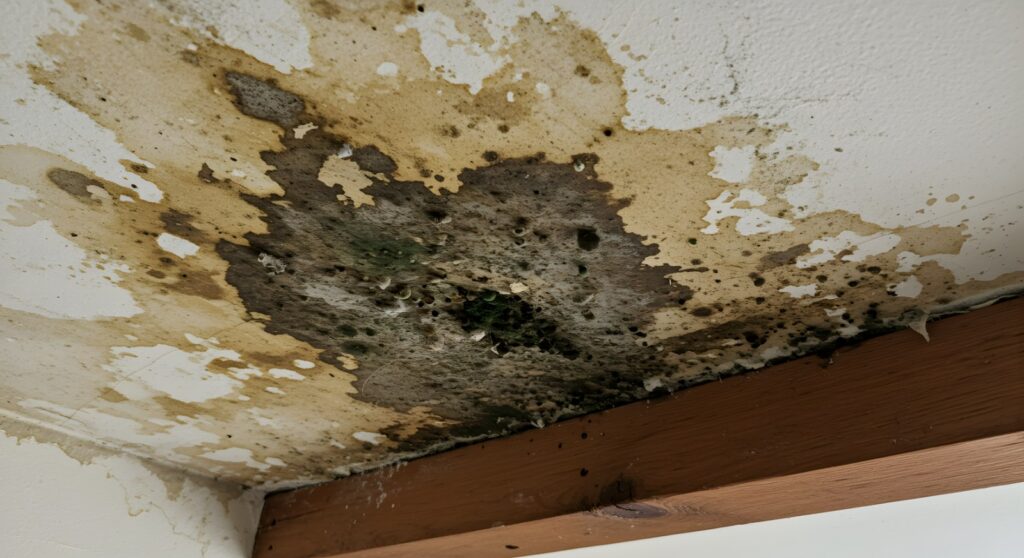
Start by inspecting areas prone to moisture, such as basements, bathrooms, and around windows. Look for visible mold growth, discoloration, or water stains on walls and ceilings. Use a flashlight to illuminate dark corners, and don’t forget to check behind furniture and appliances.
Next, evaluate the affected materials. Determine if the mold growth is superficial or has penetrated deeper into structures like drywall or wood. You should also identify any musty odors, as these can indicate hidden mold.
Document your findings, noting specific locations and the severity of the infestation. This assessment will guide your removal strategy and help you determine whether professional assistance is needed.
Ensuring Personal Safety and Protection
While addressing a mold infestation, ensuring personal safety and protection is paramount. Start by wearing appropriate personal protective equipment (PPE) such as gloves, goggles, and a respirator to shield yourself from mold spores. Choose a respirator that’s rated for mold, like an N95 or higher.
Next, make sure you have adequate ventilation in the area where you’ll be working. Open windows and use fans if necessary to minimize inhalation risks.
It’s also wise to avoid direct skin contact with mold, so long sleeves and pants can help. If you have underlying health issues, consider having a professional handle the removal to mitigate health risks.
After you finish, properly dispose of your PPE and wash your clothes separately to prevent spreading spores. By taking these precautions, you’ll safeguard your health and create a safer environment for everyone involved in the mold removal process.
Containing the Affected Area
Containing the affected area is essential to prevent mold spores from spreading during the removal process. You should start by sealing off the space with plastic sheeting to isolate it from the rest of your home. Make sure to utilize duct tape to secure the edges and prevent any gaps. Additionally, close all doors and windows to limit airflow.
Here’s a quick reference table to help you with containment strategies:
| Step | Material Needed | Purpose |
|---|---|---|
| Seal Off Area | Plastic Sheeting | Isolate mold-affected space |
| Secure Edges | Duct Tape | Prevent spore escape |
| Close Openings | Doors/Windows | Limit airflow |
| Create Negative Pressure | Box Fan | Direct airflow outside |
| Use Warning Signs | Caution Tape | Alert others of hazards |
Removing Mold-Infested Materials
Once you’ve effectively contained the affected area, you can begin the process of removing mold-infested materials.
Start by wearing appropriate personal protective equipment (PPE), including gloves, goggles, and an N95 respirator to safeguard against inhaling spores.
Carefully assess the materials that need removal, such as drywall, insulation, or carpeting. Use a utility knife to cut out contaminated sections, ensuring you cut at least several inches beyond visible mold. Place these materials in heavy-duty trash bags, sealing them tightly to prevent spore spread.
If you encounter furniture or personal items, clean them with a mold-safe solution; if they’re heavily infested, consider discarding them.
Remember to maintain a damp environment during this process to minimize airborne spores.
Once you’ve cleared all contaminated materials, dispose of them properly according to local regulations. This step is essential in achieving a mold-free environment for you and your community.
Preventing Future Mold Growth
To effectively prevent future mold growth, it is crucial to control moisture levels in your environment. Start by regularly inspecting areas prone to humidity, such as basements, bathrooms, and kitchens. Ensure proper ventilation and consider using dehumidifiers when necessary.
Here’s a quick reference table to help you maintain ideal conditions:
| Action | Frequency |
|---|---|
| Inspect for leaks | Monthly |
| Clean gutters | Biannually |
| Change HVAC filters | Every 3 months |
| Use exhaust fans | During showers/cooking |
| Monitor indoor humidity | Weekly |
Conclusion
By following these essential steps, you can tackle mold removal with confidence, transforming your space from a breeding ground for spores to a sanctuary of fresh air. With proper assessment, safety measures, and containment strategies in place, you’ll eliminate the current threat and fortify your environment against future infestations. Embrace this proactive approach, and let your home breathe freely once again.
Recent Posts
Recognizing Mold Illness Symptoms After Flood Cleanup
Flood cleanup can feel like a straightforward task, but the hidden dangers of mold exposure
What Are the Health Risks of Mold Exposure?
Mold exposure can lead to serious health issues, particularly for those with existing conditions. You
7 Tips for Safe Mold Removal After Flooding
After flooding, your home can become a breeding ground for mold, much like a garden