
Contents
After flooding, addressing mold growth is vital for your health and property. You need to assess the extent of the mold and ensure your safety with proper gear. Understanding the right cleaning solutions and techniques is essential to effectively remove mold. However, it’s important to know when DIY efforts may fall short. What steps should you take first, and how can you prevent mold from returning? Let’s explore the process in detail.
Key Takeaways
- Assess the extent of mold growth by inspecting hidden areas and documenting findings with photos or notes for informed decisions.
- Equip yourself with personal protective gear, including gloves, goggles, and a mask, while ensuring proper ventilation during the removal process.
- Use effective cleaning solutions like vinegar, baking soda, or commercial mold removers to eliminate mold from affected surfaces.
- Dry and dehumidify the area using fans, open windows, and dehumidifiers to maintain humidity levels below 60% and inhibit mold regrowth.
- Monitor for leaks and maintain low humidity levels, seeking professional help if mold exceeds ten square feet or persists despite cleaning efforts.
Assessing the Extent of Mold Growth
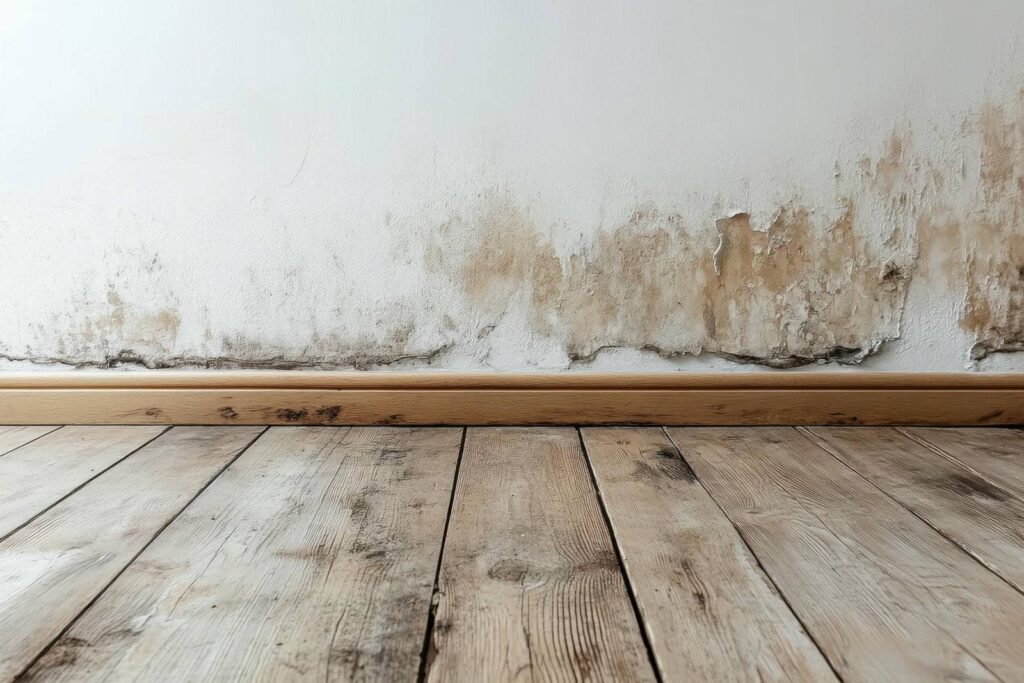
When you’re dealing with mold after flooding, it’s essential to assess the extent of the growth before taking action.
Start by identifying the mold types present—common varieties include black mold, white mold, and green mold. Understanding these categories helps you gauge potential health risks.
Next, examine the growth conditions that allowed the mold to thrive. Look for moisture, humidity, and poor ventilation, as these factors often contribute to mold proliferation.
Use a flashlight to inspect hidden areas, such as behind walls and under carpets, where mold might be lurking. Document your findings with photos or notes, helping you make informed decisions later.
Remember, the sooner you assess and address the issue, the better your chances of preventing further damage.
Engage with others who’ve faced similar challenges; sharing experiences can provide valuable insights and support during this process.
Safety Precautions Before Starting Mold Removal
After evaluating the extent of mold growth, prioritizing safety is essential before initiating any removal efforts.
Begin by equipping yourself with personal protective gear, including gloves, goggles, and a high-quality mask or respirator. This isn’t just about compliance; it’s about safeguarding your health while you tackle the situation. Mold spores can irritate your skin and respiratory system, so don’t underestimate the importance of respiratory protection.
Ensure the area is well-ventilated by opening windows or using fans to circulate air, which helps minimize exposure to airborne spores.
If the mold covers a large area, consider using a professional service to handle the removal safely. Communicate with others who may be affected, fostering a sense of community as you all work together.
Essential Tools and Equipment for Mold Removal
To effectively remove mold, you’ll need a few vital tools and equipment that can streamline the process and ensure thoroughness.
Start with personal protective gear like gloves, masks, and goggles to safeguard your safety while handling moldy materials. Next, invest in a high-efficiency particulate air (HEPA) vacuum for effective mold removal; its filters capture even the smallest spores.
You’ll also require scrubbing brushes, sponges, and cloths to physically remove mold from surfaces. Consider having a moisture meter on hand, as monitoring humidity levels is essential for preventing mold’s return.
For larger areas, a commercial-grade dehumidifier can help maintain ideal dryness. Finally, stock up on trash bags for safe disposal of contaminated materials.
With this vital equipment, you’ll be well-prepared to tackle mold removal effectively, ensuring a healthier environment for you and your loved ones.
Effective Cleaning Solutions for Mold
When tackling mold after flooding, it’s essential to choose the right cleaning solutions.
You can use household items like vinegar and baking soda, which are effective and safe, or opt for hydrogen peroxide solutions for a stronger approach.
Additionally, commercial mold removers are available for those who need a more potent option to eliminate stubborn infestations.
Vinegar and Baking Soda
Vinegar and baking soda are two powerful, natural cleaning solutions that can effectively combat mold growth following flooding.
Vinegar benefits include its acetic acid content, which disrupts mold’s cellular structure, making it difficult for spores to thrive. Simply spray undiluted vinegar onto affected surfaces and let it sit for at least an hour before wiping it away.
Baking soda, on the other hand, acts as a gentle abrasive and deodorizer. Mix it with water to create a paste, and scrub the moldy area. This combination removes mold and helps prevent future growth.
Together, these solutions provide a safe and effective approach, allowing you to reclaim your space and feel secure in your home environment.
Hydrogen Peroxide Solutions
Hydrogen peroxide is a versatile cleaning agent that effectively tackles mold due to its antifungal and antibacterial properties.
When considering mold removal, it’s essential to use a solution with a concentration of 3-10%. Simply spray the hydrogen peroxide onto the affected area and let it sit for about 10 minutes to penetrate the mold.
Afterward, scrub the surface with a brush or cloth, then wipe it clean. This method eliminates visible mold and helps prevent future growth by addressing spores.
Always test a small area first to ensure no discoloration occurs.
Commercial Mold Removers
Commercial mold removers offer powerful solutions for effectively tackling mold infestations in your home.
These commercial products are designed to penetrate surfaces, eliminating mold spores at the source, which is essential for long-term mold prevention.
When selecting a mold remover, consider formulations that contain EPA-approved ingredients, ensuring safety and efficacy.
You’ll find options ranging from sprays to concentrated solutions, suitable for various surfaces.
Always follow manufacturer instructions for best results, and remember to wear protective gear during application.
After treatment, maintaining proper ventilation and humidity levels in your home can further enhance mold prevention efforts.
Step-by-Step Mold Removal Process
Before you start the mold removal process, you need to take necessary safety precautions to protect yourself.
Next, assess the extent of the mold damage to determine your cleaning approach.
Finally, follow a structured method for cleaning and disinfecting the affected areas to ensure thorough remediation.
Safety Precautions First
As you prepare to tackle mold removal after flooding, it’s essential to prioritize safety to protect yourself and others in the area.
Start by wearing appropriate personal protective equipment, such as gloves, goggles, and N95 respirators, to shield against various mold types and their potential health symptoms, like respiratory issues or skin irritation.
Ensure adequate ventilation in the space by opening windows and using fans, but avoid spreading spores to unaffected areas.
If mold covers more than 10 square feet, consider consulting professionals.
Keep children and pets away from the contaminated area to minimize health risks.
Assessing Mold Damage
Once you’ve ensured a safe environment, it’s essential to assess the extent of mold damage to determine the most effective removal strategy.
Start by conducting a thorough inspection of affected areas. Look for visible mold growth and identify different mold types, as some may require specialized treatment.
Mold identification can also involve checking for musty odors, which often indicate hidden mold. Pay special attention to areas with moisture retention, like behind walls or under carpets.
Document your findings, noting the severity and spread of the mold. This information will guide your removal process and help you choose the right cleaning methods and materials.
A clear assessment is vital for effective mold remediation and ensuring a safe, healthy environment for everyone.
Cleaning and Disinfecting
Cleaning and disinfecting mold-affected areas is essential to restoring your home and preventing future growth. Start by wearing protective gear to avoid inhaling mold spores. Use effective cleaning techniques such as soap and water or a mixture of vinegar and water for hard surfaces. For porous materials, consider discarding items that can’t be fully cleaned.
| Step | Action | Notes |
|---|---|---|
| Preparation | Wear protective gear | Gloves, mask, goggles |
| Cleaning | Use soap or vinegar | Scrub surfaces thoroughly |
| Disinfecting | Apply a disinfectant | Verify it’s mold-specific |
After cleaning, make sure the area is dry to inhibit mold regrowth. Following these steps helps create a safe, healthy environment for you and your loved ones.
Drying and Dehumidifying Affected Areas
To effectively prevent mold growth after a flood, it’s essential to dry and dehumidify the affected areas promptly.
Start by employing various drying techniques, such as using fans, opening windows, and removing wet materials. These methods help circulate air and reduce moisture levels.
Next, consider your dehumidifier options. A portable dehumidifier can be particularly effective for smaller spaces, while larger or whole-home units may be necessary for extensive damage.
Set your dehumidifier to a level below 60% humidity, and run it continuously until the area is thoroughly dried.
Monitor moisture levels with a hygrometer to ensure effectiveness.
Remember, the key is to act quickly; mold can develop within 24 to 48 hours in damp environments.
Preventing Future Mold Growth
To prevent future mold growth, it’s essential to maintain low humidity levels in your home.
Ensure proper ventilation in all areas, especially those prone to moisture, and regularly inspect for leaks that could create damp conditions.
Maintain Low Humidity Levels
While you may have successfully removed visible mold after flooding, maintaining low humidity levels is essential for preventing its return.
Effective humidity control can greatly reduce the risk of mold growth. Here are some strategies to keep your home dry:
- Use dehumidifiers to absorb excess moisture.
- Install moisture barriers in basements and crawl spaces.
- Confirm that your home’s insulation is adequate and not damp.
- Regularly check for leaks in plumbing or roofs to prevent water intrusion.
- Monitor indoor humidity levels, aiming for 30-60%.
Ensure Proper Ventilation
Ensuring proper ventilation in your home is essential for preventing future mold growth, as stagnant air can trap moisture and create an ideal environment for mold spores to thrive.
You need to focus on effective airflow management to reduce humidity levels. Start by opening windows and doors when the weather permits, allowing fresh air to circulate. Use fans strategically to boost air movement in areas prone to dampness.
Installing exhaust fans in kitchens and bathrooms can also help control humidity effectively. Additionally, consider using a dehumidifier in basements or other humid spaces.
Regularly Inspect for Leaks
Regular inspections for leaks are essential in preventing future mold growth, as even small water intrusions can lead to significant problems.
Implementing routine leak detection and plumbing maintenance helps safeguard your home against mold. Here are some key steps to reflect upon:
- Check under sinks and around toilets for moisture.
- Inspect your roof and gutters for signs of leaks.
- Examine pipes in basements and crawlspaces regularly.
- Look for stains on walls and ceilings, which may indicate hidden leaks.
- Schedule professional plumbing maintenance annually to catch issues early.
When to Call in Professionals
If you find yourself overwhelmed by the extent of mold growth following a flood, it’s important to recognize when it’s time to call in professionals.
If the mold covers an area larger than ten square feet, a thorough mold inspection is significant. This isn’t just a minor cleanup; significant infestations can pose health risks and structural damage.
When you notice persistent mold growth despite your cleaning efforts, or if you’re facing moisture problems that seem unmanageable, seeking professional assistance is wise. Experts have the tools and experience to effectively remove mold and prevent its return.
Additionally, if you’re dealing with hidden mold in walls, ceilings, or HVAC systems, professional help is necessary. They can assess the situation thoroughly, ensuring your home is safe and healthy.
Documenting Damage for Insurance Claims
Documenting damage after a flood is essential for filing insurance claims effectively. By being thorough in your approach, you can ensure that you gather everything necessary for a smooth claims process.
Here are some key steps to follow:
- Take detailed photos of all damaged areas, capturing different angles.
- List damaged items with descriptions, including brand names and purchase dates.
- Document expenses incurred related to the damage, such as temporary housing or repairs.
- Gather evidence like receipts and invoices, which can substantiate your claims.
- Create a timeline of events, detailing the date of the flood and when damage occurred.
Health Risks Associated With Mold Exposure
While you may focus on the visible damage after a flood, it’s vital to recognize the health risks associated with mold exposure that can arise in the aftermath.
Mold thrives in damp environments, and if left unchecked, it can lead to serious health concerns. People with mold allergies might experience heightened symptoms, such as sneezing, itching, and skin rashes.
Additionally, exposure to mold can trigger respiratory issues, especially in vulnerable populations like children, the elderly, or those with pre-existing conditions. You mightn’t notice these problems immediately, but they can worsen over time.
It’s important to act promptly by removing mold and addressing moisture sources. By prioritizing your health and that of your loved ones, you’re ensuring a safer living environment.
Frequently Asked Questions
Can Mold Return After Removal if Not Properly Managed?
Yes, mold can return after removal if you don’t manage it properly. Implementing mold prevention strategies, like humidity control, is essential. Keeping moisture levels low helps ensure a healthier environment and reduces the chances of mold resurgence.
How Long Does It Take for Mold to Grow After Flooding?
In just 24 to 48 hours after flooding, mold growth can begin, highlighting the urgency of addressing the flooding aftermath. Understanding this mold growth timeline helps you prioritize effective and timely intervention to protect your space.
Is It Safe to Live in a House With Mold During Removal?
Living in a house with mold during removal isn’t safe. Mold can impact your health. You should take safety precautions, like wearing masks and ensuring proper ventilation, to protect yourself and your loved ones during the process.
What Types of Mold Are Most Common After Flooding?
Did you know many homes experience mold growth after flooding? Black mold and toxic mold are among the most common types, posing health risks that you shouldn’t ignore when evaluating your living environment.
Can I Use Bleach to Remove Mold Effectively?
While bleach can kill mold on non-porous surfaces, its effectiveness diminishes on porous materials. For thorough mold removal, consider alternative solutions that penetrate better and address the underlying moisture issues contributing to mold growth.
Final Thoughts
In the battle against mold after flooding, you’re the warrior equipped with knowledge and tools. By evaluating the damage, donning your protective gear, and following a systematic approach, you can reclaim your space from this unwelcome invader. Remember, prevention is key; keep humidity in check and ensure proper ventilation. If the mold persists like an unyielding shadow, don’t hesitate to call in the cavalry—professionals who can help restore your home to a safe haven.
Recent Posts
Guide to Structural Drying After Water Damage
When faced with water damage, it’s essential to act swiftly and methodically. You’ll need to
Effective Structural Drying Techniques After Water Damage
When water damage strikes, can you afford to wait? Effective structural drying is vital to
Top 10 Structural Drying Methods After Water Damage
In the aftermath of water damage, the environment can feel like a sponge, saturated and