
Contents
Flooding can create an ideal environment for mold growth, making prompt action essential. You need to understand the steps to effectively remove mold and restore safety in your space. From evaluating the extent of infestation to employing the right mold removal techniques, each phase is critical. Knowing how to navigate these challenges can prevent further damage and health risks. Let’s explore the effective strategies you can implement for successful mold remediation.
Key Takeaways
- Quickly remove standing water and affected materials within 24 to 48 hours to prevent mold growth.
- Use protective gear, including gloves and N95 masks, to safeguard against mold spores during removal.
- Ensure proper ventilation with fans and open windows to reduce humidity and facilitate drying.
- Utilize dehumidifiers to maintain ideal moisture levels and prevent mold from re-establishing.
- Consider professional help for extensive mold growth or hidden infestations to ensure thorough remediation.
Understanding Mold Growth After Flooding
When floodwaters invade your home, understanding how mold grows becomes essential for effective remediation. Mold biology reveals that spores thrive in damp environments, rapidly multiplying under flood conditions. The moisture from floodwaters provides a perfect breeding ground, allowing mold to settle on various surfaces, including wood, drywall, and textiles.
To combat this, you need to act quickly. First, remove standing water and any affected materials within 24 to 48 hours.
Make certain the area is well-ventilated to reduce humidity levels, as mold requires a humid environment to flourish.
Additionally, consider using dehumidifiers to maintain ideal moisture levels in your home.
Identifying and addressing mold growth early protects your home and fosters a sense of belonging in a safe, healthy environment.
Understanding these principles of mold biology and flood conditions empowers you to take decisive action against mold infestations.
Essential Safety Precautions Before Starting
Before diving into mold removal, it’s crucial to prioritize your safety. Start by equipping yourself with the right safety gear, including gloves, goggles, and an N95 respirator mask. These items protect you from inhaling mold spores and coming into contact with contaminated surfaces.
Verify that your workspace is well-ventilated to maintain ideal air quality; opening windows and using fans can help reduce airborne particles.
Before you begin, check for any electrical hazards in the area—never work in wet conditions without proper precautions. If the mold covers a large area, consider enlisting professional help to avoid health risks.
Additionally, keep children and pets away from the work area to further safeguard their health. By taking these crucial safety measures, you’re not just protecting yourself; you’re fostering a safer environment for everyone involved in the cleanup process.
Assessing the Extent of Mold Infestation
How can you effectively determine the extent of mold infestation in your space? Start with thorough mold identification techniques and visual inspection methods. Here’s a quick guide to assess the situation:
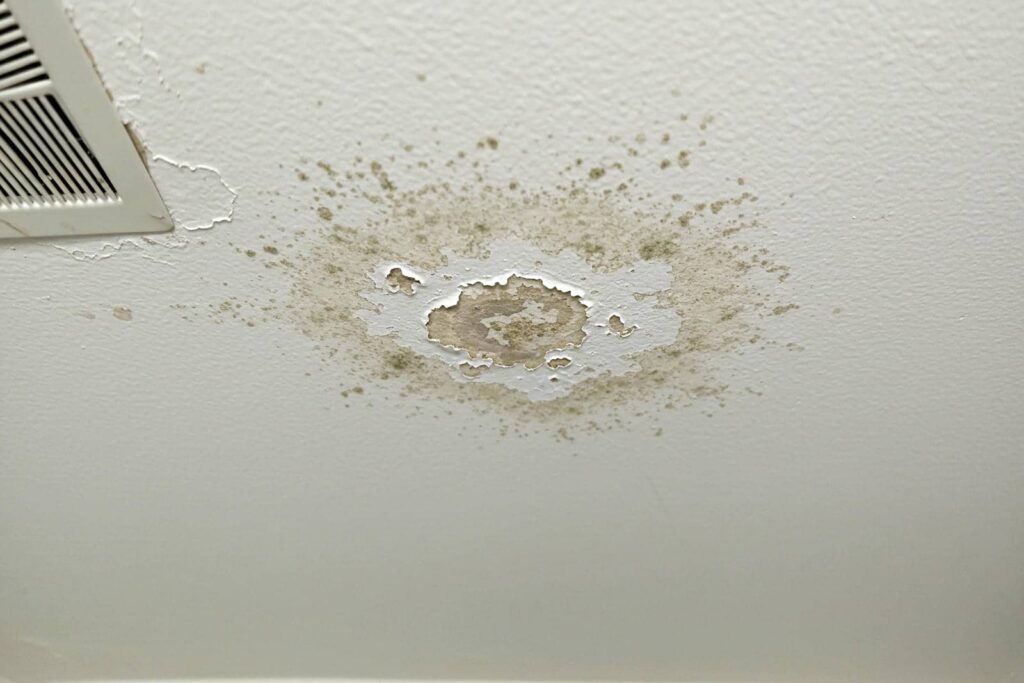
- Conduct a Visual Inspection: Check walls, ceilings, and hidden areas for discoloration or fuzzy growth.
- Use a Moisture Meter: Measure moisture levels in materials, as high readings often indicate mold-friendly conditions.
- Smell for Musty Odors: Notice any persistent musty smells, which can signal hidden mold colonies.
- Inspect HVAC Systems: Check air ducts and filters, as they can harbor mold spores and spread them throughout your space.
Effective Water Extraction Methods
To effectively remove water after flooding, you need to employ specific pumping techniques and dehumidification strategies.
Start by using submersible pumps for large volumes of water and follow up with portable extractors for remaining moisture.
Once excess water is removed, dehumidifiers can help lower humidity levels, preventing mold growth.
Pumping Techniques Explained
Effective water extraction methods are vital in mitigating mold growth after flooding.
Utilizing the right pumping equipment is important for efficient water removal. Here are four key pumping techniques to take into account:
- Submersible Pumps: Ideal for deep water, these pumps can handle large volumes and are easy to operate.
- Trash Pumps: Perfect for muddy or debris-laden water, these pumps are robust and can handle solids.
- Diaphragm Pumps: Great for small, confined spaces, they offer portability and versatility.
- Pumping Safety: Always make sure you wear protective gear and check electrical equipment to avoid hazards.
Dehumidification Strategies Overview
Once water extraction is complete, implementing dehumidification strategies becomes crucial to prevent mold growth in affected areas.
Start by selecting the appropriate dehumidifier types based on the severity of water damage and the size of the space. For smaller areas, a portable dehumidifier can be effective, while larger spaces may require industrial-grade units for ideal humidity control.
Monitor humidity levels regularly, aiming for a range between 30-60% to inhibit mold spores. Additionally, maintain proper ventilation by opening windows and using fans to enhance air circulation.
Combining these methods will create a thorough dehumidification plan, minimizing the risk of mold formation and promoting a safer environment for you and your loved ones.
Stay proactive in your efforts!
Choosing the Right Mold Removal Products
While selecting mold removal products, it’s essential to take into account both the type of mold present and the surfaces affected. Understanding these factors ensures you choose the most effective solutions for your situation.
Here are four key considerations:
- Type of Mold: Identify if it’s toxic or non-toxic. Different molds may require specific treatments.
- Surface Material: Check if you’re dealing with porous materials (like drywall) or non-porous (like tiles), as this influences product effectiveness.
- Chemical Composition: Look for eco-friendly options that effectively kill mold without harsh chemicals, promoting safety for you and your family.
- Application Method: Choose products that suit your preferred application method, whether spray, wipe, or soak.
Step-by-Step Mold Removal Techniques
To successfully remove mold after flooding, follow these five essential steps.
First, gather your removal tools: protective gear, a HEPA vacuum, scrub brushes, and mold removal solutions.
Second, ascertain that the area is well-ventilated; open windows and use fans to circulate air.
Third, identify all affected surfaces. Mold spores can hide in walls, carpets, and furniture, so inspect thoroughly.
Fourth, use your HEPA vacuum to remove loose mold spores from surfaces. For stubborn mold, apply your chosen mold removal solution and scrub the area until it is clean.
Finally, dispose of any contaminated materials safely in sealed bags to prevent further spread.
Drying and Dehumidification Strategies
As you tackle mold removal after flooding, effective drying and dehumidification are vital for preventing further growth.
Implementing the right strategies ensures moisture control and a healthier environment. Here are four key techniques to take into account:
- Increase Ventilation: Open windows and doors to allow fresh air to circulate, reducing humidity levels.
- Use Fans: Position fans strategically to enhance air movement, helping surfaces dry faster.
- Dehumidifiers: Invest in portable dehumidifiers to extract excess moisture from the air. This is essential in enclosed spaces.
- Heating: Utilize heaters to raise the temperature, which can aid in evaporation and speed up the drying process.
Preventing Future Mold Growth
After addressing the immediate mold issue, it’s crucial to implement preventive measures to stop future growth.
Start by investing in mold-resistant materials, such as paints and drywall, which can greatly reduce the likelihood of mold development. When renovating or building, opt for these materials to create a safer environment.
Next, ensure proper ventilation throughout your home. This means installing exhaust fans in bathrooms and kitchens, and opening windows whenever possible to promote airflow.
Check for and repair any leaks in plumbing or roofing, as moisture accumulation is a breeding ground for mold.
Regularly inspect your home for signs of water damage and humidity. Use a dehumidifier in damp areas like basements and crawl spaces to maintain ideal humidity levels.
When to Call in Professional Help
How can you determine when it’s time to call in professional help for mold removal? Recognizing the signs can save you time, effort, and potential health risks.
Here are four key indicators that it’s time to contact mold inspection services or remediation specialists:
- Extensive Growth: If you notice mold covering more than 10 square feet, it’s best to consult professionals.
- Water Damage: After flooding, if the source of moisture isn’t fully resolved, mold can thrive.
- Health Concerns: If you or your family experience respiratory issues or allergic reactions, don’t hesitate to seek help.
- Hidden Mold: If you suspect mold in walls or ceilings, professionals have the tools for thorough inspection and removal.
Frequently Asked Questions
How Long Does It Take for Mold to Grow After Flooding?
Mold growth can start within 24 to 48 hours after flooding, depending on flood damage factors like moisture levels and temperature. You should act quickly to prevent extensive mold issues from developing in your space.
Can I Remove Mold Without Using Chemicals?
Yes, you can remove mold without chemicals using natural remedies like vinegar or baking soda. After removal, ensure proper ventilation and humidity control to prevent mold effectively, creating a healthier space for all.
What Personal Protective Equipment Do I Need?
To ensure your safety, wear protective gear like gloves, masks, and goggles. These safety measures shield you from spores and help create a healthier environment.
Is It Safe to Stay in the House During Mold Removal?
It’s generally unsafe to stay in the house during mold removal due to potential health risks. Follow evacuation guidelines to protect yourself from mold health issues, ensuring a safer environment while professionals handle the removal process.
How Do I Know if Mold Is Completely Gone?
Think of mold like a sneaky shadow; you can’t trust your eyes alone. Conduct mold testing and look for mold indicators like odors and discoloration to ensure it’s completely gone. Trust the process for safety.
Conclusion
In the battle against mold after flooding, acting swiftly is key to safeguarding your home and health. By following the techniques outlined, you can tackle mold head-on and prevent it from returning. Remember, an ounce of prevention is worth a pound of cure; staying vigilant and proactive will save you time and trouble down the line. If the infestation proves too challenging, don’t hesitate to call in the professionals. Your safety and well-being should always come first.
Recent Posts
Guide to Structural Drying After Water Damage
When faced with water damage, it’s essential to act swiftly and methodically. You’ll need to
Effective Structural Drying Techniques After Water Damage
When water damage strikes, can you afford to wait? Effective structural drying is vital to
Top 10 Structural Drying Methods After Water Damage
In the aftermath of water damage, the environment can feel like a sponge, saturated and