
Contents
When you face water damage, steering through the risks of mold becomes vital. Mold thrives in damp environments, making prompt action necessary. Understanding the conditions that promote mold growth can help you minimize health risks. You’ll need to identify signs of infestation early and implement effective preventative measures. However, the complexities of mold remediation require careful consideration. What strategies can ensure a safe, thorough cleanup while safeguarding your environment?
Key Takeaways
- Quickly address water damage to minimize moisture presence and reduce mold growth risk.
- Utilize proper water extraction and drying techniques to expedite moisture removal.
- Conduct visual inspections for musty odors, discoloration, and visible mold signs during repairs.
- Use personal protective equipment (PPE) to ensure safety while handling mold-affected materials.
- Seek professional help for comprehensive mold testing, remediation, and compliance with safety regulations.
Understanding Mold Growth Conditions
When it comes to mold growth, understanding the conditions that foster its development is essential for effective water damage repair. You need to recognize that the mold lifecycle thrives in specific environmental factors like moisture, warmth, and organic materials.
These elements create an ideal breeding ground for mold spores, allowing them to germinate and multiply rapidly. To prevent mold growth, focus on controlling humidity levels and ensuring proper ventilation in affected areas.
The longer moisture remains, the greater the risk of mold establishing itself. Be aware that different types of mold flourish in varying conditions, which means identifying the specific environmental factors at play is vital.
In your efforts to repair water damage, addressing these conditions proactively will help eliminate existing mold and prevent future outbreaks, fostering a healthier living space for you and those around you.
Health Risks Associated With Mold Exposure
Although many people underestimate the impact of mold exposure, it can lead to a range of serious health issues. You might experience various health symptoms, especially if you’re allergic to mold. Common reactions include sneezing, coughing, and itchy eyes, but mold allergies can also trigger more severe conditions, like asthma attacks or respiratory infections.
If you have a compromised immune system, the risks increase considerably, as mold exposure may lead to chronic health problems. Even individuals without prior allergies might develop sensitivity over time, making it essential to take mold seriously.
Being aware of the health risks associated with mold exposure can foster a sense of community responsibility. By addressing mold issues promptly, you protect yourself and those around you.
Taking proactive steps in water damage repair can help create a safer environment for everyone involved.
Identifying Mold Types Commonly Found in Water Damage
Understanding the health risks of mold exposure highlights the significance of identifying the types of mold commonly found in water-damaged areas.
You’ll encounter several common mold varieties during water damage repairs, such as Stachybotrys chartarum, often referred to as black mold, and Aspergillus species, which can appear in various colors.
Utilizing effective mold identification techniques is vital for successful remediation.
Visual inspection can help you spot mold growth, but it’s not always enough. You might consider air sampling or surface testing to confirm mold presence and type.
Identifying these molds helps ensure effective cleanup and protects against potential health hazards.
By recognizing the characteristics of these common mold varieties, you can better safeguard your environment and promote a healthier living space.
Signs of Mold Infestation During Repair
Mold infestation can manifest in various ways during water damage repairs, and recognizing these signs is essential for effective remediation. By using mold detection methods and visual inspection techniques, you can identify potential mold issues early on.
Look out for these key indicators:
- Musty Odors: A persistent, earthy smell can signal hidden mold growth.
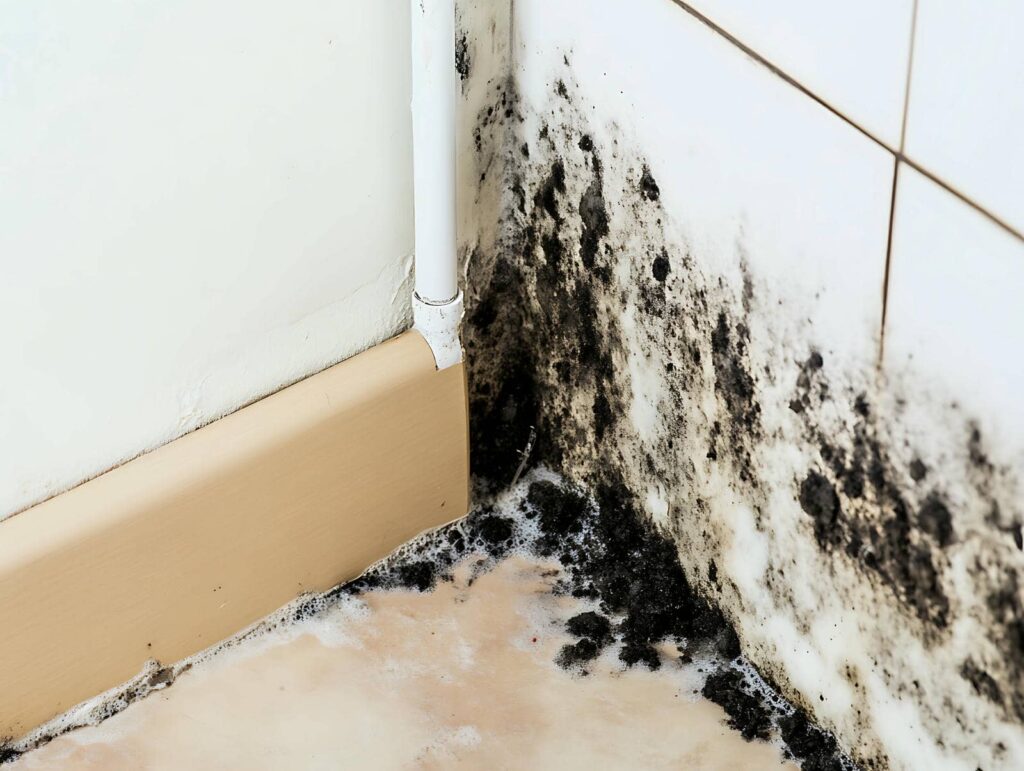
- Discoloration: Stains or blotches on walls, ceilings, or floors may indicate mold presence.
- Warped Surfaces: Bubbling or peeling paint and warped wood can suggest moisture and mold.
- Visible Growth: Any green, black, or white patches on surfaces are clear signs of mold.
Being aware of these signs helps you take prompt action to mitigate mold risks during repairs.
Don’t hesitate to consult professionals if you suspect a significant infestation; early intervention is vital for maintaining a safe and healthy environment.
Preventative Measures for Mold During Water Damage Repair
To effectively prevent mold growth during water damage repair, you need to focus on three key measures: proper water extraction techniques, effective drying solutions, and the use of mold-resistant materials.
By ensuring thorough water removal and rapid drying, you minimize moisture levels that foster mold development.
Additionally, selecting materials designed to resist mold can further safeguard your repair efforts.
Proper Water Extraction Techniques
Effective water extraction techniques are crucial in minimizing mold risks during water damage repair. By implementing proper methods, you’ll ensure a thorough moisture assessment and greatly reduce the potential for mold growth.
Here are key practices to take into account:
Use a high-capacity pump: This allows for rapid removal of standing water.
Employ specialized vacuums: Wet/dry vacuums effectively capture residual moisture from surfaces.
Monitor humidity levels: Utilize hygrometers to track humidity and adjust extraction methods accordingly.
Focus on hidden areas: Don’t forget to check behind walls and under floors, where water can linger unnoticed.
Effective Drying Solutions
When dealing with water damage, implementing effective drying solutions is essential for preventing mold growth.
You should consider using advanced drying technologies, such as high-velocity air movers and infrared drying equipment, to expedite the drying process. These tools not only enhance airflow but also penetrate materials deeply, ensuring thorough moisture removal.
Alongside this, effective dehumidification techniques play a critical role. Utilizing commercial-grade dehumidifiers helps maintain ideal humidity levels, reducing the likelihood of mold spores thriving in damp environments.
Remember, the faster you can dry affected areas, the better your chances are of preventing mold from taking hold.
Mold-Resistant Materials Usage
Utilizing mold-resistant materials is a proactive strategy in water damage repair that can greatly reduce the risk of mold growth.
By implementing these materials, you protect your property and create a healthier living environment.
Here are some key items to evaluate:
Mold-resistant coatings: Apply these to surfaces to create a barrier against moisture.
Durable building materials: Choose materials like fiberglass or treated wood that resist mold growth.
Waterproof drywall: Opt for products designed specifically for high-moisture areas.
Mold-resistant insulation: This helps prevent moisture accumulation, which can lead to mold.
Importance of Proper Ventilation in Affected Areas
Although you mightn’t realize it, proper ventilation plays a critical role in mitigating mold risks during water damage repair. Ensuring effective air circulation allows moisture to evaporate quickly, which is essential in preventing mold growth.
When water damage occurs, stagnant air in affected areas can trap humidity, creating an ideal environment for mold spores to thrive.
Utilizing ventilation systems, such as fans and dehumidifiers, can greatly improve air movement and reduce moisture levels. This proactive approach helps in drying out the space and minimizes the chances of health issues related to mold exposure.
Additionally, maintaining open windows or vents allows fresh air to circulate, further enhancing the drying process. By prioritizing proper ventilation, you create a safer environment for yourself and others, ensuring that your water damage repair is effective and mold-free.
Professional Mold Remediation Services
Even with proper ventilation, mold can still pose a significant threat after water damage occurs.
That’s why professional mold remediation services are essential for ensuring your home remains safe. These experts use advanced mold testing and effective remediation techniques to address the issue thoroughly.
When you enlist professional help, expect them to:
- Assess the extent of mold contamination
- Use specialized equipment for mold testing
- Implement targeted remediation techniques
- Provide guidance on preventing future growth
Steps for Safe Cleanup and Removal
When tackling water damage cleanup, it’s essential to prioritize safety through the use of personal protective equipment.
Implementing effective moisture control strategies can help prevent mold growth, while proper disposal methods ensure contaminated materials are handled correctly.
Personal Protective Equipment
As you prepare for water damage cleanup, wearing the right personal protective equipment (PPE) is essential to safeguarding your health.
Following PPE guidelines ensures you’re protected from mold exposure and other hazards.
When selecting your equipment, consider these key items:
- N95 respirator: Filters out harmful mold spores.
- Gloves: Protect your hands from contaminants and chemicals.
- Goggles: Shield your eyes from debris and mold particles.
- Protective clothing: Wear long sleeves and pants to minimize skin exposure.
Moisture Control Strategies
After confirming you’re protected with appropriate personal protective equipment, the next step in water damage cleanup is implementing effective moisture control strategies.
Begin by conducting thorough moisture monitoring throughout the affected area. Use moisture meters to identify hidden pockets of dampness that could lead to mold growth.
Once you’ve pinpointed these areas, utilize dehumidifiers to maintain humidity control, aiming for levels below 60%.
Air circulation is essential; open windows or use fans to facilitate drying. Regularly check humidity levels to ensure they remain stable.
By actively managing moisture, you safeguard the space and foster a healthier environment for everyone involved.
Taking these steps helps prevent mold proliferation and supports a collective commitment to safety.
Safe Disposal Methods
While effective moisture control is essential, safe disposal methods are equally important in water damage repair to prevent further contamination.
You need to ensure that any materials removed are handled properly to mitigate mold risks. Here are the key steps to follow:
- Use biodegradable bags for non-hazardous items to minimize environmental impact.
- Identify and segregate hazardous waste, such as contaminated drywall or insulation, for proper disposal.
- Wear protective gear, including gloves and masks, during cleanup to avoid exposure.
- Follow local guidelines for hazardous waste disposal to ensure compliance and safety.
Long-term Effects of Mold Exposure on Health
Mold exposure can lead to a variety of long-term health issues that may persist long after the initial exposure has ceased. Many individuals experience chronic respiratory problems, such as asthma or bronchitis, that can considerably affect their quality of life. These conditions often require ongoing medical attention, which can feel isolating and burdensome.
Additionally, research suggests that mold exposure may contribute to cognitive impairment, impacting memory and concentration. This can hinder daily activities and professional performance, leaving you feeling frustrated and disconnected from your community.
It’s essential to recognize these potential long-term effects, as they emphasize the importance of prompt mold remediation. By understanding the risks, you can take proactive steps to protect your health and your sense of belonging within your environment.
Taking action against mold isn’t just about safety; it’s about fostering a healthier, more supportive community for everyone involved.
Frequently Asked Questions
How Quickly Can Mold Start to Grow After Water Damage Occurs?
Mold growth can begin within 24 to 48 hours after water damage occurs. The timeline varies based on factors like humidity, temperature, and material types, so it’s essential that you act quickly to mitigate risks.
Can I Handle Mold Removal Myself or Should I Hire a Professional?
While DIY mold removal can save money, professional services ensure thoroughness and safety. Weigh your options carefully to protect your health and home.
What Tools Do I Need for Mold Inspection During Repairs?
For effective mold inspection, you’ll need essential tools like moisture meters to measure humidity levels. Additionally, using a flashlight, protective gear, and sampling kits ensures thorough examination, helping you identify potential mold issues during repairs.
Is It Safe to Stay in My Home During Mold Remediation?
Is it really safe to stay in your home during mold remediation? Mold health concerns can escalate without proper safety precautions. It’s best to temporarily relocate until professionals verify the environment is safe for you and your family.
How Can I Tell if Mold Is Completely Removed After Repairs?
To ensure mold is completely removed, conduct thorough visual inspections and consider professional mold testing. Look for any signs of growth or musty odors, as lingering issues can indicate that further remediation might be necessary.
Summary
In the midst of water damage repair, you might think mold is just a minor concern, but it can sneak up on you, posing serious health risks. By staying proactive and implementing rigorous moisture control measures, you can prevent mold from becoming a bigger problem. Remember, addressing mold isn’t just about cleanup; it’s about creating a safe, healthy environment for everyone. Don’t let mold catch you off guard—take the necessary steps now to safeguard your home.
Recent Posts
What Are Best Practices for Commercial Mold Inspection?
When it comes to commercial mold inspection, understanding the implications of mold growth is vital
What Are Effective Mold Remediation Techniques?
When it comes to mold remediation, understanding the root causes and effective techniques is vital.
Top 3 Mold Remediation Techniques After Water Damage
After experiencing water damage, addressing mold growth promptly is vital. You’ll need to start by