
Contents
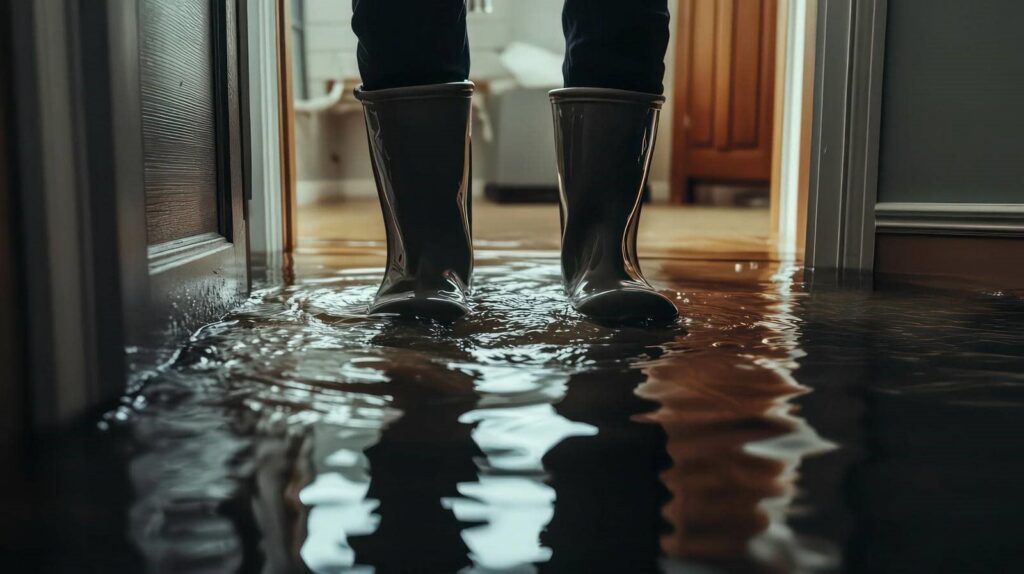
Imagine arriving at your commercial property to find several inches of water covering the floor due to a burst pipe. Your immediate response is essential to mitigate damage and guarantee safety. You’ll need to assess hazards, shut off utilities, and promptly remove standing water. Understanding the detailed steps that follow can greatly impact the recovery process and help safeguard your business from future incidents. Are you prepared to tackle this situation effectively?
Key Takeaways
- Conduct a safety assessment to identify hazards and turn off main water and power supplies to ensure safety during recovery.
- Utilize pumps or wet vacuums to remove standing water quickly, documenting the situation for insurance purposes.
- Inspect for mold growth within 24 to 48 hours, using moisture meters to identify damp areas and involving professionals if necessary.
- Clean and sanitize affected surfaces using effective agents, ensuring thorough drying to prevent bacteria and mold regrowth.
- Document damage thoroughly with photos and inventories, and implement regular maintenance checks to prevent future water damage.
Assess the Situation and Safety Hazards
When facing urgent commercial water damage, the first step is to assess the situation and identify any safety hazards. Conducting a thorough safety assessment guarantees that you prioritize the well-being of everyone involved.
Look for potential hazards such as slippery surfaces, exposed electrical wiring, or structural instability. If you notice anything concerning, it’s essential to alert your team and evacuate the area if necessary.
During your hazard identification process, document any risks you encounter. This not only helps in creating an effective recovery plan but also fosters a sense of shared responsibility among your staff.
Encourage open communication; your team should feel comfortable discussing concerns and contributing to safety measures. By taking these initial steps, you lay the groundwork for a safe and efficient recovery process, reinforcing a culture of safety and teamwork that benefits everyone in your organization.
Shut Off Water Supply and Electricity
Before proceeding with any recovery efforts, it’s essential to shut off the water supply and electricity to prevent further damage and secure safety.
Quickly locate your main water valve and turn it off to stop any ongoing leaks. This vital step helps protect your property from additional flooding and minimizes potential hazards.
Next, guarantee electrical safety by turning off the main power supply. This action prevents electrical shock risks and protects your equipment from damage.
If the area is already flooded, avoid using any electrical appliances or devices until you’re certain everything is safe.
If you’re unsure about shutting off utilities, don’t hesitate to call a professional. Your well-being and the safety of your property are paramount.
Taking these precautions fosters a sense of belonging, as you safeguard not only your space but also the individuals who rely on it.
Remove Standing Water
Act quickly to remove standing water, as even small amounts can lead to significant damage and mold growth.
Start by evaluating the area to determine the extent of the water accumulation. Use effective water removal techniques, such as pumps or wet vacuums, to extract the water efficiently. If you’re dealing with large volumes, consider enlisting professional help for a thorough job.
Remember that standing water risks aren’t just about immediate damage; they can also create unsafe environments for employees and customers.
Ensure you’re equipped with the right tools and protective gear while you work. Thoroughly document the situation for insurance purposes, and communicate with your team about the ongoing recovery efforts.
Extract Moisture From Affected Areas
Once you’ve removed standing water, it’s essential to extract moisture from affected areas effectively.
Using professional equipment guarantees thorough drying, while proper ventilation helps prevent mold growth.
Additionally, monitoring humidity levels will allow you to assess the success of your moisture extraction efforts.
Use Professional Equipment
When dealing with commercial water damage, using professional equipment is vital for effectively extracting moisture from affected areas. Relying on advanced water extraction tools guarantees that you eliminate standing water quickly, preventing further damage.
Industrial dehumidifiers play an important role in this process, as they efficiently remove excess moisture from the air, reducing the risk of mold growth and structural issues. These devices are designed to handle large volumes, making them perfect for commercial spaces.
By investing in professional-grade equipment, you not only enhance recovery efforts but also demonstrate a commitment to maintaining a safe and healthy environment for your employees and clients.
Ensure Proper Ventilation
To effectively extract moisture from affected areas, ensuring proper ventilation is key. Start by opening windows and doors to promote natural airflow.
Utilize ventilation techniques like fans to enhance air circulation, directing airflow toward damp spots. This will help speed up the drying process, reducing the risk of mold growth.
If possible, consider setting up dehumidifiers to work alongside your ventilation strategy, as they can greatly lower humidity levels and further aid in moisture removal.
Regularly check on the airflow and adjust fan placements as needed to maintain ideal conditions.
Monitor Humidity Levels
Monitoring humidity levels is essential for effective moisture extraction in areas affected by water damage. By implementing humidity control measures, you can considerably reduce the risk of mold and structural damage.
Use moisture measurement tools, like hygrometers, to track humidity levels accurately. Aim to maintain indoor humidity between 30% and 50%. If levels exceed this range, deploy dehumidifiers to extract excess moisture promptly.
Regularly check and adjust your equipment to guarantee peak performance. Don’t forget to assess hidden areas, such as behind walls and under carpets, where moisture may linger.
Dry and Dehumidify the Environment
Once you’ve extracted moisture from the affected areas, it’s essential to assess the moisture levels throughout the environment.
Utilizing dehumidification equipment will help you effectively remove lingering humidity, while monitoring air circulation guarantees that the drying process is efficient.
Together, these steps will greatly reduce the risk of mold growth and further damage.
Assess Moisture Levels
As you begin the recovery process from water damage, accurately evaluating moisture levels is essential for effective remediation.
Start with moisture detection tools to identify hidden water pockets that could lead to further damage. Use moisture mapping techniques to visualize moisture distribution throughout your space, guiding your recovery efforts.
Pay close attention to areas like walls, floors, and ceilings, as they may retain moisture even when surfaces appear dry. Document your findings meticulously, as this data will help you track progress and guarantee a thorough drying process.
Engaging with professionals who specialize in moisture evaluation can also enhance your efforts, reinforcing your commitment to restoring your environment and fostering a sense of community throughout the recovery journey.
Utilize Dehumidification Equipment
After evaluating moisture levels, the next step in your recovery process is to utilize dehumidification equipment effectively.
Selecting the right dehumidifier types is essential for ideal moisture control. Portable units work well for smaller areas, while larger, industrial-grade dehumidifiers are suited for extensive damage.
Set these machines to achieve your target humidity levels quickly, ensuring a safe environment for your team and customers. Regularly check the equipment’s performance and empty water collection tanks as needed.
Remember, effective dehumidification not only accelerates drying but also prevents mold growth and structural damage.
Monitor Air Circulation
Effective air circulation is essential in drying and dehumidifying your environment after water damage. By implementing proper airflow techniques, you can considerably speed up the recovery process.
Start by positioning fans strategically to enhance circulation. Ascertain that air is directed towards damp areas, promoting even drying. You might also want to open windows and doors, as long as outdoor humidity levels are low, to facilitate cross-ventilation.
Additionally, consider using circulation methods like air movers, which can help eliminate stagnant air and boost drying efficiency. Regularly monitor humidity levels with a hygrometer to adjust your approach as needed.
Inspect for Mold Growth
When you discover water damage, it’s vital to inspect for mold growth immediately, since mold can develop within 24 to 48 hours in damp environments.
Start by checking areas that retained moisture, such as walls, ceilings, and floors. Look for visible signs like discoloration or a musty odor, which often indicate hidden mold.
Remember, mold not only damages property but also poses serious health risks, including respiratory issues and allergic reactions.
In your inspection, consider using a moisture meter to identify damp spots that aren’t immediately visible.
If you find mold, don’t hesitate to take action; prompt mold prevention is critical for maintaining a safe environment.
Involve a professional if the mold covers a large area or if you’re unsure about the extent of the damage.
Taking these steps helps guarantee the safety and well-being of everyone in your space, fostering a sense of security and belonging.
Clean and Sanitize Surfaces
As you address water damage, it’s essential to clean and sanitize surfaces thoroughly to prevent further complications.
Start by gathering effective cleaning agents that are suitable for the materials in your space. Make sure you choose products that specifically target bacteria, mold, and mildew.
Begin with non-porous surfaces, wiping them down with your chosen agents. Pay particular attention to high-touch areas like doorknobs, light switches, and countertops.
For porous materials, consider steam cleaning or specialized sanitizing solutions to eliminate hidden contaminants.
After applying cleaning agents, follow up with a surface sanitization process to guarantee all harmful pathogens are eradicated.
Rinse surfaces with clean water if needed, and allow them to air dry completely. This thorough approach not only promotes a healthy environment but also reinforces your commitment to maintaining a safe space for everyone involved.
Your diligence in cleaning sets the foundation for effective recovery.
Repair Structural Damage
Once surfaces are cleaned and sanitized, the next step involves addressing any structural damage caused by water intrusion.
You’ll want to assess the affected areas thoroughly to gauge the extent of the damage to guarantee the structural integrity of your property remains intact. Look for signs of warping, mold growth, or compromised beams that may require immediate attention.
Next, gather the appropriate repair materials tailored to the specific damage. This might include plywood, drywall, or insulation, ensuring each material meets industry standards for durability.
If the damage is significant, consider consulting a structural engineer to provide expert guidance on necessary repairs.
Taking these steps not only restores your space but also fosters a sense of security and belonging within your community.
Document and Report Damage
To effectively manage water damage recovery, documenting and reporting the damage promptly is essential. This process not only helps in expediting repairs but also guarantees compliance with reporting standards.
Follow these steps for efficient documentation:
Take Photos: Capture clear images of the affected areas, including water levels and visible damage.
Create a Detailed Inventory: List all damaged items, specifying their condition and estimated replacement costs.
Record Dates and Times: Note when the damage occurred and when you initiated the recovery process; this aids in tracking progress.
Compile Relevant Documents: Gather insurance policies, contracts, and any previous maintenance records to support your claims.
Implement Preventive Measures
To safeguard your property from potential water damage, regular maintenance checks are essential.
By identifying and addressing vulnerabilities early, you can prevent costly repairs down the line.
Additionally, having a well-structured emergency response plan guarantees your team is prepared to act swiftly in case of an incident.
Regular Maintenance Checks
While water damage can strike unexpectedly, implementing regular maintenance checks can greatly reduce the risk of costly repairs and disruptions.
By prioritizing preventive maintenance and routine inspections, you can guarantee your property remains protected. Here are four essential checks to take into account:
Inspect Roofs and Gutters: Regularly clear debris and check for leaks to prevent water pooling.
Assess Plumbing Systems: Look for leaks, corrosion, or signs of wear in pipes and fixtures.
Examine HVAC Units: Verify drainage systems are functioning properly to avoid water buildup.
Test Sump Pumps: Regularly check and maintain sump pumps to ensure they operate effectively during heavy rains.
Emergency Response Plan
Having a solid emergency response plan is essential for minimizing the impact of water damage when it occurs. Start by identifying your key emergency contacts, including local water damage specialists and utility companies.
Assemble a dedicated response team that understands their roles and responsibilities during a crisis. Make sure everyone is trained and familiar with the plan, so they can act quickly and efficiently.
Regularly review and update the plan to incorporate any changes in your facility or contact information. By fostering a culture of preparedness, you’ll create a sense of belonging and teamwork among your staff.
Frequently Asked Questions
How Quickly Should I Start the Recovery Process After Water Damage?
You should start the recovery process immediately after water damage occurs. Conduct a damage assessment right away to identify affected areas, ensuring you minimize further issues and protect your property effectively. Time is essential in these situations.
Can I Handle Water Damage Recovery Myself?
You can attempt water damage recovery yourself, but consider a case where a DIY approach led to mold growth. Without proper water extraction techniques, DIY restoration risks can escalate, making professional help often the safer choice.
What Equipment Is Needed for Effective Water Damage Recovery?
For effective water damage recovery, you’ll need extraction pumps to remove excess water and dehumidifiers for moisture control. These tools help restore your space efficiently, ensuring a thorough and professional approach to the situation.
How Do I Find a Reliable Water Damage Restoration Company?
To find a reliable water damage restoration company, check local reviews, ask about their experience with water damage signs, and make certain they offer thorough restoration services. Trust your instincts—your home deserves the best care possible.
What Insurance Coverage Typically Applies to Water Damage Claims?
Most insurance policies cover water damage caused by sudden incidents, like burst pipes. However, they often exclude damage from long-term issues, such as leaks. Always review your policy details to guarantee you’re adequately protected.
Summary
Prompt and precise action is pivotal in preventing persistent problems after commercial water damage. By swiftly evaluating, shutting off utilities, and removing standing water, you set the stage for successful recovery. Don’t forget to diligently dry, clean, and document to safeguard your space and streamline insurance claims. Finally, implementing proactive preventive measures will protect your property from future flooding fiascos. Stay vigilant, act decisively, and guarantee your business bounces back stronger than ever.
Recent Posts
Guide to Structural Drying After Water Damage
When faced with water damage, it’s essential to act swiftly and methodically. You’ll need to
Effective Structural Drying Techniques After Water Damage
When water damage strikes, can you afford to wait? Effective structural drying is vital to
Top 10 Structural Drying Methods After Water Damage
In the aftermath of water damage, the environment can feel like a sponge, saturated and