
Contents
When it comes to commercial mold inspection, you can’t overlook the significance of best practices. Conducting thorough visual inspections is just the beginning. You also need to employ advanced detection tools and gather samples for lab analysis. Documenting your findings clearly is essential, as is implementing effective remediation protocols. Each step plays an important role in ensuring a thorough approach. But what happens if you skip even one of these practices?
Key Takeaways
- Conduct thorough visual inspections in moisture-prone areas to identify visible mold signs and potential growth conditions.
- Utilize advanced detection tools like moisture meters and infrared cameras to uncover hidden mold and moisture issues.
- Collect diverse air and surface samples using sterile tools for accurate lab analysis of mold presence.
- Document findings meticulously with standardized reports, including visual evidence and actionable remediation recommendations.
- Implement appropriate remediation protocols based on inspection results, involving professionals for extensive mold issues.
Conduct a Thorough Visual Inspection
When you conduct a thorough visual inspection, you’ll want to start by examining areas prone to moisture and mold growth, such as basements, bathrooms, and around windows.
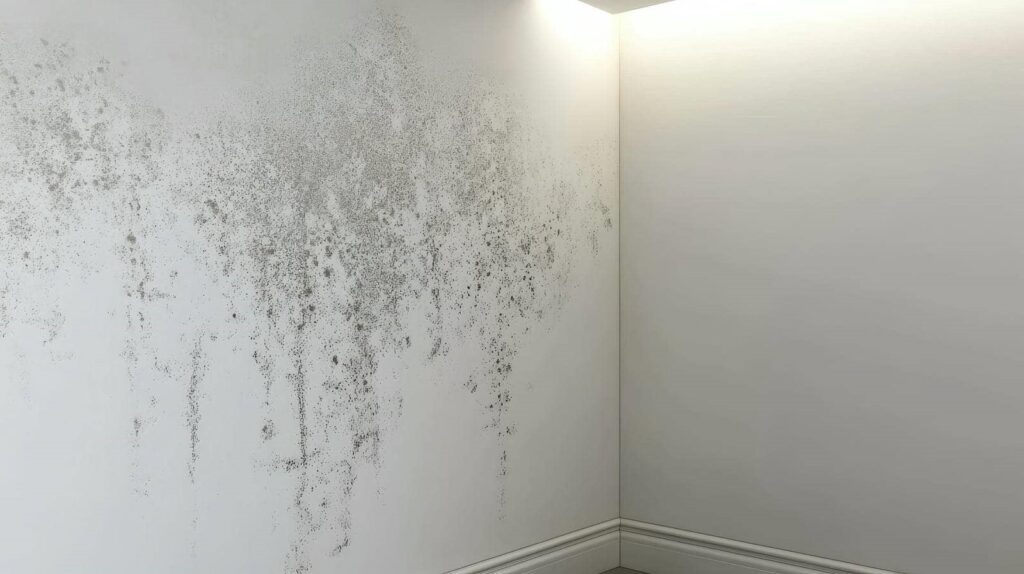
Use effective inspection techniques to identify visible signs of mold, including discoloration on walls, fuzzy patches on surfaces, or a musty odor. Pay close attention to water stains, as these often indicate past leaks or ongoing moisture issues that encourage mold proliferation.
Don’t overlook hidden spaces like behind appliances or inside cabinets, where mold can thrive unnoticed.
Document your findings meticulously and take note of any conditions that may lead to mold growth, such as poor ventilation or excessive humidity.
This careful approach enhances your detection efforts and fosters a sense of community among stakeholders invested in maintaining a safe and healthy environment.
Use Advanced Mold Detection Tools
Utilizing advanced mold detection tools can greatly enhance your inspection process and improve accuracy in identifying mold problems.
By integrating cutting-edge mold detection technology, you can detect hidden mold and moisture issues that traditional methods might miss.
Here are three essential tools to take into account:
Moisture Meters: These devices measure moisture levels in various materials, helping you identify potential mold growth areas.
Infrared Cameras: They provide thermal imaging to spot temperature differences, indicating moisture accumulation behind walls or ceilings.
Air Quality Monitors: These advanced monitoring tools assess indoor air quality, detecting mold spores and other allergens in the environment.
Collect Comprehensive Samples for Lab Analysis
Advanced mold detection tools set the stage for the next critical step: collecting thorough samples for lab analysis.
Accurate sample collection is essential for identifying mold species and evaluating the extent of contamination. Begin by selecting diverse locations within the affected area; this ensures you capture a range of mold types and concentrations.
Use sterile tools to avoid cross-contamination, and consider both air and surface samples for an all-encompassing evaluation.
Label each sample meticulously, noting the location and conditions at the time of collection. This attention to detail aids in the interpretation of lab analysis results.
When you send samples to a reputable lab, make certain they follow established protocols for testing.
Document Findings With Detailed Reports
To ensure effective communication of your findings, it’s essential to document your observations and results in detailed reports.
Using standardized report templates streamlines the process and ensures consistency across your documentation. Following established documentation standards helps convey professionalism and accuracy, which can foster trust among stakeholders.
Consider including the following key components in your reports:
Summary of Findings: Clearly outline the main issues identified during the inspection.
Visual Evidence: Incorporate photographs or diagrams to support your observations and make complex information more digestible.
Recommendations: Provide actionable insights for remediation, tailored to the specific conditions of the site.
Implement Remediation Protocols Based on Inspection Results
Once you’ve documented your findings, it’s crucial to implement remediation protocols tailored to the specific issues identified during the inspection.
Start by analyzing the inspection outcomes to determine the severity and type of mold present. This analysis will guide you in selecting appropriate remediation strategies that address both the immediate problem and the underlying causes.
For minor infestations, targeted cleaning and dehumidification may suffice. However, for extensive mold issues, you might need to involve professionals who specialize in thorough remediation.
Make sure that your protocols include safety measures, such as protective gear and adequate ventilation, to safeguard everyone involved.
Regularly reassess the effectiveness of your strategies and adjust them as necessary. By doing so, you enhance the safety and health of your environment and foster a sense of community commitment to maintaining a mold-free space.
This proactive approach builds trust and assurance among stakeholders.
Frequently Asked Questions
How Often Should Commercial Properties Undergo Mold Inspections?
You should schedule mold inspections for your commercial property at least annually. This mold inspection frequency ensures effective commercial property maintenance, preventing potential issues and fostering a safe environment for occupants and visitors alike.
What Certifications Should a Mold Inspector Have?
When choosing a mold inspector, look for certifications like IICRC or AMIA. These qualifications ensure they’re knowledgeable and skilled, giving you peace of mind that your property’s safety is in capable hands.
Are There Specific Regulations for Mold Inspections?
Yes, there are specific mold regulations and inspection standards that you should follow. These guidelines ensure thorough assessments, safety, and compliance within your industry, helping you maintain a healthy environment for occupants and stakeholders alike.
How Can Tenants Report Suspected Mold Issues?
You can report suspected mold issues by initiating tenant communication with your landlord. Document any findings with photos and detailed notes, ensuring you maintain a clear record of your concerns for effective resolution and accountability.
What Are the Potential Health Effects of Mold Exposure?
Exposure to mold can lead to various health risks, including respiratory issues, allergic reactions, and mold symptoms like headaches or fatigue. It’s essential to address mold promptly to protect your well-being and that of others.
Wrap-Up
Prioritizing proper practices in mold inspection is paramount. By performing precise visual assessments, using cutting-edge detection devices, and collecting robust samples, you can ensure a thorough evaluation. Documenting your discoveries diligently and deploying effective remediation strategies will not only safeguard your space but also streamline the solution process. Remember, a proactive approach paves the path to a healthier environment, so embrace these essential elements to effectively combat commercial mold challenges and protect your property.
Recent Posts
Top 10 Structural Drying Methods After Water Damage
In the aftermath of water damage, the environment can feel like a sponge, saturated and
Why Prioritize Best Practices in Mold Inspection?
You might find it coincidental that mold can thrive in the very spaces you consider
What Are Best Practices for Commercial Mold Inspection?
When it comes to commercial mold inspection, understanding the implications of mold growth is vital