
Contents
When it comes to commercial mold remediation after floods, understanding the necessary steps is essential for effective recovery. Start by evaluating the damage to identify damp areas and mold growth risks. Ensuring safety precautions are important to protect yourself and your team during the process. Once you’ve reviewed the situation, you’ll need to focus on removing moisture effectively. These initial steps set the stage for a thorough remediation plan that can safeguard your property from future issues.
Key Takeaways
- Conduct a thorough assessment of damage, focusing on moisture levels and potential health risks to prioritize remediation efforts effectively.
- Ensure safety precautions are in place, including PPE, ventilation, and electrical safety, to protect workers during the remediation process.
- Remove moisture quickly using dehumidifiers and fans, and inspect insulation and drywall for trapped moisture to prevent mold growth.
- Identify and contain mold growth by sealing off affected areas, using negative air pressure machines, and restricting access to trained personnel.
- Implement preventative measures such as regular HVAC maintenance, moisture control, and staff training to reduce the risk of future mold infestations.
Assessing the Damage
When you discover mold in a commercial space, the first step is to evaluate the damage to determine the extent of the infestation.
Begin by identifying damage types, which can include structural harm, compromised materials, or health risks associated with mold exposure. Use assessment methods like visual inspections, moisture meters, and air quality testing to gather vital data.
Check areas prone to dampness, like basements or around HVAC systems, as these spots often harbor mold.
Document your findings meticulously; this will aid remediation planning and ensure that all affected areas are addressed.
After evaluating the damage, categorize it by severity to prioritize your response effectively.
Ensuring Safety Precautions
When tackling mold remediation, you must prioritize safety precautions to protect yourself and others.
Wearing appropriate personal protective equipment, ensuring proper ventilation, and following electrical safety measures are essential steps.
Personal Protective Equipment
Personal Protective Equipment (PPE) is vital for anyone involved in mold remediation. To ensure your safety, you must wear appropriate protective gear, including gloves, goggles, and a respirator.
These items shield you from harmful spores and irritants commonly found in mold-infested environments. Always follow established safety protocols, which dictate the specific types of PPE required based on the contamination level.
For instance, a higher level of respiratory protection might be necessary in severely affected areas. Remember, investing in quality protective gear enhances your team’s safety and fosters a culture of responsibility.
Proper Ventilation Techniques
To ensure a safe mold remediation process, proper ventilation is essential. Effective air circulation helps to minimize mold spores and create a healthier environment.
Here are key strategies to enhance your ventilation systems:
- Make sure all windows and doors are open to promote natural airflow.
- Use exhaust fans to direct stale air outside.
- Position air movers strategically to maximize circulation in affected areas.
- Monitor humidity levels with hygrometers to maintain ideal conditions.
- Conduct regular inspections of ventilation systems to ensure functionality.
Electrical Safety Measures
While addressing mold issues, prioritizing electrical safety measures is essential to prevent hazards such as fires or electrocution. Start by conducting thorough circuit inspections to identify any potential electrical hazards. Disconnect all power sources before beginning any remediation work.
Here’s a quick reference table for your electrical safety measures:
| Safety Measure | Description |
|---|---|
| Disconnect Power | Turn off the power to the affected areas |
| Inspect Circuits | Check for damage or moisture |
| Use GFCI Outlets | Prevent shock in wet conditions |
| Hire Professionals | Consult licensed electricians |
Removing Moisture Effectively
Since moisture is a primary contributor to mold growth, effectively removing it is essential for successful remediation.
Implementing proper moisture control and drying techniques can greatly decrease the risk of mold returning. Here are some steps you should follow:
- Identify water sources to prevent further moisture accumulation.
- Use dehumidifiers to lower humidity levels in the affected area.
- Employ fans and air movers to enhance drying speed.
- Inspect insulation and drywall for trapped moisture, and replace if necessary.
- Monitor humidity levels frequently to ensure they remain within a safe range.
Identifying Mold Growth Areas
To effectively identify mold growth areas, you should focus on common locations such as basements, bathrooms, and behind appliances.
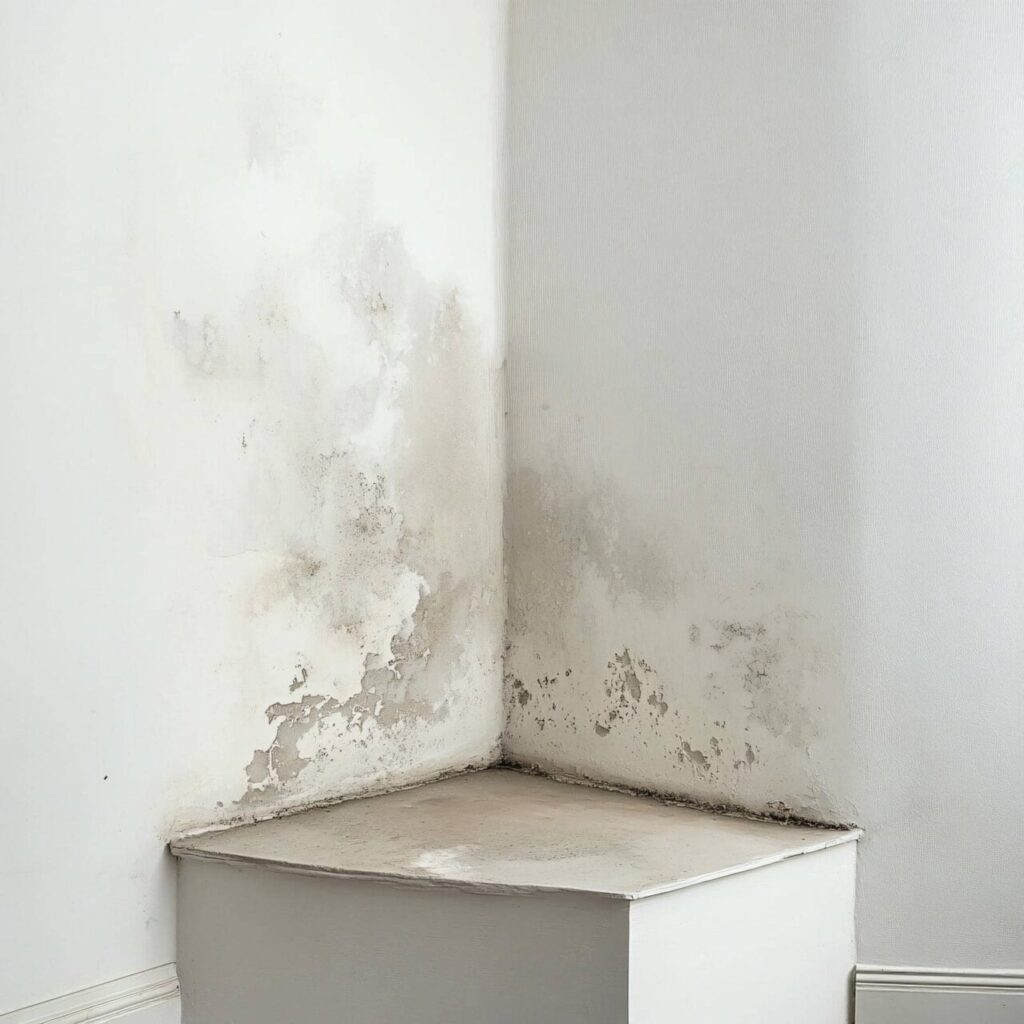
Conducting a thorough visual inspection is essential; look for discoloration, water stains, and any musty odors that may indicate hidden mold.
Common Mold Locations
Mold can thrive in various locations within commercial spaces, making it essential to identify these areas early to prevent extensive damage and health risks.
Knowing the common mold hotspots allows you to act swiftly. Be vigilant in checking:
- Basements and crawl spaces
- Bathrooms and kitchens
- Around HVAC systems
- Under sinks and pipes
- Areas with poor ventilation
These damp areas are breeding grounds for mold, potentially impacting your employees’ health and your business’s reputation.
By addressing mold hotspots promptly, you foster a safe and healthy environment for everyone involved.
Visual Inspection Techniques
Conducting a thorough visual inspection is essential for identifying potential mold growth areas in commercial spaces.
Start by looking for visual cues such as discoloration on walls, ceilings, and floors. Check high-moisture areas like bathrooms, kitchens, and around HVAC systems.
Inspect hidden spots, including behind furniture and under sinks, where mold might thrive unnoticed. Pay attention to water stains, which can indicate past leaks and potential mold presence.
Use a flashlight to illuminate darker areas, ensuring you don’t miss any signs. Document your findings meticulously to guide further mold inspection processes.
Containing the Affected Space
When dealing with mold remediation, containing the affected space is essential to prevent spores from spreading throughout the building.
Implementing effective mold containment strategies ensures the safety of your team and protects the integrity of your facility.
Follow these steps for effective flood damage containment:
- Seal off the area using plastic sheeting to create barriers.
- Use negative air pressure machines to filter out spores.
- Restrict access to only trained personnel.
- Clearly mark the contaminated zones with warning signs.
- Maintain a controlled environment to minimize cross-contamination.
Cleaning and Disinfecting Surfaces
Effective cleaning and disinfecting of surfaces is essential in mold remediation to eliminate any remaining spores and prevent regrowth. Start by selecting appropriate cleaning solutions specifically designed for mold removal. These solutions typically contain antifungal agents that effectively target mold spores.
Once you’ve chosen your cleaning solutions, apply them generously to all affected surfaces. Use scrub brushes or sponges to physically remove mold, ensuring you reach into crevices and corners where spores may hide.
After scrubbing, employ suitable disinfecting methods, such as using a mixture of water and bleach or commercial disinfectants that are effective against mold.
Remember to follow manufacturer instructions for both cleaning solutions and disinfectants to maximize effectiveness and safety. Always wear appropriate personal protective equipment, like gloves and masks, to safeguard your health.
Using Professional Mold Remediation Services
If you’re facing a significant mold problem, using professional mold remediation services can be an important step in restoring your environment.
Professionals bring vital expertise and detailed mold assessments that identify the extent of the issue. This ensures effective remediation and helps you regain peace of mind.
Consider these benefits of hiring experts:
Thorough Mold Assessment: They pinpoint hidden mold sources you might miss.
Advanced Equipment: Professionals use specialized tools for effective removal.
Safety Measures: They follow strict safety protocols to protect your health.
Comprehensive Solutions: Experts craft tailored plans for long-term prevention.
Time Efficiency: Professionals work quickly, minimizing downtime for your business.
Implementing Preventative Measures
After addressing existing mold issues with professional remediation, it’s important to implement preventative measures to safeguard your environment against future infestations.
Start by adopting effective preventative strategies focused on moisture control. Make sure that your building’s HVAC system is properly maintained and regularly serviced, as this helps regulate humidity levels.
Seal any cracks or gaps in walls, windows, and doors to prevent water intrusion. Use dehumidifiers in areas prone to dampness, and install sump pumps in basements if necessary. Regularly inspect plumbing for leaks and address them immediately to minimize moisture accumulation.
Additionally, consider using mold-resistant materials during renovations, especially in high-risk areas like bathrooms and kitchens.
Educate your staff about the importance of promptly reporting any signs of water damage or excessive humidity. By taking these proactive steps, you’ll create a healthier environment and greatly reduce the risk of mold returning.
Monitoring and Maintenance After Remediation
Once mold remediation is complete, ongoing monitoring and maintenance are essential to ensure that the problem doesn’t recur.
Implementing effective mold monitoring and maintenance strategies creates a safer environment for everyone involved. You’ll foster a sense of community and well-being when you prioritize these efforts.
Consider these key strategies to keep mold at bay:
- Regularly inspect areas prone to moisture.
- Utilize dehumidifiers to maintain ideal humidity levels.
- Schedule routine professional assessments to catch issues early.
- Ensure proper ventilation in high-risk areas.
- Educate your team about mold signs and prevention.
Frequently Asked Questions
How Long Does Mold Remediation Usually Take?
Mold remediation timelines can vary, but you should expect it to take anywhere from a few days to a couple of weeks, depending on the extent of mold growth and the specific conditions involved.
Can I Do Mold Remediation Myself?
You can attempt mold remediation yourself using DIY techniques, but it’s essential that you follow safety precautions. Without proper equipment and knowledge, you risk spreading spores or facing health hazards, so consider professional help for extensive infestations.
What Are the Costs Associated With Mold Remediation?
Mold remediation costs vary based on the extent of mold growth and the chosen remediation techniques. Factors like inspection fees, labor, and materials can greatly impact the total expense, so it’s essential to budget accordingly for effective solutions.
Will My Insurance Cover Mold Remediation Expenses?
You might think insurance policies cover everything, but mold remediation expenses depend on your coverage limits. Check your policy details; some have exclusions or caps, so understanding your specific coverage is essential to avoid surprises.
How Can I Tell if Mold Is Toxic?
To tell if mold’s toxic, use mold identification techniques like visual inspection and air sampling. Watch for toxic mold symptoms such as respiratory issues or skin irritation, which indicate a potentially hazardous environment. Always prioritize your health.
Summary
In the battle against mold after flooding, proactive measures are your best allies. By evaluating damage, ensuring safety, and effectively removing moisture, you set the stage for successful remediation. Don’t just treat the symptoms; contain the problem and employ professionals if needed. As you implement preventative strategies, think of your property as a fortress against future infestations. Remember, regular monitoring and maintenance are your watchful sentinels, guarding against mold’s insidious return.
Recent Posts
Guide to Structural Drying After Water Damage
When faced with water damage, it’s essential to act swiftly and methodically. You’ll need to
Effective Structural Drying Techniques After Water Damage
When water damage strikes, can you afford to wait? Effective structural drying is vital to
Top 10 Structural Drying Methods After Water Damage
In the aftermath of water damage, the environment can feel like a sponge, saturated and