
Contents
Mold exposure can lead to serious health issues, particularly for those with existing conditions. You may experience respiratory problems, skin irritations, or even chronic fatigue from prolonged contact. Understanding how mold affects different populations is vital, especially when addressing the risks it poses. As you consider these implications, it’s important to recognize the specific symptoms and long-term effects that could impact your well-being. What steps can you take to protect yourself?
Key Takeaways
- Mold exposure can cause respiratory issues, including persistent coughing, sneezing, and difficulty breathing.
- Skin irritations such as rashes and inflamed patches may develop from contact with mold.
- Eye irritation, including redness and itching, is a common symptom of mold exposure.
- Vulnerable populations, like infants and the elderly, face higher health risks from mold exposure.
- Prolonged exposure can lead to chronic fatigue, headaches, and other systemic symptoms.
Understanding Mold and Its Types
Mold is a type of fungus that thrives in damp environments, and understanding its various types is essential for recognizing potential health risks.
You’ll encounter several mold types, each exhibiting distinct characteristics. For instance, Aspergillus is common in indoor settings and can lead to respiratory issues. Stachybotrys, often referred to as black mold, poses significant health concerns and typically grows in areas with excessive moisture.
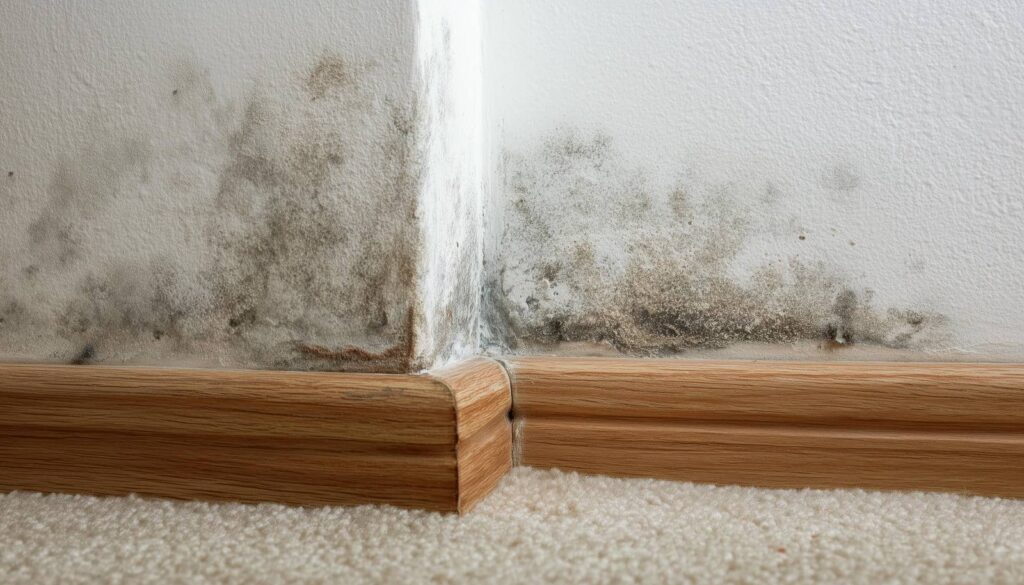
Effective mold identification starts with visual inspection; you’ll want to check for discoloration on walls, ceilings, and other surfaces. The smell of mustiness is another indicator of mold presence.
Knowing these types and their traits empowers you to take action before they escalate into health hazards. By familiarizing yourself with mold characteristics, you can create a safer environment for yourself and your loved ones, ensuring that your living space promotes well-being and belonging.
Symptoms of Mold Exposure
Recognizing the types of mold is the first step in safeguarding your health. When exposed to mold, you may experience a range of symptoms that can affect your daily life.
By understanding these symptoms, you can take appropriate action using mold identification techniques and mold testing methods.
Here are some common symptoms of mold exposure:
- Persistent cough or sneezing
- Nasal congestion or a runny nose
- Skin irritation or rashes
- Eye irritation, such as redness or itching
- Fatigue or headaches
If you recognize these signs, it’s essential to identify the source of the mold and address it promptly.
Being proactive helps you feel better and fosters a healthier environment for you and your loved ones.
Vulnerable Populations
Certain groups of people are at a higher risk of health issues caused by mold exposure. These high-risk groups include infants, the elderly, and individuals with pre-existing health conditions like asthma or compromised immune systems.
You might be surprised to learn that genetics can also play a role; some people are genetically predisposed to greater mold susceptibility factors.
Pregnant women should be particularly cautious, as mold exposure can affect both maternal health and fetal development.
Additionally, people experiencing chronic stress or mental health issues may find their resilience weakened, making them more vulnerable to the adverse effects of mold.
Understanding these vulnerabilities is essential for creating a safe living environment for everyone. By recognizing who’s most at risk, you can take proactive steps to protect yourself and your loved ones from potential health hazards associated with mold exposure.
Respiratory Issues Linked to Mold
Exposure to mold can trigger a range of common respiratory symptoms, including coughing, sneezing, and difficulty breathing.
If left unaddressed, these issues may lead to long-term health effects, such as chronic respiratory conditions and decreased lung function.
Understanding these risks is essential for maintaining your respiratory health in mold-prone environments.
Common Respiratory Symptoms
When mold spores enter your respiratory system, they can trigger a range of symptoms that may considerably impact your health.
It’s important to recognize these symptoms early through mold identification techniques and respiratory health assessments.
Common respiratory symptoms you might experience include:
- Persistent coughing
- Wheezing or shortness of breath
- Nasal congestion or sinus pressure
- Sore throat or irritation
- Frequent headaches
These symptoms can affect your daily life, making it vital to address any mold exposure promptly.
If you notice these signs, consider evaluating your environment for mold and seeking professional guidance to ensure your respiratory health remains intact.
Understanding these symptoms is the first step in fostering a safe and healthy living space.
Long-term Health Effects
Long-term mold exposure can lead to serious respiratory issues that persist long after the initial contact. You might develop chronic illnesses such as asthma, bronchitis, or other lung conditions. These issues often stem from prolonged inhalation of mold spores, which irritate your airways and lungs.
Additionally, some individuals experience neurological effects like memory loss or difficulty concentrating, further complicating their quality of life. It’s important to recognize that the risk isn’t limited to those with pre-existing conditions; even healthy individuals can suffer long-term consequences.
If you suspect mold exposure, addressing it promptly is essential. By understanding these risks, you can take proactive steps to protect your health and create a safer environment for yourself and your loved ones.
Skin Reactions and Allergies
When exposed to mold, you might notice various skin reactions, including rashes or irritation.
These responses often stem from allergic sensitivities that your body develops over time.
Understanding these skin issues is essential for managing your health and preventing further complications.
Common Skin Reactions
Mold exposure can lead to various skin reactions, often manifesting as rashes, itching, or hives. Recognizing these reactions is essential for your health and comfort.
Here are some common skin issues you might encounter:
- Red, inflamed patches
- Persistent dryness or flaking
- Raised welts or bumps
- Itchiness that disrupts daily activities
- Discoloration or changes in skin texture
To manage these reactions, employ effective mold identification techniques to eliminate sources of exposure.
Additionally, remember these skin care tips: cleanse gently, moisturize regularly, and avoid known irritants.
Allergic Sensitivities Explained
Allergic sensitivities often arise when your immune system reacts to mold spores, leading to various skin reactions and other symptoms.
Common allergy triggers include mold spores that can cause rashes, hives, or eczema. When exposed, your body perceives these spores as threats, resulting in an immune response that can manifest as itching or swelling.
These reactions often create discomfort, making daily activities challenging. Understanding your sensitivity to mold is essential in managing these symptoms effectively.
Long-Term Health Effects
Although many people may not realize it, long-term exposure to mold can lead to serious health issues that persist long after the initial contact.
You might experience symptoms that greatly affect your quality of life, including:
- Persistent chronic fatigue that drains your energy
- Cognitive impairment impacting memory and focus
- Respiratory problems are worsening over time
- Skin irritations or rashes that don’t heal
- Frequent headaches that disrupt daily activities
These effects can manifest subtly at first, but they may escalate as exposure continues.
You might find yourself feeling increasingly fatigued or having trouble concentrating, making it hard to engage in daily tasks or social activities.
Understanding these long-term risks is essential; it’s not just about immediate reactions.
Taking proactive measures can help you maintain a healthier living environment and safeguard your well-being.
Mold Exposure During Water Damage Repair
Water damage creates an environment ripe for mold growth, particularly during repair efforts. When you tackle water damage, it’s essential to conduct a thorough mold assessment before starting any repairs. This step helps identify existing mold and potential hazards, ensuring you’re not unknowingly exposing yourself to harmful spores.
Using effective remediation techniques is important during this process. These techniques often involve proper ventilation, containment strategies, and the use of personal protective equipment.
Each of these measures minimizes your risk of inhaling mold spores or coming into contact with contaminated materials.
Prevention and Remediation Strategies
To effectively combat mold growth, implementing prevention and remediation strategies is essential.
You can take several proactive steps to ensure your environment remains healthy and mold-free.
Here are some effective mold prevention and remediation techniques you can adopt:
Control Humidity: Keep indoor humidity below 60% using dehumidifiers and air conditioners.
Fix Leaks Promptly: Repair any plumbing or roof leaks immediately to prevent moisture accumulation.
Use Mold-Resistant Products: When renovating, opt for mold-resistant paints and materials.
Improve Ventilation: Ensure proper airflow in areas like bathrooms and kitchens by using exhaust fans.
Regular Cleaning: Clean and dry any damp areas regularly, focusing on high-risk zones like basements and crawl spaces.
When to Seek Medical Attention
Recognizing when to seek medical attention after mold exposure is essential for your health. If you experience persistent symptoms like cough, wheezing, or skin irritation, don’t hesitate to consult a healthcare professional. Understanding mold identification techniques can help you assess the potential risks in your environment. Adhering to health monitoring guidelines is vital, especially if you have pre-existing conditions such as asthma or allergies.
| Symptoms | Action Required |
|---|---|
| Persistent cough | Consult a doctor |
| Skin irritation | Seek medical advice |
| Shortness of breath | Emergency care needed |
| Frequent headaches | Schedule a health evaluation |
Monitoring your symptoms and recognizing serious signs will empower you to take control of your health. Remember, it’s better to be safe and get checked than to risk complications from mold exposure.
Frequently Asked Questions
Can Mold Exposure Cause Psychological Issues or Cognitive Effects?
Mold exposure can lead to mold anxiety and even cognitive decline. You might experience difficulties with memory and concentration, impacting daily life. It is crucial to address mold issues promptly to safeguard your mental well-being.
Is It Safe to Return Home After Mold Remediation?
After mold remediation, ensure your home’s air quality is tested and confirmed safe. Once professionals verify remediation safety, you can return home confidently, knowing you’ve taken steps to protect your health and well-being.
Are All Types of Mold Harmful to Health?
Not all mold types are harmful, but some, like toxic molds, can pose serious health risks. It is crucial to identify the specific mold present to assess its potential impact on your well-being effectively.
How Quickly Can Symptoms Appear After Mold Exposure?
Imagine stepping into a damp room; symptoms can surface within hours or even days, depending on exposure duration. Typically, symptom onset varies, so staying vigilant is essential to protect your health and well-being.
Can Pets Be Affected by Mold Exposure?
Yes, pets can definitely be affected by mold exposure. You might notice pet symptoms like sneezing or skin irritation. Just like humans, they can develop mold allergies, impacting their health and overall well-being.
Wrap-Up
Mold exposure can greatly impact your health, especially if you’re part of a vulnerable group. While it might seem like a minor inconvenience, ignoring mold can lead to serious, long-term health issues. So, don’t let a little mold be the silent invader in your home; take action to prevent and remediate it. By staying informed and proactive, you can protect yourself and your loved ones from its harmful effects. After all, a healthy home is a happy home.
Recent Posts
Top Tips for Effective Mold Remediation After Flooding
Imagine a family returning home after a flood, only to discover mold creeping along their
Essential Steps for Mold Remediation After Flooding
After flooding, addressing mold remediation is vital to prevent health risks and further damage. You’ll
Top Mold Remediation Strategies Post-Flooding
Is it true that effective mold remediation can greatly reduce health risks after flooding? Understanding