
Contents
Mold removal might seem straightforward, but it’s often likened to maneuvering through a hidden labyrinth—one wrong turn can lead to serious health risks. When you follow specific steps, you protect your health and safeguard your property. Each phase, from evaluating the mold’s extent to implementing future prevention strategies, plays a vital role. Understanding these steps is fundamental for effective remediation. What’s the first action you should take to ensure a safe and thorough process?
Key Takeaways
- Following these steps minimizes health risks by protecting individuals from harmful mold spores and chemicals during the removal process.
- Regular inspections help identify mold early, preventing extensive damage and costly repairs in the future.
- Containing the affected area effectively stops mold spores from spreading to unaffected spaces, ensuring a thorough cleanup.
- Removing moisture sources is crucial, as it addresses the root cause of mold growth and prevents future infestations.
- Educating household members fosters awareness and encourages prompt action against mold, promoting a healthier living environment.
Assessing the Extent of Mold Growth
Before you tackle mold removal, it’s important to assess the extent of mold growth in your space.
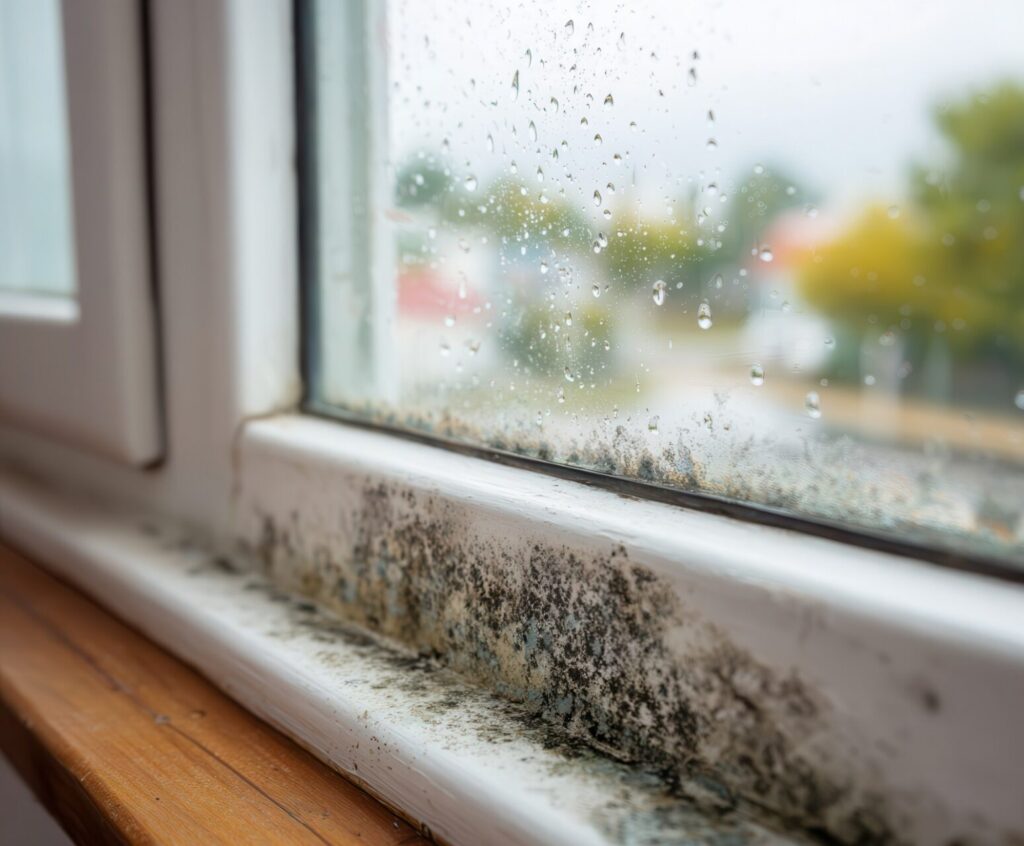
Start by examining visible areas like walls, ceilings, and floors. Look for discoloration, spots, or any fuzzy growth, which often indicates mold presence.
Don’t forget to check hidden spaces, such as behind appliances, under sinks, and inside closets. These areas can harbor mold without obvious signs.
Next, take note of any musty odors, as they can signal hidden mold. Use a moisture meter to measure humidity levels; mold thrives in damp conditions.
If you suspect the mold covers a significant area—greater than 10 square feet—consider seeking professional help, as larger infestations require specialized attention.
Document your findings, as this information will guide your removal strategy and help facilitate a thorough approach.
Ensuring Personal Safety and Protective Gear
When dealing with mold removal, ensuring your personal safety and wearing appropriate protective gear is essential. Mold spores can cause various health issues, including respiratory problems and allergic reactions. To protect yourself, start with a quality N95 respirator or a full-face respirator. These masks filter out harmful particles, allowing you to breathe safely.
Next, wear gloves made of material resistant to mold and chemicals, like nitrile or rubber, to prevent skin contact. Long-sleeve shirts and pants also provide an added layer of protection. Additionally, goggles can shield your eyes from irritation caused by mold spores.
It’s vital to fully equip yourself before starting the removal process. By prioritizing your safety, you protect your health and foster a sense of community responsibility.
After all, safe practices contribute to a healthier environment for everyone.
Containing the Affected Area
To effectively manage mold removal, you must first contain the affected area to prevent spores from spreading to other parts of your home. Begin by sealing off the area with plastic sheeting, ensuring no gaps for spores to escape. This creates a safe zone for effective mold removal without risking further contamination.
| Step | Description |
|---|---|
| Identify the Area | Locate all visible mold and affected zones. |
| Seal Off the Area | Use plastic sheeting to enclose the area. |
| Create Negative Pressure | Use fans to direct air outside if possible. |
| Limit Foot Traffic | Restrict access to the contained area. |
| Monitor Conditions | Regularly check for any signs of spreading. |
Removing Moisture Sources
To effectively combat mold, you need to remove sources of moisture in your environment.
Start by identifying any water sources, such as leaks or condensation, and repair them promptly.
Additionally, improving your ventilation systems can greatly reduce humidity levels and prevent future mold growth.
Identify Water Sources
Identifying water sources is essential for effective mold removal, as moisture is the primary catalyst for mold growth. To tackle this, you need to investigate your environment thoroughly. Check areas like basements, kitchens, and bathrooms. Look for leaks, condensation, or any humidity issues. Here’s a quick guide to help you pinpoint problem areas:
| Area | Common Sources | Action Needed |
|---|---|---|
| Bathroom | Shower, sink leaks | Inspect and fix leaks |
| Kitchen | Refrigerator, pipes | Check for drips |
| Basement | Groundwater, humidity | Use dehumidifiers |
Repair Leaks Promptly
When leaks are left unaddressed, they can create an ideal environment for mold to thrive. To combat this, you need to repair leaks promptly.
Inspect plumbing, roofs, and windows regularly, ensuring any signs of water damage are treated immediately. Even small leaks can lead to significant moisture buildup over time.
Addressing these issues quickly prevents mold growth and protects your property’s integrity. Remember, mold spores can proliferate within 24 to 48 hours in moist conditions, so every moment counts.
Improve Ventilation Systems
Improving ventilation systems is essential for removing moisture sources that can lead to mold growth. Proper airflow helps regulate humidity levels, making your living space less hospitable to mold.
You should check your existing vents and consider installing exhaust fans in areas prone to dampness, such as kitchens and bathrooms. Additionally, using dehumidifiers can further reduce humidity, especially in basements.
Regularly clean and maintain your ventilation systems to ensure they’re functioning efficiently. By creating a well-ventilated environment, you combat mold growth and contribute to overall air quality, fostering a healthier home.
Cleaning and Disinfecting Surfaces
To effectively tackle mold contamination, cleaning and disinfecting surfaces is essential.
Start by gathering necessary supplies, including gloves, masks, and cleaning agents specifically designed to combat mold. Use a solution of water and detergent to scrub affected areas thoroughly, ensuring you remove all visible mold.
After scrubbing, it’s important to disinfect these surfaces with a solution containing at least 70% isopropyl alcohol or a commercial mold disinfectant.
Pay special attention to porous materials, as mold can penetrate deeper than you might expect.
Once you’ve cleaned and disinfected, allow surfaces to dry completely to prevent future growth. Regularly check these areas for signs of moisture or mold resurgence, as ongoing vigilance is essential for maintaining a healthy environment.
Proper Disposal of Contaminated Materials
Once you’ve identified contaminated materials, it’s essential to dispose of them properly to prevent further mold spread.
Use sealed bags to contain items like drywall, carpets, or insulation before discarding them.
Always follow local regulations for hazardous waste to ensure safe disposal.
Identify Contaminated Materials
As you assess your environment for mold contamination, identifying affected materials is essential for effective remediation.
Look closely at areas with visible mold growth or water damage. Common materials that may harbor mold include drywall, insulation, carpets, and wooden structures.
Pay attention to porous surfaces, as they can trap moisture and mold spores, making them harder to remediate.
Additionally, check hidden spaces like behind appliances, inside walls, and under sinks, where moisture often accumulates unnoticed.
Document your findings, noting the extent of contamination and the specific materials affected.
This information will guide your remediation efforts and ensure you address all sources of mold effectively, fostering a healthier environment for you and those around you.
Safe Disposal Methods
When it comes to disposing of contaminated materials, following safe and effective methods is essential to prevent further mold spread and ensure personal safety.
First, seal contaminated items in plastic bags or containers to avoid spore release during removal. Label these containers clearly to inform others of the contents.
Next, don’t throw away contaminated materials in regular trash—check local regulations for hazardous waste disposal sites. If you’re dealing with large items, consider hiring professionals who specialize in mold remediation.
Always wear protective gear when handling contaminated materials to shield yourself from exposure.
Implementing Prevention Strategies for the Future
To ensure that mold doesn’t return after removal, you need to implement effective prevention strategies tailored to your environment. Here are some key strategies to take into account:
| Strategy | Action Steps | Frequency |
|---|---|---|
| Control Humidity | Use dehumidifiers and exhaust fans | Daily/Weekly |
| Regular Inspections | Check for leaks or damp spots | Monthly |
| Proper Ventilation | Ensure air circulation in rooms | Continuous |
| Clean & Maintain | Regularly clean areas prone to mold | Weekly |
| Educate Household | Teach family about mold prevention | Ongoing |
Review
Following these steps for safe mold removal isn’t just about cleaning; it’s about protecting your health and home. Remember, thorough cleaning and proactive prevention safeguard your living space and promote a healthier environment for everyone in your household.
Recent Posts
Steps for Urgent Commercial Water Damage Recovery
Imagine arriving at your commercial property to find several inches of water covering the floor
Guide to Structural Drying After Water Damage
When faced with water damage, it’s essential to act swiftly and methodically. You’ll need to
Effective Structural Drying Techniques After Water Damage
When water damage strikes, can you afford to wait? Effective structural drying is vital to