
Contents
Just as a hidden fire can smolder beneath the surface, mold can silently develop after water damage. If you’ve experienced flooding or leaks, it’s essential to recognize that mold can thrive within 24 to 48 hours. Ignoring this risk could lead to serious health issues for you and others. Understanding the importance of a thorough mold inspection can make a significant difference in protecting your environment and well-being. What steps should you take next?
Key Takeaways
- Mold can begin to grow within 24 to 48 hours after water damage, posing a health risk to occupants.
- Professional inspections can detect hidden mold infestations that may not be visible but could still cause health issues.
- Mold exposure can lead to respiratory problems and allergic reactions, particularly affecting sensitive individuals like children and the elderly.
- Experts utilize specialized equipment to identify moisture levels and assess the extent of mold contamination accurately.
- Timely inspections and remediation can prevent costly repairs and health complications associated with prolonged mold exposure.
Understanding the Risks of Mold Growth After Water Damage
When you experience water damage, it’s important to understand that mold can begin to grow within 24 to 48 hours if the conditions are right. Various mold types, such as Aspergillus, Stachybotrys (black mold), and Penicillium, thrive in damp environments, posing significant health effects.
Exposure to these molds can lead to respiratory issues, allergic reactions, and other health complications, especially for sensitive individuals like children and the elderly.
Recognizing the risk of mold growth is essential for your safety and well-being. You mightn’t see mold initially, but its spores can spread quickly and contaminate your living space.
If you’ve dealt with water damage, prioritizing mold inspection is important to mitigate these risks. Understanding the potential health effects associated with different mold types empowers you to take proactive measures, ensuring a safe and healthy environment for you and your loved ones.
Signs Indicating the Need for Mold Inspection
After experiencing water damage, you should be vigilant for specific signs that indicate the need for a mold inspection.
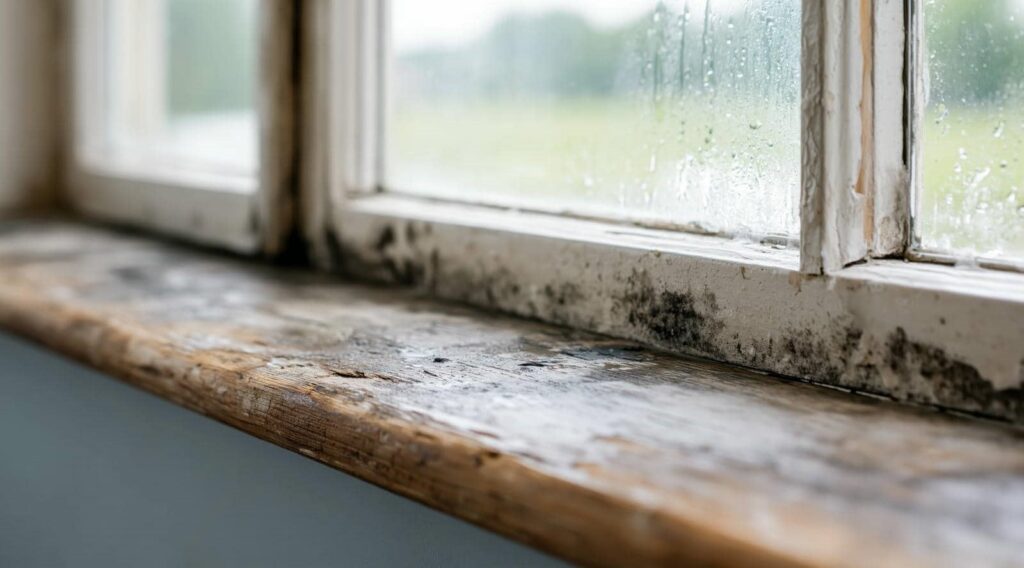
First, if you notice a musty odor, it often signifies mold presence, even if it’s not visible. Look for discoloration on walls or ceilings, which could suggest various mold types, including black mold or aspergillus.
Additionally, check for water stains or bubbling paint, as these can indicate moisture retention conducive to mold growth.
Pay attention to any sudden allergic reactions among occupants, like sneezing or respiratory issues, as many mold types can trigger health effects.
If you see any visible mold growth, don’t hesitate to seek a professional inspection. Recognizing these signs early can prevent further damage and health risks, ensuring a safe living environment.
Your proactive approach is essential in maintaining your home’s integrity and your family’s well-being.
The Importance of Professional Mold Assessment
While you might be tempted to handle mold issues on your own, a professional mold assessment is essential for ensuring a thorough and accurate evaluation of your home’s condition.
Experts utilize advanced inspection techniques that identify visible mold and hidden infestations, which could lead to health risks. They can distinguish between various mold types, including allergenic, toxic, and pathogenic molds, each with unique implications for your well-being.
A trained professional knows how to use specialized equipment, such as moisture meters and air quality tests, to assess the extent of mold growth effectively.
This precision can save you time and money in the long run by addressing the root cause rather than just the symptoms. Ultimately, a professional mold assessment fosters a sense of security and belonging, knowing your home is safe and healthy for you and your loved ones.
The Mold Remediation Process: What to Expect
Understanding the mold remediation process is vital for effectively restoring your home after water damage.
First, professionals conduct thorough mold inspections using advanced inspection techniques to identify affected areas. Next, they contain the mold to prevent further spread, often sealing off the contaminated space.
Once containment is established, they’ll begin mold removal. This includes cleaning surfaces with specialized solutions and, if necessary, removing and replacing damaged materials like drywall or insulation.
After the removal, they’ll implement drying equipment to eliminate moisture, which is important for preventing future growth.
Finally, a post-remediation inspection ensures all mold is eradicated and verifies that your home is safe again.
Throughout this process, communication with the remediation team is key. They’ll guide you, making sure you understand each step and feel confident in the restoration of your safe living environment.
Preventative Measures to Avoid Future Mold Issues
To prevent future mold issues, it’s vital to maintain a dry environment in your home. Start with moisture control by regularly checking areas prone to dampness, like basements, bathrooms, and kitchens.
Make sure that your HVAC system is functioning correctly and consider using dehumidifiers in high-humidity areas.
Repair any leaks immediately to minimize water accumulation, and inspect your roof and plumbing regularly.
Proper ventilation is essential; use exhaust fans in bathrooms and kitchens to disperse humidity.
Additionally, consider using mold prevention products on surfaces that are frequently exposed to moisture.
When cleaning, employ products designed to inhibit mold growth.
Frequently Asked Questions
How Quickly Should a Mold Inspection Occur After Water Damage?
You should schedule a mold inspection within 24 to 48 hours after water damage. Quick action minimizes mold growth and keeps your environment safe. Adhering to this inspection timeline ensures you address potential health risks promptly.
Can I Conduct a Mold Inspection Myself?
You can conduct a mold inspection yourself, but be cautious. DIY inspection risks include misidentifying mold types. Utilizing proper mold identification techniques is essential for accurate assessment, ensuring you effectively address any potential hazards.
What Tools Are Needed for a Professional Mold Inspection?
Like a detective in a mystery, you’ll need mold testing equipment such as air samplers, moisture meters, and surface sampling kits. Employing effective inspection techniques ensures you uncover hidden threats lurking in your environment.
Are Certain Types of Mold More Harmful Than Others?
Yes, certain mold types, like black mold, can be toxic and pose serious health risks. It’s crucial to identify these molds during inspections to ensure a safe living environment and protect your well-being.
How Much Does Mold Inspection Typically Cost?
Mold inspection costs typically range from $300 to $800, influenced by factors like property size and location. With many homes facing mold issues, investing in an inspection ensures your family’s health and safety.
Summary
Mold inspection after water damage is as essential as a smoke detector in a fire-prone area. It helps you identify hidden mold that can lead to serious health issues. By prioritizing professional assessments, you can safeguard your property and your loved ones from the risks associated with mold growth. Taking prompt action prevents costly remediation down the line and ensures a safe and healthy living environment. Don’t wait—act quickly to protect your space.
Recent Posts
3 Best Mold Prevention Drying Tips
When moisture lingers, mold can start growing in less than 48 hours, so your drying
Structural Drying for Flooded Property Restoration
When water invades a structure, both speed and strategy matter. Flooded property restoration starts by
What Is Structural Drying After Flooding
The majority of flood damage problems can worsen when moisture remains trapped in building materials,