
Contents
You might find it coincidental that mold can thrive in the very spaces you consider safe and comfortable. Understanding the risks associated with mold is vital, especially when it can silently compromise your health and property value. Regular inspections are a key component in this process, yet many overlook their importance. What if you could prevent extensive damage and costly repairs with just a few proactive steps? Let’s explore why prioritizing best practices in mold inspection is essential.
Key Takeaways
- Best practices in mold inspection ensure early detection, preventing health risks and costly damage to property.
- Regular inspections following established protocols help maintain a safe living environment and protect occupant well-being.
- Utilizing advanced detection methods enhances accuracy in identifying hidden mold issues, leading to effective remediation.
- Thorough documentation during inspections aids communication and supports informed decision-making for remediation strategies.
- Prioritizing best practices preserves property value and market appeal, deterring potential buyers from mold-related concerns.
Understanding Mold and Its Risks
When you think about mold, it’s essential to recognize that it’s not just an unsightly nuisance; it poses significant health risks and structural challenges.
Understanding the various mold types, like black mold or Aspergillus, helps you identify potential threats in your environment. Each type can produce allergens, irritants, and mycotoxins, leading to a range of health impacts. You might experience respiratory issues, skin irritations, or even neurological symptoms, particularly if you’re sensitive or allergic.
Mold thrives in damp, warm areas, making kitchens and bathrooms prime locations for growth. By being aware of these factors, you can better protect yourself and your loved ones.
The Importance of Regular Inspections
Regular inspections are essential for catching mold issues early, which can save you time and money in the long run.
By staying proactive, you can mitigate health risks associated with mold exposure and protect your property’s value.
Ignoring these inspections can lead to more extensive damage and costly repairs down the line.
Early Detection Benefits
Mold inspection plays a crucial role in maintaining a healthy living environment, and early detection can prevent costly damage and health risks. By understanding the mold lifecycle, you can identify potential issues before they escalate.
Regular inspections using advanced detection methods—like moisture meters and infrared cameras—help you spot hidden mold growth, which is often overlooked. This proactive approach preserves your property and fosters a sense of community, ensuring a safe space for you and your loved ones.
Staying ahead of mold problems means investing in your home’s longevity and your peace of mind. Remember, the sooner you detect mold, the easier it is to manage and eliminate, creating a healthier living environment for everyone.
Health Risk Mitigation
Ignoring mold growth can lead to considerable health risks, making frequent inspections essential for your well-being.
Mold exposure can cause various health effects, from respiratory issues to skin irritation, impacting your quality of life. Regular inspections allow you to identify and address mold issues before they escalate, protecting both you and your loved ones.
By implementing effective prevention strategies—like controlling moisture and ensuring proper ventilation—you can considerably reduce the risk of mold forming in your space.
It’s not just about reacting to problems; it’s about fostering a healthy environment where everyone feels safe and comfortable.
Prioritize inspections and take proactive steps to safeguard your health and the health of those around you. Your commitment to regular assessments truly matters.
Property Value Protection
When you neglect mold inspections, you risk your health and the value of your property.
Mold can silently wreak havoc, leading to costly repairs and diminished appeal in the property market. Regular inspections safeguard your investment by identifying issues before they escalate, ensuring your home remains a valuable asset.
Buyers are increasingly vigilant; a history of mold problems can deter potential offers and diminish your property’s worth.
By prioritizing mold inspections, you’re not just maintaining a safe environment; you’re also enhancing your investment longevity. Protecting your property’s value ensures you’ll feel secure in your home and confident in its market position, fostering a sense of belonging in your community.
Don’t overlook this vital aspect of homeownership.
Key Indicators of Mold Infestation
Numerous signs can indicate a mold infestation in your home or workplace. One of the first things you might notice is a musty odor, which can stem from various mold types thriving in hidden corners.
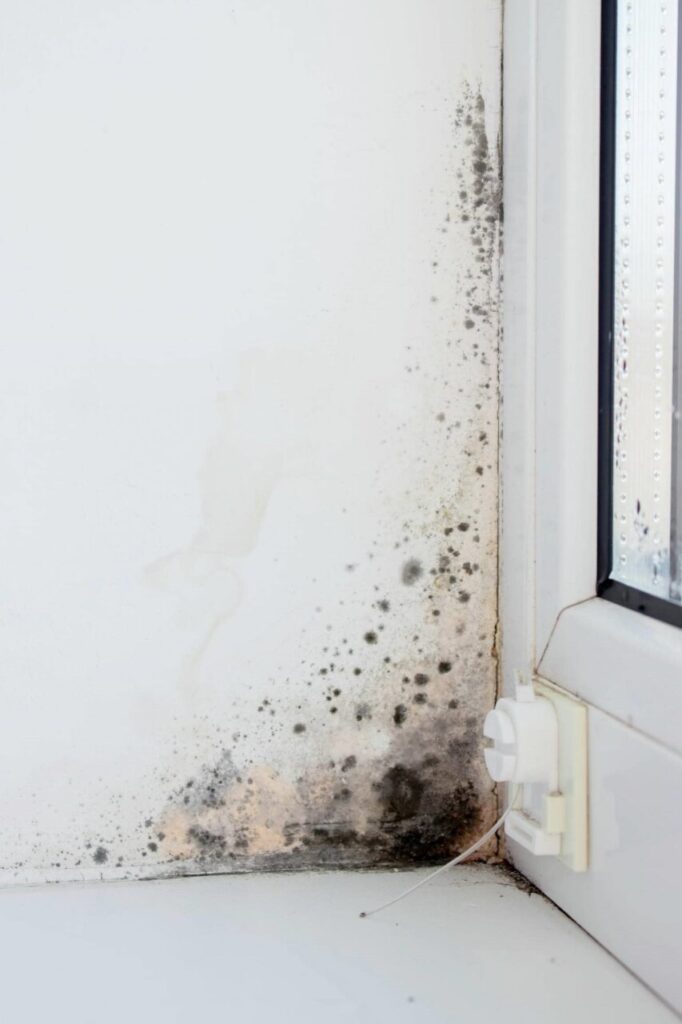
Pay attention to any visible growth, often appearing as fuzzy spots in shades of black, green, or white. Water damage is another major indicator; if you’ve experienced leaks or flooding, check for dark patches on walls or ceilings.
Additionally, you should be aware of any unexplained health issues, such as respiratory problems or allergic reactions, as they can signal the presence of mold spores in the air.
It’s crucial to examine areas with high humidity, like bathrooms or basements, since these are prime locations for infestation signs.
Utilizing Professional Inspection Services
When it comes to mold inspection, utilizing professional services offers you the expertise and knowledge needed to identify hidden issues.
Trained inspectors employ advanced techniques, like thermal imaging and air sampling, to ensure a thorough assessment of your property.
Expertise and Knowledge
Although you might be tempted to tackle mold inspection on your own, utilizing professional inspection services can greatly enhance the accuracy and effectiveness of the process.
Experts have a deep understanding of mold biology and use advanced inspection techniques to ensure thorough assessments. Here’s why you should consider their expertise:
Comprehensive Knowledge: Professionals understand various mold species and their health impacts.
Advanced Tools: They use specialized equipment to detect hidden mold and moisture sources.
Accurate Reporting: Professional assessments provide detailed reports, helping you make informed decisions.
Effective Remediation Plans: Experts can recommend tailored solutions based on their findings.
Advanced Inspection Techniques
Professional mold inspectors employ a variety of advanced techniques that greatly enhance the detection and analysis of mold in your environment. They utilize advanced tools like thermal imaging cameras and moisture meters to identify hidden mold growth and moisture issues that you might overlook.
These inspection methods allow them to assess areas behind walls and under floors without invasive procedures. Additionally, many inspectors conduct air quality tests, providing a thorough overview of mold spores present in your space.
Implementing Standardized Inspection Protocols
Implementing standardized inspection protocols is essential for ensuring consistent and thorough assessments in mold inspection. By adhering to these established procedures, you enhance the quality of your inspections and build trust with your clients.
Here’s how you can achieve inspection consistency:
Define Clear Guidelines: Set specific steps for each inspection phase, from visual assessments to sampling techniques.
Train Your Team: Ascertain that everyone involved is well-versed in these protocols to minimize errors and miscommunication.
Use a Checklist: Implement a detailed checklist to systematically address all potential mold sources during inspections.
Regularly Review Procedures: Continuously evaluate and update your protocols based on new findings and best practices to stay ahead in the field.
The Role of Technology in Mold Detection
Technology plays a pivotal role in enhancing mold detection, making inspections more efficient and accurate. With advanced mold technology, you can utilize various detection methods that were previously unimaginable.
For instance, infrared cameras reveal hidden moisture behind walls, while air sampling devices detect mold spores in the air, giving you a clearer picture of potential issues.
Moreover, moisture meters allow you to pinpoint damp areas quickly, ensuring you address problems before they escalate. Incorporating these tools streamlines your inspection process and fosters trust within your community.
When clients see you using state-of-the-art technology, they feel reassured that you’re committed to thorough and reliable inspections.
Safety Precautions for Inspectors
When conducting mold inspections, prioritizing safety is paramount. Protecting yourself ensures your well-being and your effectiveness as an inspector.
Here’s a concise list of essential safety precautions you should follow:
Wear appropriate safety gear: Always use respirators, gloves, and goggles to shield yourself from mold spores and chemicals.
Complete thorough inspector training: Knowledge of mold types and health risks enhances your ability to navigate inspections safely.
Assess the area first: Check for structural integrity and potential hazards before entering, assuring you’re aware of your surroundings.
Have a safety plan: Develop a clear emergency protocol for any unforeseen situations, including evacuation routes and communication methods.
Documenting Findings for Effective Remediation
While thorough documentation may seem like an extra step, it’s crucial for effective mold remediation. Proper documentation techniques help you capture essential information about the extent of the mold problem, including affected areas and moisture sources. This detailed record serves as a foundation for your remediation planning, ensuring that no critical aspects are overlooked.
By consistently documenting your findings, you create a clear pathway for communication among team members and stakeholders. Detailed notes facilitate informed decisions, allowing everyone involved to understand the scope and necessary actions.
Additionally, documentation acts as a reference for future inspections, helping you track progress and evaluate the effectiveness of remediation efforts.
In the end, thorough documentation supports the remediation process and fosters a sense of belonging within your team, promoting collaboration and shared goals. Prioritizing this practice will ultimately lead to more successful outcomes in mold remediation.
Continuous Education and Training for Inspectors
As mold inspection practices evolve, staying updated through continuous education and training becomes essential for inspectors. Ongoing training sharpens your skills and ensures you’re equipped with the latest knowledge and techniques.
This commitment to learning fosters a sense of belonging in a community dedicated to excellence. Here are four key benefits of investing in ongoing training and inspector certifications:
Enhanced Knowledge: Stay informed about new mold types and remediation methods.
Improved Skills: Refine your inspection techniques through hands-on training sessions.
Industry Credibility: Achieving certifications boosts your reputation among peers and clients.
Networking Opportunities: Connect with fellow inspectors and industry experts through training programs.
Frequently Asked Questions
How Can I Find a Qualified Mold Inspection Professional?
To find a qualified mold inspection professional, check their inspector qualifications, ask about their mold inspection techniques, and read reviews. Connecting with local associations can also help you identify reputable experts in your area.
What Certifications Should I Look for in a Mold Inspector?
Look for mold inspector qualifications like IICRC or ACM certification. These certifications ensure the inspector is trained in best practices, emphasizing the importance of inspection certification for accurate assessments, thorough remediation recommendations, and ultimately, your peace of mind.
How Much Does Mold Inspection Typically Cost?
Mold inspection pricing typically ranges from $300 to $1,000, depending on your home’s size and complexity. Average inspection costs can vary, but investing in quality can save you from expensive mold-related disasters down the line.
What Should I Do if Mold Is Found During Inspection?
If you find mold during inspection, take immediate action: seal off affected areas, ensure proper ventilation, and contact professionals for mold remediation. A prompt response can prevent further damage and ensure a healthier environment for everyone.
How Often Should I Schedule Mold Inspections for My Property?
Think of mold growth like weeds in a garden; if unchecked, it spreads quickly. Schedule mold inspections at least annually, or biannually in high-risk areas, to maintain a healthy environment and prevent costly damage.
Review
By prioritizing best practices in mold inspection, you protect your health and property and enhance its market value. Regular inspections can catch these problems before they escalate, saving you from costly repairs and health risks. Investing in professional services and standardized protocols ensures thorough detection and effective remediation, creating a safer environment for you and your loved ones. Don’t wait—act now!
Recent Posts
Top 10 Structural Drying Methods After Water Damage
In the aftermath of water damage, the environment can feel like a sponge, saturated and
Top 5 Commercial Mold Inspection Best Practices
When it comes to commercial mold inspection, you can’t overlook the significance of best practices.
What Are Best Practices for Commercial Mold Inspection?
When it comes to commercial mold inspection, understanding the implications of mold growth is vital