
Contents
Commercial Water Damage requires a fast, organized response to reduce downtime, protect assets, and prevent long-term property issues. Begin by assessing the source and extent of the damage, ensuring the area is safe, and documenting affected areas for insurance and recovery planning. Immediate water extraction, professional drying, moisture monitoring, and cleaning help prevent mold growth, structural damage, and further business disruption. Developing a proactive response plan and addressing vulnerabilities can help safeguard your commercial property and improve recovery when water emergencies occur.
Key Takeaways
- Conduct a thorough risk assessment to identify water sources and potential hazards before initiating recovery efforts.
- Engage professional water extraction services for efficient and effective removal of excess water from affected areas.
- Document all damage with photographs and detailed notes to support insurance claims and restoration plans.
- Implement rapid drying techniques with high-powered fans and dehumidifiers to prevent mold growth and further damage.
- Schedule routine maintenance and inspections of plumbing and drainage systems to prevent future water damage incidents.
Assess the Situation Immediately
As soon as water damage occurs, it’s essential to assess the situation immediately to mitigate further loss. Start with a thorough risk assessment; identify the source of the water and any potential hazards.
Look for standing water, which can lead to mold, and check for electrical issues that may pose safety risks. Next, conduct a damage evaluation to determine the extent of the impact on your property and assets. Document everything with photos and notes, as this will be vital for insurance claims.
Involve your team in this process; their insights can provide a broader understanding of the damage. Prioritize affected areas based on their importance to your operations.
Shut Off Water Supply and Electricity
To prevent further damage during a water crisis, it’s crucial to shut off the water supply and electricity as soon as possible.
Start by locating the main water valve, usually found near the water meter. Turn it clockwise to stop the flow. This action minimizes additional flooding and protects your property.
Next, prioritize electrical safety. Locate your electrical panel and switch off the main breaker. This step helps prevent electrical hazards and protects your appliances from potential damage caused by water exposure.
If you’re unsure about handling electrical components, it’s best to wait for a professional.
Document the Damage Thoroughly
When it comes to documenting water damage, take clear photographs and videos to capture the extent of the destruction.
Make sure to keep detailed records of all affected areas, including dates and descriptions of the damage.
This thorough documentation will be invaluable for insurance claims and recovery efforts.
Use Photographs and Videos
Capturing clear photographs and videos of the damage is essential for effective recovery after water damage. Start by taking wide-angle shots to showcase the overall impact, then focus on specific areas with close-ups.
This photographic documentation serves as a visual record, helping you communicate the extent of the damage to insurance companies and restoration professionals. Don’t forget to create video assessments that illustrate the situation in real-time; this can provide deeper context than still images alone.
Use natural light when possible to ensure clarity, and label each file with the date and location. By methodically documenting the damage, you’ll enhance your recovery process and foster a sense of belonging within your community as you navigate this challenging situation together.
Keep Detailed Records
After documenting the damage with photographs and videos, the next step involves keeping detailed records of everything related to the incident. This will be essential for your insurance claims and can greatly impact your recovery timelines.
Here’s what you should focus on:
Inventory of Damaged Items: List all affected property with descriptions and estimated values.
Repair Estimates: Gather quotes from contractors or restoration companies for repairs and replacements.
Correspondence Logs: Document all communications with your insurance company, including dates and key points discussed.
Remove Standing Water Promptly
Removing standing water promptly is essential to minimizing damage and preventing mold growth. When you encounter standing water, your first step should be to assess the situation for standing water safety.
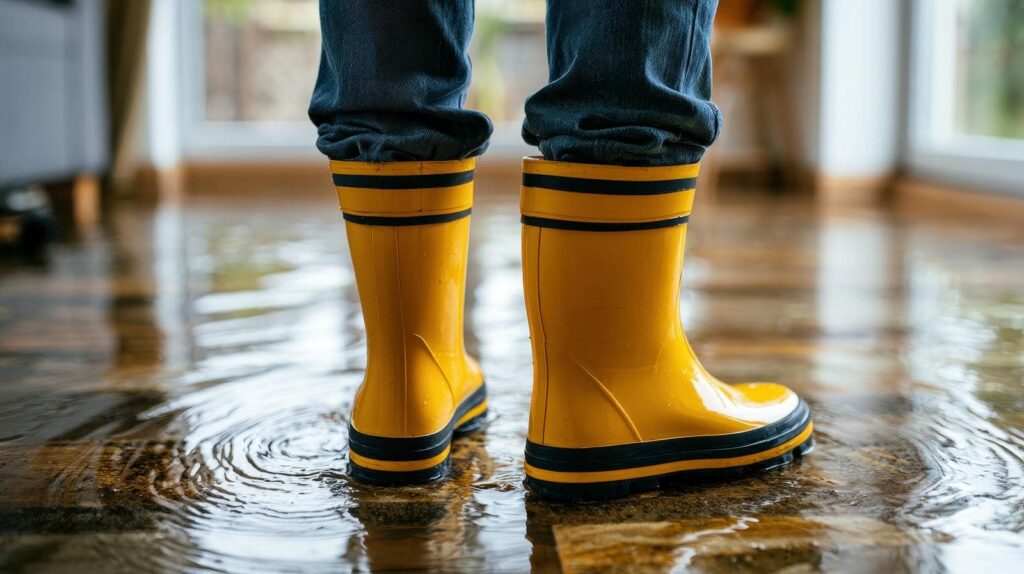
Verify you wear appropriate gear, like waterproof boots and gloves, to protect yourself while working.
Next, implement effective water removal techniques. Use a wet/dry vacuum to suck up smaller amounts of water, or consider using submersible pumps for larger volumes.
If you have access to high-powered fans or dehumidifiers, set them up to accelerate the drying process.
Be thorough—check for hidden pockets of water in corners or beneath furniture. The sooner you act, the less severe the damage will be, creating a safer environment for everyone in the space.
Utilize Professional Water Extraction Services
When dealing with water damage, utilizing professional water extraction services is essential.
These experts bring specialized knowledge in water removal, along with advanced extraction equipment that ensures thorough results.
Their rapid response teams can quickly mitigate damage, helping to restore your commercial space efficiently.
Expertise in Water Removal
Although water damage can stem from various sources, quickly engaging professional water extraction services is essential to mitigate further issues.
Experts in water removal utilize advanced water removal techniques and commercial extraction methods to effectively address the damage.
Here’s how they do it:
Assessment: They begin with a thorough assessment of the affected area to identify the extent of water intrusion.
Extraction: Professionals then employ powerful equipment to extract water efficiently, ensuring minimal disruption to your business.
Drying: Finally, they implement targeted drying strategies to prevent mold growth and restore your environment.
Advanced Extraction Equipment
Utilizing advanced extraction equipment is essential for effective water damage recovery, as it enables professionals to tackle even the most challenging situations swiftly and efficiently.
When you engage expert services, you benefit from advanced extraction techniques designed to remove water thoroughly and minimize damage. These techniques speed up recovery and help prevent mold growth and structural issues.
Regular extraction equipment maintenance is vital for ensuring that the tools operate at peak efficiency. Professionals continuously monitor and service their equipment, which ensures peak performance during emergencies.
Rapid Response Teams
A quick response to water damage can greatly minimize its impact on your business. By utilizing professional water extraction services, you ensure that your recovery process is efficient and effective.
Here are three key steps to take into account:
Implement rapid response protocols: Establish clear procedures for your team to follow during emergencies. This reduces confusion and accelerates recovery.
Create emergency contact lists: Keep an updated list of critical contacts, including water extraction professionals, to act quickly when disaster strikes.
Train your staff: Regularly educate your employees on their roles during a water-related emergency, fostering a sense of belonging and teamwork.
Dry Affected Areas Efficiently
When dealing with water damage, it’s vital to dry affected areas efficiently to prevent further complications such as mold growth and structural deterioration.
Start by evaluating the extent of the damage, then prioritize areas that need immediate attention. Utilize dehumidifiers to extract moisture from the air; they’re important for maintaining ideal humidity levels. Position them strategically in each affected room for maximum effectiveness.
Next, focus on airflow management. Open windows and doors to create cross-ventilation, which will help speed up the drying process. Use fans to circulate air, directing them toward damp surfaces. Rotate the fans regularly to ensure uniform drying.
Monitor the humidity levels frequently, aiming for a range of 30-60%. This proactive approach not only dries out your space but also fosters a healthier environment.
Inspect for Mold Growth
After you’ve dried the affected areas, it’s crucial to inspect for mold growth, as this can develop quickly in damp environments.
A thorough mold inspection is important to ensure the safety and health of your space. Here’s how to proceed:
Look for Visible Signs: Check for discoloration, fuzzy textures, or musty odors, which often indicate the presence of mold.
Inspect Hidden Areas: Don’t forget to examine behind walls, under carpets, and in HVAC systems, as mold can hide in less obvious spots.
Monitor Humidity Levels: Keep an eye on humidity; ideally, it should stay below 60% to aid in mold prevention.
Sanitize and Disinfect Surfaces
Once you’ve confirmed that mold is under control, it’s time to sanitize and disinfect the affected surfaces. Start with thorough surface cleaning using soap and water to remove any debris. This initial step is essential, as it prepares the area for effective sanitation.
Next, choose appropriate sanitation techniques, like using EPA-approved disinfectants, to kill remaining bacteria and viruses. Be certain to follow the manufacturer’s instructions for concentration and contact time; this ensures maximum effectiveness.
Pay special attention to high-touch areas such as doorknobs, countertops, and light switches, as these surfaces harbor germs. Use disposable wipes or cloths to avoid cross-contamination.
After sanitizing, allow the surfaces to air dry completely, ensuring that the disinfectant has time to work. By diligently following these steps, you create a safe environment for everyone, fostering a sense of belonging and care within your space.
Restore and Repair Damaged Structures
As you begin to restore and repair damaged structures, it’s essential to assess the extent of the damage before diving into repairs.
Evaluating the situation helps ensure structural stability, ultimately protecting your investment.
Here’s a methodical approach to follow:
Inspect the Foundation: Check for cracks or shifts that could compromise stability.
Choose Appropriate Materials: Select high-quality, moisture-resistant materials that align with the original structure to maintain integrity and durability.
Engage Professionals: If the damage is extensive, consult with experienced contractors to develop a thorough recovery plan.
Implement Preventative Measures for Future Incidents
To prevent future water damage incidents, you should prioritize regular maintenance checks to identify potential risks early.
Installing water alarms can provide immediate alerts, allowing you to act quickly before issues escalate.
Additionally, improving drainage systems can help manage excess water and reduce the likelihood of damage.
Regular Maintenance Checks
Regular maintenance checks are essential for preventing water damage in commercial properties.
By establishing routine inspections and maintenance schedules, you can identify potential issues before they escalate.
Here are three key areas to focus on during your checks:
Plumbing Systems: Inspect pipes, fittings, and fixtures for leaks or corrosion.
Roof and Gutters: Ensure proper drainage and check for any signs of wear or damage that could lead to leaks.
Basement and Foundation: Look for cracks or moisture accumulation that could indicate a drainage issue.
Install Water Alarms
Installing water alarms is a smart investment for any commercial property owner looking to prevent future water damage incidents. These devices can detect leaks and excess moisture before they escalate into costly problems. By strategically placing alarms in high-risk areas, you can monitor moisture levels effectively.
When the alarm triggers, it alerts you immediately, allowing for prompt action to mitigate damage. Consider integrating these alarms into your existing building management system for seamless monitoring.
Regularly testing the alarms ensures they function properly when needed. This proactive measure safeguards your property and fosters a sense of security among your tenants and employees.
Improve Drainage Systems
Water alarms can alert you to potential issues, but addressing the root cause of water accumulation is just as important.
By improving your drainage systems, you’ll enhance stormwater management and reduce the risk of future water damage.
Here are three key drainage improvements you should consider:
Regular Maintenance: Schedule routine inspections and cleanouts for gutters and drains to prevent blockages.
Install Drainage Systems: Consider adding French drains or sump pumps to direct excess water away from your property effectively.
Landscaping Adjustments: Grade your landscape to ensure proper water flow away from the building, minimizing pooling around your foundation.
Implementing these measures fosters a safer environment, ensuring your space remains a welcoming home for your business and community.
Frequently Asked Questions
How Long Does Water Damage Restoration Typically Take?
Water damage restoration typically takes several days to weeks, depending on the extent of damage. Understanding the water damage timeline and following restoration phases can help you manage expectations and ensure thorough recovery.
Will Insurance Cover Commercial Water Damage Recovery Costs?
Most insurance policies cover commercial water damage recovery costs, but you’ll need to navigate the claim process carefully. Review your policy details and document everything for a smoother experience. You’ve got this!
Can I Stay in My Building During Restoration?
You can’t always stay in your building during restoration. Prioritize safety precautions; temporary relocation might be necessary to ensure your well-being. Communicate with your restoration team to find the best solution for your situation.
What Materials Are Most Prone to Water Damage?
“An ounce of prevention is worth a pound of cure.” Furniture materials like upholstery and wood, along with electronic equipment, are particularly prone to water damage. Prioritize protection to safeguard your valuable assets.
How Do I Choose the Right Restoration Company?
To choose the right restoration company, evaluate their qualifications and track record. Research reviews and testimonials to gauge their reputation. Prioritize companies with proven experience and a commitment to customer satisfaction for the best results.
Final Thoughts
In the aftermath of water damage, think of your business as a ship steering through stormy seas. By taking swift, decisive action—shutting off utilities, documenting damage, and calling in professionals—you can steer clear of disaster. Sanitize and restore your space like a skilled craftsman, while implementing preventative measures to fortify your vessel against future tempests. With a systematic approach, you’ll not only recover but emerge stronger, ready to face whatever challenges lie ahead.
Recent Posts
Why Prevent Mold After Structural Drying?
After structural drying, you still need to prevent mold because hidden moisture can remain in
3 Best Mold Prevention Drying Tips
When moisture lingers, mold can start growing in less than 48 hours, so your drying
Structural Drying for Flooded Property Restoration
When water invades a structure, both speed and strategy matter. Flooded property restoration starts by